Morocco
At TheGlitz, we believe that there are destinations that impress… and then there are those that linger. Morocco belongs firmly to the latter. Here, luxury doesn’t announce itself in grand gestures; it reveals itself slowly… in the hush of a candlelit riad, in the rhythmic artistry of a master craftsman, in the vast, golden silence of the desert.
As global travellers turn toward a more thoughtful, experience-led way of exploring, Morocco is today emerging as a natural frontrunner in what the world now calls “quiet luxury”… a space where authenticity, intimacy, and cultural depth take precedence over excess.
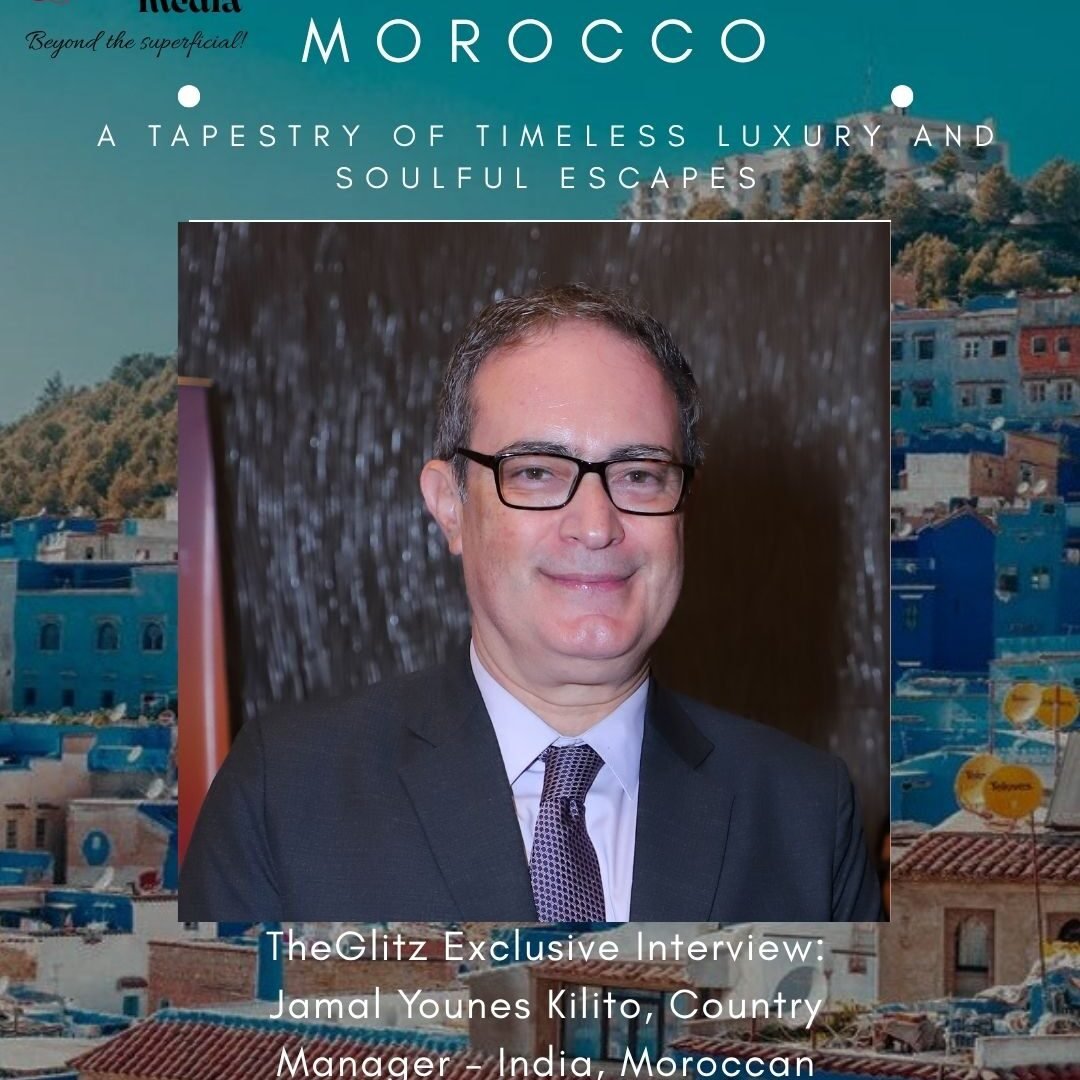
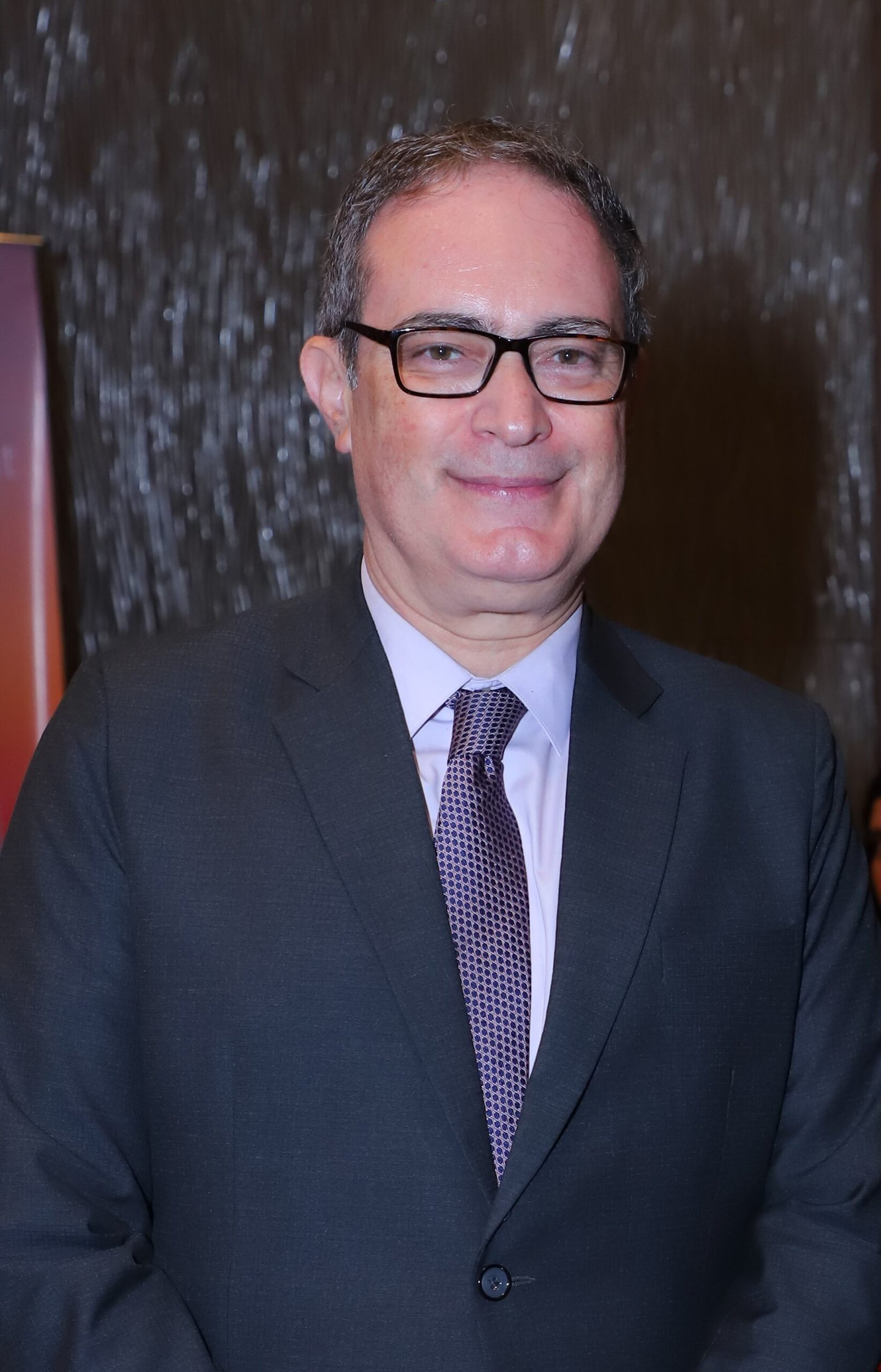
At the forefront of shaping this narrative is Jamal Younes Kilito, Country Manager – India at the Moroccan National Tourism Office (MNTO). Through a lens that blends preservation with progression, Jamal Younes Kilito articulates beautifully how Morocco is not reinventing itself for this moment…it has always been this way.
From intricately restored riads and immersive artisan experiences to deeply personal desert escapes and community-led sustainability, his vision reflects a destination that understands luxury not as a display, but as a feeling… one rooted in heritage, human connection, and a sense of place that lingers like the scent of orange blossoms drifting through a sun-dappled courtyard.
In an exclusive interview with Sumita Chakraborty, Founder & Editor-in-Chief, TheGlitz, Jamal Younes Kilito shares how Morocco is quietly redefining the language of luxury for the modern traveller.
Morocco – Over to Jamal Younes Kilito, Country Manager – India, Moroccan National Tourism Office (MNTO)
How is the global shift towards ‘quiet luxury’ reshaping the way travellers experience Morocco, especially in its riads, desert escapes, and heritage-rich landscapes?
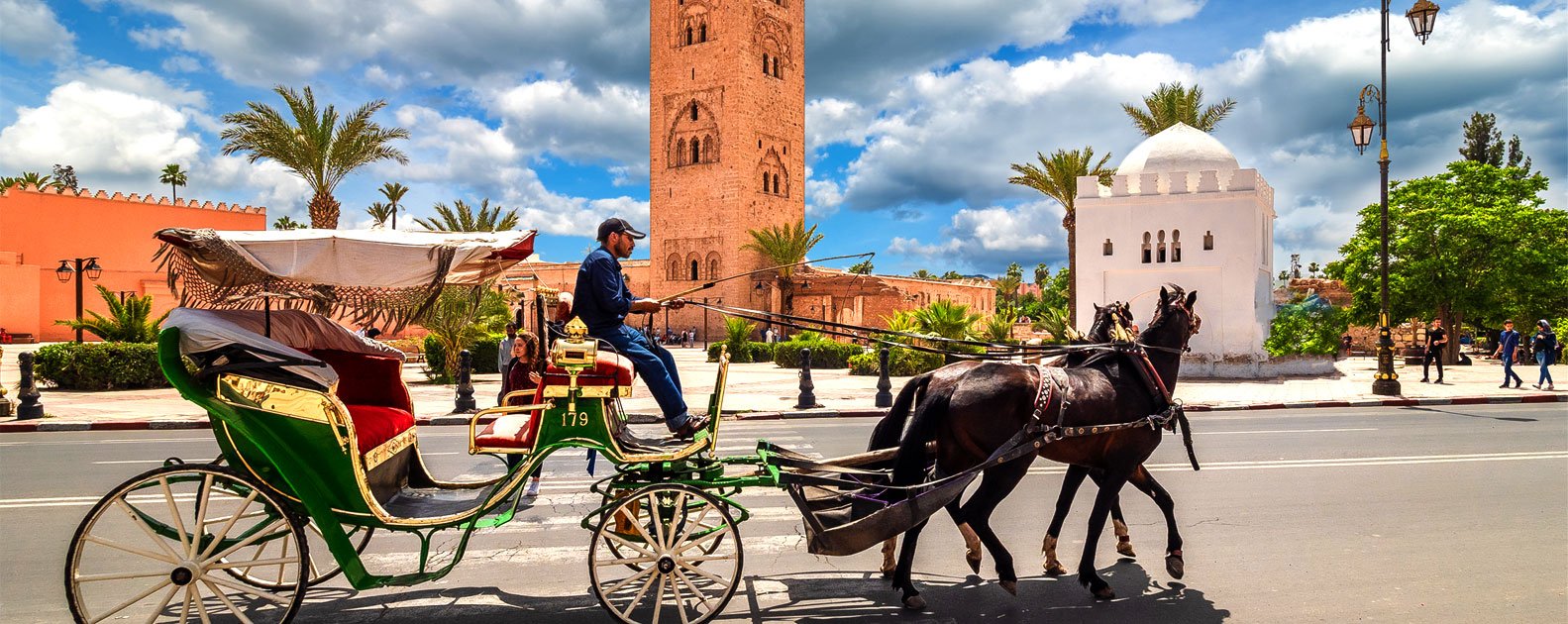
Quiet luxury fits very naturally with Morocco. Travellers today are looking for privacy, authenticity, and meaningful experiences rather than flashy displays. In riads, this means staying in beautifully restored homes with just a few rooms, where service feels personal and the design reflects local craftsmanship. In the desert, it’s about peaceful, private camps that let guests truly disconnect and take in the vastness of the landscape. Across Morocco, luxury is becoming more about atmosphere, culture, and emotion than about excess.
Morocco has an inherent sense of old-world charm, how are you preserving this authenticity while elevating it into a modern, understated luxury experience?
The key is to preserve what already exists. Many properties are restored using traditional techniques and materials like zellige tiles, tadelakt walls, and hand-carved wood, keeping the original spirit alive. At the same time, modern comfort is added in a subtle way—good service, thoughtful design, and quiet technology—so guests feel at ease without losing the sense of history. It’s really about balance: keeping the soul of Morocco while making the experience smooth and comfortable.
From artisanal crafts to centuries-old traditions, how are you positioning cultural immersion as the new face of luxury for the conscious traveller?
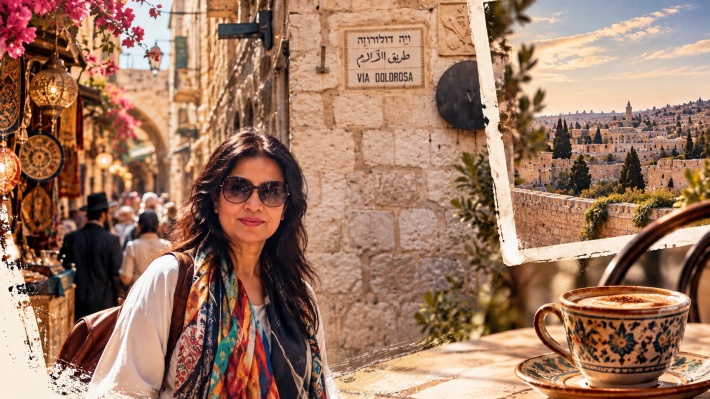
Luxury today is about connection. Travellers don’t just want to see Morocco—they want to understand it. That’s why we’re focusing on experiences that offer real access, like private workshops with Maâlems in the souks, where guests can try brass etching, weaving, or pottery themselves. We also offer guided heritage tours that go deeper into the stories of the cities, including Jewish and Andalusian influences. These kinds of experiences turn a trip into something more meaningful and memorable.
Sustainability and heritage go hand in hand in Morocco, how are you ensuring that luxury tourism supports local communities while maintaining its exclusivity?
Luxury in Morocco is increasingly tied to supporting local communities. Experiences like farm-to-table dining at some places connect guests directly to seasonal produce and nearby farmers. In the Ourika Valley, partnerships focus more on textile cooperatives and local crafts, creating income and visibility for women artisans. Argan oil cooperatives, on the other hand, are mainly based in regions like Essaouira and the Souss area, where they play a key role in supporting rural communities.
This approach ensures that high-end travel remains exclusive in experience, while also being grounded in authenticity and positive local impact.
Experiences like private desert stays and curated medina walks feel deeply personal—how are these intimate offerings being designed for travellers seeking meaningful escapes?
Everything is becoming more tailored. In Merzouga, for example, private desert camps are designed for travellers who want peace, comfort, and a real connection with the Sahara—without the crowds. These stays focus on simplicity, beautiful settings, and moments like dining under the stars or learning about desert life. The same idea applies in the medinas, where guided walks are customized based on what guests are interested in, making each experience feel unique and personal.
Do you see Morocco emerging as a global leader in quiet luxury travel, and what sets it apart from more overtly opulent destinations?
Yes, because Morocco already offers what quiet luxury is all about. It doesn’t rely on big, flashy experiences—it’s more about depth, culture, and authenticity. What makes it stand out is the mix of history, craftsmanship, landscapes, and human connection. In Morocco, luxury is not something you just see—it’s something you feel, through the places you stay, the people you meet, and the stories you discover.
TheGlitz Take
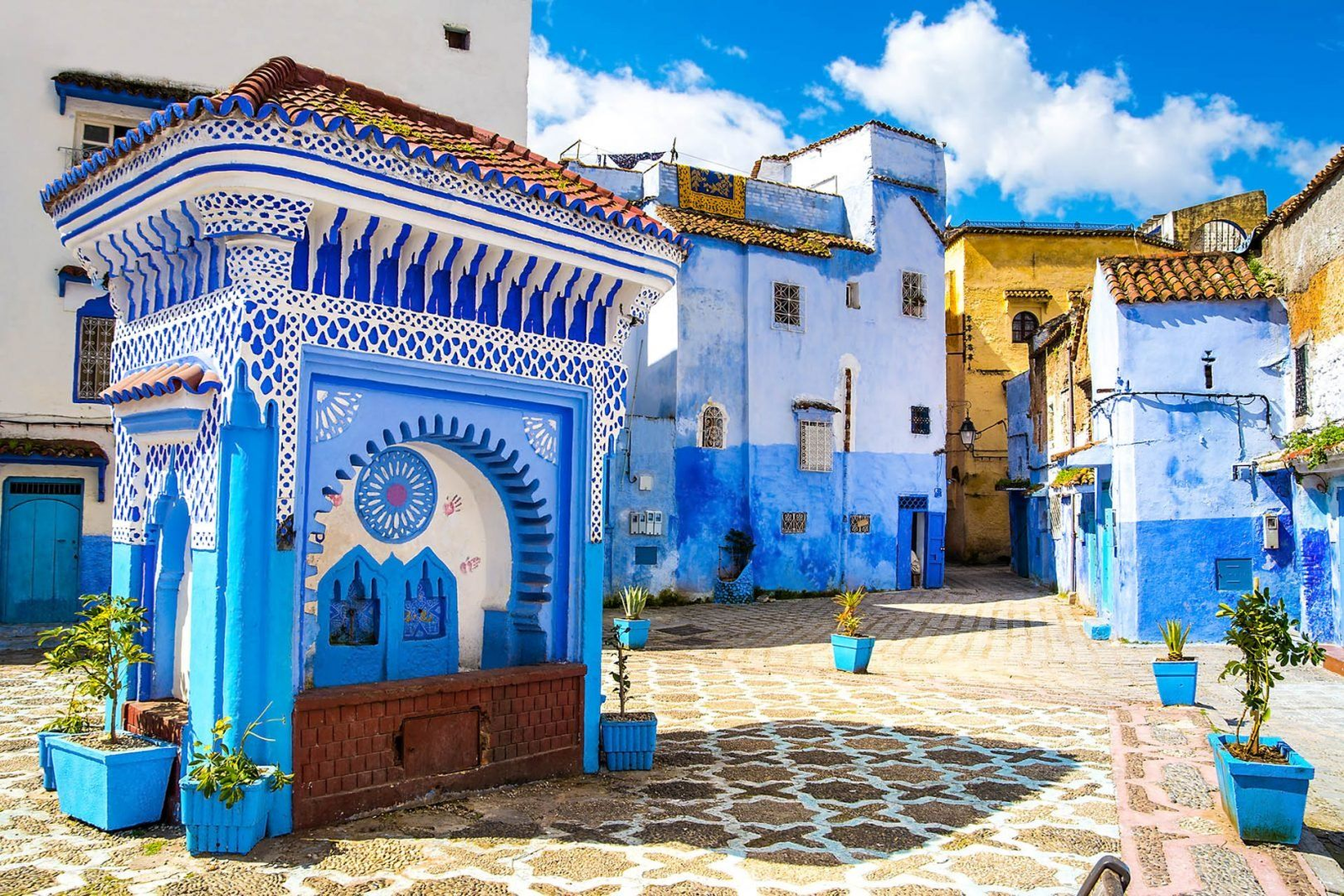
From our lens, Morocco doesn’t adapt to quiet luxury… it embodies it effortlessly. This is a destination where luxury whispers through sensory detail: the play of light on ancient walls, the warmth of human connection, the poetry of place unfolding at its own pace. It’s not about what you see, but what you feel and long after you leave, Morocco lingers like a beautifully told story, rich, textured, and impossible to forget. Morocco is definitely on our travel bucket list, what about yours?