TheGlitz Earth Warrior 2026 Agni Mitra, Founder, Amwoodo
At a time when the world is searching for practical solutions to reduce waste, curb plastic dependency, and encourage responsible consumption, Agni Mitra, Founder, Amwoodo, is proving that sustainability begins with the choices we make every day. Through his unwavering commitment to eco-friendly innovation and conscious living, Agni has emerged as a powerful advocate for environmental responsibility, making him a natural choice for TheGlitz Earth Warrior 2026.
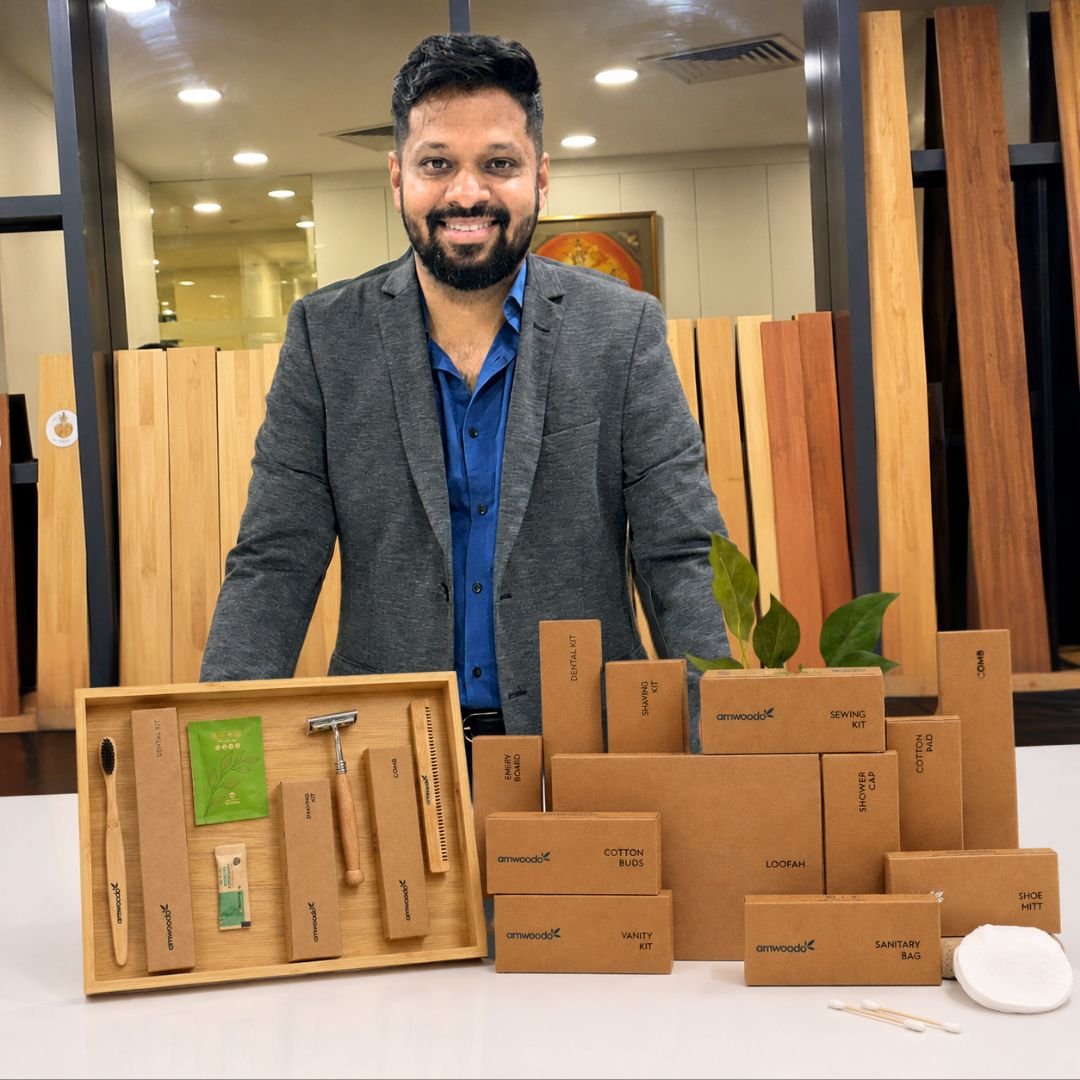
The inspiration behind Amwoodo stemmed from a simple yet profound question: Can the products we use every day be better for the planet without compromising on quality? In seeking that answer, Agni found bamboo… one of the world’s fastest growing and most renewable natural resources. What followed was the creation of a brand dedicated to replacing conventional, resource-intensive products with sustainable alternatives that are practical, accessible, and environmentally responsible.
What sets Agni apart is that his mission goes beyond creating eco-friendly products. Through Amwoodo, he is actively driving a larger conversation around conscious consumption, waste reduction, and climate-conscious living. At a time when plastic has become deeply embedded in modern lifestyles, he is championing bamboo as a scalable solution that allows consumers to make better choices without sacrificing convenience, affordability, or quality.
TheGlitz has nominated Agni Mitra for TheGlitz Earth Warrior 2026 because of his commitment to creating tangible, scalable solutions that contribute to a greener future. His work demonstrates that sustainability is not merely about reducing harm… it is about inspiring positive behavioural change, promoting responsible business practices, and empowering consumers to become active participants in environmental stewardship.
For his vision, innovation, and dedication to making sustainable living simple and accessible, Agni Mitra exemplifies the spirit of TheGlitz Earth Warrior 2026… a changemaker proving that even the smallest everyday choices can create a lasting impact on the planet.
Over To TheGlitz Earth Warrior 2026 Agni Mitra, Founder, Amwoodo
What inspired you to build Amwoodo around bamboo, and what makes it such a powerful solution in the global conversation around sustainability and responsible consumption?
Amwoodo began with a simple question: Can the products we use every day be better for the planet without compromising on quality? While exploring sustainable alternatives, bamboo stood out to us immediately.
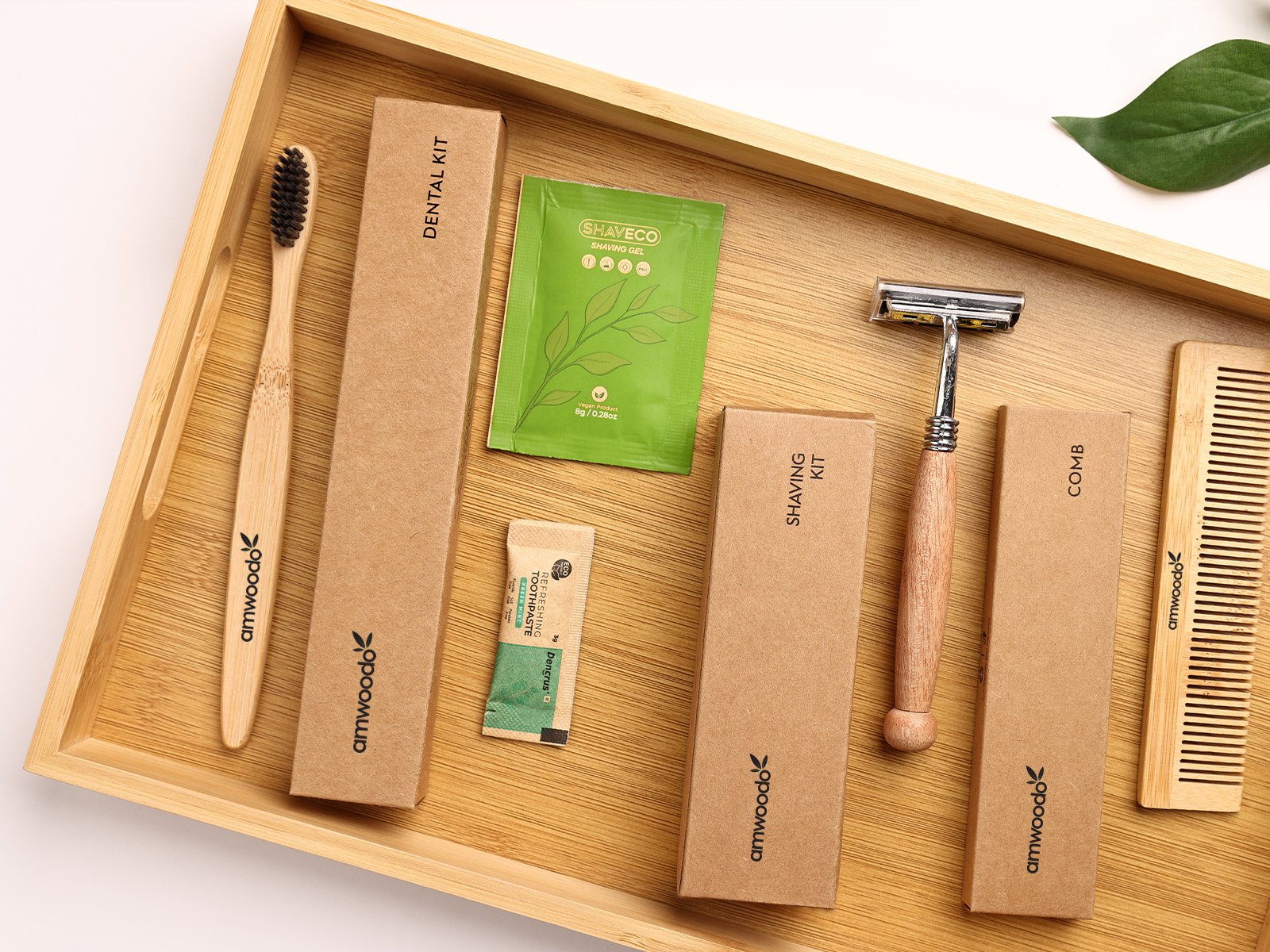
What inspired us most was its incredible ability to regenerate naturally, grow rapidly with minimal resources, and offer a much lower environmental footprint than conventional materials. At the same time, it is strong, versatile, and beautiful to work with. For us, bamboo is more than just a sustainable material, it’s a practical way to help people make more conscious choices in their everyday lives.
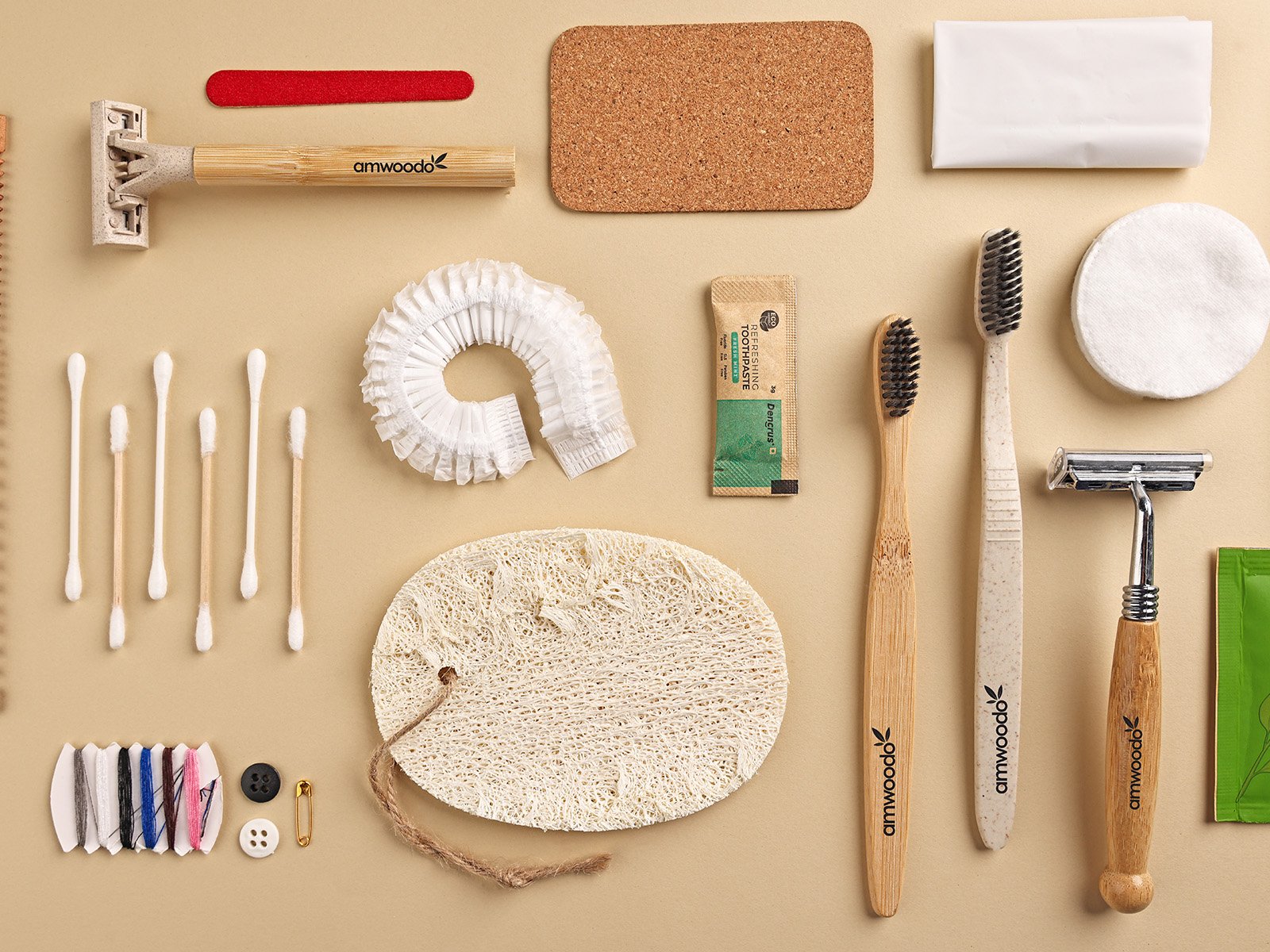
Plastic dependency has become deeply embedded in modern lifestyles. How can sustainable alternatives become more accessible, practical, and appealing to everyday consumers?
The reality is that most consumers want to make better choices, but convenience often dictates behaviour. Sustainable products cannot remain niche, expensive, or difficult to access if we expect widespread adoption.
To make sustainable alternatives more appealing, businesses need to focus on three things: affordability, availability, and performance. Consumers should not feel like they are making a sacrifice when choosing an eco-friendly product. The sustainable option should be just as convenient, reliable, and attractive as its conventional counterpart.
Equally important is creating awareness around the impact of everyday choices. When consumers understand that small changes such as switching to bamboo-based essentials can collectively create significant environmental benefits, adoption becomes much easier.
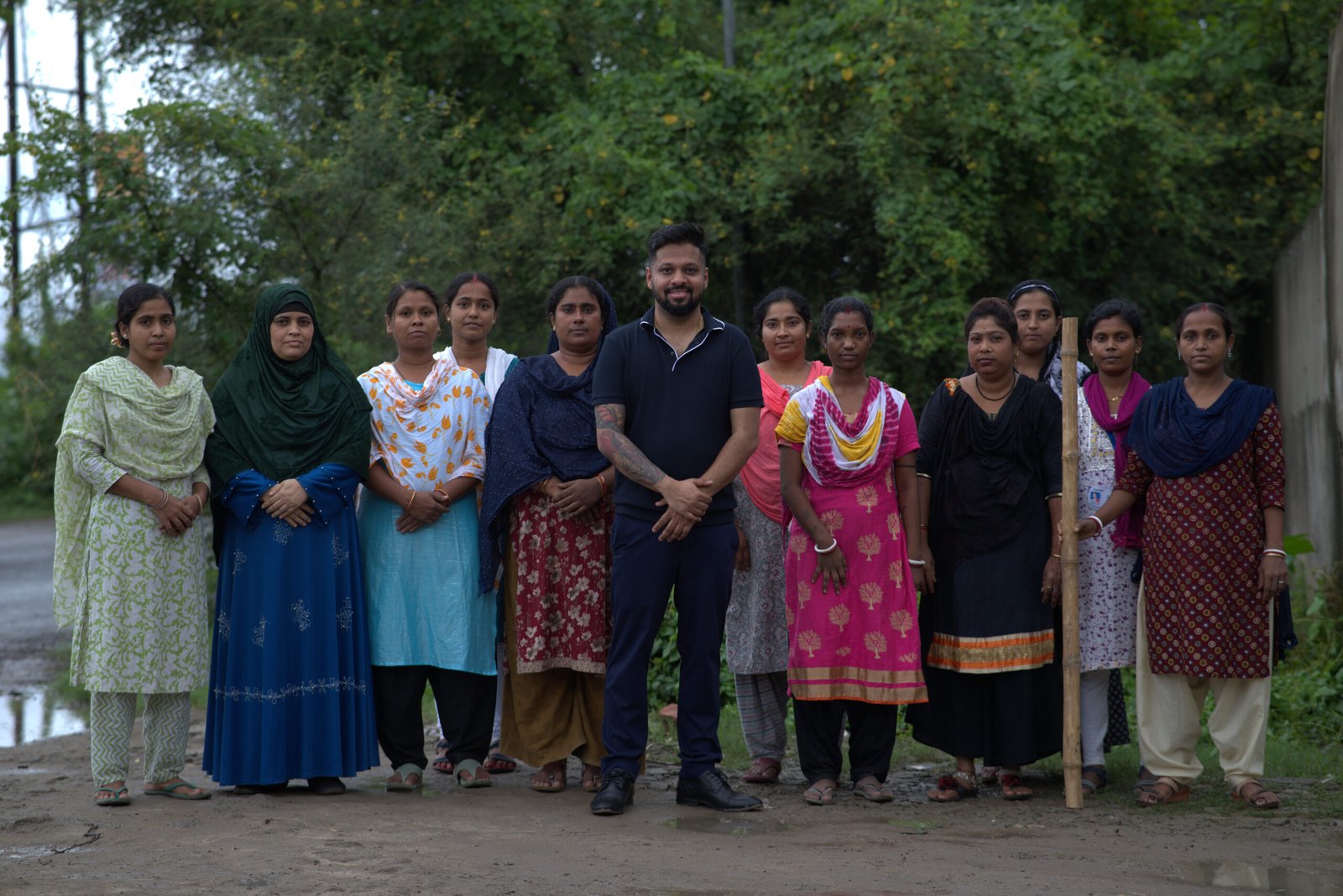
As an entrepreneur, what were some of the biggest challenges you faced in balancing environmental values with business scalability and market demand?
One of the biggest challenges was ensuring that environmental impact remained at the core of our decisions while building a commercially viable business. Sustainable materials, ethical sourcing, and responsible manufacturing often involve higher costs and greater operational complexity than conventional alternatives, so we definitely had to keep that in mind.
Another challenge was overcoming consumer skepticism. Many people support sustainability in principle but still evaluate products primarily on price and convenience. We had to demonstrate that eco-friendly products could deliver the same level of quality and value.
Balancing growth with responsibility requires constant evaluation of suppliers, processes, packaging, and logistics. It is not always the easiest path, but we believe long-term success comes from staying aligned with the values that inspired the company in the first place.
Beyond creating eco-friendly products, how important is consumer education in driving meaningful behavioural change toward sustainable living?
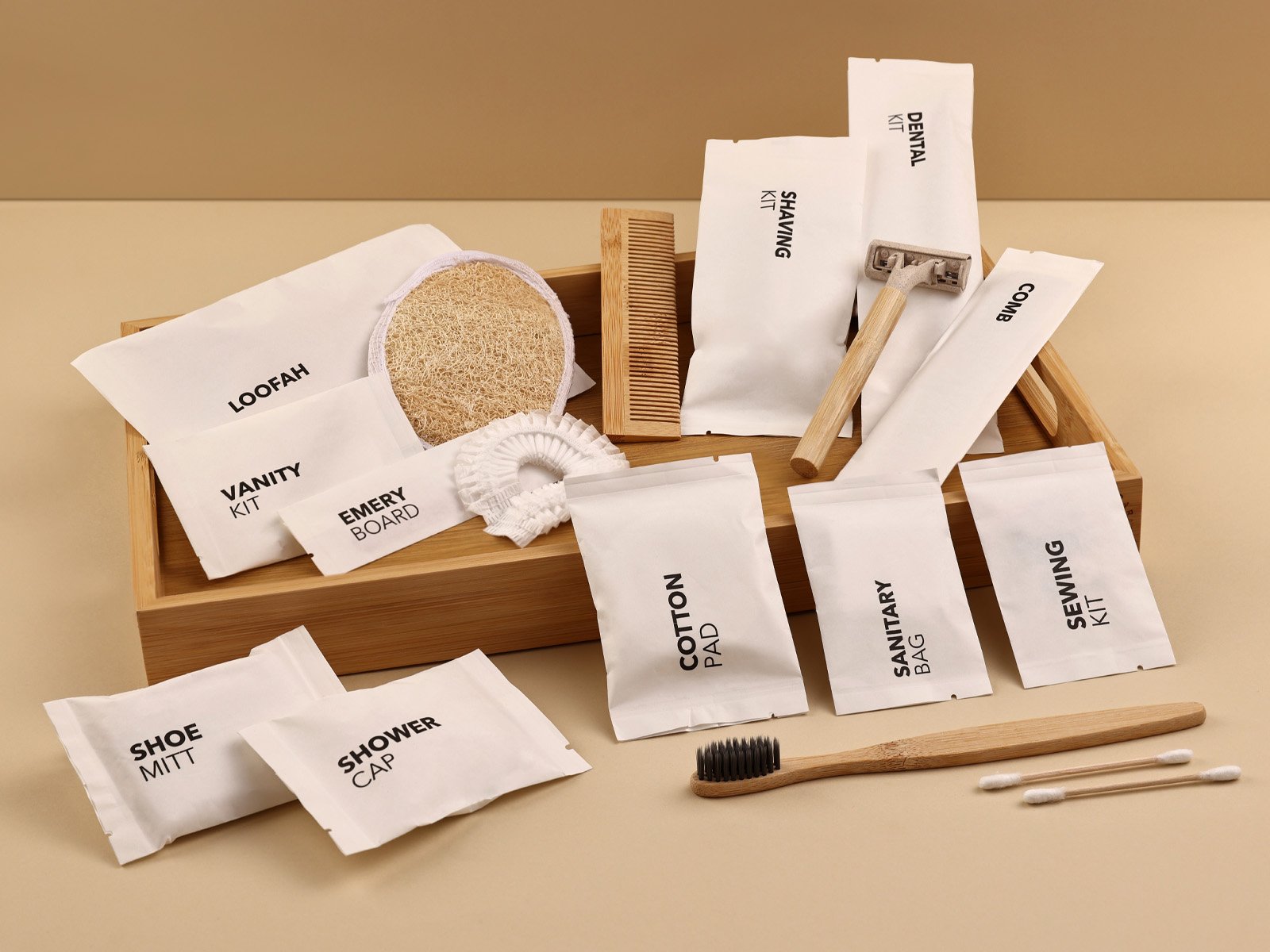
Consumer education is absolutely critical. Sustainable products alone cannot solve environmental challenges if people do not understand the impact of their consumption habits.
We see education as an ongoing responsibility rather than a marketing exercise. It’s about helping consumers understand where products come from, how they are made, and what happens to them after use. When people become aware of the environmental consequences of everyday choices, they naturally begin to make more informed decisions.
The goal is not perfection but progress. If more individuals make small sustainable choices consistently, the collective impact can be transformative. Education helps bridge the gap between intention and action.
Bamboo is often described as one of the world’s most renewable resources. How do you see its role evolving in the future of sustainable manufacturing and product design?
I believe bamboo will play an increasingly important role in the transition toward a circular and resource-efficient economy. As industries seek alternatives to resource-intensive materials, bamboo offers a compelling combination of renewability, strength, and versatility.
We’re already seeing bamboo being used beyond personal care products in furniture, construction materials, textiles, packaging, and hospitality solutions. As innovation advances, its applications will continue to expand.
The future of sustainable manufacturing will depend on materials that are renewable, scalable, and environmentally responsible. Bamboo is uniquely positioned to meet all three requirements, making it an important part of the sustainability landscape for years to come.
Looking ahead, what is your vision for Amwoodo, and how do you hope it will contribute to a larger movement toward conscious consumption and waste reduction?
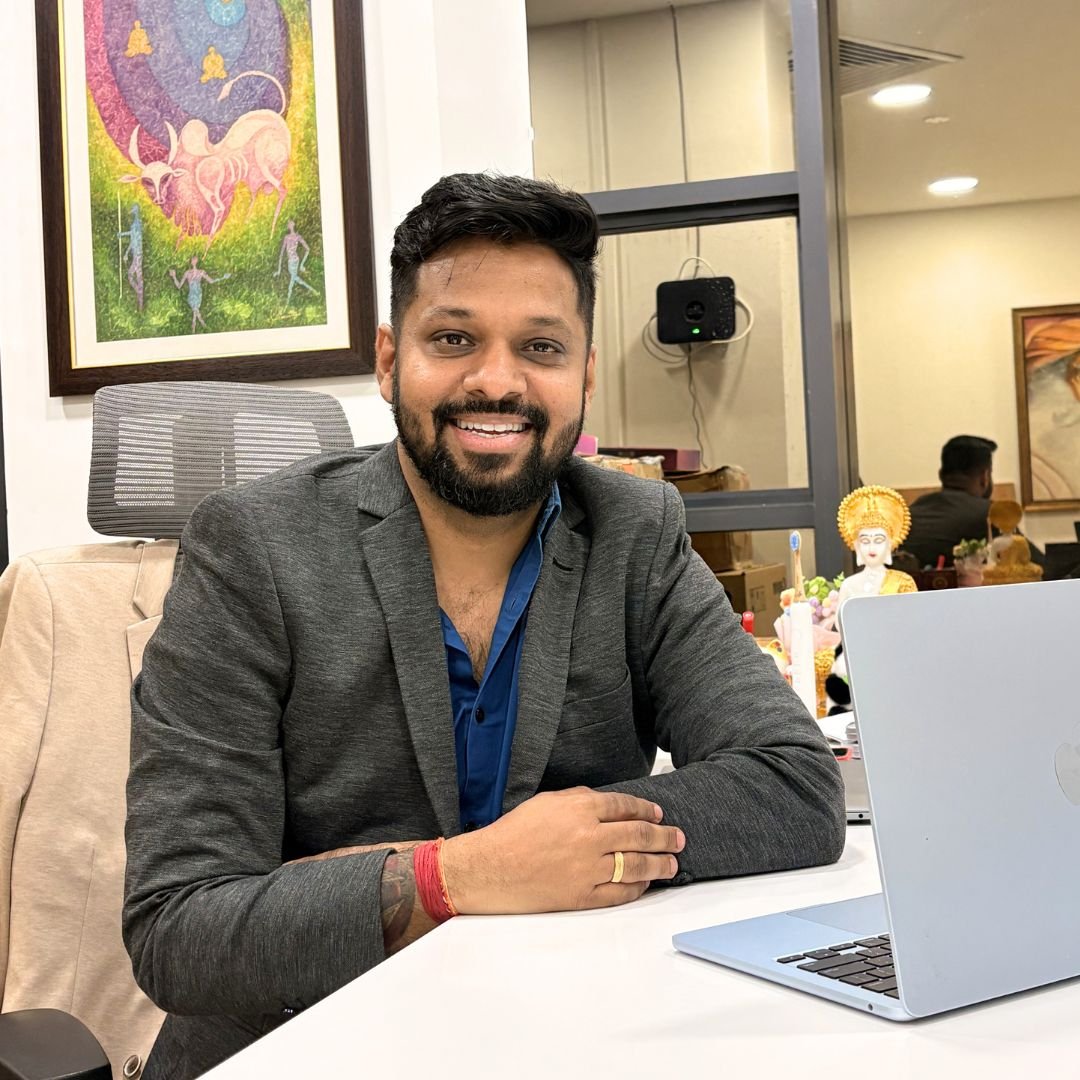
Our vision is to make sustainable living simple, accessible, and practical for individuals and businesses alike. We want Amwoodo to become a trusted partner for those looking to reduce their environmental footprint through everyday choices.
Beyond expanding our product portfolio, we aim to create greater awareness around responsible consumption and help normalize sustainable alternatives across industries, particularly in hospitality, corporate gifting, and daily-use essentials.
Ultimately, success for us is not measured solely by growth but by the positive impact we create. If Amwoodo can inspire more people and organizations to rethink their consumption habits, reduce waste, and choose renewable alternatives, then we will have contributed meaningfully to a larger movement toward a more sustainable future.