TheGlitz Earth Warriors 2026: Apuroop Arja, Founder, Ervana Wildfarms
In a world where farmland is increasingly measured by yields, outputs, and commercial returns, TheGlitz Earth Warrior 2026 Apuroop Arja chose a radically different path… one that prioritised healing over extraction, regeneration over exploitation, and coexistence over control.
A third-generation farmer and the visionary founder of Ervana Wildfarms, Apuroop returned to his family’s 100-acre farmland in Andhra Pradesh’s Rayalaseema region only to discover the consequences of years of conventional farming: depleted soils, declining biodiversity, diminishing water resources, and a fragile ecosystem struggling to survive. Where many would have seen a challenge to overcome through greater intervention, Apuroop saw an opportunity to partner with nature itself.
Today, that decision stands as one of the most inspiring examples of regenerative environmental leadership in India.
What began with a chance encounter with a young fawn hiding among the bushes transformed into a lifelong commitment to ecological restoration. That brief moment shifted his perspective forever. The land was no longer simply a place to grow crops; it was a living ecosystem supporting wildlife, pollinators, birds, water systems, and entire communities.
Through Ervana Wildfarms, Apuroop replaced chemical-intensive farming with regenerative agriculture, composting systems, biodiversity restoration, and natural soil-building practices. He created seven percolation tanks and a one-acre rainwater harvesting lake that have helped recharge groundwater, improve water security, and restore ecological balance across the landscape.
The results have been extraordinary.
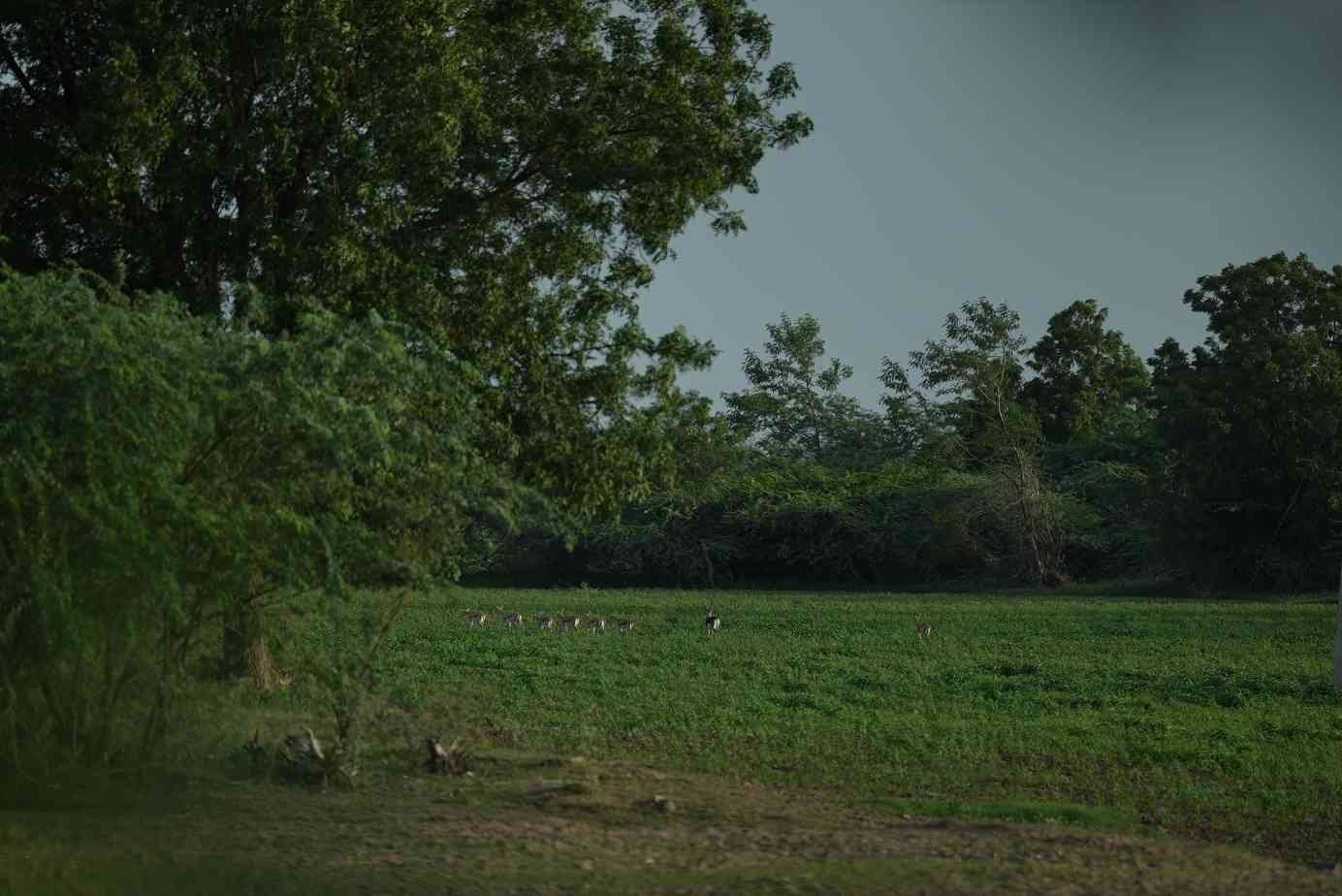
Wildlife has returned in remarkable numbers. A landscape that once saw only occasional animal sightings now supports nearly 75 deer, thriving populations of peacocks, pollinators, birds, amphibians, and countless other species. The farm has evolved into a living example of what happens when nature is given the opportunity to recover.
But what makes TheGlitz Earth Warrior 2026 Apuroop Arja truly exceptional is that his vision extends far beyond environmental restoration.
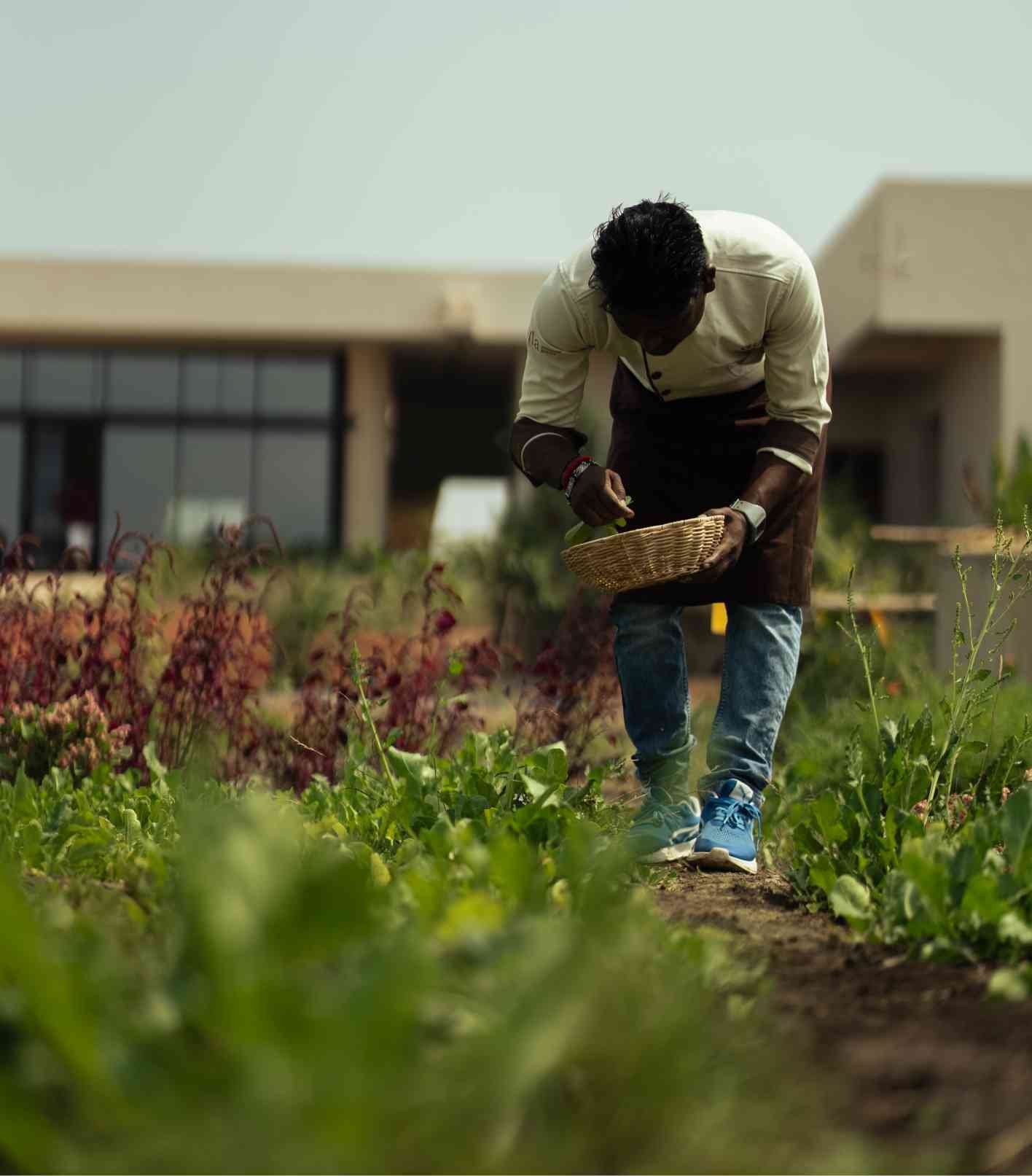
Through Ervana, he is creating a model where sustainability supports people as much as it supports the planet. Working closely with local farmers, artisans, builders, and communities, he is helping preserve regional knowledge, create meaningful livelihoods, strengthen local food systems, and celebrate the cultural heritage of Rayalaseema.
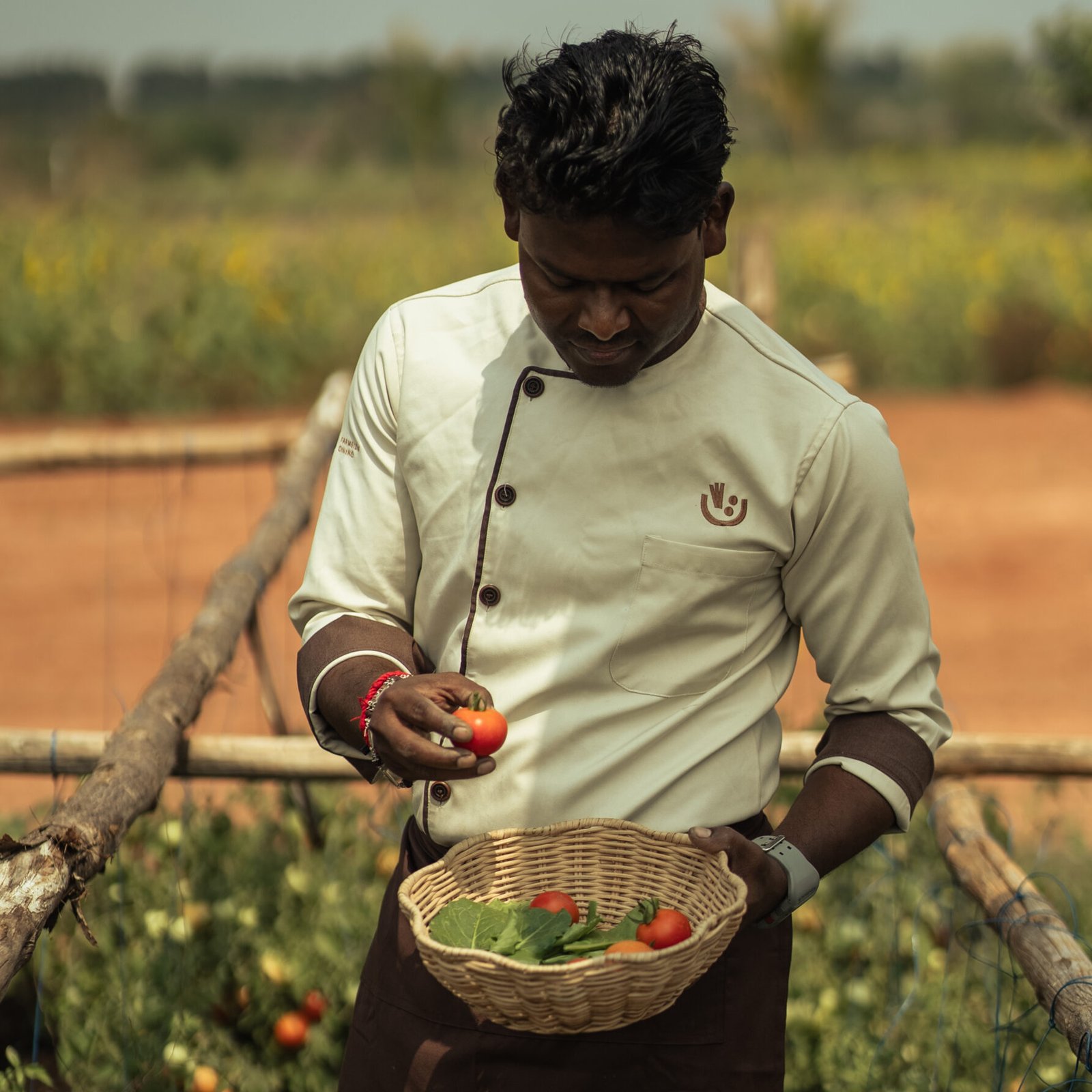
His farm-to-table initiative, Sila Farmside Dining, sources the majority of its ingredients directly from the land, reconnecting visitors with the origins of their food while demonstrating the economic viability of regenerative agriculture.
At a time when climate change, water scarcity, biodiversity loss, and soil degradation are among the defining challenges of our generation, Apuroop offers something increasingly rare: hope backed by action.
TheGlitz proudly nominates Apuroop Arja as a TheGlitz Earth Warrior 2026 because he represents the future the world urgently needs — a future where farming regenerates ecosystems, where water is treated as a sacred resource, where biodiversity is welcomed back onto the land, and where communities thrive alongside nature rather than at its expense.
His journey proves that true sustainability is not about doing less harm. It is about actively restoring what has been lost.
And in the heart of Rayalaseema, Apuroop Arja is doing exactly that — bringing life back to the land, one season, one species, and one ecosystem at a time.
Over To TheGlitz Earth Warriors 2026: Apuroop Arja, Founder, Ervana Wildfarms
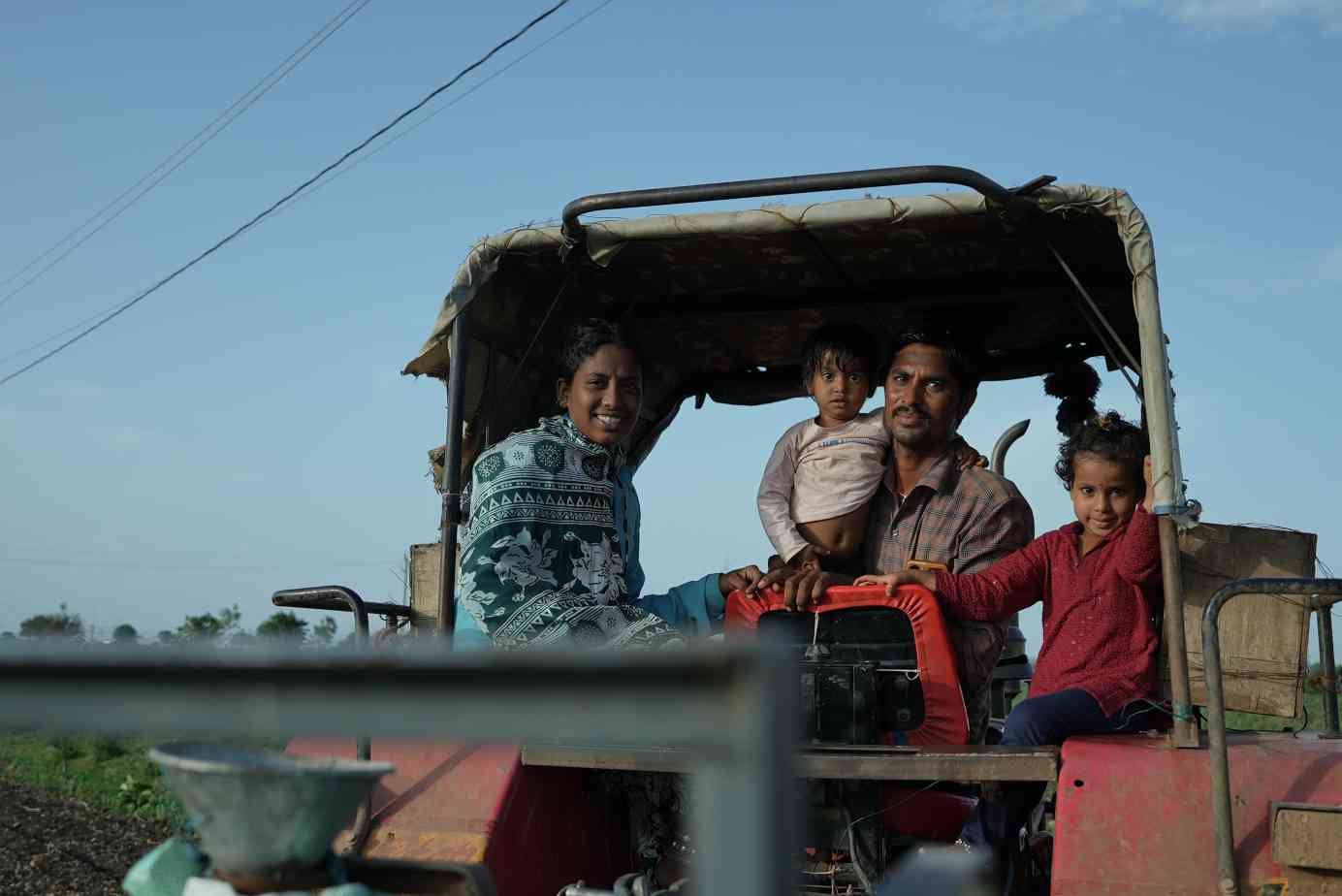
You returned to your family’s farmland at a time when years of conventional farming had left parts of it degraded. What was the turning point that inspired you to choose regeneration over intensive agriculture?
The turning point was surprisingly simple.
I had returned to our family farmland for a routine land survey. As I walked through the property, I noticed some bushes moving in the distance. Curious, I walked closer and suddenly a young fawn leapt out from the vegetation and disappeared into the landscape.
That brief moment stayed with me.
Until then, We had largely looked at the land through the lens of agriculture and productivity. But seeing that fawn made me realize that this land was home to far more than crops. It supported an entire ecosystem of wildlife, birds, pollinators, and countless living organisms that depended on it.
I began to see the farm differently, not as a piece of land to be extracted from, but as a living system that needed care and stewardship.
As I spent more time on the farm, I also witnessed the effects of years of conventional practices: declining soil health, reduced biodiversity, and increasing dependence on external inputs. It became clear that if we wanted the land to thrive for future generations, we had to move beyond simply producing crops and start regenerating the ecosystem itself.
That realization set us on the path to regeneration. We focused on restoring soil health, conserving water, planting native species, and creating habitats that could support wildlife. Over time, nature responded. Today, seeing deer, birds, pollinators, and other species return to the landscape is a constant reminder of why we began this journey.
What started with a chance encounter with a fawn became a lifelong commitment to helping the land heal and ensuring that agriculture and nature can thrive together.
Through Ervana Wildfarms, you’ve transformed depleted land into a thriving ecosystem. What have been the most rewarding signs that nature is responding positively to your efforts?
The most rewarding sign has been watching nature return on its own.
When we began, wildlife sightings were infrequent. Today, we have seen the deer population on and around the landscape grow from around seven animals to nearly seventy-five. We regularly spot peacocks across the farm, along with a growing diversity of birds, pollinators, and other wildlife. For me, these are not just numbers. They are nature’s way of telling us that the land is healing.
Water has played a significant role in that recovery. Over the years, we created seven percolation tanks and a one-acre lake, nearly twenty-four feet deep, designed to capture and retain rainwater. What was especially encouraging was seeing nearby bore points show improved water availability over time, suggesting that groundwater recharge was taking place.
The lake itself has become the heart of the ecosystem. After just two significant rainfall events, it demonstrated the remarkable catchment potential of the landscape and now serves as a vital water source for both agriculture and wildlife. On any given day, you might find deer arriving to drink, peacocks gathering along the banks, ducks moving across the water, or Indian ibises resting nearby.
Moments like these remind us that regeneration is not about imposing our will on nature. It is about creating the conditions for nature to do what it has always known how to do. Recover, flourish, and sustain life.
At Ervana, our greatest achievement is not what we have built, but what nature has chosen to bring back.
Water conservation has been central to your journey, with the creation of percolation tanks and rainwater harvesting systems. How important is water stewardship in building climate-resilient farms for the future?
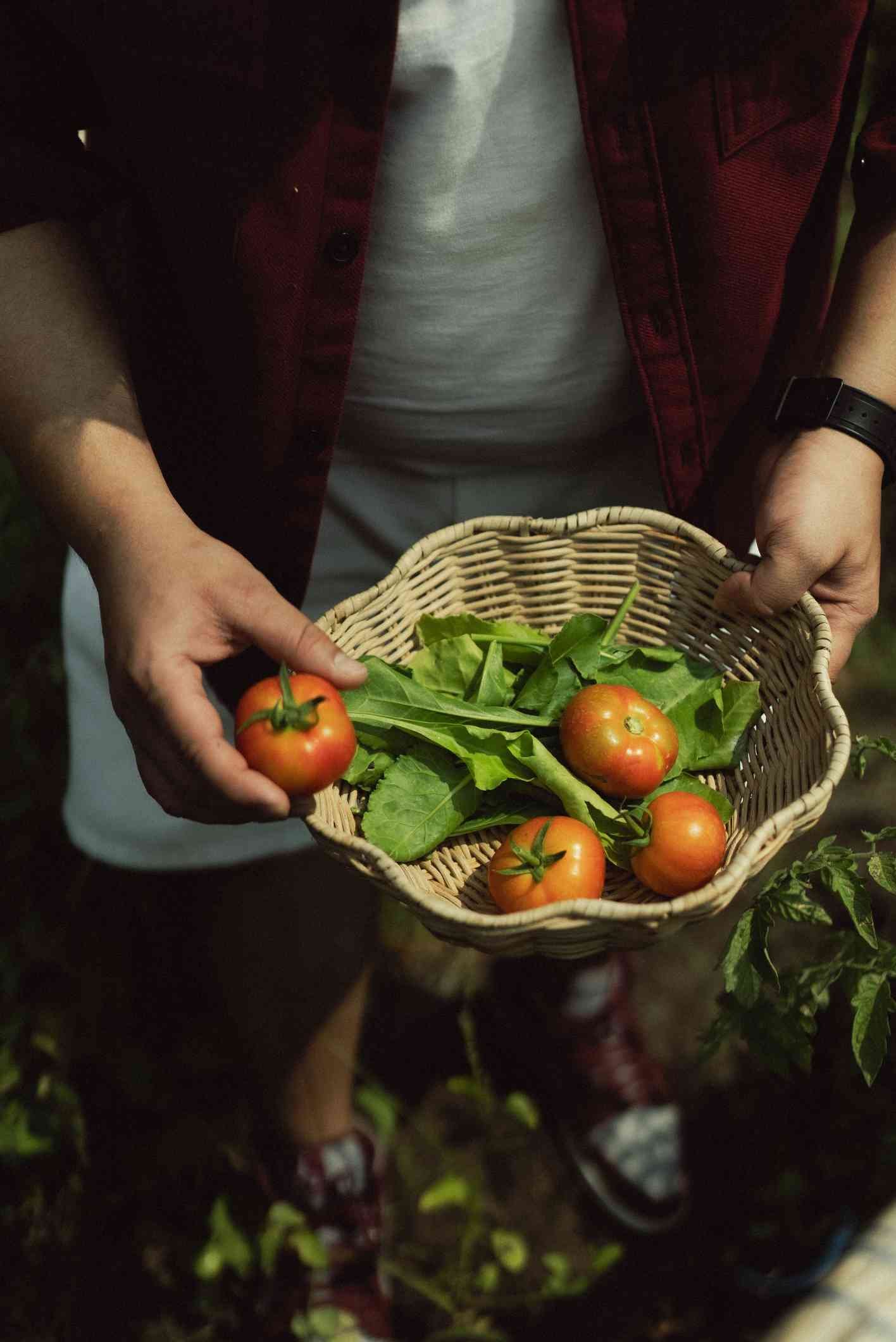
Water stewardship is perhaps the single most important factor in building climate resilient farms.
As rainfall patterns become increasingly unpredictable, farmers cannot afford to think only about how much rain falls. We must think about how much of that rain stays on the land. One of the principles that greatly influenced our thinking at Ervana was the idea that a portion of every farm should be dedicated to water harvesting through swales, trenches, percolation tanks, ponds, and lakes. The goal is simple. Slow the water, spread the water, and allow it to recharge the landscape.
When we first began sharing these ideas with neighboring farmers, there was understandable skepticism. Water harvesting structures require both land and long term thinking, which can be difficult when immediate agricultural needs are pressing. Instead of trying to convince people through words, we asked a simple question. If excess rainwater was leaving their land, would they allow it to flow into ours through a network of channels and hume pipes?
Many agreed.
That water eventually found its way into a one acre lake we had created at Ervana. What happened next became an eye opener not only for us, but for the surrounding community. The lake filled rapidly during the rainy season, nearby groundwater conditions improved, wildlife began gathering around the water body, and the stored water created opportunities for agriculture during drier periods.
The experience reinforced a belief I hold strongly today. Water conservation is not merely about storing water. It is about restoring the entire relationship between rainfall, soil, biodiversity, and farming. If we want farms to withstand the challenges of a changing climate, we must learn to treat every drop of rain as a resource rather than runoff.
At Ervana, we see water stewardship not as an environmental initiative, but as the foundation upon which resilient landscapes and resilient communities are built.
The return of wildlife, including nearly 70 deer and numerous bird and pollinator species, is extraordinary. What does biodiversity mean to you as a farmer, and why should it matter to everyone—not just those working on the land?
As a farmer, biodiversity means balance.
In the short term, wildlife can sometimes feel like a challenge. Deer may feed on crops, birds may consume fruit, and sharing the landscape with nature often requires patience. However, as the ecosystem matures, you begin to understand that every species has a role to play.
The deer we see today feed not only on crops but also on the abundance of vegetation that a healthy landscape produces. Their movement helps disperse seeds across the land, and their droppings contribute organic matter and nutrients back into the soil. In many ways, they become active participants in the regeneration process.
The same is true for other species. Peacocks help maintain ecological balance by feeding on insects and small reptiles. Pollinators such as bees play a critical role in improving the productivity of many crops. Birds contribute to seed dispersal, while countless microorganisms beneath the soil work continuously to recycle nutrients and support plant health.
What fascinates me is how these relationships create a natural flywheel. The more biodiversity the landscape supports, the more resilient it becomes. Over time, nature begins to perform many of the functions that would otherwise require human intervention.
That is why biodiversity should matter to everyone, not just farmers. The food we eat, the water we depend on, and the health of our environment are all connected to these natural systems. When biodiversity declines, we become increasingly dependent on artificial solutions. When biodiversity thrives, nature does much of the work itself.
At Ervana, our vision is not simply to grow crops. It is to create an ecosystem where plants, animals, insects, birds, and people can coexist in a way that strengthens the whole. To me, that is what true sustainability looks like.
Ervana is as much about people as it is about the environment, working with local farmers, artisans, and communities. How do you ensure that sustainability also creates meaningful livelihoods and preserves regional knowledge?
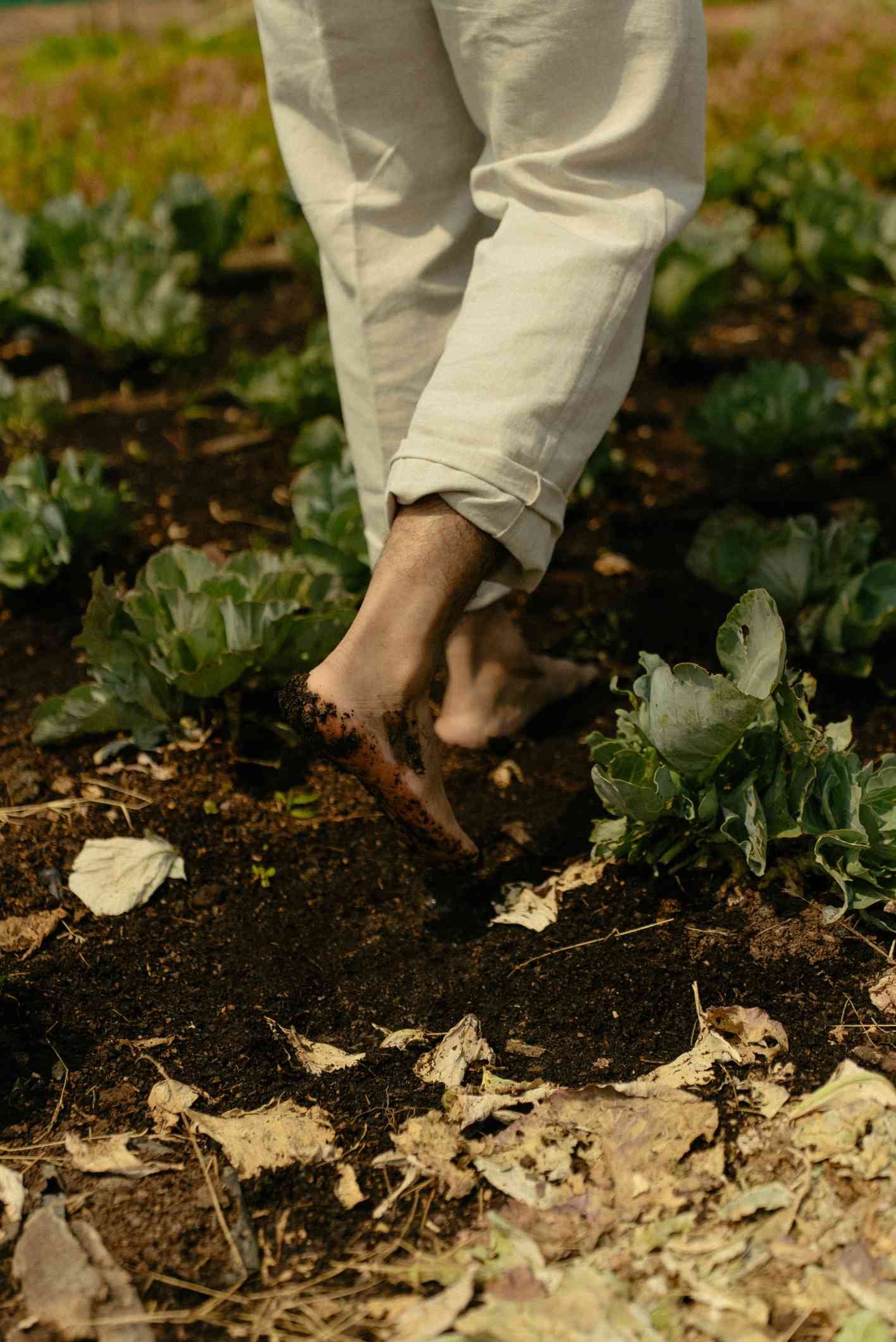
For us, sustainability is not only about restoring land. It is also about restoring confidence in the people who depend on that land.
One of the biggest challenges facing farmers today is not the lack of sustainable farming techniques. It is the lack of reliable markets that reward those efforts. Many farmers would be willing to adopt regenerative and organic practices if they had confidence that someone would value and purchase their produce at a fair price.
That belief shaped the way we built Ervana.
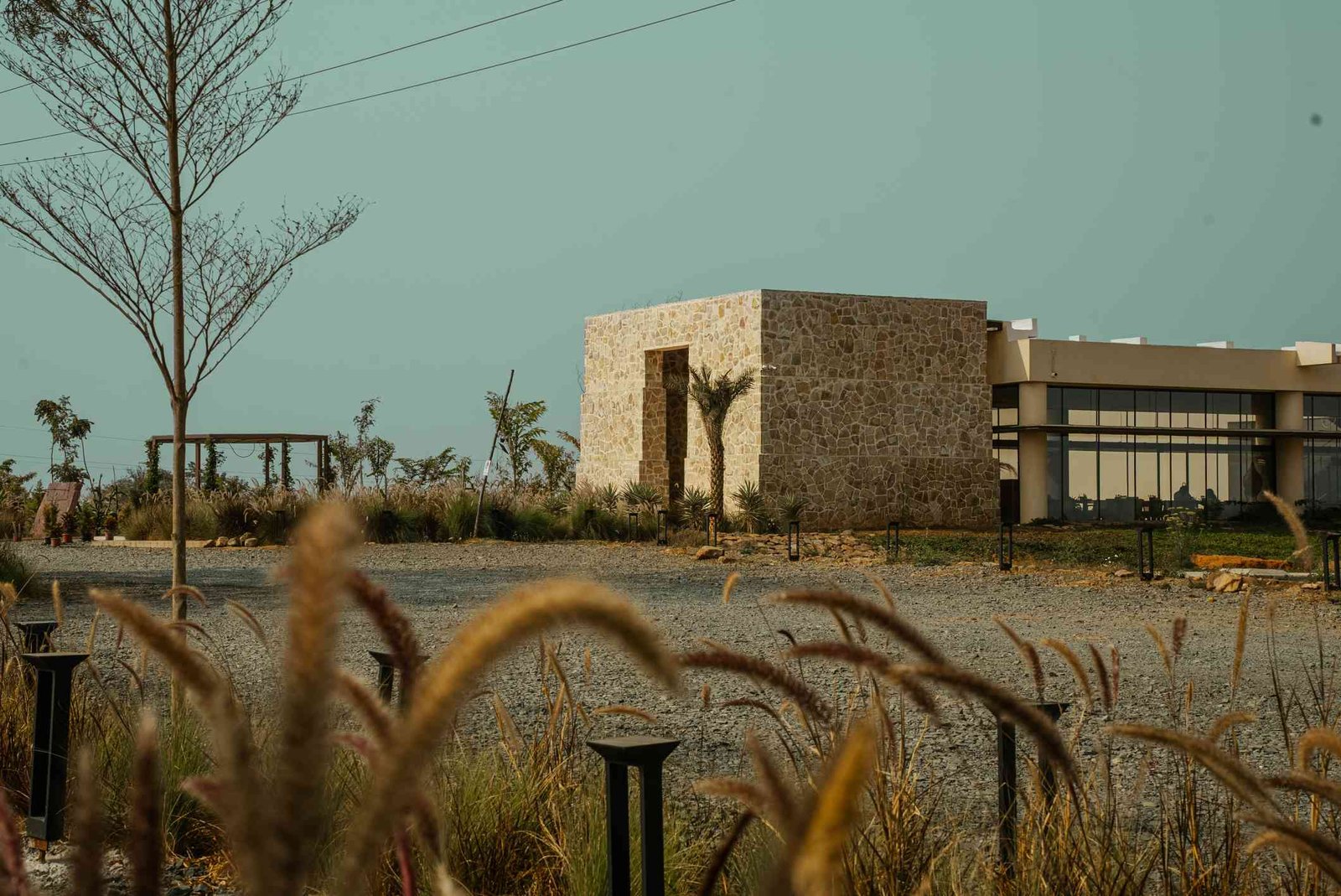
From the very beginning, we wanted to create a complete ecosystem rather than just a farm. This led to the creation of Sila Farmside Dining, situated on NH44 between Hyderabad and Bengaluru. Sila serves as a gateway to Ervana and allows us to directly connect what is grown on the farm with what is served on a guest’s plate. By creating a farm to fork model, we are demonstrating that sustainable farming can have a viable and dependable market.
This is only the beginning. Our long term vision is to work alongside local farmers, build farmer producer networks, and support more growers in adopting regenerative practices by creating stronger market linkages and sharing the lessons we have learned on our own land.
At the same time, sustainability is also about preserving regional knowledge and culture. While building Ervana, we created spaces such as an amphitheatre with the intention of celebrating the stories, art forms, and traditions of Rayalaseema. We hope to create opportunities for traditional artists, storytellers, Veeranatyam performers, and Urumu dance to keep these cultural expressions alive for future generations.
We are also working towards hosting workshops for farmers, students, and children to create a deeper understanding of agriculture, ecology, and life on the land. Equally important is recognizing the craftsmanship that built places like Sila, from stone artisans to traditional builders whose skills are becoming increasingly rare in the modern world.
Ultimately, our vision for Ervana is simple. We want to prove that when nature prospers, people can prosper alongside it. A truly sustainable future is one where the land, livelihoods, knowledge, and culture of a region grow stronger together.
Many young people are rethinking their relationship with food, farming, and nature. What advice would you give to the next generation looking to become custodians of the land rather than simply consumers of it?
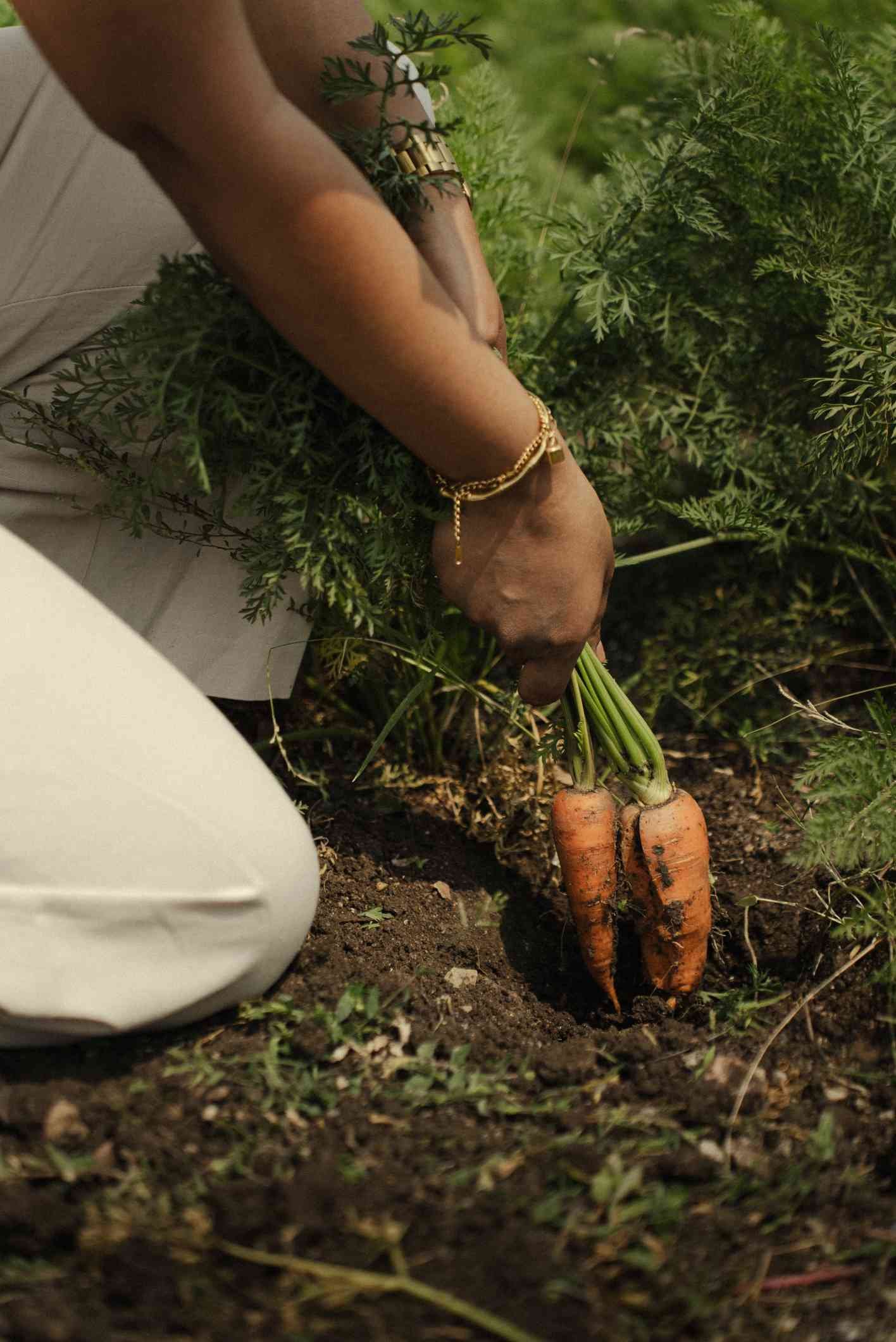
My advice to the next generation is to develop a deeper relationship with food, farming, and nature, but to do so with both passion and realism.
Today, there is a growing trend that portrays farming as a simple path to prosperity. We often see stories suggesting that a small piece of land can generate extraordinary returns. While these stories may inspire people to reconnect with the land, they can also create unrealistic expectations.
The reality is that farming is one of the most demanding professions in the world. It requires patience, long term commitment, continuous learning, and constant reinvestment. Nature does not operate on the timelines of instant gratification. Crops, soil, water, and ecosystems all require time to mature and respond.
I am encouraged that many young people are becoming more interested in understanding the connection between food, wellness, and the environment. However, before entering agriculture, it is important to understand both its opportunities and its challenges. Someone pursuing farming as a passion project may have a very different experience from someone whose livelihood depends entirely on it.
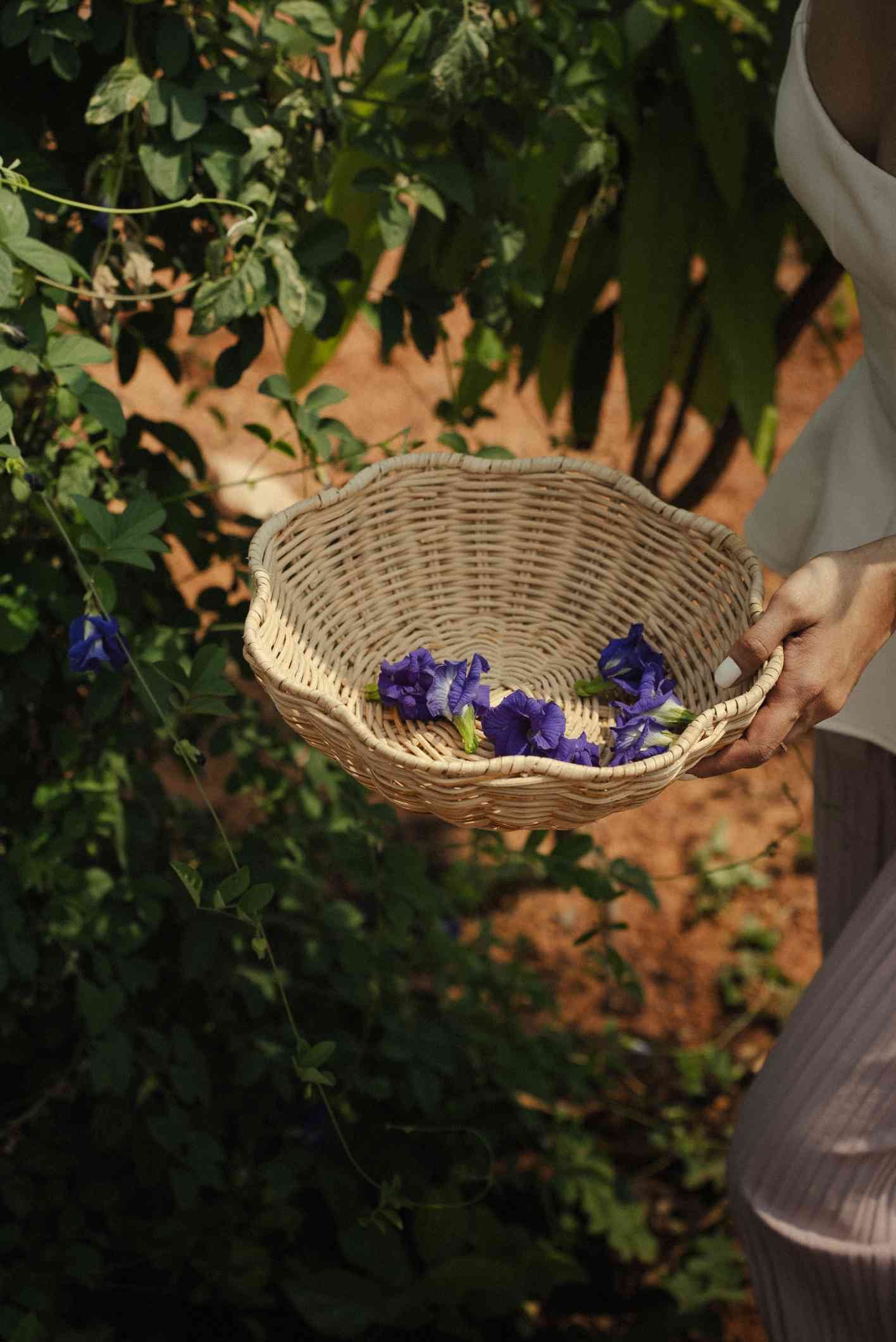
At Ervana, we see ourselves as an ongoing experiment in understanding and demonstrating these realities. We want to showcase both the beauty and the complexity of farming. The successes are worth celebrating, but the challenges are equally important to acknowledge.
For those who wish to become custodians of the land, my advice is simple. Spend time on farms. Observe nature closely. Learn from farmers. Understand the economics, ecology, and effort involved before making decisions. The goal should not be to make farming appear fashionable. The goal should be to respect it, support it, and improve it for future generations.
The future needs more people who understand the value of the land, whether they become farmers themselves or simply make conscious choices as consumers. Stewardship begins not with ownership of land, but with understanding our dependence on it.