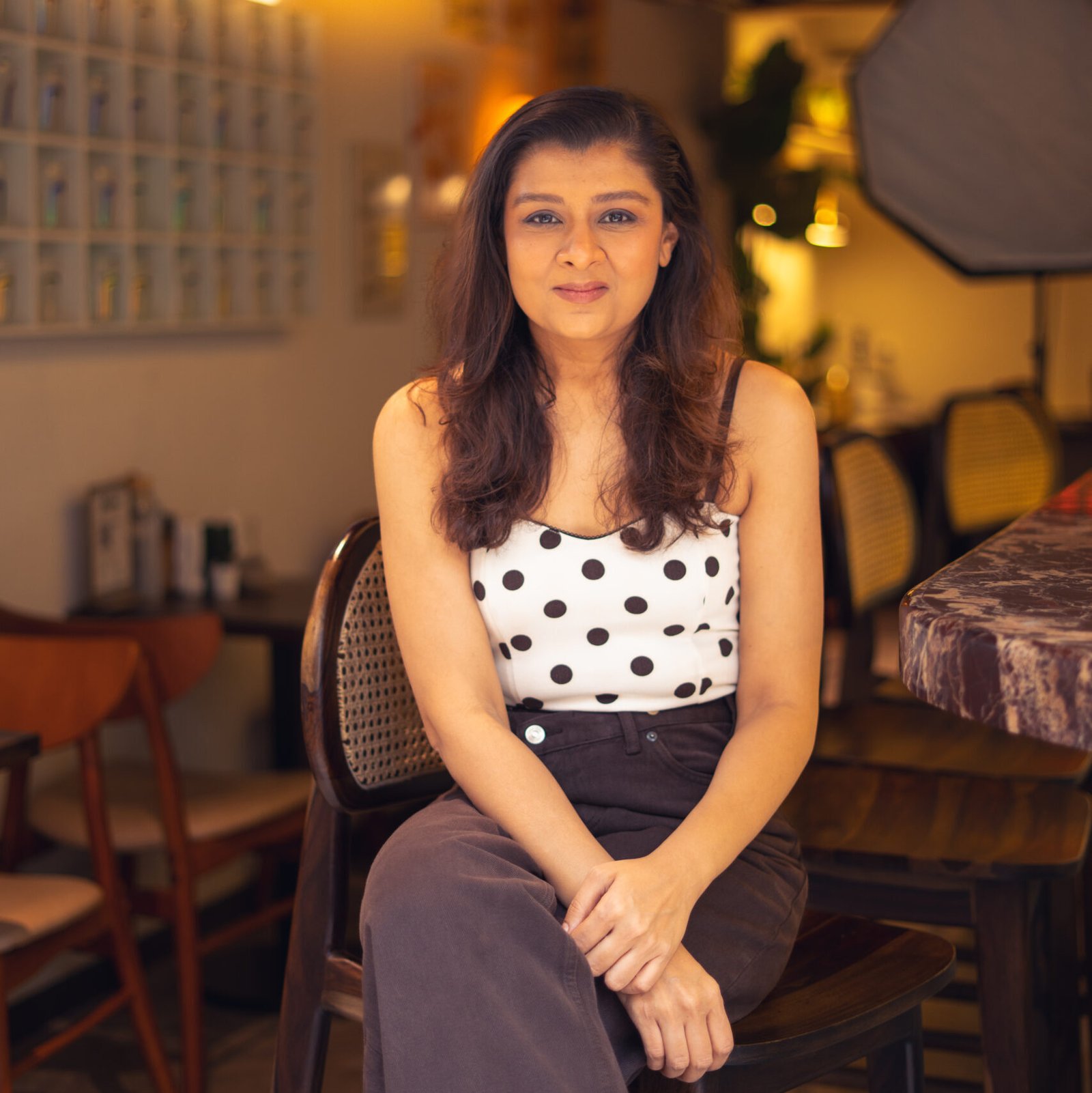
Rashi Morbia Kumar & The Nook
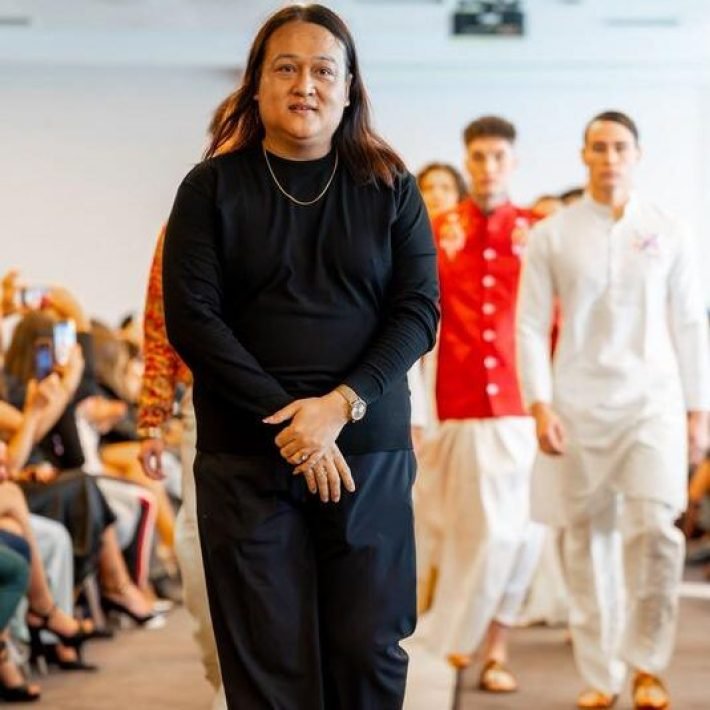
There was a time when stepping out meant stepping into life — meeting friends, lingering over coffee, discovering a new bar, falling into an unexpected conversation, or simply being somewhere without an agenda. Today, we carry entire social lives in our phones, yet somehow, genuine connection feels increasingly elusive. It is this quiet paradox that Rashi Morbia Kumar is attempting to answer with The Nook.
In the bustling, ever-evolving landscape of Bandra, where cafés and bars appear almost overnight, The Nook has chosen a rather different proposition. It isn’t chasing the loudest trend, the most Instagrammed corner or the most perfectly polished hospitality experience. Instead, it has carved out something far more intimate — a “third space” between home and work where coffee, cocktails, culture, creativity and conversation can coexist.
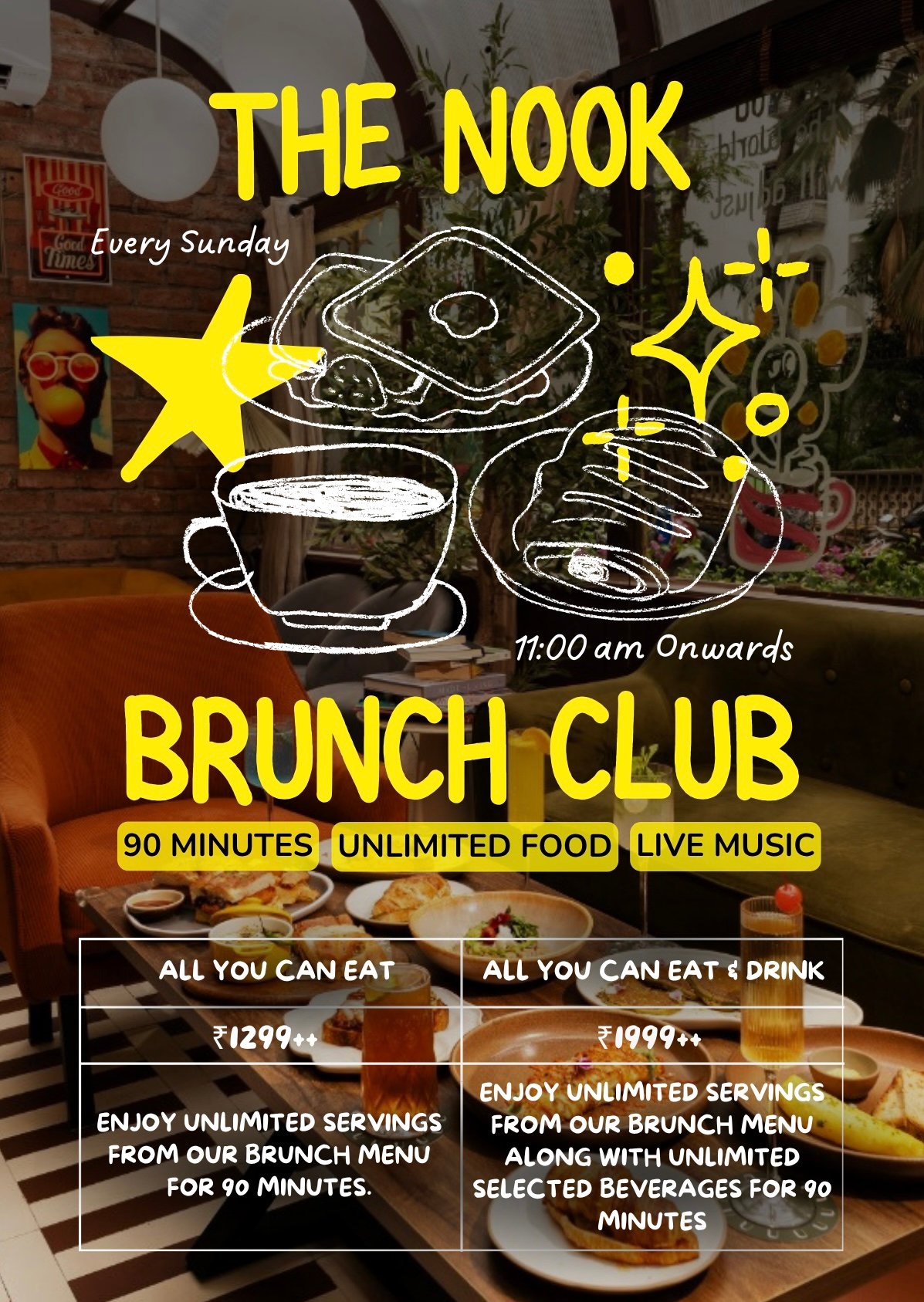
What began with Rashi’s simple love for hosting has gradually evolved into a hospitality concept with something increasingly rare at its heart: a sense of belonging. People come to The Nook for the coffee and cocktails, certainly, but they also come for workshops, music, events, conversations, celebrations and, sometimes, for absolutely no reason beyond wanting to be somewhere that feels good.
And perhaps that is what makes Rashi’s story so compelling. She describes herself as deeply shy and introverted — hardly the obvious personality one might associate with building a community-driven hospitality brand. Yet The Nook has required her to do precisely what once lay outside her comfort zone: talk to strangers, build relationships, experiment, take risks, fail, rethink and show up again.
Her approach to design and programming is equally personal. From moving furniture and refreshing corners to personally creating event creatives, seasonal menus and handwritten notes, Rashi resists the idea that hospitality needs to be flawlessly manufactured. She prefers it human, slightly imperfect and honest. In her world, a space doesn’t have to appeal to everyone. It simply has to mean something to the people who find themselves inside it.
In an exclusive interview with Sumita Chakraborty, Founder & Editor-in-Chief, TheGlitz, Rashi Morbia Kumar opens up about building The Nook, the loneliness of our hyper-connected world, trusting her instincts as a woman entrepreneur, creating a community rather than simply ta customer base, and why, ultimately, The Nook isn’t her product — the human connection is.
Over To Rashi Morbia Kumar
The Nook is often described as a “third space” rather than simply a café or bar. In an increasingly digital world where genuine human connection feels rarer than ever, what made you start The Nook, why do you believe spaces like The Nook have become so important, and what emotional need are they fulfilling today?
I’ve always loved hosting people, so starting The Nook felt like a natural extension of who I am. But beyond that, I genuinely believe spaces like this are the need of the hour.
As a millennial, I grew up at a time when meeting people meant getting out of the house. We made plans, met friends, spent hours talking, and that was just how life was. Today, we’re more connected than ever online, yet people seem lonelier than ever. Somewhere along the way, staying in became the norm.
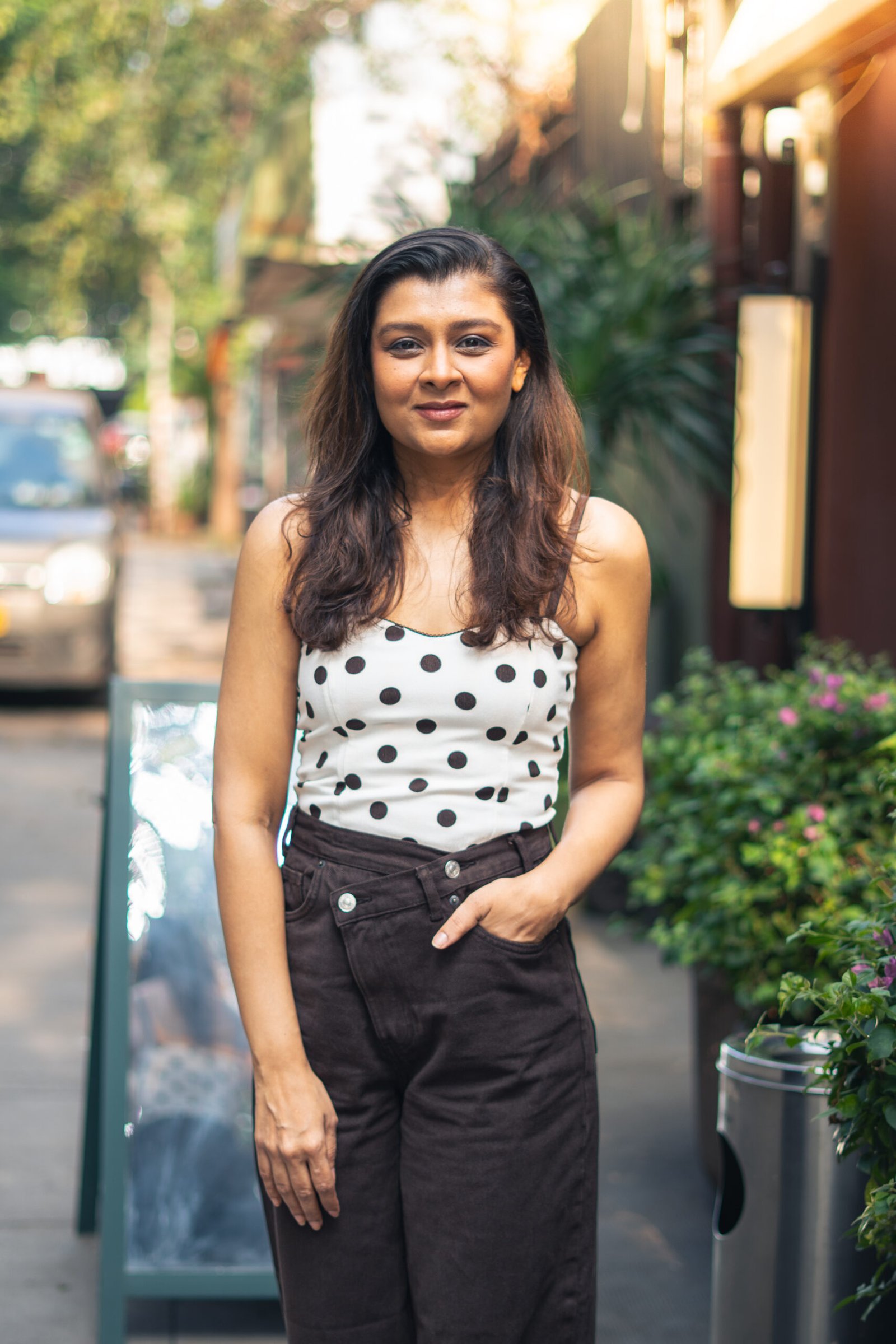
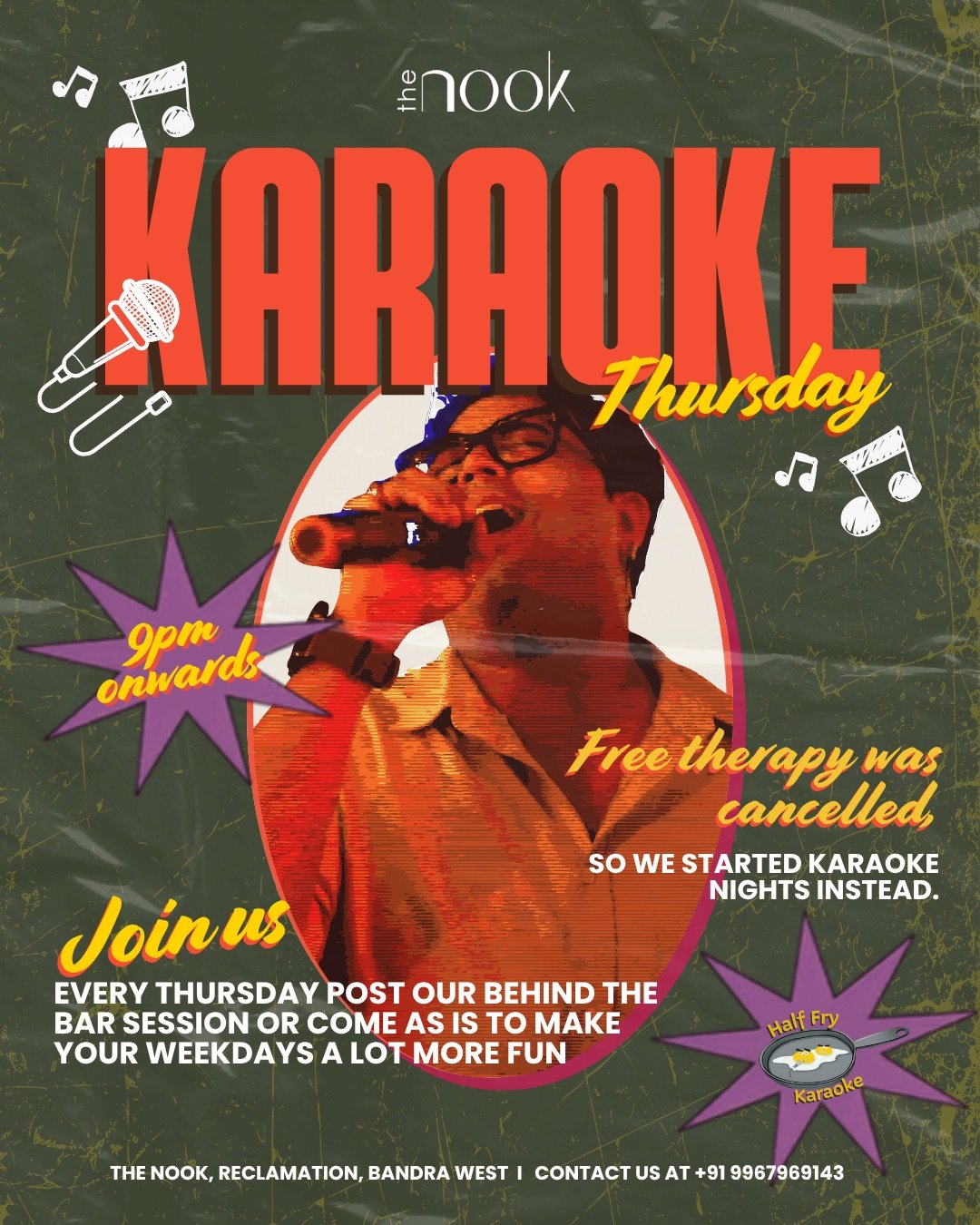
I think we’re now seeing people consciously trying to change that. They’re looking for reasons to step out, reconnect, and experience things in person again. That’s exactly what The Nook is about. It’s never been just a café or a bar, it’s a place where people can gather over coffee, cocktails, music, workshops, or simply a good conversation.
We’re constantly experimenting with new menus, events, and experiences to keep giving people a reason to come back. Sometimes they work brilliantly, and sometimes nobody shows up, and that’s okay. Building a community means continuing to try, learn, and create spaces where people feel they belong. That’s always been more important to me than simply running a hospitality business.
Before The Nook became one of Bandra’s most talked-about hospitality destinations, it began as a place born out of your love for hosting. Looking back, what was the defining moment when you realised you weren’t just creating a venue, but building a community?
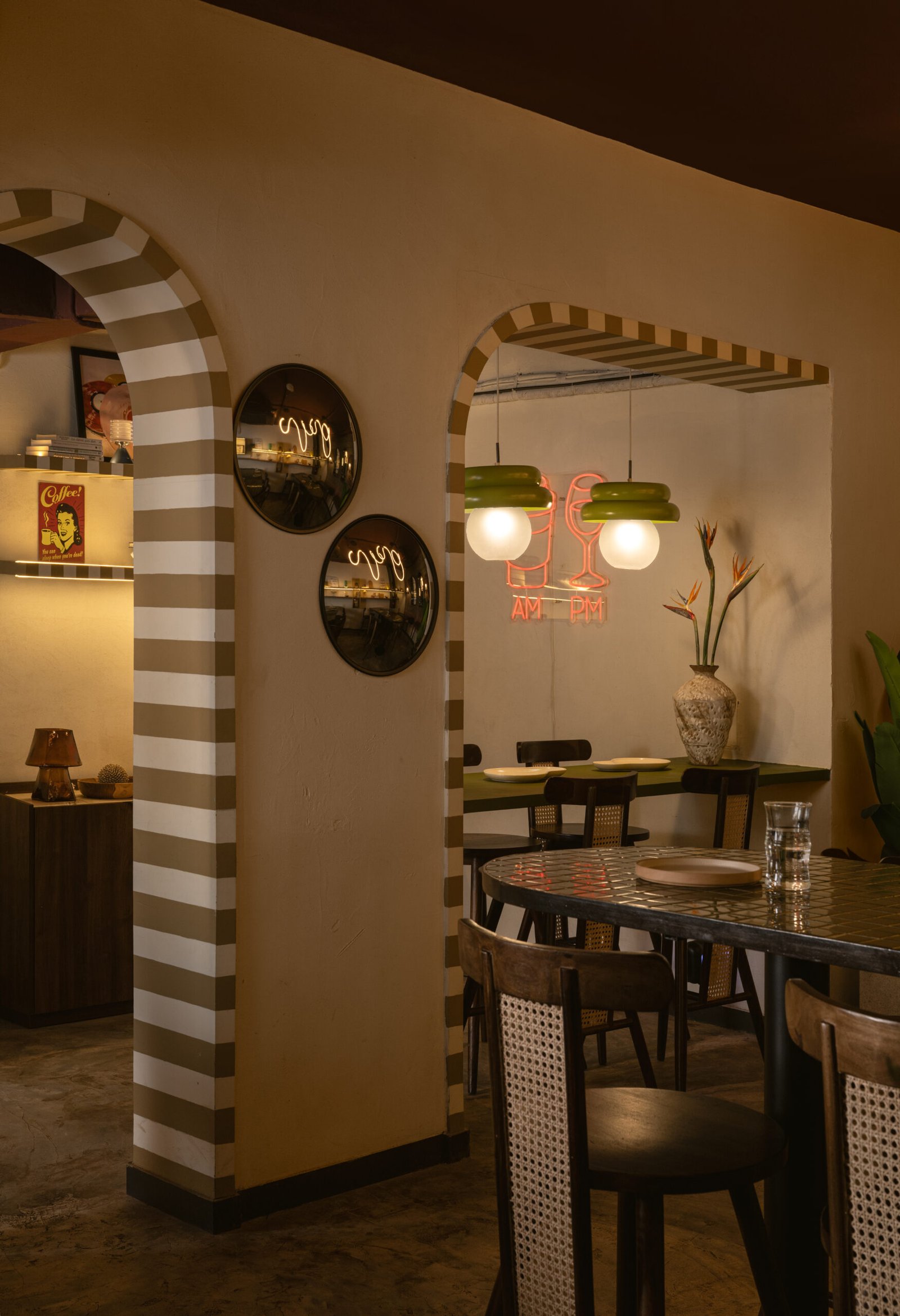
There wasn’t one defining moment, it happened gradually. Very early on, I realised I didn’t want to build just another café or bar. It had to have soul. My vision for The Nook has never been purely about revenue or opening a business and eventually losing interest. I’m deeply invested because I want it to represent a feeling, a place people genuinely connect with and want to be a part of.
On a personal level, The Nook has challenged me too. I’m an extremely shy and introverted person, so networking or striking up conversations with guests has never come naturally. In many ways, building this space meant pushing myself out of my comfort zone every single day. Watching those conversations happen, seeing strangers become regulars, and slowly building a community despite starting with almost no connections has been one of the most rewarding parts of the journey.
For me, that’s been far more meaningful than simply counting how many people walk through the door.
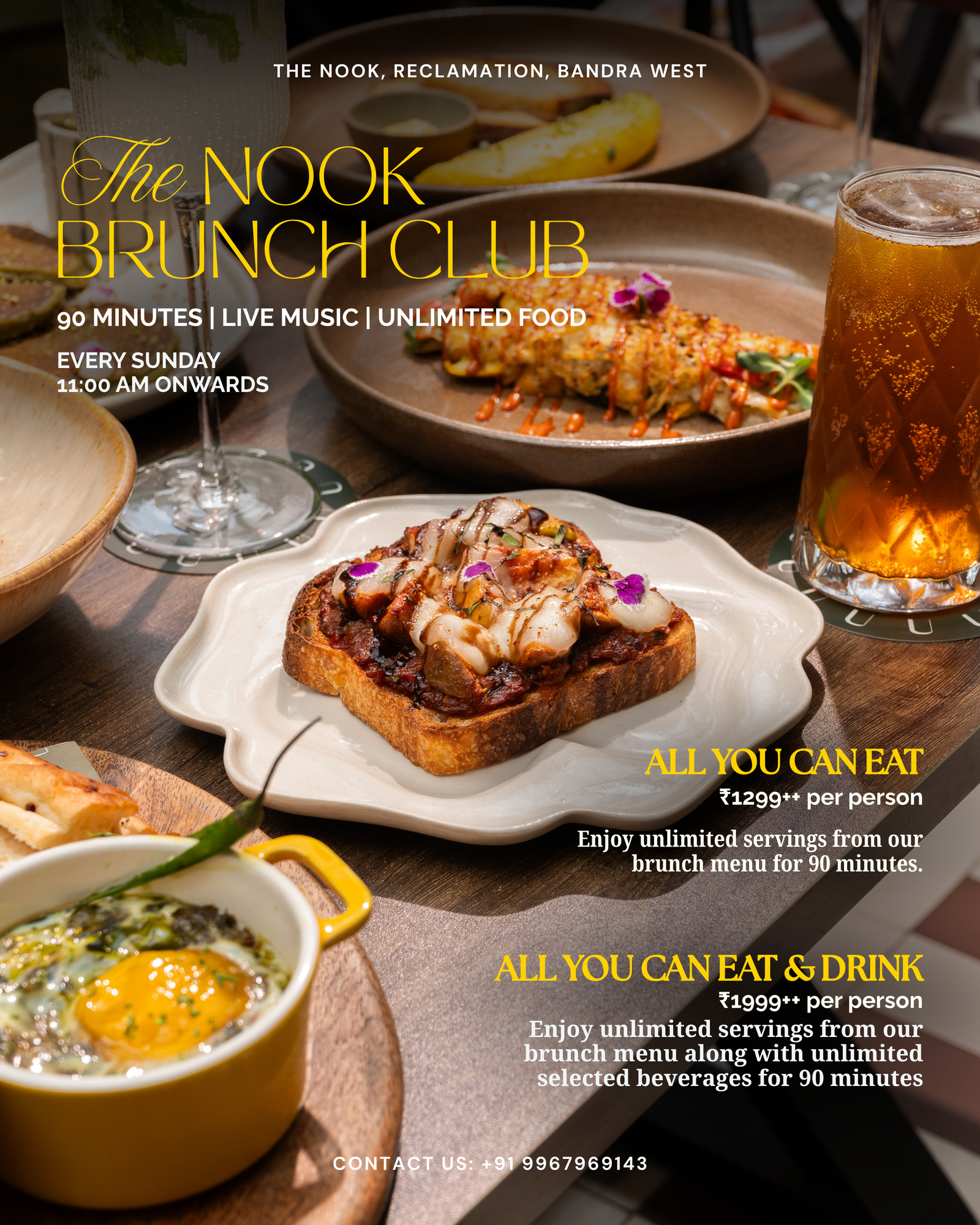
Today’s consumers are no longer just looking for great coffee or beautifully crafted cocktails, they’re searching for experiences and a sense of belonging. How do you consciously design every aspect of The Nook, from the ambience to the programming, to make guests feel like they’re part of something larger?
I’ve been very intentional from day one about making The Nook feel less like a perfectly designed commercial space and more like a home away from home. Every detail, from the seating and the artwork to the music and the overall vibe, is chosen with that feeling in mind. I personally design our event creatives, seasonal menu’s and even handwritten notes because I want everything to have a human touch.
I’m also someone who loves changing things around. You’ll often find me moving furniture, adding new art, or refreshing little corners of the space. It keeps me excited, and I think it gives our regulars something new to discover every time they visit.
I’ve never been too concerned with everything looking overly branded or perfectly polished. I actually like that it’s a little imperfect and honest, it feels more real. I know that approach won’t appeal to everyone, and I’m completely okay with that. I’d rather create a space that people genuinely connect with than try to be everything to everyone.
Hospitality is often measured through footfalls and revenue, but the most memorable spaces are built on stories and relationships. What have been some of the most unexpected or heartwarming moments at The Nook that reaffirmed your vision of creating a community-first destination?
There have been so many moments that remind me why we started this.
One of the most heartwarming moments is when people come up to me just to say, “Thank you for opening this place,” or tell me how much they love the coffee, food, drinks, and the overall experience.
We’ve already built a community of regulars, and it’s incredibly rewarding to see familiar faces walk in week after week. What fills my heart the most is seeing people of all ages from two-month-old babies to senior citizens, enjoying the space together. Watching people connect, celebrate, or simply spend quality time here is exactly what I envisioned.
Those moments mean more than any commercial value. They’re what keep me going and remind me why I started The Nook in the first place.
Mumbai has no shortage of cafés, bars and social spaces. What, in your opinion, is the biggest misconception about running a hospitality business today, and what truly differentiates a place that people visit from one they keep returning to?
I don’t consider myself an expert in hospitality, and I don’t pretend to have all the answers. I’m learning, growing, and evolving every single day. This has been a dream of mine for a very long time, and I’m incredibly grateful that I get to live it.
I don’t think there’s one formula for why people keep coming back. Every generation and every person has different reasons. Some people visit because a place is trending and has gone viral for a while on social media, some because they genuinely love the food or drinks, some because they feel emotionally connected to it, and others because of the relationships they build with the team or the comfort they feel there.
If there’s one thing I’ve learnt so far, it’s that people don’t become loyal to a place for just one reason. It’s the combination of the experience, the people, the atmosphere, and how the space makes them feel. That’s something you can’t measure on a spreadsheet, but it’s what makes a place part of someone’s life instead of just another place they visited once.
As a woman entrepreneur building a distinctive hospitality brand, what have been the biggest lessons in balancing creativity with commercial realities? Were there moments when you questioned your vision, and what kept you moving forward?
This is probably the toughest question for me because it’s hard to explain a mindset that not everyone will relate to. My biggest lesson over the last few years has been learning to drown out the noise—to stop seeking validation from others and trust my own instincts.
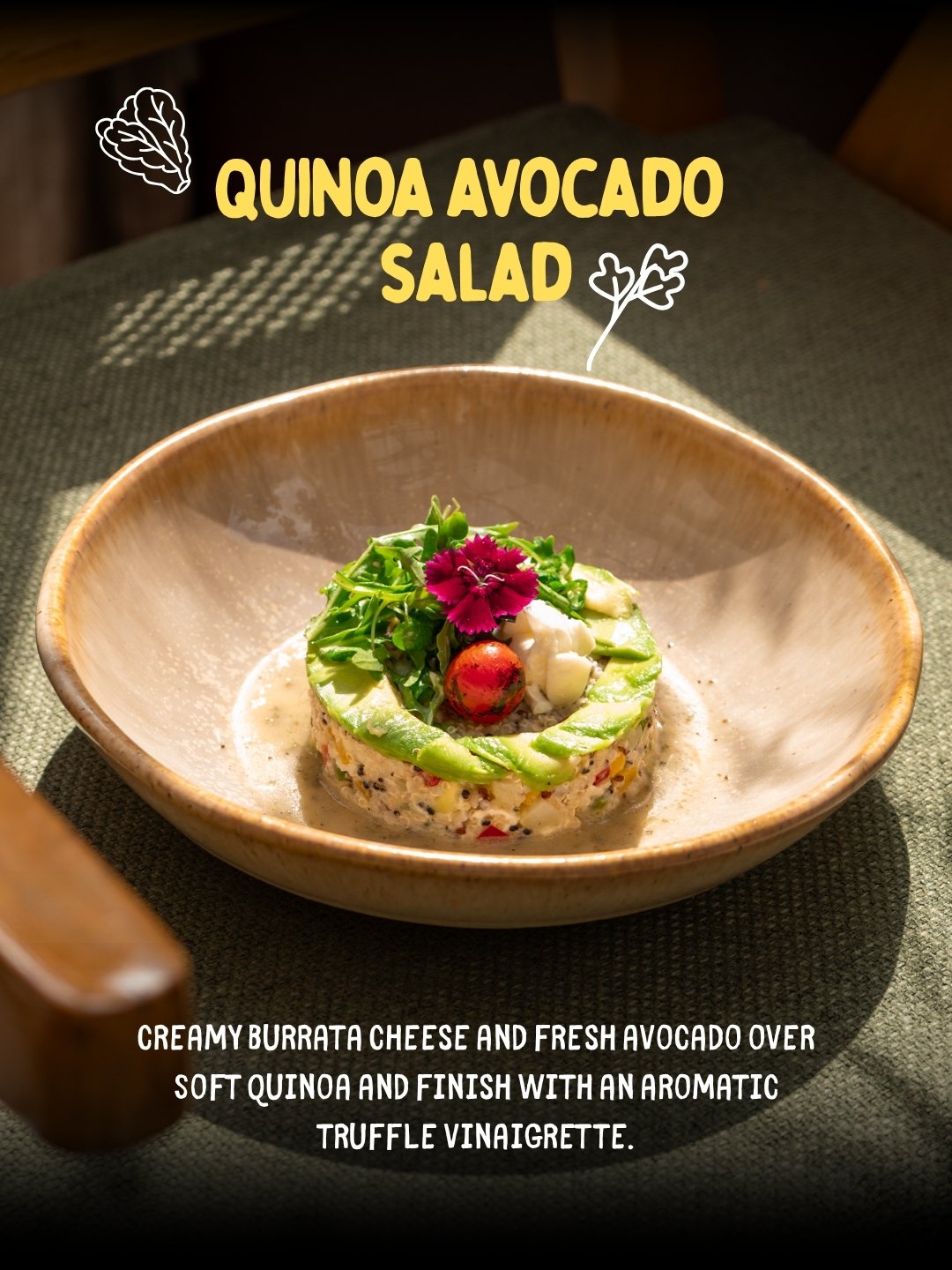
When you choose to build something that’s different, everyone has an opinion. I was told a vegetarian café and cocktail bar in Bandra would never work. I’ve heard that the concept wouldn’t last, that I needed to change the menu, or that I was doing things the “wrong” way. On top of that, there are days with no customers, events that nobody signs up for, and menu ideas that simply don’t work. That’s the reality of building a business.
But I’ve realised that if I let every opinion shape my decisions, I’d lose the very thing that makes The Nook what it is. I listen, I learn, and I adapt where it makes sense, but I don’t compromise the core vision. I’m also incredibly grateful to have the unconditional support of my family, which gives me the confidence to keep going.
I don’t think resilience is about never doubting yourself. It’s about showing up the next day, believing in what you’re building, and continuing anyway.
The Nook feels less like a business and more like an evolving cultural space. As you look to the future, what legacy would you like it to leave… not just within Mumbai’s hospitality scene, but in the way people think about community, connection and modern urban living?
I don’t know if I think about legacy in the traditional sense. If The Nook can simply remind people to step out, slow down, and spend real time with the people they care about, I’d be happy.
I hope people remember it as a place that gave them a reason to leave the house, whether it was for a coffee, a cocktail, an event, or just an unplanned conversation. A place where they celebrated birthdays, met new friends, worked on ideas, went on first dates, or found comfort on an ordinary afternoon.
More than anything, I hope The Nook proves that community isn’t something you can manufacture, it’s something you nurture, one person and one experience at a time. If years from now people remember it not just for what we served, but for how it made them feel, that would be the greatest success I could ask for. The Nook isn’t my product , the human connection is.