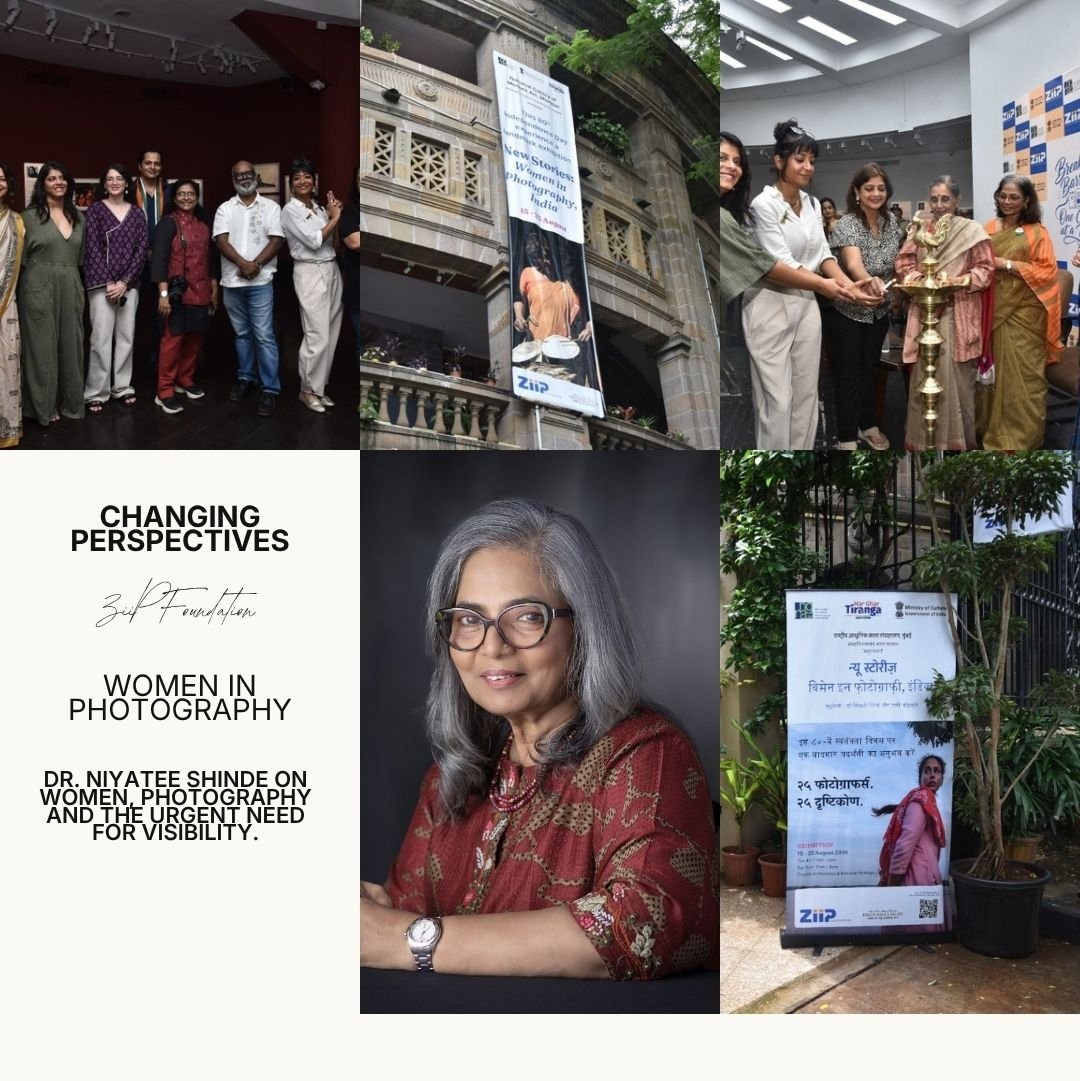
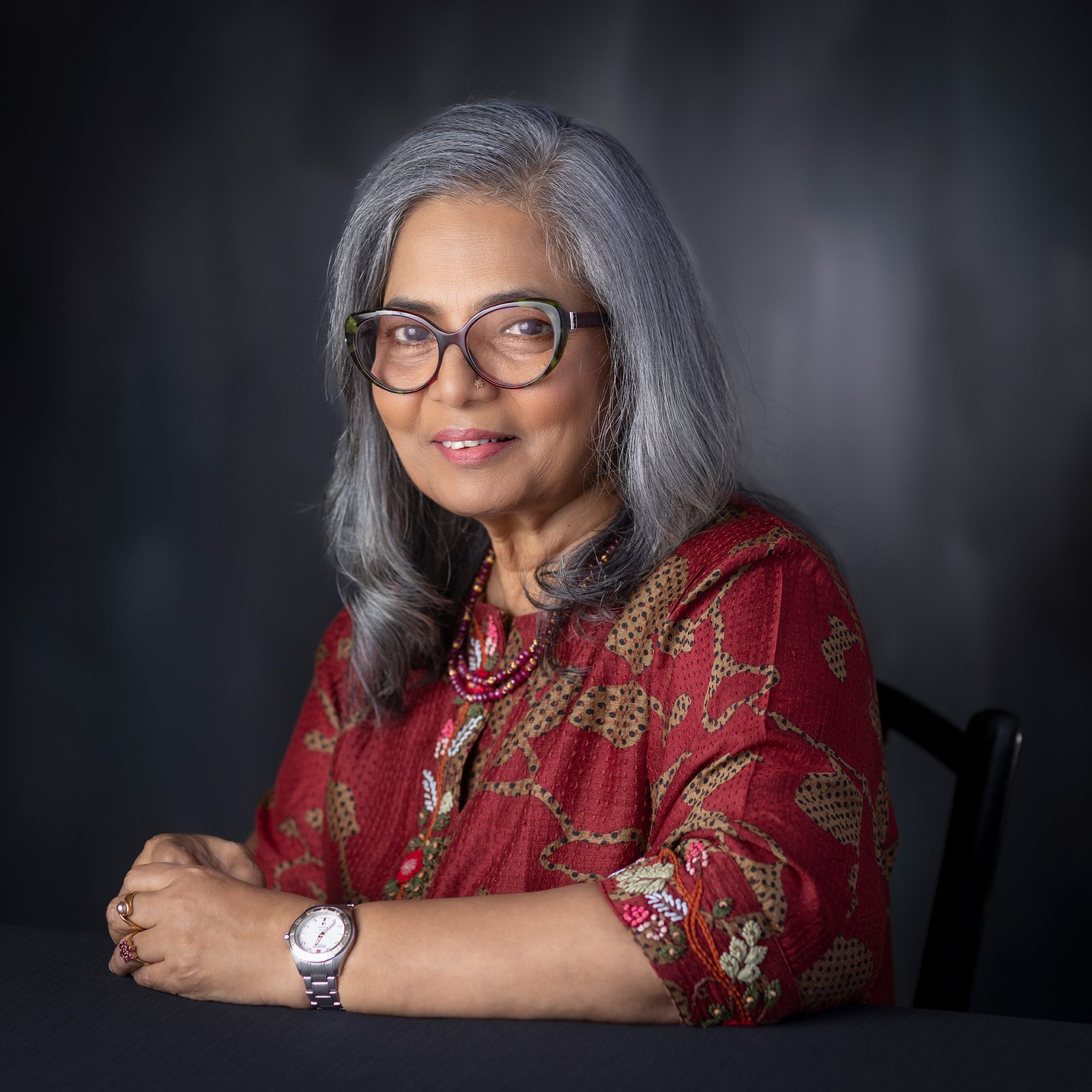
Dr. Niyatee Shinde, Founding Director, ZiiP Foundation
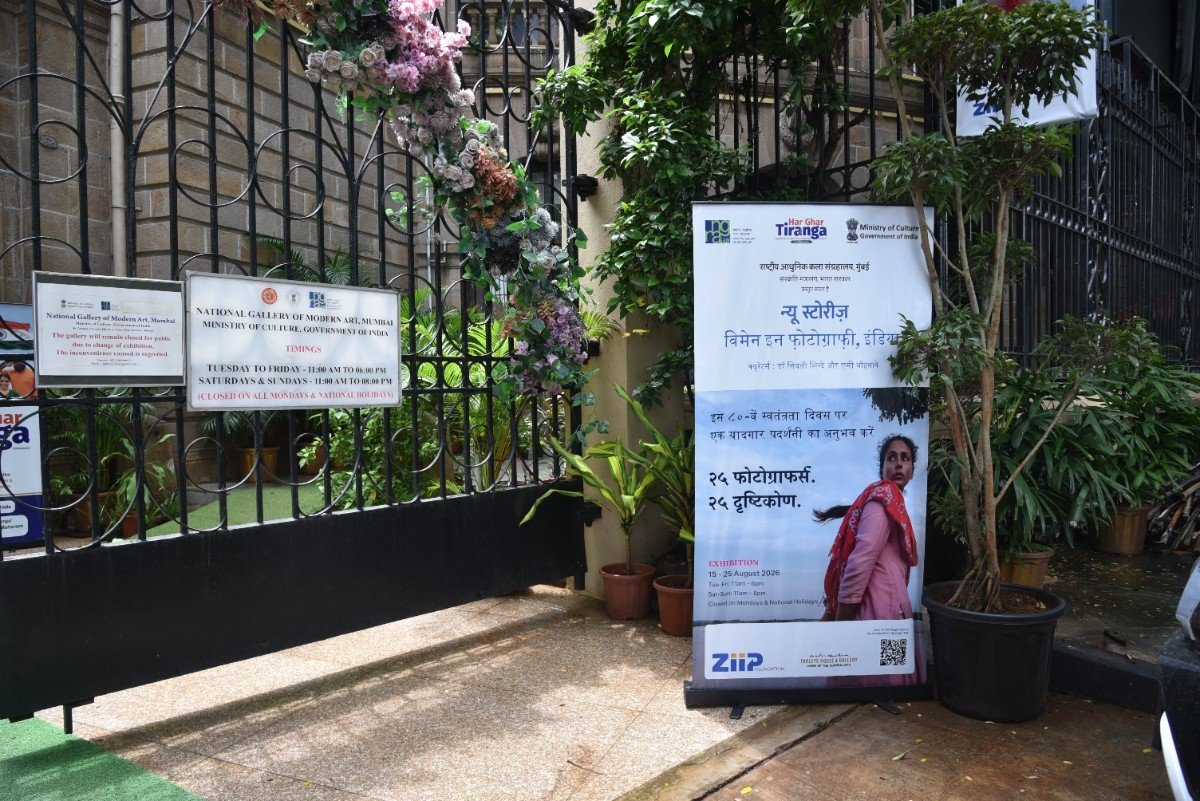
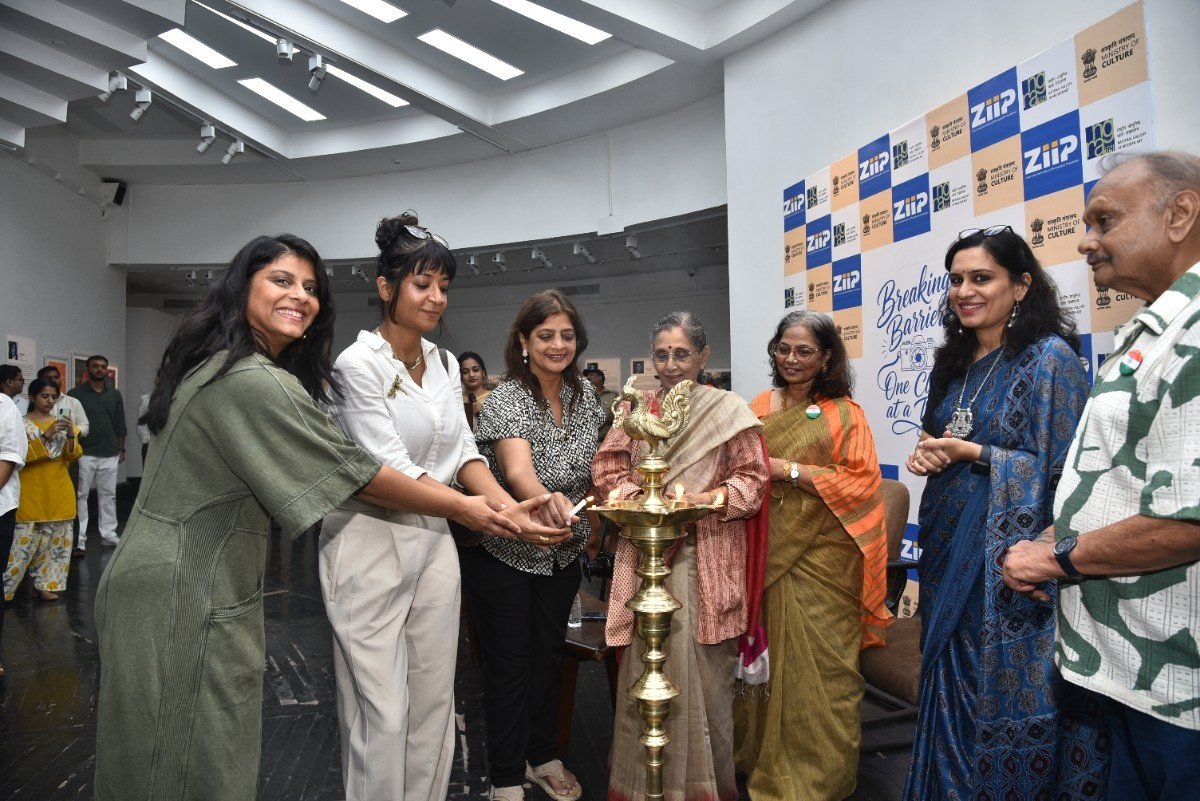
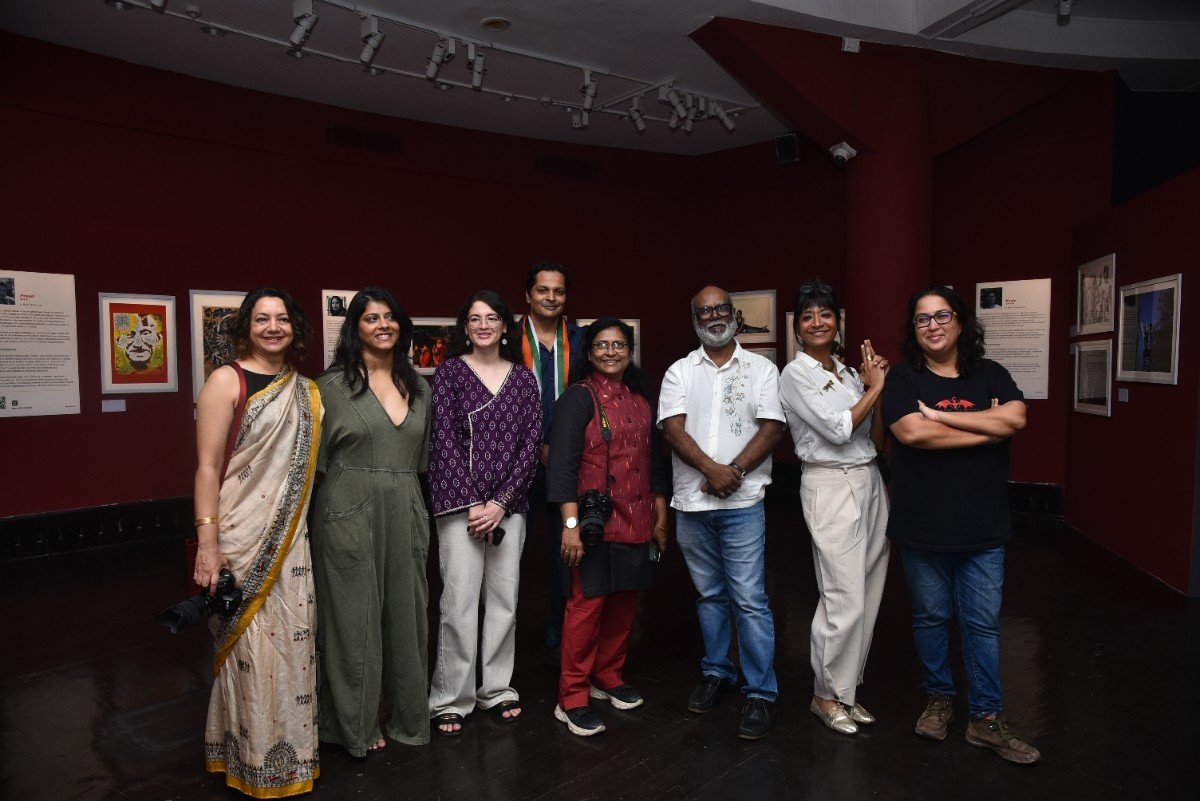
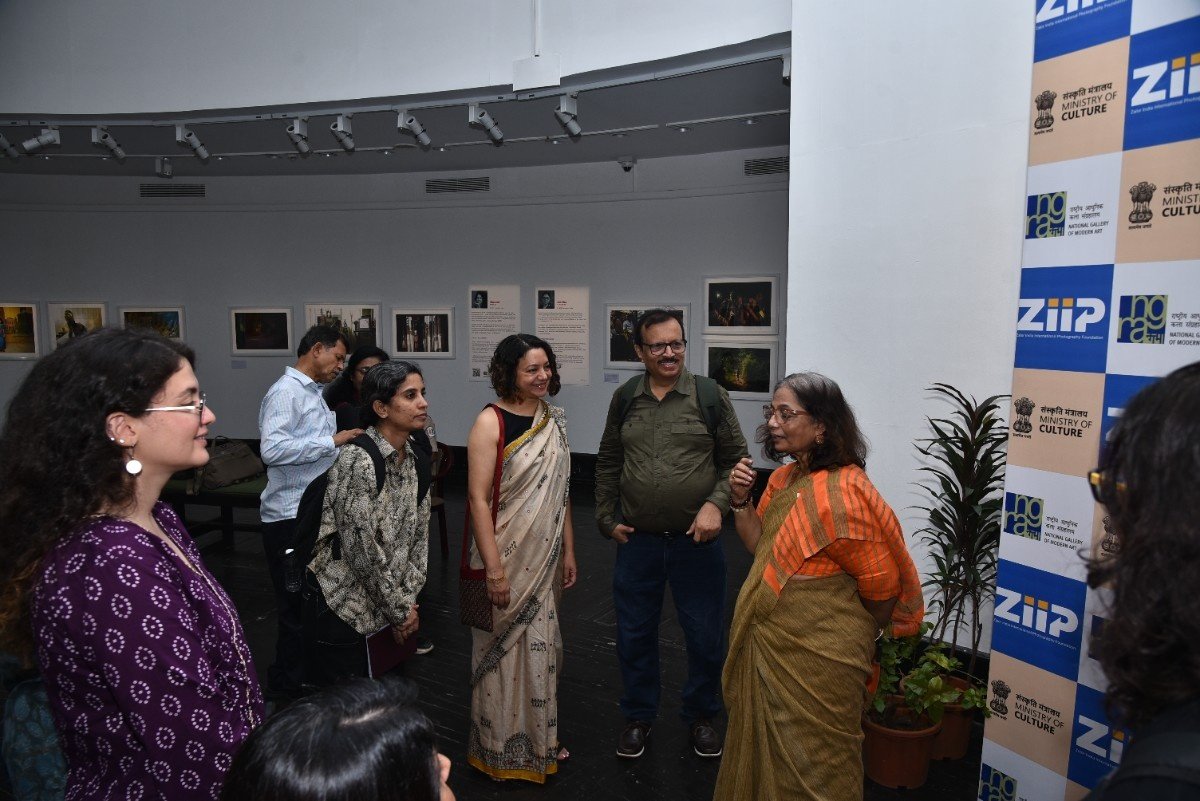
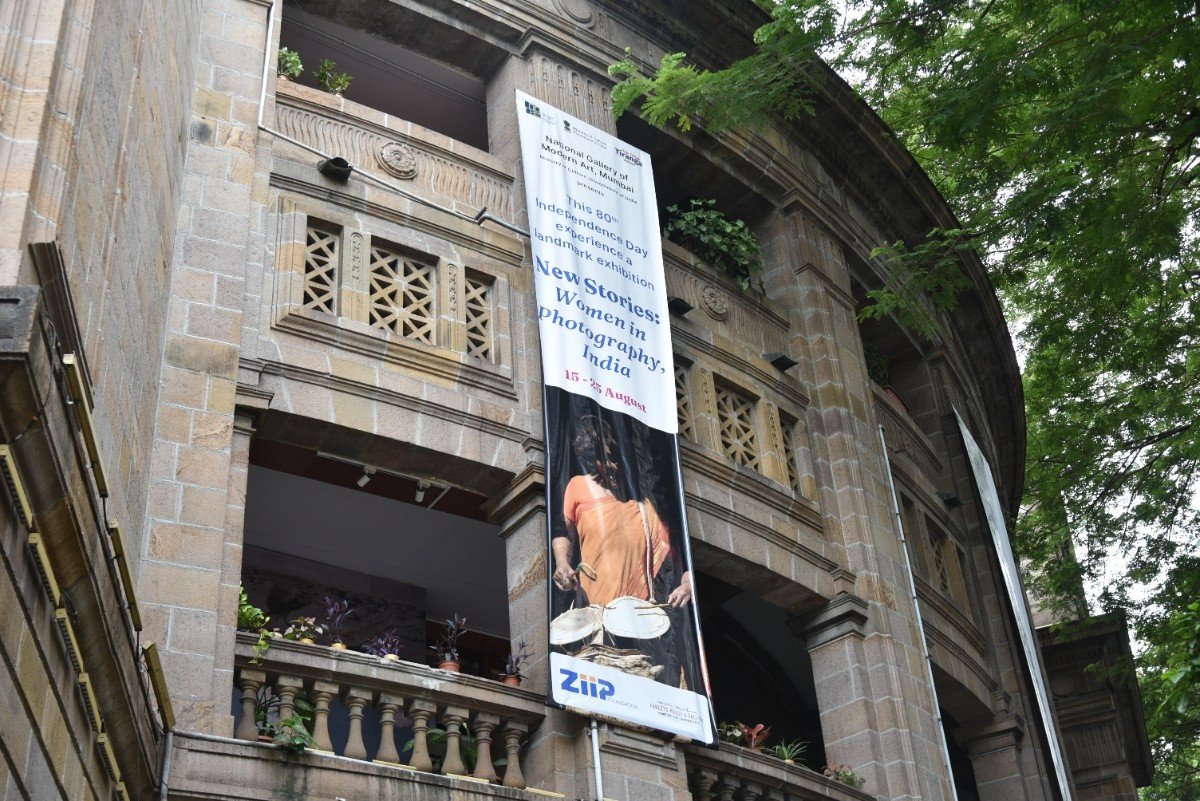
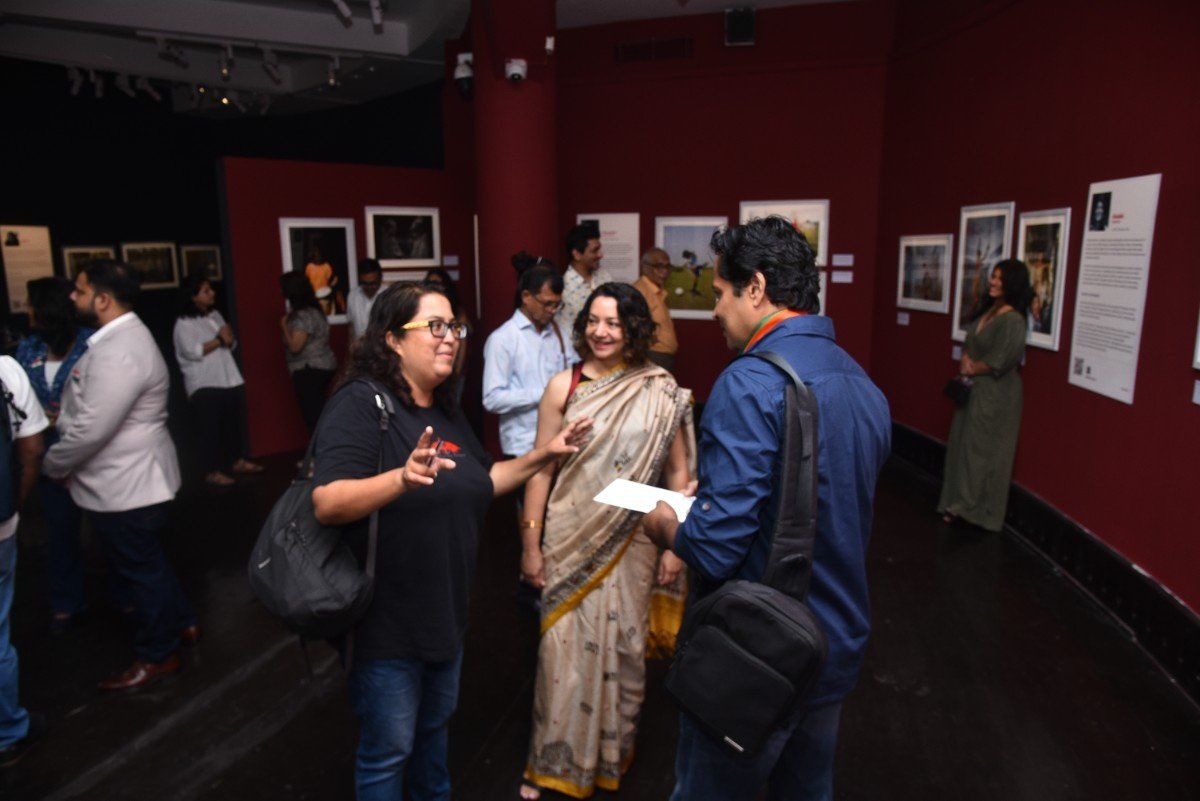
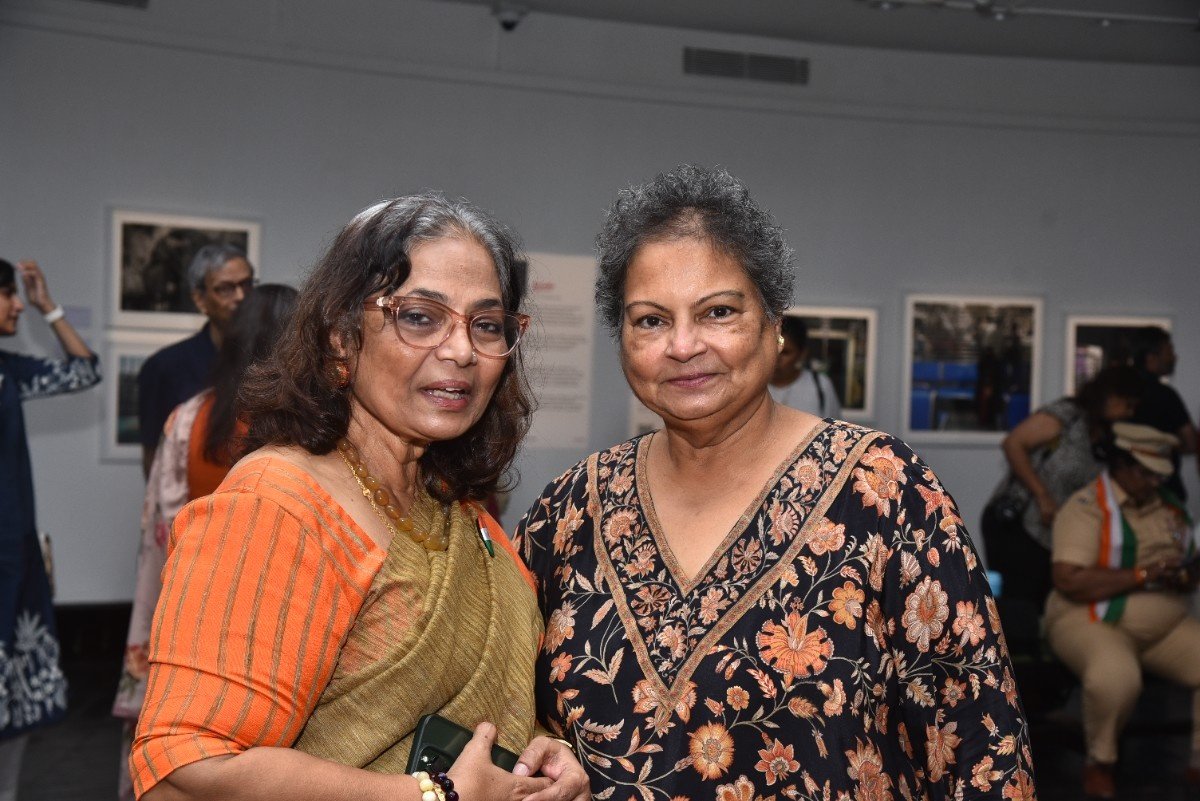
At a time when conversations around representation in the arts are becoming increasingly important, the ZiiP Foundation (Zalor India International Photography Foundation) has brought one of its most significant initiatives to India. Women in Photography (WiP), one of the Foundation’s flagship initiatives, makes its India premiere at the National Gallery of Modern Art (NGMA), Mumbai), from August 15 to August 25, bringing together the work of 25 Indian women photographers whose diverse practices explore identity, memory, environment, culture, resistance and belonging.
Curated by distinguished scholar, historian and Royal Photographic Society Award recipient Dr. Niyatee Shinde, Founding Director, ZiiP Foundation, WiP is conceived as far more than an exhibition. For Dr. Niyatee, the question is not simply how women photographers are represented, but whether they are being given the visibility, access and opportunities needed to build enduring careers. Through the ZiiP Foundation’s Women in Photography (WiP), she is challenging a deeply embedded imbalance… one where women may enter photography with passion and talent, but too often find their ambitions constrained by limited access, professional networks, commissions, institutional recognition and international platforms.
Her approach is refreshingly uncompromising: let the work lead. WiP deliberately moves away from the familiar hierarchy of celebrated names and emerging voices, placing merit, individuality and artistic intent at the heart of its curatorial philosophy. Its first edition brought together 25 women photographers, spanning generations, geographies, subjects and visual languages, and travelled from Farleys House & Gallery in the UK to NGMA Mumbai. Rather than prescribing a singular “female gaze”, Dr. Niyatee believes in something more nuanced… that every photographer brings an individual way of seeing, shaped by experience, instinct, curiosity and circumstance.
In this conversation with Sumita Chakraborty, Founder & Editor-in-chief, TheGlitz, Dr Niyatee Shinde, Founding Director, ZiiP Foundation, speaks about Women in Photography (WiP), dismantling old hierarchies, the importance of collective visibility, the idea of the female gaze, taking Indian photographic voices to the world… and why true representation must ultimately lead to structural change.
Over To Dr. Niyatee Shinde, Founding Director, ZiiP Foundation
Women in Photography is positioned as more than an exhibition; it is intended to create structural change. What, in your view, are the biggest barriers that continue to prevent women photographers from receiving equal visibility, opportunities and recognition?
Dr. Niyatee – Women in Photography is one of the flagship initiatives of the ZiiP Foundation, and it was created specifically to address visibility, parity and opportunity for women photographers. The imbalance we see in photography is not entirely different from other professions, but in India it can be even more pronounced. Many women study photography or pursue it passionately, yet somewhere along the way it is still too often treated as an interest rather than a serious long-term professional trajectory.
For us, therefore, visibility through an exhibition is only the starting point. The larger objective is to create an ecosystem around these photographers—through mentorship, workshops, international cultural exchanges, grants, residencies, commissions, exhibition opportunities and even the possibility of selling work internationally. The Foundation has been working in this direction for several years, but Women in Photography gives that effort a structured and continuing platform.
Each edition is conceived across an international and an India segment. The first edition travelled from Farleys House & Gallery in the UK to NGMA Mumbai, and we have already begun work on Edition 2, with its international presentation planned for 2027 and its India segment thereafter.
You have brought together 25 photographers with very different practices, backgrounds and visual languages. What was your curatorial philosophy in selecting these artists, and what did you want the collective body of work to say about women and contemporary India?
Dr. Niyatee – Our curatorial philosophy was actually quite simple: we wanted the work to lead the selection.
We consciously did not begin with age, geography, years of experience or professional stature. We looked at the merit of the work, the strength of the photographer’s voice and the story she was trying to tell. We also chose not to impose a single theme. Each photographer was invited to present work that she felt genuinely represented her practice.
The result is an exhibition that spans more than half a century in age—our senior-most photographer is 79 and our youngest is 25—and an enormous range of visual languages and subjects. Collectively, we did not want the exhibition to make one statement about “women” or even one statement about contemporary India. We wanted it to demonstrate the sheer breadth of what women photographers in India are seeing, questioning, documenting and imagining.
The statistic that women constitute only around 20 percent of professional photographers is striking. Why do you think this gender imbalance persists despite the growing number of women entering art schools, photography programmes and the creative industries?
Dr. Niyatee – Photography has certain practical realities that historically made participation more difficult for women. A photographer often has to travel, work in unfamiliar environments, enter communities, spend extended periods on location and immerse herself in situations outside the comfort of a studio. Social restrictions and expectations have not always allowed women the same freedom to do that.
That is changing quite visibly today. Younger women have greater mobility, exposure and independence; they are travelling more, experiencing different worlds and engaging with subjects that previous generations may not have had the freedom to explore. You can see that confidence reflected in their work.
But entering the field and sustaining a professional career are two different things. That is why visibility, mentorship, commissions, institutional support and access to professional networks become so important.
Photography has traditionally been seen as a medium that documents reality. Yet many of the works in Women in Photography appear to question, reinterpret and challenge that reality. Do you believe women bring a fundamentally different gaze to photography, or is that distinction itself problematic?
Dr. Niyatee – Photography undoubtedly has an extraordinary relationship with reality, and documentation remains one of its greatest strengths. In that sense, photography also carries a certain burden of representing what is before us. But the medium is capable of much more than simply recording what already exists.
Fine-art photography gives a practitioner enormous creative liberty—to explore technique, construct narratives, question familiar realities, find meaning in what others overlook and provoke the viewer into thinking beyond the obvious. Sometimes the photographer’s role is not merely to show us something, but to make us reconsider how we are looking at it.
I would, however, be cautious about saying that women inherently bring a fundamentally different gaze. I think every serious photographer has an individual gaze. It is shaped by experience, instinct, curiosity, circumstance and the way that person sees the world. Two photographers can stand in the same place, encounter the same subject and produce profoundly different bodies of work.
What matters to us is not defining a “female gaze”, but ensuring that women with distinctive ideas, perspectives and practices are given the visibility and freedom to express them.
You have deliberately moved away from the conventional model of putting a handful of “star” photographers at the centre of an exhibition. Why was collective visibility so important to you, particularly for emerging women photographers?
Dr. Niyatee – If the selection is based on merit, then the presentation must also be based on parity.
We never wanted Women in Photography to become an exhibition where a few recognisable names headline the show and everyone else becomes secondary. That would defeat the purpose of creating an equitable platform in the first place.
An established photographer and an emerging photographer therefore enter WiP with the same seriousness of presentation and visibility. For a younger practitioner especially, being exhibited within the same institutional framework as someone with decades of experience can be enormously meaningful. Equity cannot merely be something we speak about; it has to be built into the structure of the initiative itself.
With the India premiere at NGMA Mumbai following its presentation in the UK, what kind of bridge do you hope Women in Photography will build between Indian photographers and the international art world and what do you believe the global photography community can learn from these Indian voices?
Dr. Niyatee – The response we received at Farleys was extremely revealing. Among the visitors were directors, curators and professionals associated with some major international photography institutions, and a recurring response was that they simply had not been aware of the breadth and quality of work being produced by women photographers from India.
That, to me, explains exactly why a platform such as Women in Photography is required. Talent may already exist; what is often missing is access, visibility and the right institutional context in which that talent can be encountered.
Following the UK exhibition, some participating photographers received approaches from private galleries and institutions for other exhibitions and projects. These may seem like individual outcomes, but they demonstrate how visibility can begin creating real professional opportunity.
Going forward, we want the cultural-exchange aspect to become even deeper. The ambition is not simply to take Indian photographers abroad. We would like future editions to create genuine bilateral exchange, where photographers from India and from the partner country encounter one another’s practices, techniques and ideas. That opens possibilities for knowledge-sharing, collaboration and networks that continue well beyond the exhibition itself.
And for international audiences, these Indian voices offer something equally important: access to perspectives, subjects, realities and ways of seeing that they may otherwise rarely encounter.
You speak about moving beyond the rhetoric of representation towards meaningful structural change. Five or ten years from now, what would success for Women in Photography actually look like to you? Would it be more women being exhibited, collected and commissioned or would you like to see a fundamental transformation in how the photography ecosystem itself operates?
Dr. Niyatee – If, ten years from now, the only achievement were that more women were being exhibited, I would consider that progress—but not transformation.
For me, success means women participating across the entire photography ecosystem. It means photographers receiving grants to develop new bodies of work, being commissioned, collected and published, undertaking residencies and accessing international opportunities. But it also means more women becoming curators, photo historians, researchers, scholars, writers and other practitioners who influence how photography is studied, interpreted and presented.
Women in Photography therefore has to grow beyond the exhibition format. The exhibition creates visibility, but the larger ambition is to create access, professional opportunity, knowledge and sustained networks.
The ultimate measure of success would actually be somewhat paradoxical: that one day we no longer need to speak specifically about increasing the visibility or inclusion of women photographers at all. When parity and equity become a given rather than an intervention, that is when we will know that fundamental change has taken place.