Inside Bachi Pullela’s journey from making shoes for well-known international brands to building State of Joy, a brand entirely his own
Bachi Pullela has spent more time around a workbench than a boardroom table. Thirty-five years, to be precise. Trained as a shoe engineer in Germany, raised in the manufacturing belt of Ambur and Ranipet, he built a career quietly making footwear for well-known European and international labels.
That was his earlier stage, working from behind the scenes, out of Tamil Nadu’s export hubs. It’s the ground he was standing on when he and his co-founder decided the next shoe out of that experience should carry their own name on it, not someone else’s.
State of Joy was born from that decision a little over a year ago. It’s Pullela’s answer to a question that had followed him for decades: what happens when the maker finally becomes the brand.
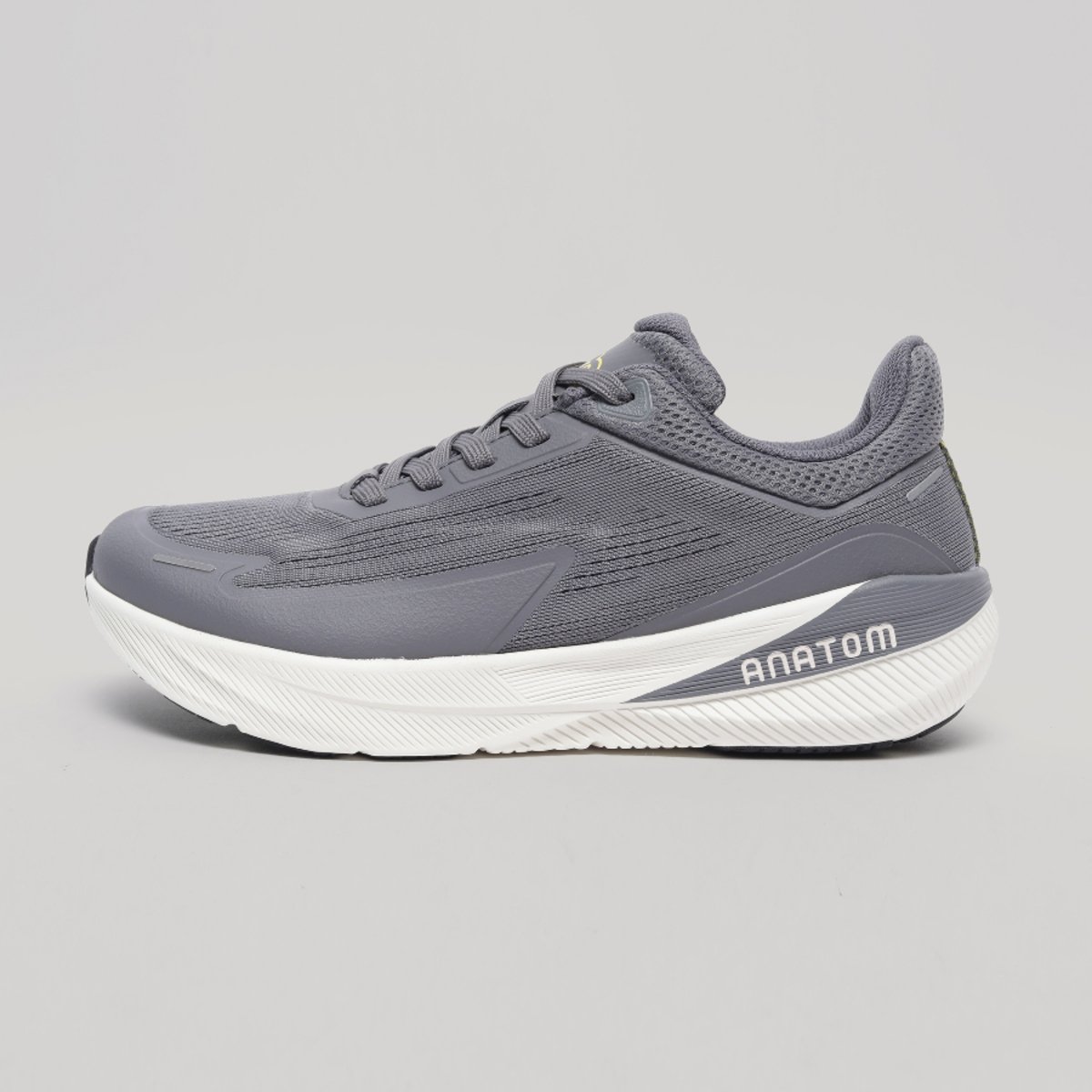
State of Joy runs its headquarters out of Bangalore, chosen for its design and creative talent, while manufacturing stays rooted in Ambur and Ranipet. The label sits across 1,500 to 2,000 stores in India through retailers like INC5, Regal and Centro, priced around ₹2,500 on average as a mass premium brand. This year brings a stronger digital push, entry into large format retail, and the brand’s first standalone stores.
Rajeev Mokashi sat down with Bachi Pullela to talk about craft, conviction, and what it finally feels like to call himself a shoemaker again.
In State of Joy with Bachi Pullela…
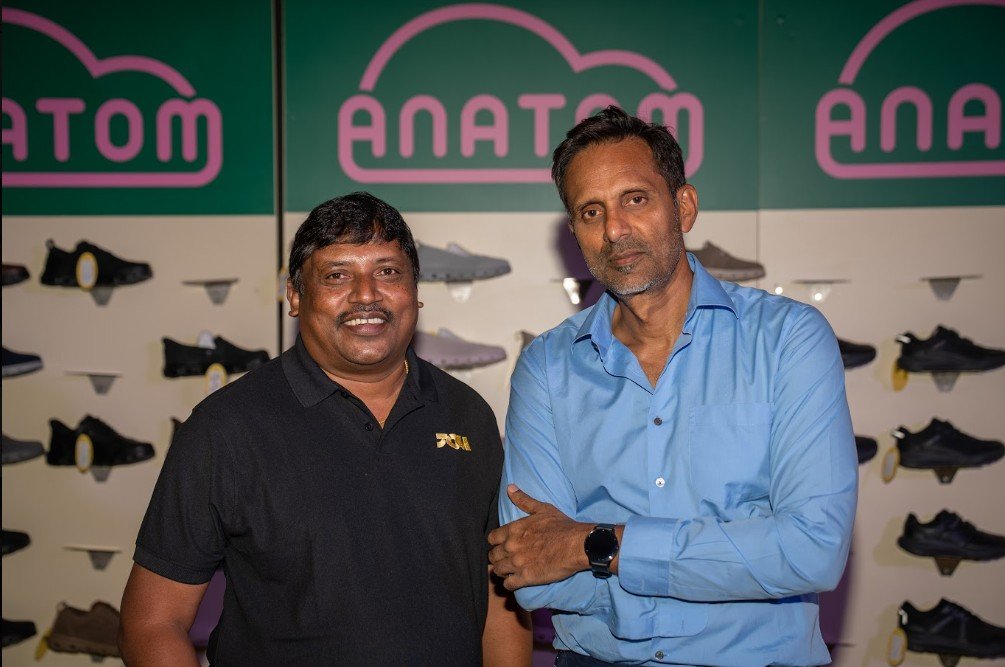
Rajeev Mokashi: Bengaluru became your next stage. What drew you in, the city’s energy, its people, or a deeper instinct?
Bachi Pullela: It came down to talent. My co-founder and I are both from Chennai, and our roots in manufacturing run through Ambur and Ranipet. But a brand needs a different ecosystem to grow, one with design minds, marketing minds, creative partners. Bangalore offered that in a way our hometown could not. Setting up here felt like the obvious next step, even if our hands never really left the south.
When you picture State of Joy across India, what do you see: a chain of stores, or a cultural footprint in sneakers?
We are chasing both, but in a particular order. Noise was never going to come before product for us. That is why we went to distributors and physical retail first, before trying to build visibility online.
We are strong today in states like Tamil Nadu, Andhra Pradesh, Punjab and Gujarat, and we even reach places like Srinagar and Himachal Pradesh through our distributors. Alongside that, we are pushing into our own website, marketplaces, large format stores, and our first exclusive outlets. Those outlets are not really built for volume. They exist so people can experience the brand properly. A cultural footprint, if it ever comes, has to be earned through the product first.

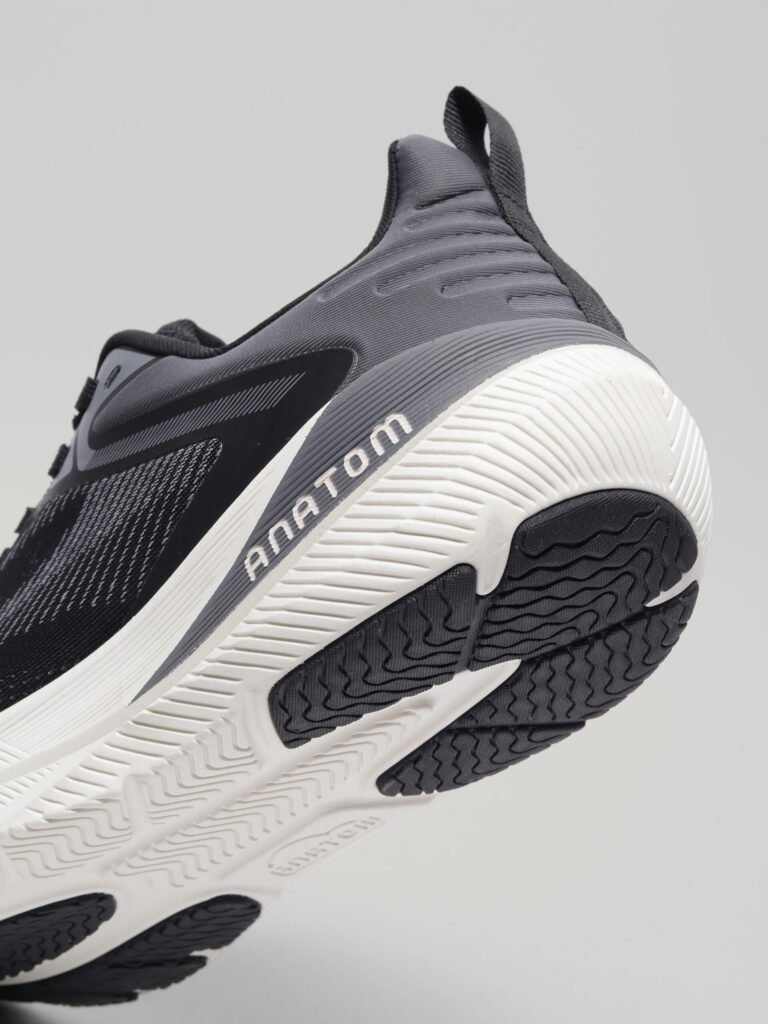
Your shoemaking heritage runs deep. How does that past still guide the choices you make today?
I know what a shoe needs to do before I ever look at how it looks. That instinct comes from experience, and experience is really just the sum of every mistake you’ve learned from.
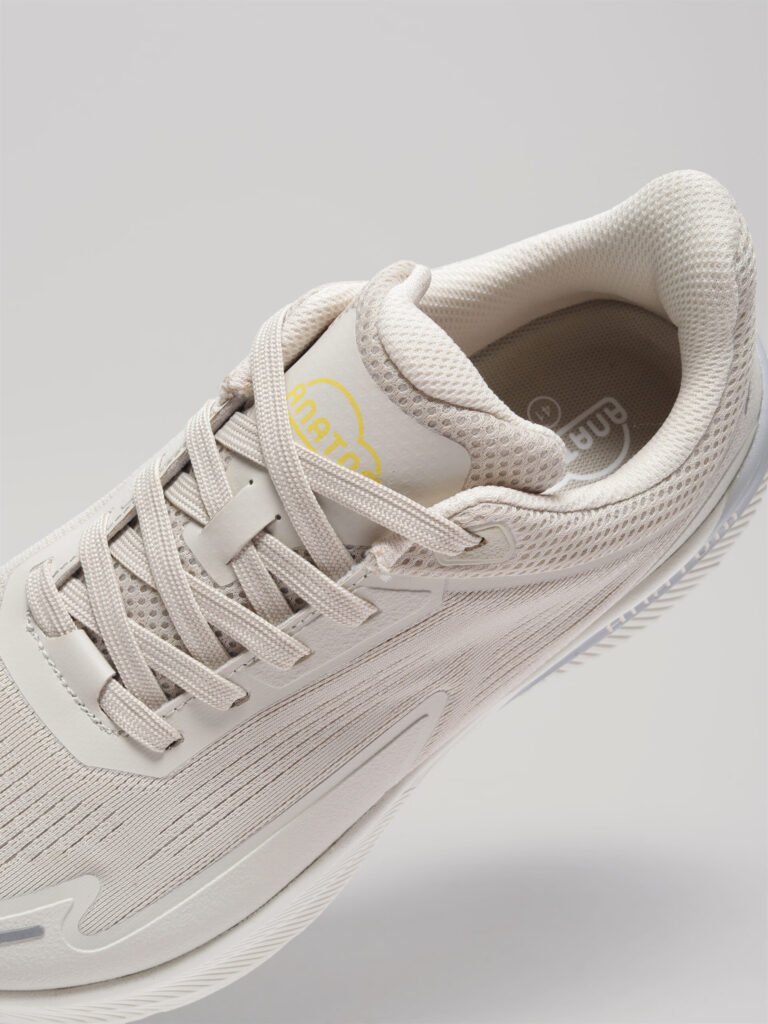
Breathability. Abrasion resistance. The right tensile strength in every component. None of it is an afterthought, it’s the starting point. Decades in this craft teach you to spot what will fail six months down the line, and to fix it before it ever reaches a customer’s foot.
In a digital age, why does walking into a State of Joy store still feel essential to you?
Photographs flatten everything. Two pairs of shoes can look nearly identical online and feel worlds apart the moment you actually wear them.
There’s a practical reason too. Footwear sees very high return rates online, simply because fit is such a personal thing. We wanted people to feel that difference for themselves before buying, not be told about it second hand.


Balancing premium quality with approachable prices is no small feat. What conviction keeps that promise alive?
Testing, mostly, and refusing to shortcut it. I never choose a material because it looks good on a shelf. I choose it because it will hold up, breathe well, and last.
That is what lets us offer the finish of an international brand without asking Indian customers to pay international prices. It isn’t a marketing line for us. It’s just how the product gets built.
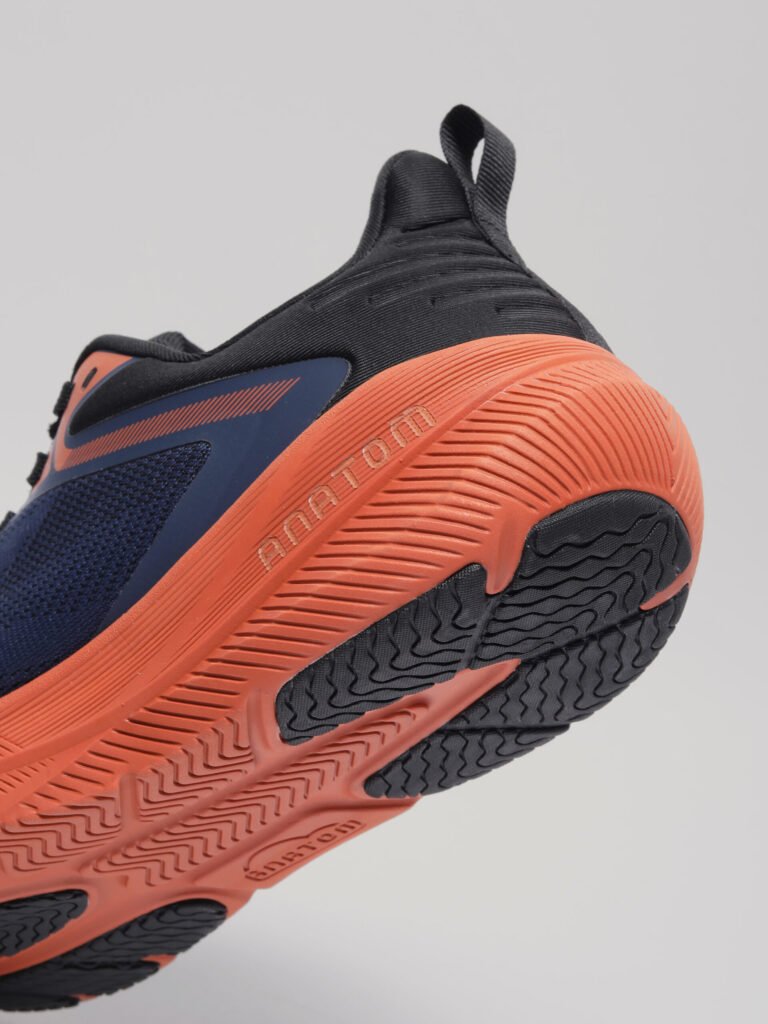
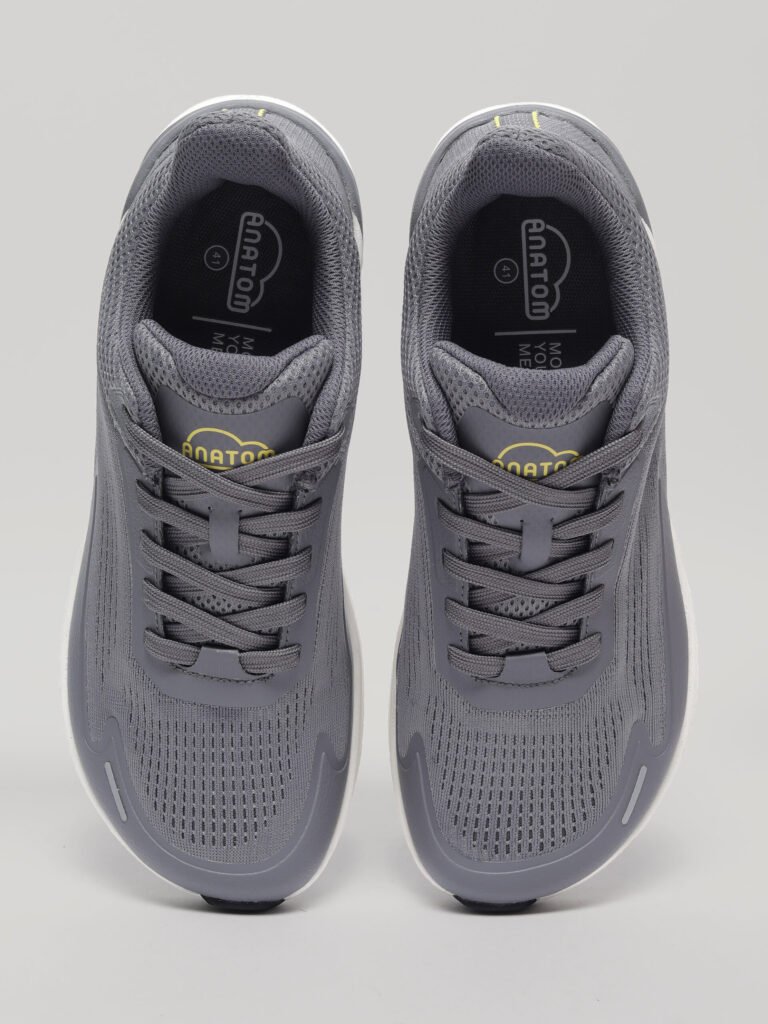
Looking ahead, what stride do you most want remembered: an Indian brand rooted in craft, or one that carries its story abroad?
There was always a piece missing in my career, the part where the shoe reaches someone under a name that’s truly ours, not someone else’s brief.
People ask me what I do, and the answer has stayed the same my whole life. I am a shoemaker. That only feels completely true now, watching someone walk out of a store in a pair that carries State of Joy, a brand my co-founder and I built from nothing. If this brand is remembered for anything, I hope it’s for finally finishing that sentence.
For more features like this, stay tuned to TheGlitz.