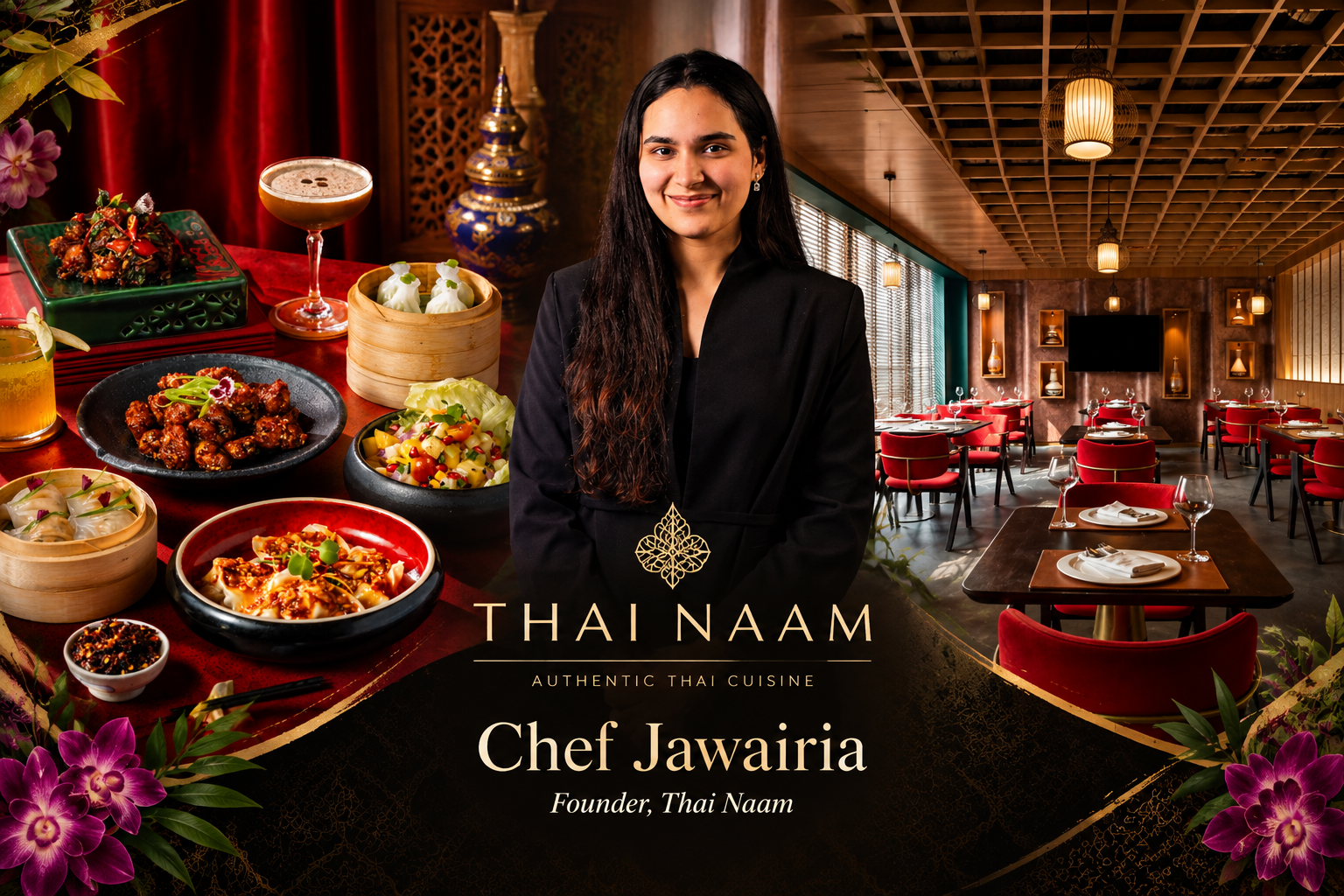
Chef Jawairia Merchant
Some culinary journeys begin with a carefully drawn career plan. The Founder of Thai Naam, Chef Jawairia Merchant’s journey began with curiosity. As a young girl, she was fascinated by the alchemy of the kitchen… the idea that a handful of ingredients could be transformed into something entirely new. What began with experiments at home and cooking competitions soon became far more than a childhood interest. While still in school, Chef Jawairia was already training with chefs, quietly laying the foundation for a career she would eventually build on her own terms.
Today, as the Founder of Thai Naam, Chef Jawairia represents a new generation of restaurateurs who are not waiting for age or convention to give them permission to lead. Building a restaurant at a young age meant learning some lessons the hard way… navigating an industry where experience often speaks louder than ambition, making mistakes in full view, and repeatedly having to prove that the young woman at the table was, in fact, the decisionmaker.
Of course, there were moments of self-doubt, moments when things felt as though they were falling apart, and moments when simply being taken seriously became a challenge. Yet, instead of allowing those experiences to define her, Jawairia used them to find her grounding.
At the heart of that grounding is Thai Naam, which she began in 2020 with a commitment to authentic Thai cuisine and the culture behind it. As Mumbai’s dining landscape has evolved, so have the expectations of its diners, and Chef Jawairia has learnt to adapt without diluting the restaurant’s core philosophy. For her, evolution does not mean Indianising flavours or compromising authenticity; it means understanding the guest while respecting the cuisine. That philosophy has allowed Thai Naam to expand its offerings while remaining firmly rooted in its origins.
Her journey has also been shaped by a unique family partnership. With her father, Anis Merchant, providing the business experience and financial grounding, Jawairia has had the freedom to develop the creative identity of Thai Naam in her own voice. It is a relationship built not on control, but on trust… and perhaps that is what has allowed her to grow from a shy, hesitant young woman into a confident restaurateur who knows when to listen, when to adapt and, importantly, when to stand her ground.
The recognition has followed. From Times Food & Nightlife Awards honours to being named an ET F&B Leader, an ET Inspiring Women Leader for Global Culinary Experiences, and Chef of the Year at the Times Food & Nightlife Awards 2026, Jawairia’s journey is increasingly being acknowledged by the industry. Yet, interestingly, the award that moved her most was not simply about achievement. It was about standing alongside women she admired… with her parents by her side… and recognising just how far that once-shy girl had travelled.
And perhaps that is the most compelling thing about Chef Jawairia’s story. The awards may have changed, the restaurant may have grown and the confidence may have arrived, but the curiosity that started it all remains intact. She is still fascinated by food, still learning, still experimenting and still driven by the desire to create something new.
Here in an exclusive conversation with Sumita Chakraborty, Founder & Editor-in-chief, TheGlitz, Chef Jawairia Merchant opens up about growing up in the kitchen, finding her voice in a male-dominated industry, the challenges of being taken seriously at a young age, the evolution of Thai Naam, her father’s influence, and the lessons that success could never have taught her.
Over To Chef Jawairia Merchant, Founder, Thai Naam
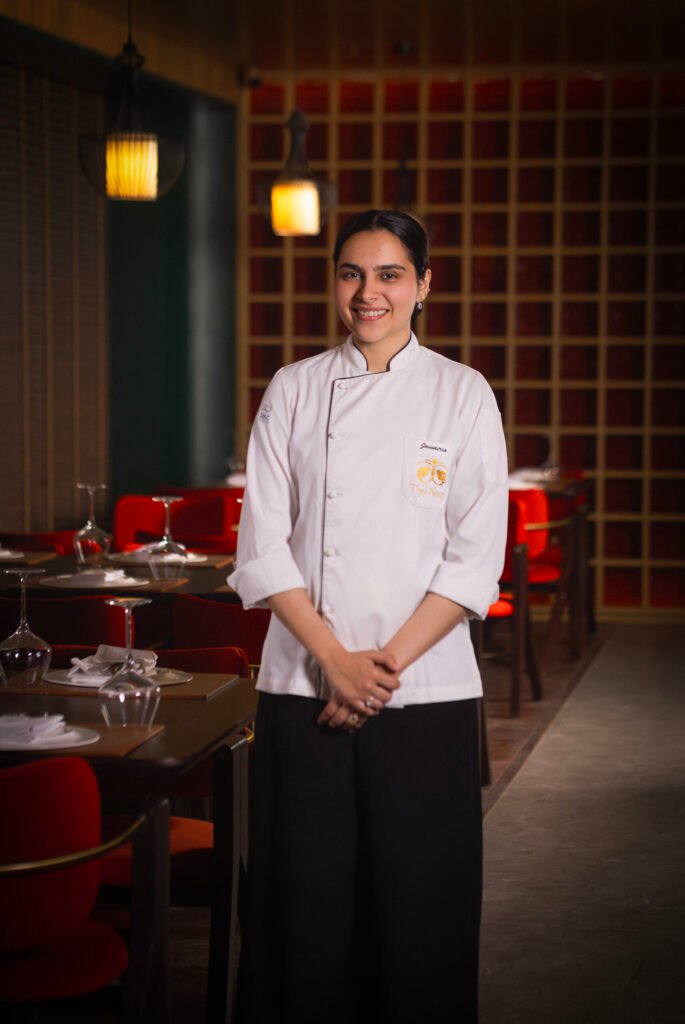
You began experimenting in the kitchen and participating in cooking competitions at a very young age, and even started training with chefs while you were still in school. When did you first realise that food was not simply an interest, but something you wanted to build your life around?
I think the more I experimented with food, the more fascinated I became by it. As a child, I genuinely thought cooking was one of the coolest things to do. I loved the idea that you could take a few ingredients and transform them into something completely different, and that there was always something new to learn.
Very early on, that fascination turned into a childhood dream of owning a restaurant someday. At that age, I obviously didn’t understand everything that came with running a restaurant, but I knew that food was something I wanted to stay connected to. What started as curiosity slowly became a passion, and eventually, a career.
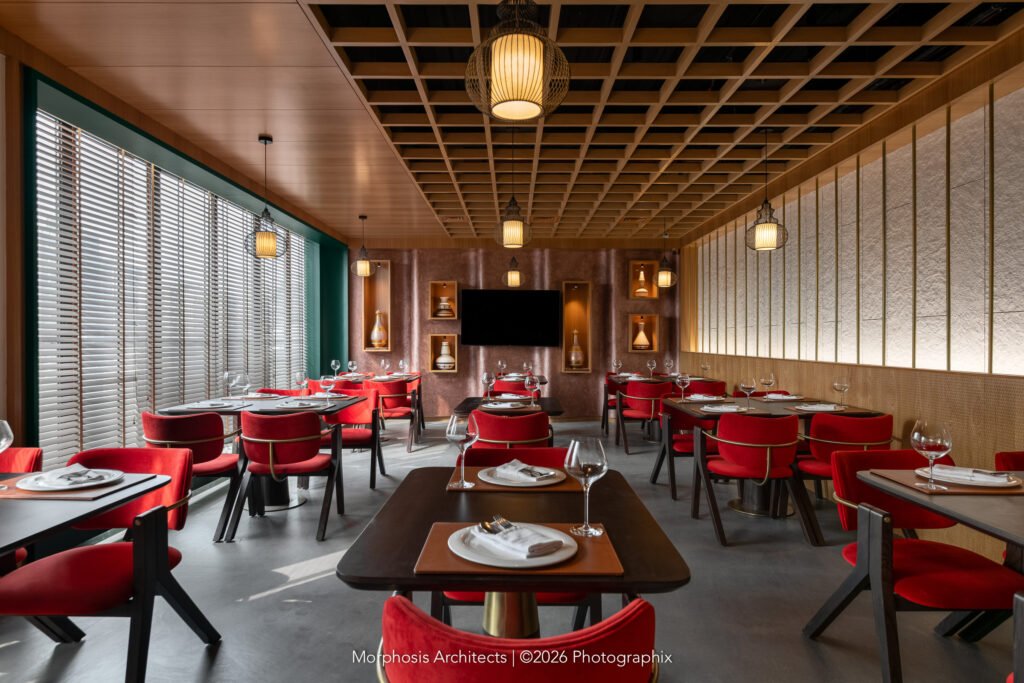
Building a restaurant at a young age comes with its own set of challenges. What were the biggest hurdles you faced while establishing Thai Naam, and was there ever a moment when you wondered whether you had taken on more than you were ready for?
There were quite a few hurdles. I was extremely young, but at the same time, I was very ambitious and curious, so I was constantly trying to figure things out as I went along. I realised fairly early that I was going to make a lot of mistakes, and that was something I had to make peace with. The important thing was to keep learning from them rather than allowing them to define me.
There were definitely many moments when I felt like I was failing or that I was too inexperienced, especially when things felt like they were falling apart around me. Being young in an industry where experience carries a lot of weight can sometimes make you question yourself.
But every time I felt overwhelmed, my love for what I was building brought me back. Thai Naam taught me to be more patient with myself, to learn constantly and, most importantly, to find my own grounding. I think that has been one of the biggest parts of my journey.
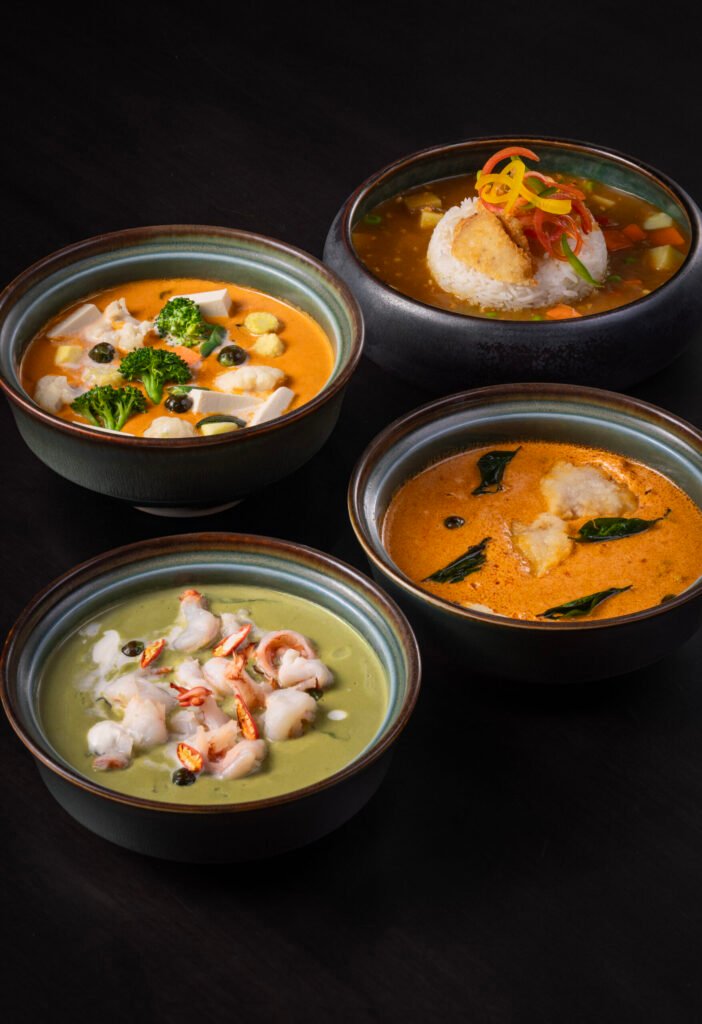
Thai Naam is deeply rooted in authentic Thai cuisine and culture, while also having to appeal to the evolving tastes of Mumbai diners. How have you navigated the delicate balance between staying true to your culinary philosophy and adapting to what your guests want?
Answer: We started Thai Naam in 2020 as an authentic Thai restaurant, and over the years, we’ve seen our customers and their preferences evolve quite significantly. This year, we made quite a few changes to the menu because we realised that consumers were looking for more variety and options.
At the same time, authenticity has always remained non-negotiable for us. Even when we’ve introduced Pan-Asian dishes, we’ve tried to keep them as authentic to their origins as possible. We haven’t tried to Indianise the cuisine simply to make it more familiar.
For me, adapting doesn’t necessarily mean compromising. It means understanding what your guests are looking for while still respecting the foundation you’ve built your restaurant on. So we’ve expanded the choices, but we’ve stayed true to our roots.
Your father, Anis Merchant, has played an important role in supporting and shaping Thai Naam. What have you learnt from working alongside him, and how have you ensured that the restaurant also carries your own distinct identity and voice?
My father has always been incredibly supportive of whatever decisions I’ve made. For him, my learning has always been more important than whether every decision turned out perfectly. He has given me the mental backing to make my own decisions and, even when things haven’t gone the way we hoped, he has never made me feel that I made the wrong choice. Instead, he has always pushed me to do better.
That created a very healthy foundation for me, and it also led to a very open line of communication between us. That can sometimes be difficult in a parent-child working relationship, but fortunately, that has never really been an issue for us.
I rely heavily on his years of experience, particularly when it comes to financial and business decisions, while he gives me complete freedom when it comes to the creative side. That balance has allowed me to build Thai Naam with my own identity while still benefiting from his experience. In many ways, it really is a win-win.
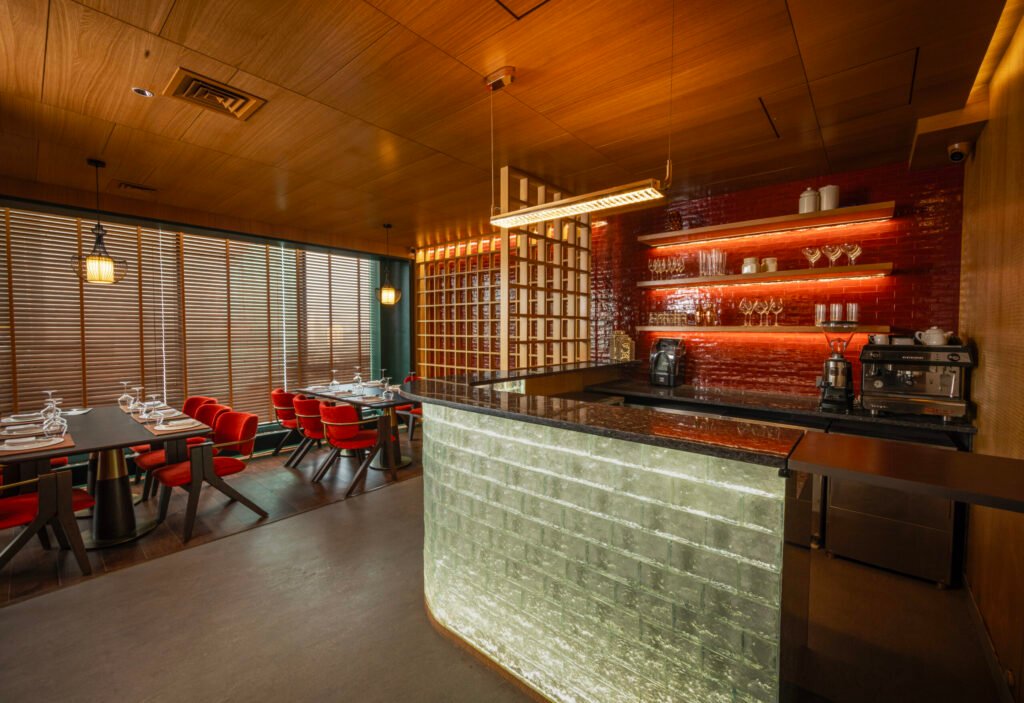
Thai Naam has gone on to receive multiple Times Food & Nightlife Awards, while you have yourself been recognised as an ET F&B Leader, ET Inspiring Women Leader for Global Culinary Experiences and Chef of the Year at the Times Food & Nightlife Awards 2026. Which milestone has been the most emotionally meaningful to you—and why?
The most emotional win for me was being recognised as an ET Inspiring Women Leader for Global Culinary Experiences. The award itself was incredibly special, but what made the moment even more surreal was being able to share the stage with so many wonderful and inspiring women.
I remember looking around and thinking about how incredible it was that I was standing on the same stage with all these women whose journeys I admired. It was a very overwhelming and wholesome moment for me.
It was also the first time my parents had accompanied me to an event like that, which made it even more special. Being able to experience that moment with them made the recognition feel much more personal. It’s a memory I know I’ll cherish for a very long time.
The hospitality industry can be unforgiving, particularly for a young entrepreneur. What has been your biggest failure or setback so far, and what did it teach you that success perhaps never could?
One of the biggest challenges I’ve faced has been simply being taken seriously because of my age. Most of the people you work with—from managers and employees to vendors—often have many more years of experience than you do. They naturally have their own ways of working, and sometimes listening to an idea coming from a young girl can be challenging for them.
I’ve had vendors ask me, “Where’s your dad?” or assume that there must be someone senior who should be handling the conversation instead of me. In the moment, those comments can really bring your morale down.
None of these moments on their own seem like a huge setback, but when you experience them repeatedly over the years, they can accumulate and become quite bothersome. What they taught me, though, was not to constantly seek validation from everyone around me. I had to develop confidence in my own instincts and learn when to listen, when to adapt and when to stand my ground.
Eventually, you find your grounding. And I think that has been one of the most valuable lessons of my journey.
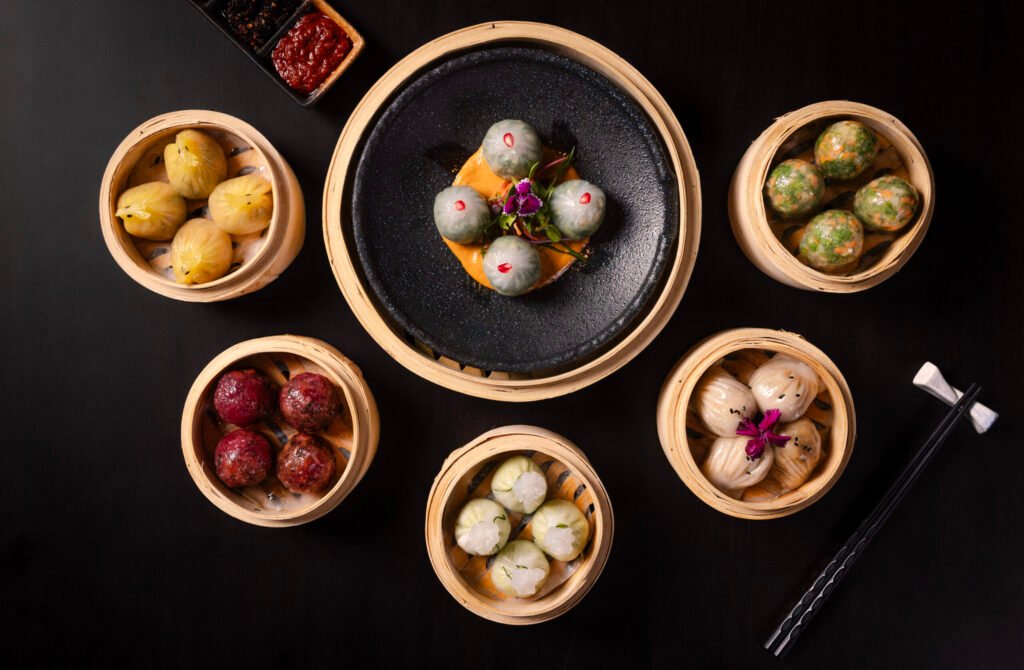
You started with a love for cooking and have now become a restaurateur, entrepreneur and a recognised young voice in Mumbai’s food scene. When you look at Jawairia of those early kitchen days versus the woman leading Thai Naam today, what has changed—and what part of that young girl remains exactly the same?
So much has changed. When I started, I was very shy and introverted. I was honestly scared and nervous most of the time. I always felt that I had a good sixth sense about people and situations, but I rarely voiced my opinions because I would think, “They probably don’t need my opinion on this.”
Today, I’m much more confident. I trust my instincts more, I’m not afraid to put my point across, and I’ve become much more disciplined, both personally and professionally. I’ve also learnt that leadership isn’t only about being confident or making decisions—it’s about how you treat the people around you.
I try to remain kind, and I think that has helped me build genuine connections with my staff, acquaintances and people across the industry.
But the young girl who loved experimenting in the kitchen is still very much there. The curiosity hasn’t changed. I’m still fascinated by food, still constantly learning and still excited by the idea of creating something new. I think that curiosity is probably the one thing I hope never changes.
THEGLITZ TAKE: Young, Fearless & Finding Her Own Table
Chef Jawairia Merchant’s story is not simply about a young woman who opened a restaurant. It is about finding the confidence to occupy a space before the world is ready to give you one.
In an industry where experience is often measured in years, Chef Jawairia has chosen to measure hers in curiosity, mistakes, resilience and the courage to keep showing up. Thai Naam may have been built with the support of experience, but its personality is unmistakably her own.
What makes her journey particularly compelling is that she hasn’t mistaken growth for compromise. She is evolving Thai Naam without losing sight of its roots, embracing change without diluting authenticity, and learning to lead without losing the kindness that brought people along with her.
Perhaps the most telling part of her story is that, despite the awards, recognition and growing confidence, the girl who simply thought cooking was “one of the coolest things to do” is still very much at the table.
And maybe that is exactly what makes Chef Jawairia one to watch. She isn’t trying to prove that she belongs at the table. She’s learning how to build her own.