Bigg Boss 20
By Sumita Chakraborty | TheGlitz.media
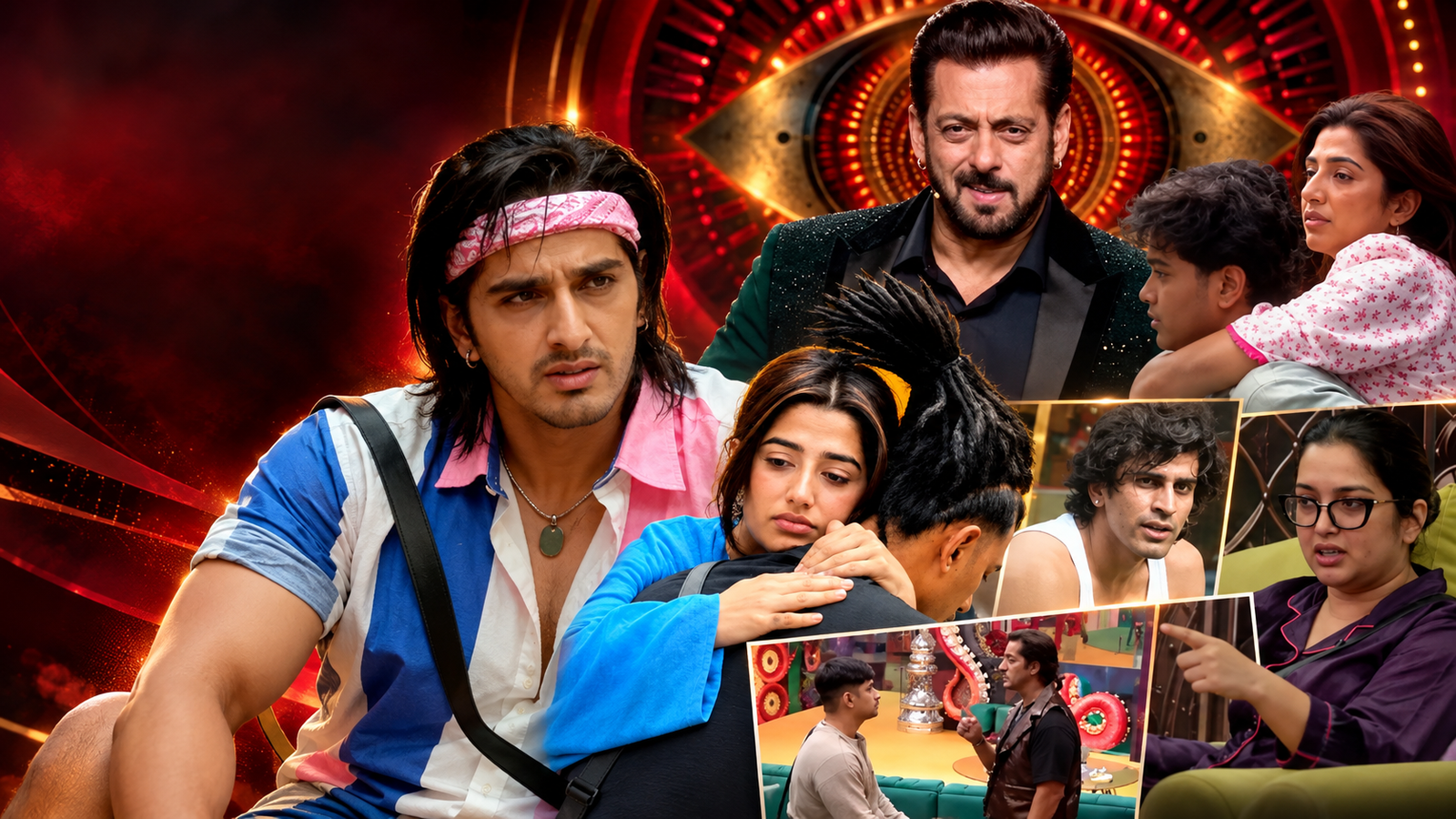
“I am a Rockstar, baby!” And just like that, Qazi Touqeer has become the human equivalent of a ‘breaking-news’ alert inside the Bigg Boss 20 house. Love him, mock him or question his theatrics, but ignore him? That seems to be the one thing his fellow contestants simply cannot do… nor can the celebs visiting the show – all of them insist he is their favourite – or the audience… the Qazi fever across the nation is real. TheGlitz finds out more…
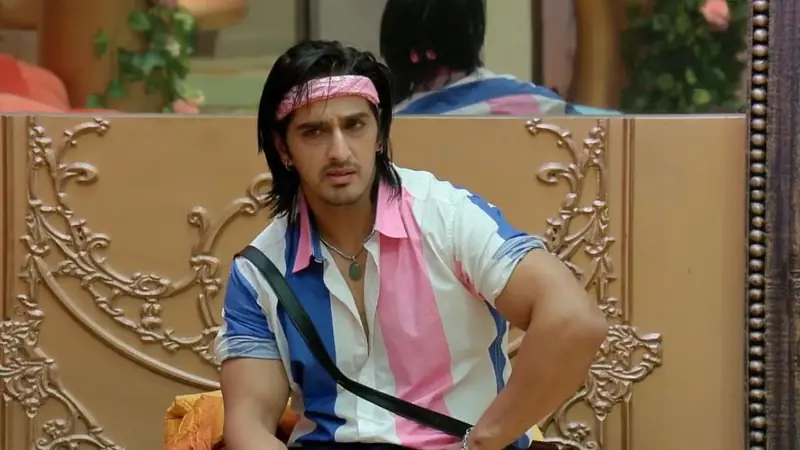
Indeed, Qazi has become the season’s most fascinating talking point, and the irony is delicious. A man who entered the house with his trademark flamboyance has managed to turn even his illness into a test of everyone else’s character. When he was down with dengue, the arguments over his health, food and need for empathy exposed a side of the house that was considerably less entertaining than its residents seemed to believe.
And then came Weekend Ka Vaar…. Incidentally, the nation seems to count the days for ‘Weekend Ka Vaar’ this time so that Salman Khan will in his trademark style mete out justice saying, “It’s done, bro!
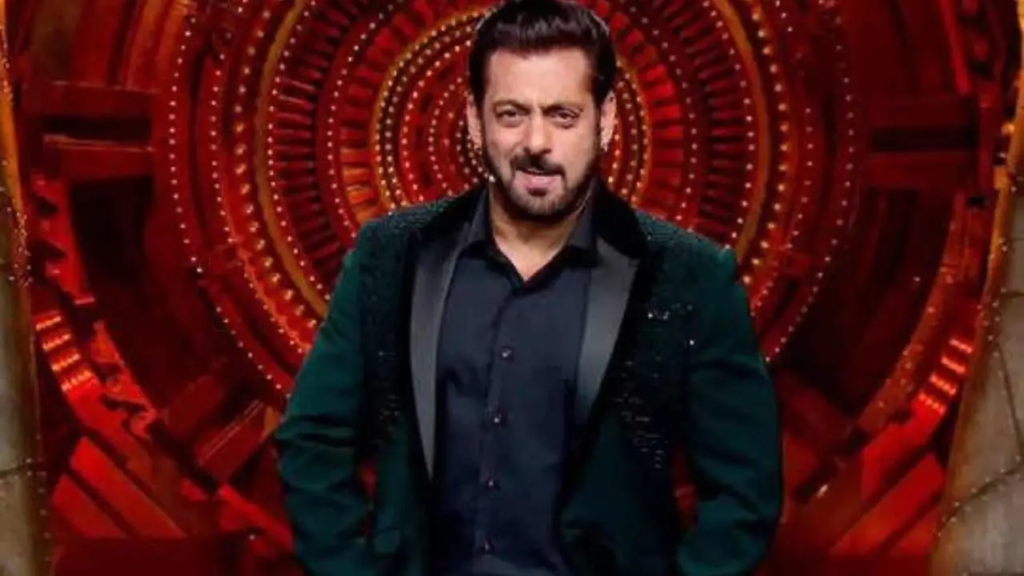
This weekend too, Salman Khan called out the alleged bullying, questioned the double standards and reminded contestants that illness is not a performance staged for the cameras. ScoutOP and Yung DSA were reprimanded over their “bullying” treatment of Qazi, while Aamrapali and Uditi Singh were questioned about their ‘mean’ responses to his situation. Qazi himself was also reminded that retaliation was not the answer. Fair enough. Being wronged does not automatically make one right in every subsequent argument.
But here’s the bigger question: why does it take the host to remind grown adults that basic empathy is not an optional luxury?
The Rockstar and His Orchestra of Critics
Qazi is theatrical, unpredictable and occasionally exasperating. But he is also entertaining, and reality television needs characters who provoke reactions. If everyone behaved like a perfectly rehearsed corporate spokesperson, Bigg Boss would be a particularly expensive group therapy session with terrible food.
The problem begins when disagreement turns into a collective campaign to undermine one contestant. ScoutOP and Yung DSA may have their own grievances, but when the criticism becomes relentless, the distinction between playing the game and piling on becomes rather uncomfortable.
Qazi is not beyond criticism. Nobody in that house should be. But the audience can spot the difference between a contestant who challenges another and a group that appears determined to make one person the perpetual punchline.
The housemates would do well to remember that the camera records more than the argument. It records the smirk, the timing, the unnecessary remark and the moment someone chooses not to show compassion.
And sometimes, the silence is louder than the shouting.
Aamrapali, Uditi and the Convenient Art of Taking Sides
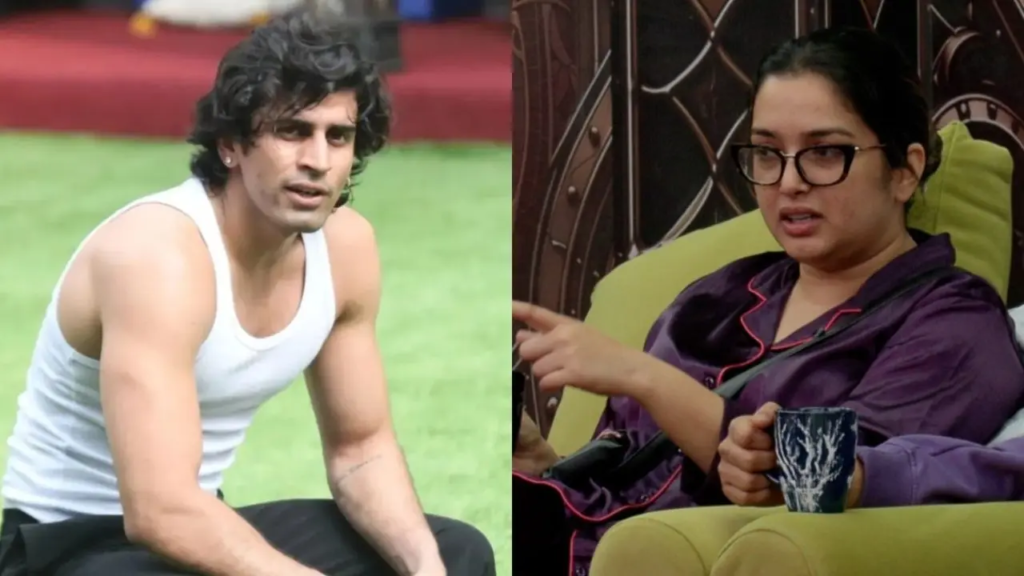
Aamrapali has found herself in the middle of the Qazi controversy, with her calling him “moron” and “pervert”. Her own loyalties come under scrutiny. The ungrateful Uditi, too, was questioned about her response when Qazi was being mocked despite his illness.
Friendship inside Bigg Boss is a curious creature. It flourishes when convenient, goes missing when inconvenient and occasionally reappears when the cameras are pointing in the right direction.
Yet this is where contestants must be judged carefully. One can disagree with someone’s conduct without reducing their entire personality to a single incident. What matters is whether they reflect, take responsibility and change their behaviour… or simply wait for the next Weekend Ka Vaar to tell them which way the wind is blowing.
Love Angles, Sibling Zones and Other Plot Twists

Love Gill appears keen to find herself a romantic ‘quadrangle” storyline with Scout, Yung DSP and Aasif thrown in for measure. When that particular plot seemed to lose momentum, the equation appeared to acquire a rather bewildering bhai-behen flavour. Romance not working? Change the relationship category. Bigg Boss is, after all, the only place where a storyline can change its status faster than a contestant changes outfits.
Gullu and Kanika Mann, meanwhile, seem to be playing their own individual games. Gullu is genuinely fun to watch. He has an unpredictable, entertaining quality that makes him interesting without needing to manufacture a grand narrative around himself.
Kanika, on the other hand, can appear to change her position according to convenience. Convictions, it seems, are flexible commodities in this house. One minute it is one stand, the next it is another. The only constant is the possibility that a new argument will require a completely revised opinion.
And then there is Mahhi Vij, who seems firmly attached to Qazi. Is it genuine friendship, or is she positioning herself within the ever-expanding Qazi wave? Only Mahhi knows for certain. But when one contestant becomes a nationwide talking point, standing close to him can look like either an act of affection or a rather astute survival strategy.
In Bigg Boss, even friendship comes with an invisible asterisk.
Mary Kom: A Champion Outside, a Contestant Inside

Mary Kom has conquered international boxing, won championships and collected medals through extraordinary grit and determination. She is a sporting legend whose achievements deserve respect.
Yet the Bigg Boss house is proving to be a very different ring. Here, there are no rounds neatly timed by a referee, no opponent standing across a boxing ring and no medal for the cleanest punch. Instead, there are kitchen disputes, shifting alliances, emotional confrontations and an endless supply of conversations about who said what to whom.
Mary’s sporting pedigree has not yet translated into the kind of commanding reality-show presence one might have expected. It is a curious contrast: a woman who has fought her way to international glory now finds herself navigating the decidedly less glamorous business of domestic politics.
Perhaps the lesson is that winning a championship and winning Bigg Boss are two entirely different disciplines. One demands athletic excellence; the other demands an appetite for chaos, timing and an almost supernatural ability to survive conversations that should have ended twenty minutes earlier.
Wildcards: Fresh Blood or Fresh Disappointment?

The wildcard entries promised to shake up the house. Whether they have delivered is another matter.
Nakul Dhull certainly made an impression. Controversial, unpredictable and interesting, he looked like someone who could have brought a new dimension to the Qazi equation despite him being close to Scout. Their interaction even offered the prospect of a more entertaining rivalry or perhaps an unlikely alliance. We would have liked to see more of that dynamic develop.
However, reports on October 12 suggested that Nakul had been asked to leave following an alleged physical altercation with Gullu. The makers had not officially confirmed his reported eviction in the coverage available at the time. If the reports prove accurate, his stint will have been spectacularly short-lived. Bigg Boss needs fireworks, certainly, but physical aggression is no substitute for gameplay.
And then comes Manish Goel.
Thanda. That is the word. For someone introduced as a wildcard, he has yet to deliver the kind of disruption that justifies the dramatic build-up. One is tempted to ask the casting team whether the brief was to inject fresh energy into the house or simply to add another person to the headcount.
Whoever made this particular casting call may want to revisit the job description. A wildcard should unsettle existing equations, expose hidden agendas or bring a fresh perspective. The entry should make viewers sit up, not wonder whether the promotional video was more exciting than the contestant himself.
TheGlitz Take: Rockstar Energy, Reality-Show Amnesia
Qazi may not be a saint, but neither is he the villain some of his fellow contestants seem determined to cast him as. His popularity has become a force in the house, and the reactions to him reveal almost as much about the other contestants as they do about Qazi himself.
The real test is not whether he can keep declaring himself a rockstar. It is whether he can turn audience attention into a convincing game without becoming trapped by his own persona.
For everyone else, the challenge is even simpler: stop treating Qazi as the centre of the universe and start giving viewers a reason to watch you.
Because the audience can forgive a contestant for being dramatic, flawed or occasionally ridiculous. What it finds harder to forgive is calculated cruelty dressed up as entertainment, opportunism masquerading as friendship and wildcards who arrive with a bang only to disappear into the wallpaper.
TheGlitz Verdict: Qazi may be singing “I am a Rockstar, baby!”, but the rest of the house needs to stop playing backup dancers in his concert. Bring us original gameplay, genuine personalities and fewer manufactured equations. The audience has tuned in for Bigg Boss, not a never-ending audition for relevance.