A conversation with Surya Shastry of Pure and Sure
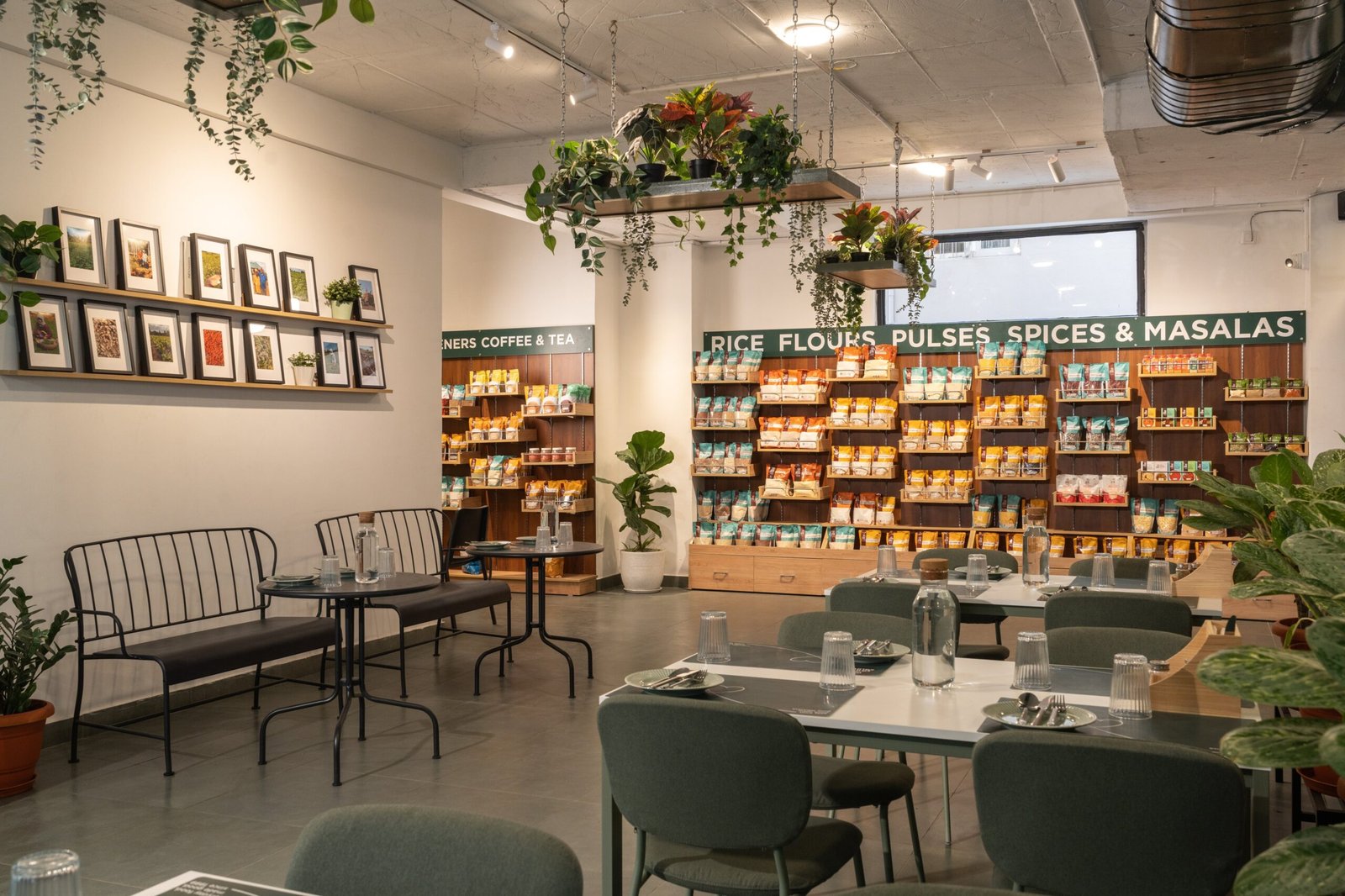
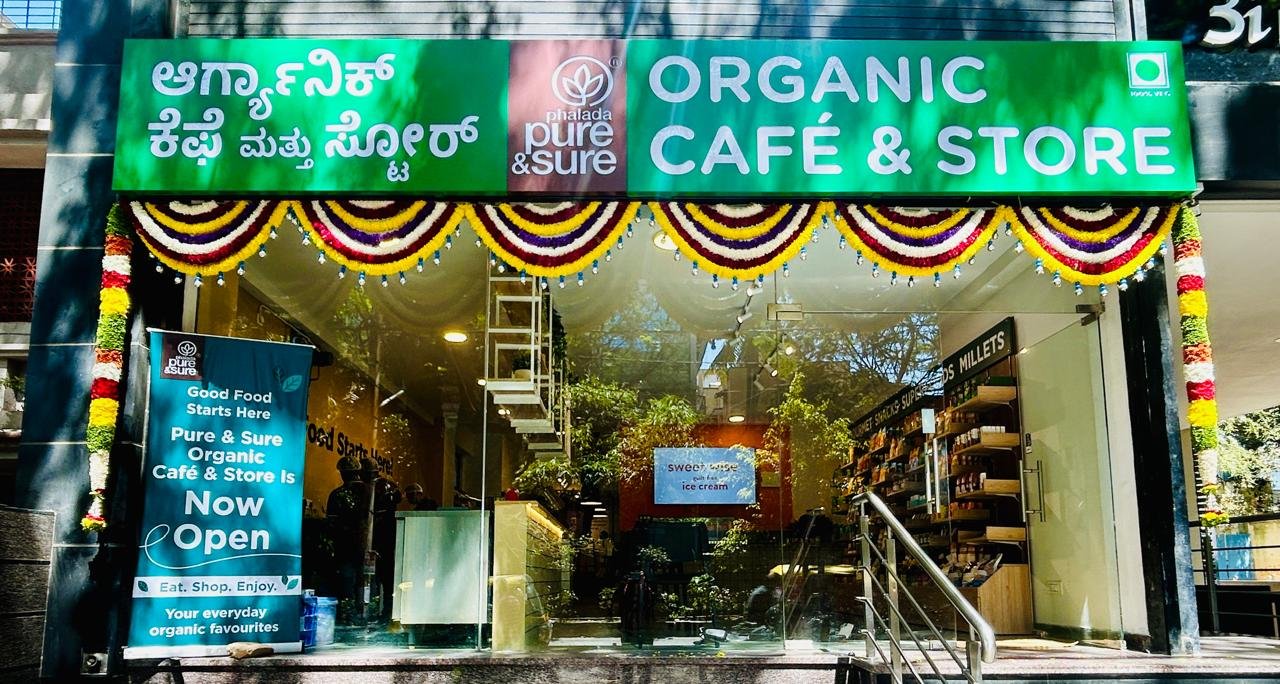
There is something quietly convincing about a man who offers you food before he answers your questions. Rajeev Mokashi, Co-founder, TheGlitz visited Pure & Sure‘s organic café in Jayanagar, Bengaluru and sat down with Surya Shastry, Managing Director of Phalada Pure and Sure, for a candid conversation over fresh bites, warm coffee and the kind of honesty that only comes when the food on the table is as genuine as the person behind it.
What followed was not a brand pitch. It was a story of a son who found his own path inside his father’s dream, of farmers trusted across seasons, of a mission that began in a village chemical shop and has since reached 22 states, 11 countries and a café that smells exactly like it should.
Over to Surya Shastry...
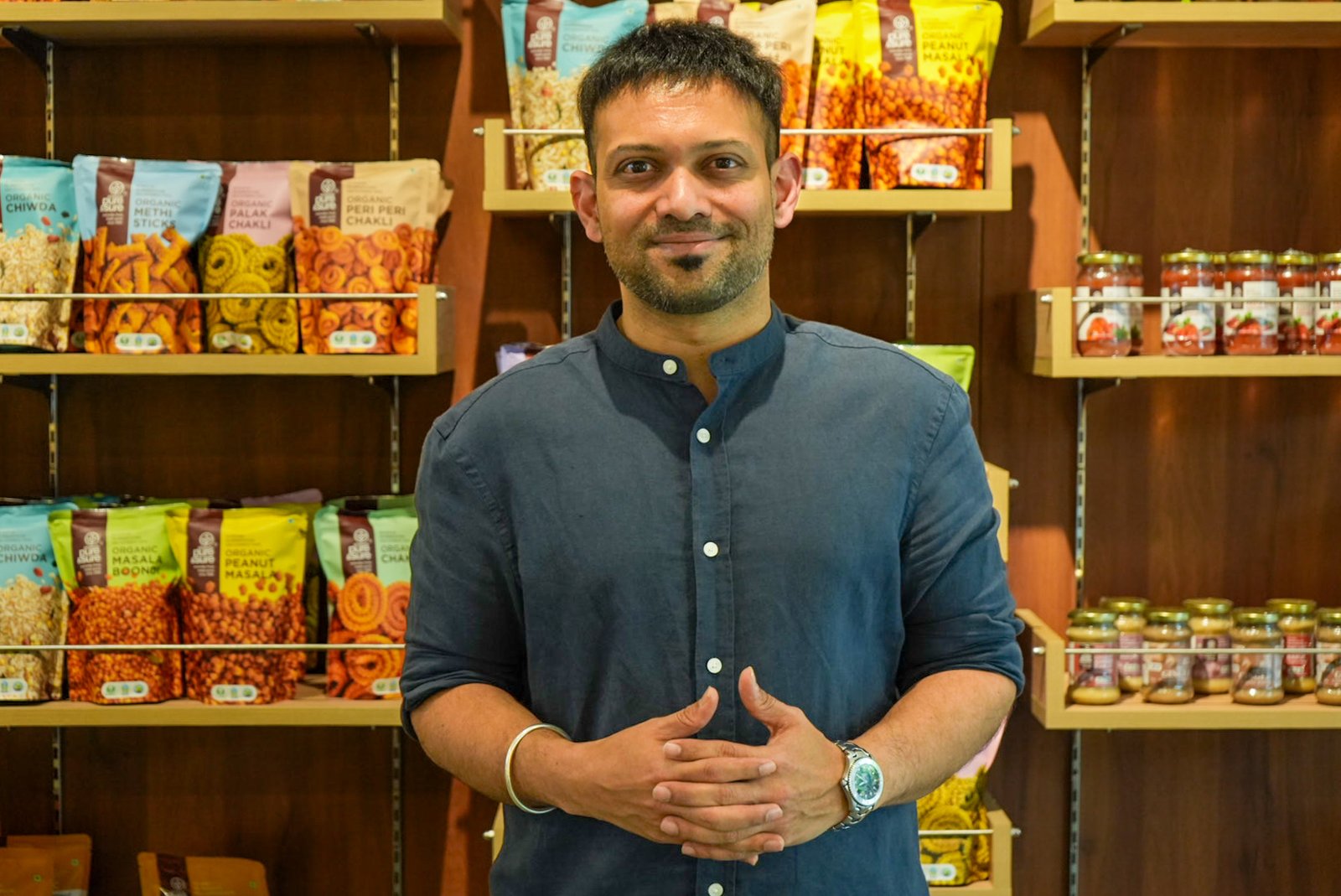
Rajeev Mokashi: You grew up watching a family business from the inside. What made you see organic the direction forward, and where did that conviction come from?
Surya Shastry: The story starts with my father, not me. He came from the leather industry, spent years exporting garments, and in his travels to the United States he watched something shift. Consumers were beginning to reach for cleaner, more honest food. This was 1999. India had no domestic organic market to speak of. But he saw the demand building and made a very simple, very practical decision. Give Indian farmers access to those markets.
So he started with organic fertilisers. And when he went to sell that fertiliser to farmers, they pushed back with a perfectly fair question. If we grow organic, who is going to buy it? That one question essentially became the entire business.
I came in 2008, fresh out of a business management degree, no background in agriculture and honestly, no burning plan to stay. My father offered me two years as a management trainee and a quiet promise. After that, if you want to do something else, go ahead.
What changed everything was the time I spent sitting inside small fertiliser and chemical shops in villages. Full days, just watching and listening. Most farmers didn’t fully understand what inputs they were using or why. The result was this damaging cycle. More chemicals, more resistance from pests, and then even more chemicals to fight that resistance.
‘The more chemicals you put in, the more resistance builds. And then you are just addicted to using more and more.’
That was my moment. Not a grand vision, not a business plan. Just a young man sitting in a village shop, realising this was something worth spending a life on.
What drew you personally to organic as a mission rather than just a business category? Did it come gradually or all at once?
Gradually, honestly. It crept up on me through those village days, those long hours watching farmers make decisions that were slowly working against them.
The domestic market was still very small then. We were primarily exporting. But I kept one eye on what was happening inside India. A few brands beginning to stir, supermarkets giving organic a cautious shelf. And I thought, we have the supply chain, we have the certification, we have years of experience. The time feels right.
What also pushed me was something that genuinely bothered me. Until 2018-19, anyone in India could print the word organic on a packet and sell it. No regulation, no accountability, no consequences. We were part of the industry effort that lobbied the government to finally close that gap.
So yes, it was personal. But it was also about doing something the right way, in an industry that badly needed it.
When you launched Pure and Sure in 2011, India’s organic market was still finding its feet. What did you see then that most people around were not ready to believe?
There were perhaps one or two national players at the time. 24 Mantra was doing the heavy lifting of getting organic onto store shelves. A handful of regional brands. That was the entire landscape.
But that, as it turned out, was the advantage. Supermarkets were hungry for something new. Food as a category had gone quite quiet and organic felt like a fresh conversation worth having. The doors were open and we walked in at the right moment.
What people also don’t fully appreciate is how much simpler it was to reach consumers then. Today there is so much information flying at people from every direction.
‘Now it has reached a point of being over-informed, I would say.’
Back then, if you had something genuine to say, people sat with it. We were early, we were honest, and the timing was kind to us.
The Indian kitchen runs on deep-rooted tradition. How do you earn the trust of someone who has never needed a label to tell them what good food is?
We were fortunate to have early adopters. People who were already curious, already asking questions. That first wave of genuinely interested consumers gave us the room to grow and find our footing.
But this category has always lived or died on education and trust. We were consistent about that from the very beginning. Explaining, showing, telling the story behind what was in the packet. And it has paid off in ways that still feel good.
‘Today nobody asks what organic means. They already know.’
The real work now is different. That well-informed, conscious consumer, every brand in this space is chasing them. The category has grown up, and so has the conversation.
Large companies now have their own organic lines and far deeper pockets. What does Pure and Sure offer that they simply cannot replicate?
We always knew they would come. And in a way, when larger players enter a category, it helps. It signals that the market has arrived, that organic is no longer niche. This category needs that kind of scale to become truly mainstream.
But here is what most people underestimate. Organic has a deeply complex supply chain, everywhere in the world. In the US and Europe, large corporations that have tried to enter organic, through acquisitions, through sheer muscle, have stumbled within two or three years. Every single time. Because you cannot simply go and buy organic in large volumes and call it done. Every product must come from a traceable, certified, trusted source. That understanding takes years, sometimes decades, to build.
‘It is not as easy as it sounds. And that is exactly why we are still here.’
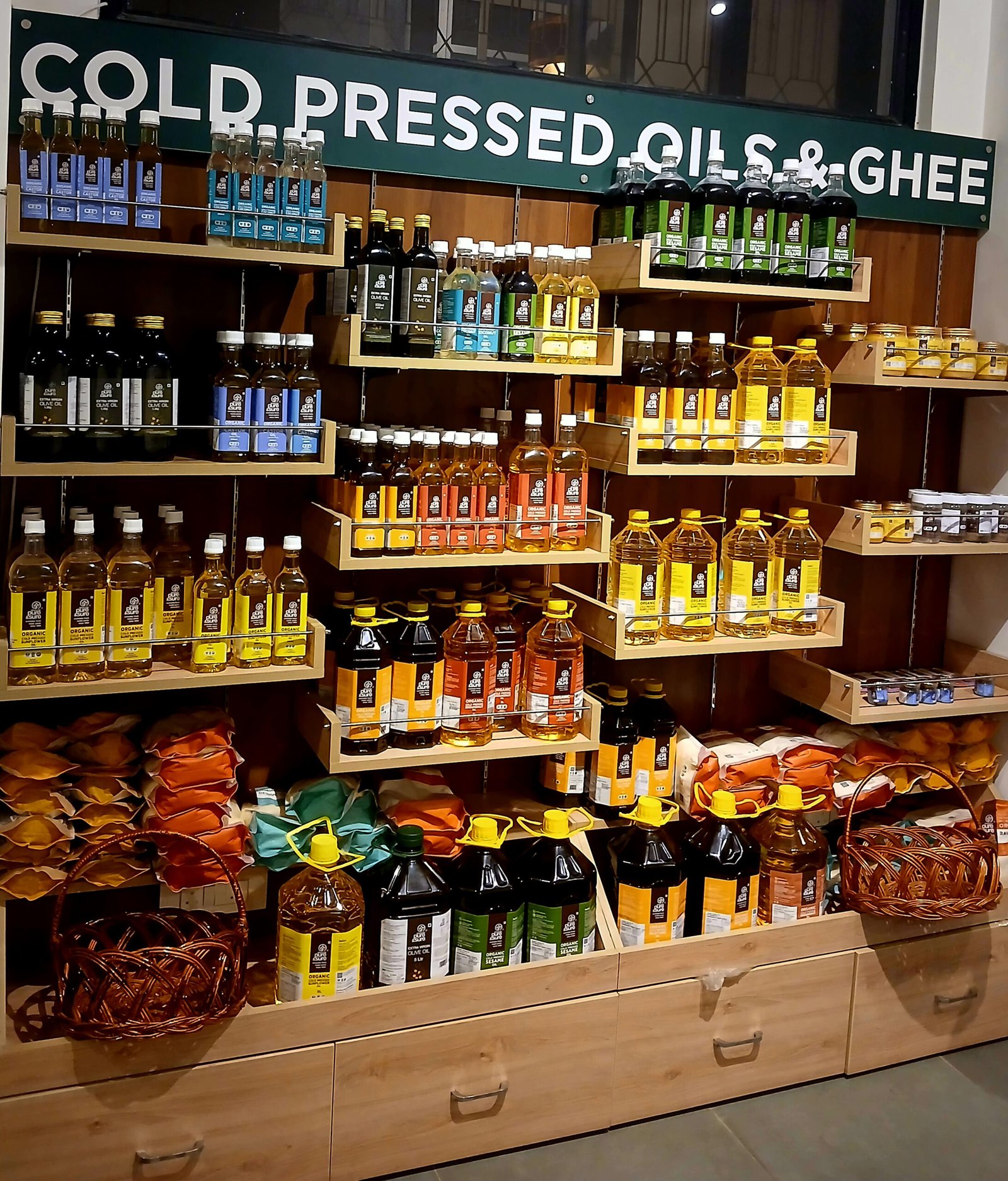
We started with 10 products. Today we have 160, staples, cold pressed oils, hot beverages, gourmet foods. That range exists because once a customer truly trusts you, they want everything from you. Their monthly basket grows to fifteen, twenty thousand rupees. That kind of trust is not something you can acquire. You earn it, one honest product at a time.
Organic still carries a premium price for most families. How do you help someone understand what they are truly paying for beyond the packet?
The gap has come down quite a bit over the years. Today it sits anywhere between 5 and 30 percent depending on the product. Once you understand where that difference comes from, it stops feeling like a premium and starts feeling like common sense.
What we do, and I love this personally, is take customers through our facility. Half a day, walking them through everything. Because most people believe organic simply means no chemicals on the farm. That is only half the story. What happens after harvest matters just as much. How we store, how we treat, how we keep things genuinely clean all the way to your kitchen. No fumigants, no shortcuts. Cold storage, steam sterilisation, the whole careful process.
‘Once you see it with your own eyes, you stop questioning the price. You start questioning why everything else isn’t done this way.’
We also have a Good Food Club on our website. A small membership that gives customers up to 25 percent off through the year. Wherever we can pass a saving on, we do. Because the mission was never to make organic feel out of reach.
Farm to fork sounds good on paper. What does it actually take to build a farmer partnership that holds across seasons and pressures?
Good news travels fast in a village. Once one farmer sees real, tangible benefit, the word moves faster than any marketing we could ever do. Near Mysore we have entire villages growing for us now. That didn’t happen overnight. It happened because we showed up, stayed, and delivered on what we promised.
What most people don’t realise is that it takes three full years from the day a farmer begins before he can sell a single harvest as certified organic. Three years for the topsoil to regenerate, for the chemical residues to clear. So, we are always planning well ahead.
We take care of all the paperwork and all the certification costs. We ask each farmer to grow at least five different crops so there is income coming in throughout the year, not just at the end of one long season. And because we began as a fertiliser company, we know exactly what each crop needs. If there is a pest problem, we have an answer.
‘If you give the farmer the right technology and a steady income, he is more than happy to stay organic.’
Today we work actively with about 5,000 farmers across Karnataka, Uttar Pradesh, Kashmir, Rajasthan and the North East. Another 15,000 are in our certification umbrella, working steadily towards it. And the farmer always has the freedom to sell wherever he chooses. Our only ask, if it goes as organic, it comes to us first.
Opening a café is a very different step for a product brand. What made you want people to sit down and experience what Pure and Sure stands for?
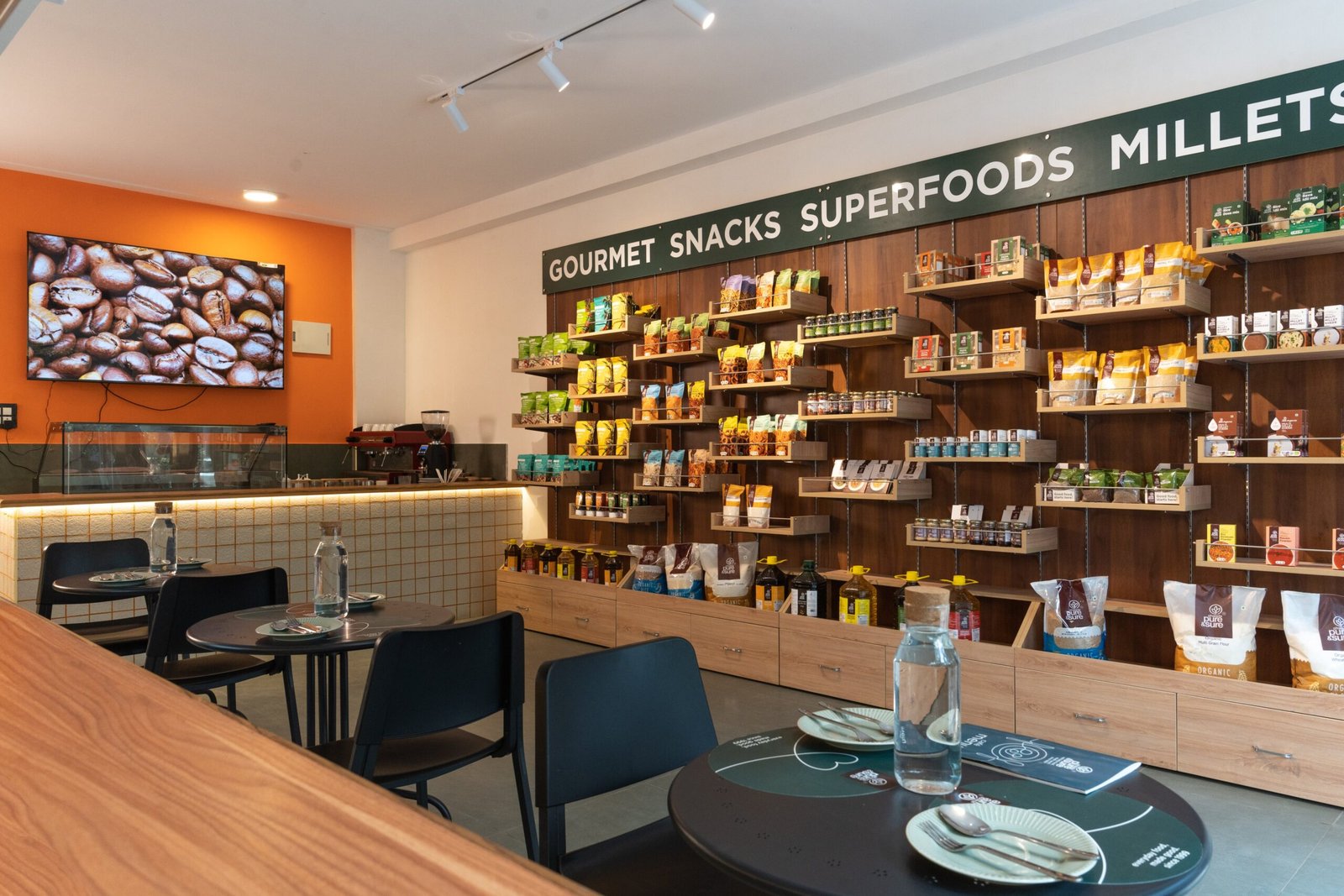
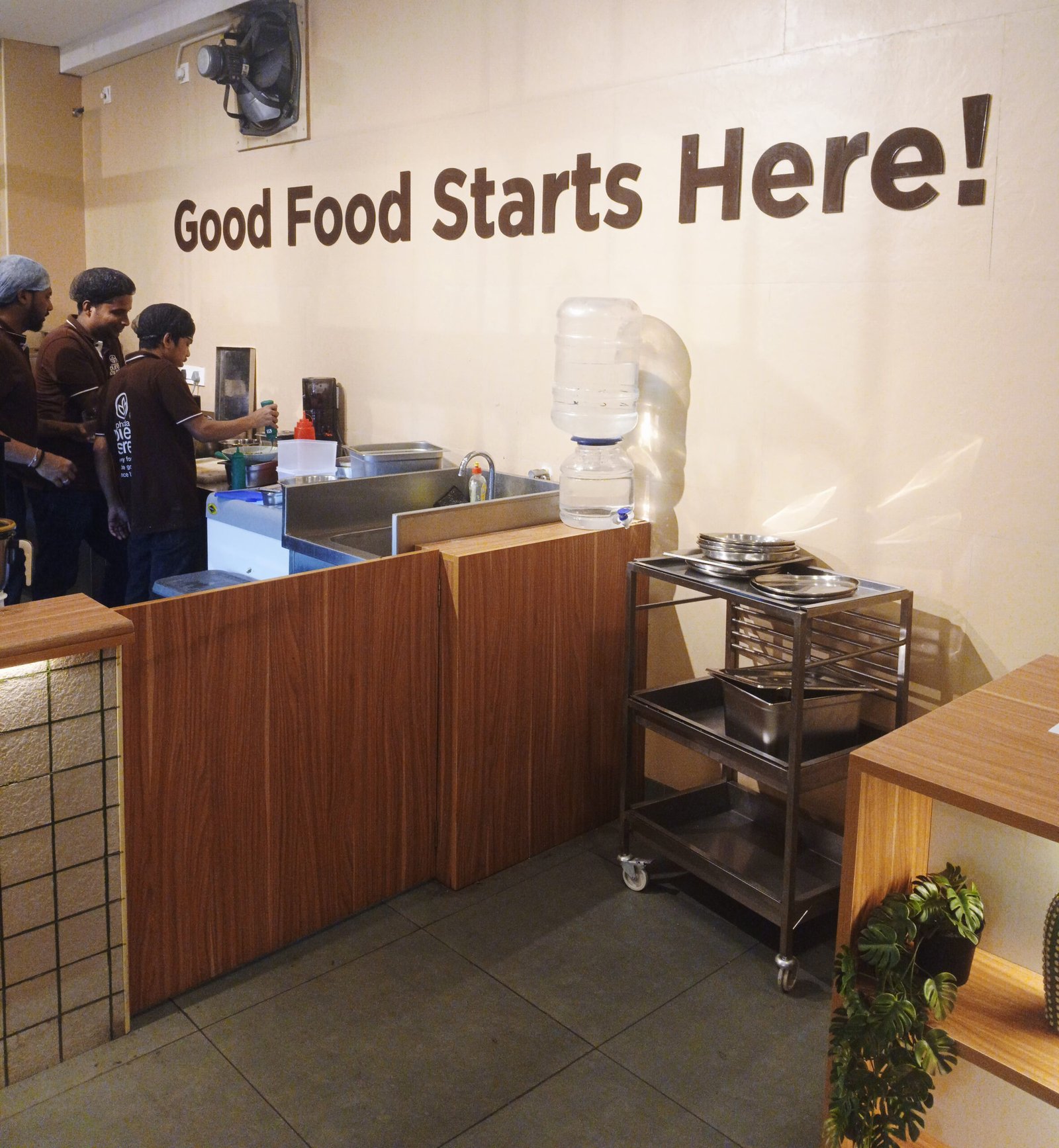
It started with a very simple, very human problem. We had 160 products but any physical store would carry maybe 20. Customers kept telling us at exhibitions, I had no idea you had so much. And this was before quick commerce, before online grocery was anywhere near what it is today.
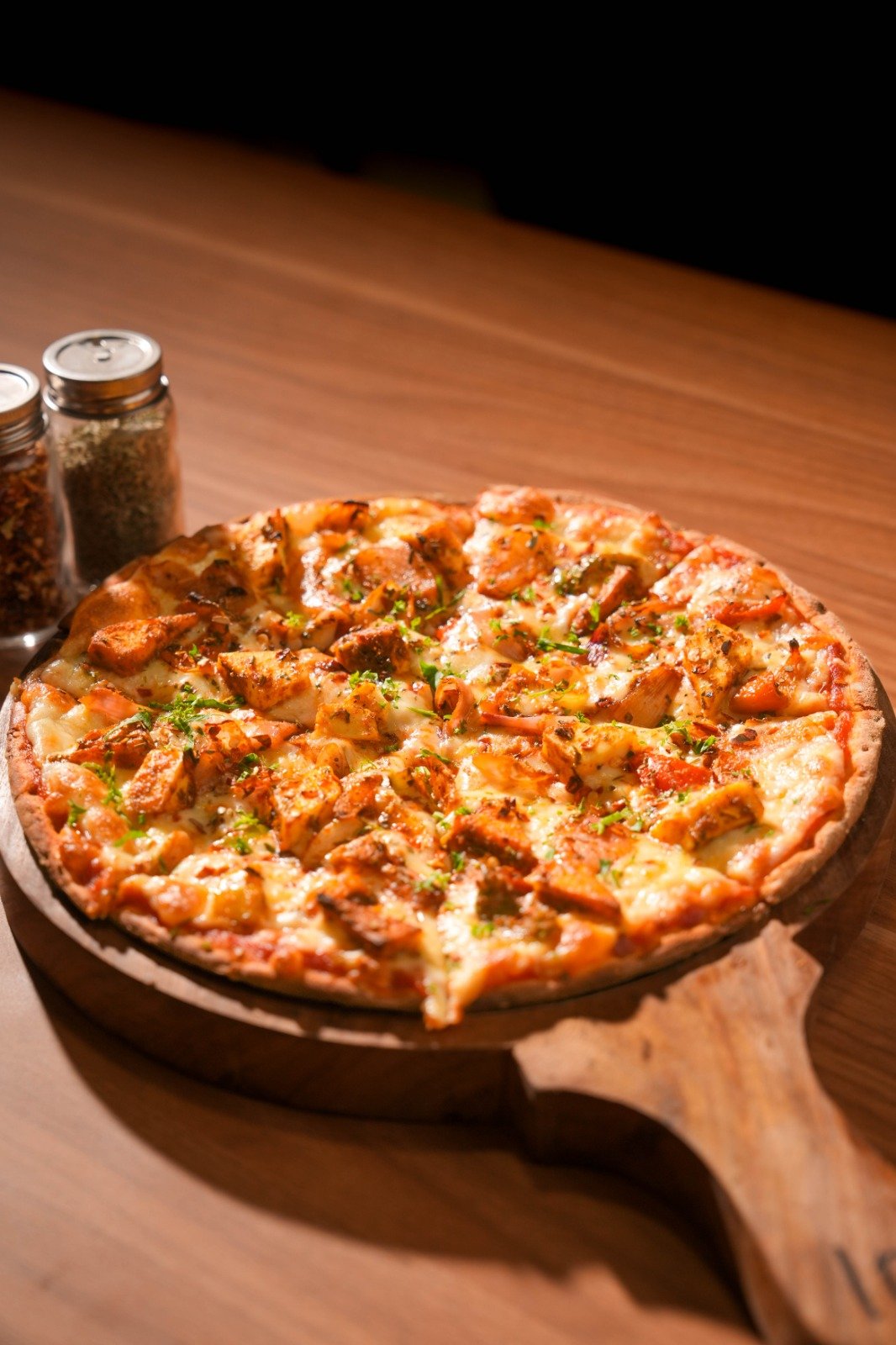
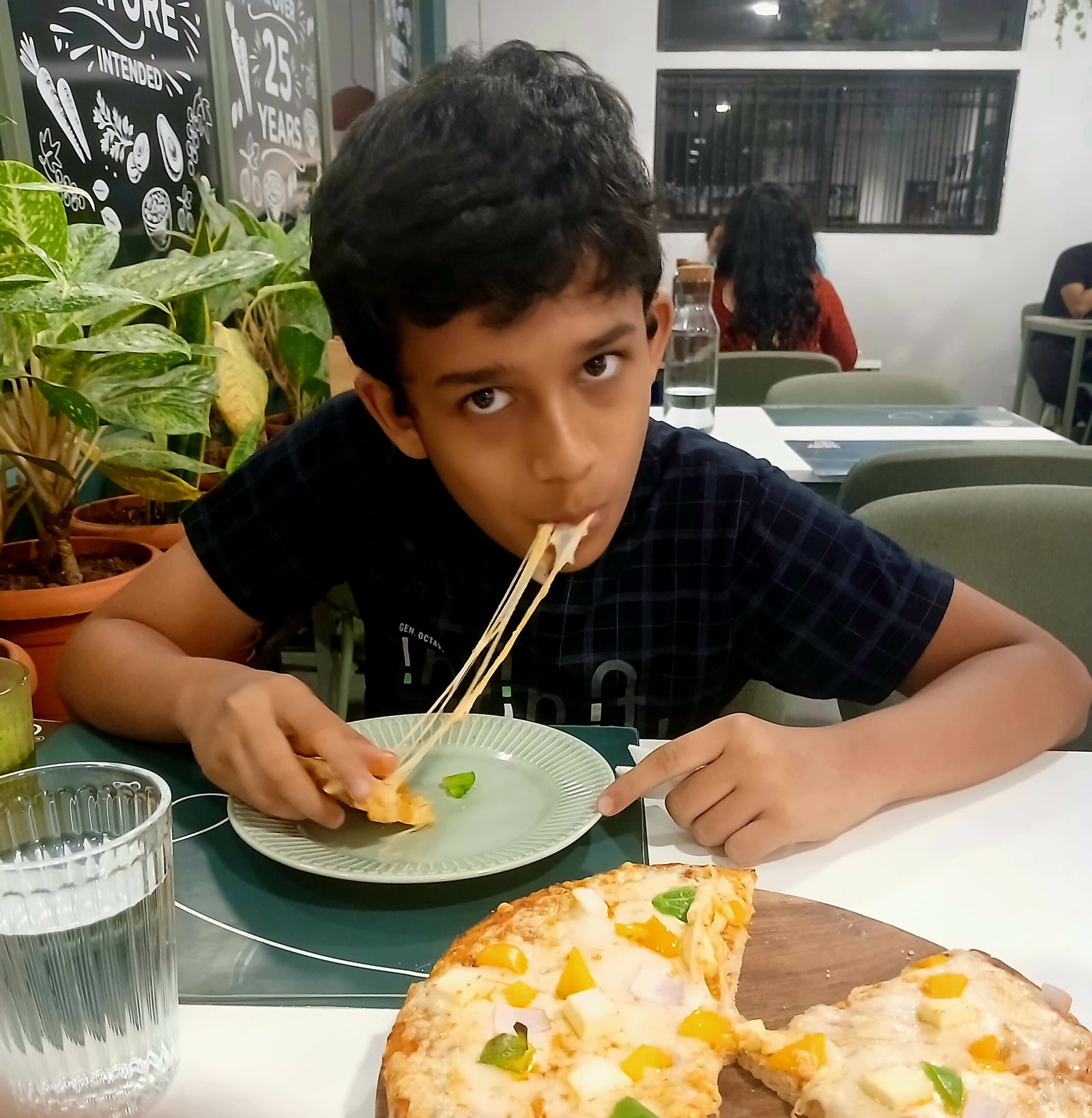
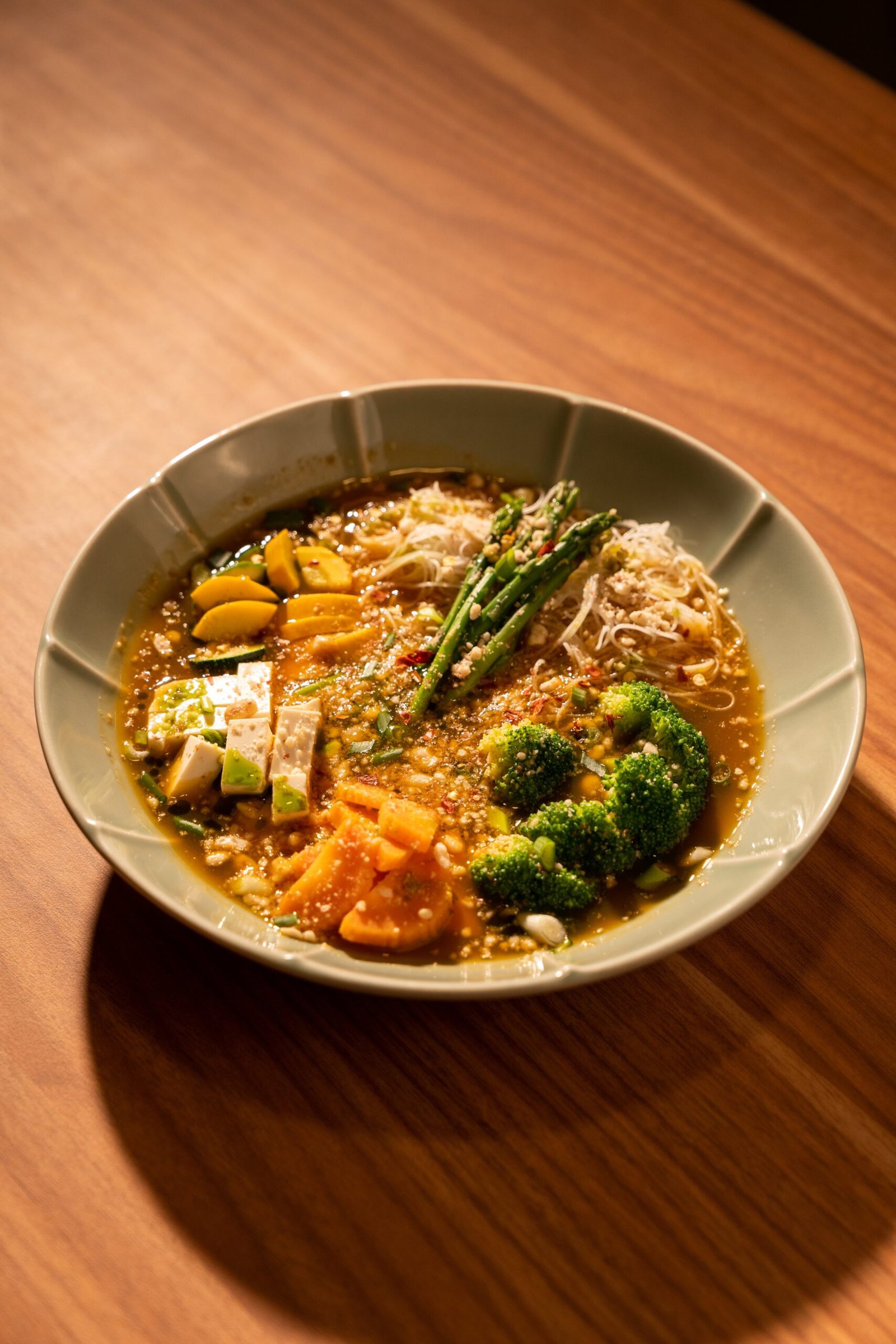
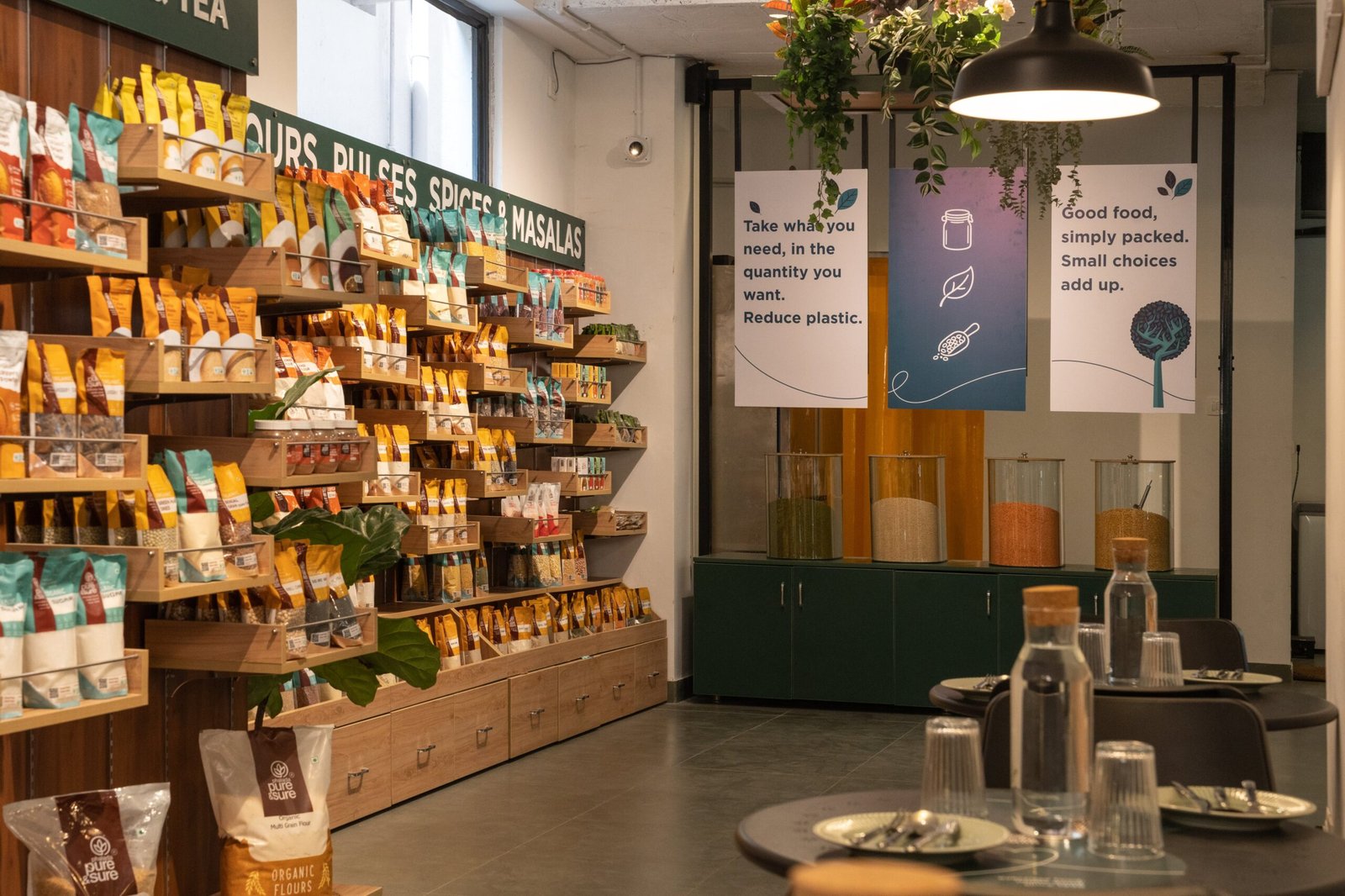
So we thought, let us create a space of our own. And if we are building a store, why not add a café, an open kitchen, the smell of real food being cooked with ingredients people can see and buy off the shelf right next to them.
‘When something tastes good, trust follows naturally. And once that trust is there, everything else becomes easy.’
We had big plans, four locations. Opened the first in Jayanagar in early 2019, a second in Indiranagar by December. Then COVID arrived and took everything apart. We held on as long as we could and eventually let both go. This new space opened just a few months ago. Bigger, warmer, a completely rethought menu. We are building again and it feels good.
There is still nothing else like it. A café that can back every single organic claim on its menu with its own certified supply chain. That credibility, you simply cannot fake.
As an FSSAI advisor, you help shape the standards that govern this space. What is the one conversation you feel the organic industry most needs to have right now?
Consumer awareness. Without question, that is the gap nobody is closing fast enough.
The domestic regulation finally arrived in 2019. But COVID hit almost immediately after and the momentum that should have followed never came. Labels exist, certifications exist, but the average person standing in a supermarket aisle still does not know what to look for on a packet.
And some brands have been very clever about exploiting exactly that confusion. Many have simply woven the word organic into their trademark. No certified claim on the pack, nothing you can legally challenge, but the name carries the suggestion and consumers don’t always catch it.
‘There is natural, there is pesticide-free, there is greenwashing of every shade. People find very creative ways to say what they want consumers to hear.’
The government has done good work on the farmer side. Subsidising certification, supporting organic inputs, building the supply foundation. But if you don’t match that effort on the consumer side, if you don’t build the market at the front end with equal energy and honesty, all of that back-end work goes to waste. A farmer will not stay organic if nobody comes to buy from him. That is the conversation we are pushing hardest right now.
Pure and Sure has been recognized as a top exporter of organic spices. Where do you see the global appetite for Indian organic heading, and which markets feel most promising to you?
We work across two verticals. The parent company sells bulk organic ingredients to buyers across the world. Under Pure and Sure we sell branded products in 11 markets outside India, and that number still feels good to say out loud.
The US and Europe remain our largest, most developed markets and will continue to be. But what has genuinely surprised us is the Middle East. Dubai, the UAE, Qatar. We entered those markets about five years ago and have seen steady, consistent growth since. Southeast Asia is moving too. Singapore, Hong Kong. Still early, still small numbers, but the appetite is real.
‘India as a producer country has a natural advantage that the world is only beginning to fully appreciate.’
The opportunity out there is enormous. And with the foundation we have built, we feel we are only just beginning.
You are now present across 22 states. How do you make sure the care that went into the very first product is still alive in every one that follows?
We are in most major stores across these states. The metros are still our strongest ground but cities like Mysore, Pune, Nagpur, Ahmedabad have a solid, consistent consumer base. People who have decided that organic is not a phase. It is simply how they eat now.
At a national level there are perhaps six to eight brands with genuine pan-India reach. The competition is real and we welcome it. What keeps the quality honest, what keeps me honest, is staying close to every step of the supply chain. Every single product, all 160 of them, comes into our four-acre facility in Bangalore, gets processed with care and goes out from there. That control is not something you hand over, ever.
‘We have stuck to our principle of providing the best genuine organic products from day one. No compromise. That part has never been up for discussion.‘
If someone picks up a Pure and Sure product for the very first time today, what would you most like them to feel when they open it?
Trust. Just that, simply and completely. We live in a time of relentless information. Every influencer telling you this ingredient is harmful, that one is worse, read the label, question everything. Food has become a source of anxiety rather than something that gathers people together and makes them happy.
‘There are a hundred things to worry about in life. Food should not be one of them.’
When someone picks up a Pure and Sure product, I want them to feel free to just cook and eat and enjoy. We have done all the heavy lifting. Every product tested, every ingredient certified, every farmer known to us personally. So, they don’t have to carry that weight.
That confidence at the kitchen counter, that feeling of, I know this is good, I don’t need to wonder, that is what we have spent all these years building. That is what we are really offering.
A pleasant evening at Pure & Sure’s café in Bengaluru. The coffee was organic, the food was real, and somewhere between the first question and the last, it became clear that Surya Shastry is not simply selling food. He is selling the freedom to stop worrying about it.