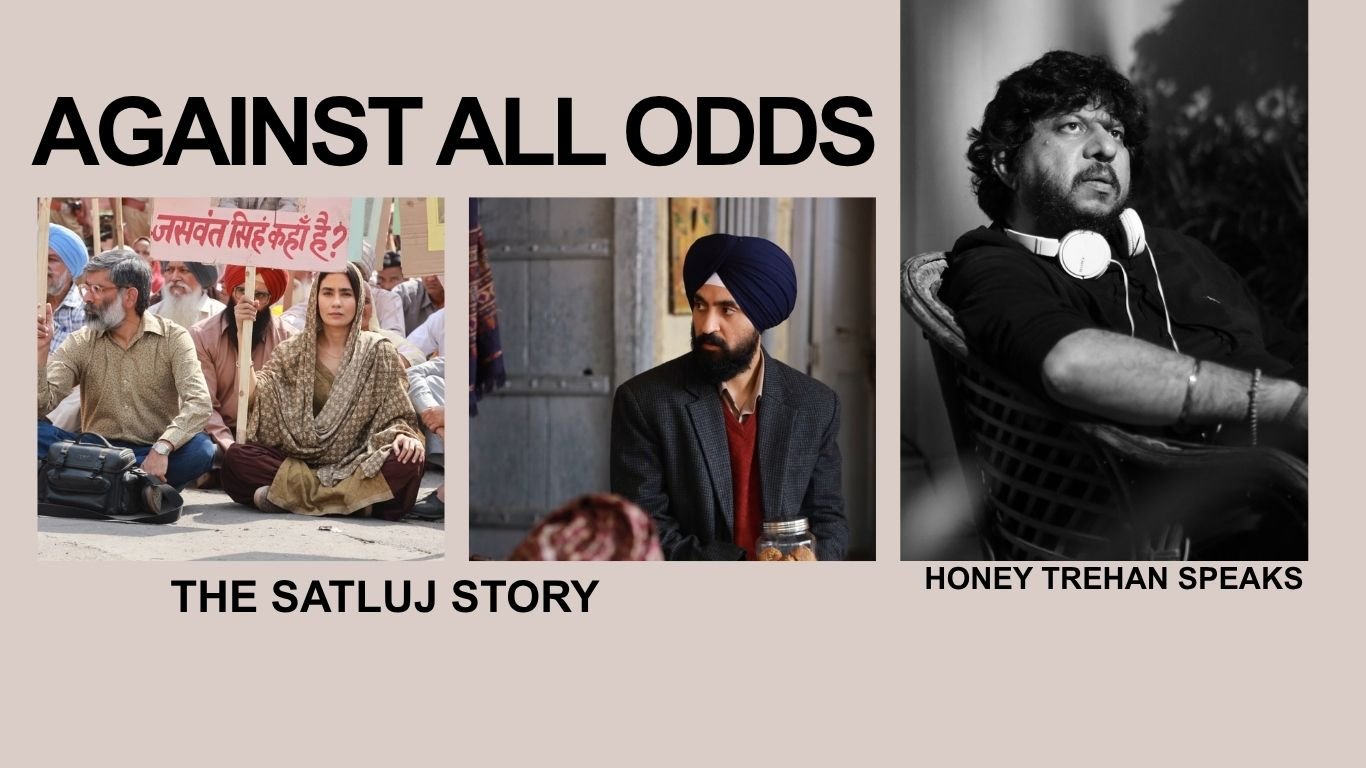
Honey Trehan – Director, Satluj
For decades, as Bollywood’s foremost casting director Honey Trehan has shaped some of Hindi cinema’s most memorable performances from behind the scenes. Today, he finds himself at the centre of one of the industry’s most important conversations on his film Satluj that was removed from Zee5 after two days.
…Widely regarded as one of Bollywood’s most gifted casting directors, Honey Trehan built an extraordinary career as casting director by spotting talent, trusting instinct and redefining the art of casting through landmark films such as Maqbool, Omkara, Kaminey, Delhi Belly, Talvar and Udta Punjab. As filmmaker Vishal Bhardwaj’s trusted collaborator for nearly two decades, he helped shape some of modern Hindi cinema’s most acclaimed films before stepping behind the camera himself.
With Satluj… originally titled Panjab ’95… Honey Trehan took his boldest creative leap. Inspired by the life of human rights activist Jaswant Singh Khalra, the film has travelled a long and turbulent road marked by delays, censorship challenges, bans and heated public debate. Yet, through every obstacle, Honey Trehan remained steadfast in his belief that some stories are too important to remain untold.
The impact has been impossible to ignore. Amid the global conversation surrounding Satluj, director Honey Trehan has climbed to No. 1 on IMDb’s popularity rankings, ahead of the film’s leading man the very popular Diljit Dosanjh, who is currently No. 3… a testament to the remarkable attention his work has generated across audiences worldwide.
In an exclusive conversation with Sumita Chakraborty, Founder & Editor-in-chief, TheGlitz, the visionary and deeply compassionate Satluj director Honey Trehan reflects on the childhood memories that compelled him to tell Jaswant Singh Khalra’s story through Satluj, the invaluable lessons he learnt working alongside Vishal Bhardwaj, the emotional weight of recreating painful chapters of history, the challenges surrounding Satluj‘s release and abrupt disappearance from streaming, his collaboration with Diljit Dosanjh, and why he believes cinema, at its finest, has the power to heal wounds, preserve memory and bring people together… and more importantly, why Satluj needs to be watched legally.
Over To Honey Trehan, Director, Satluj
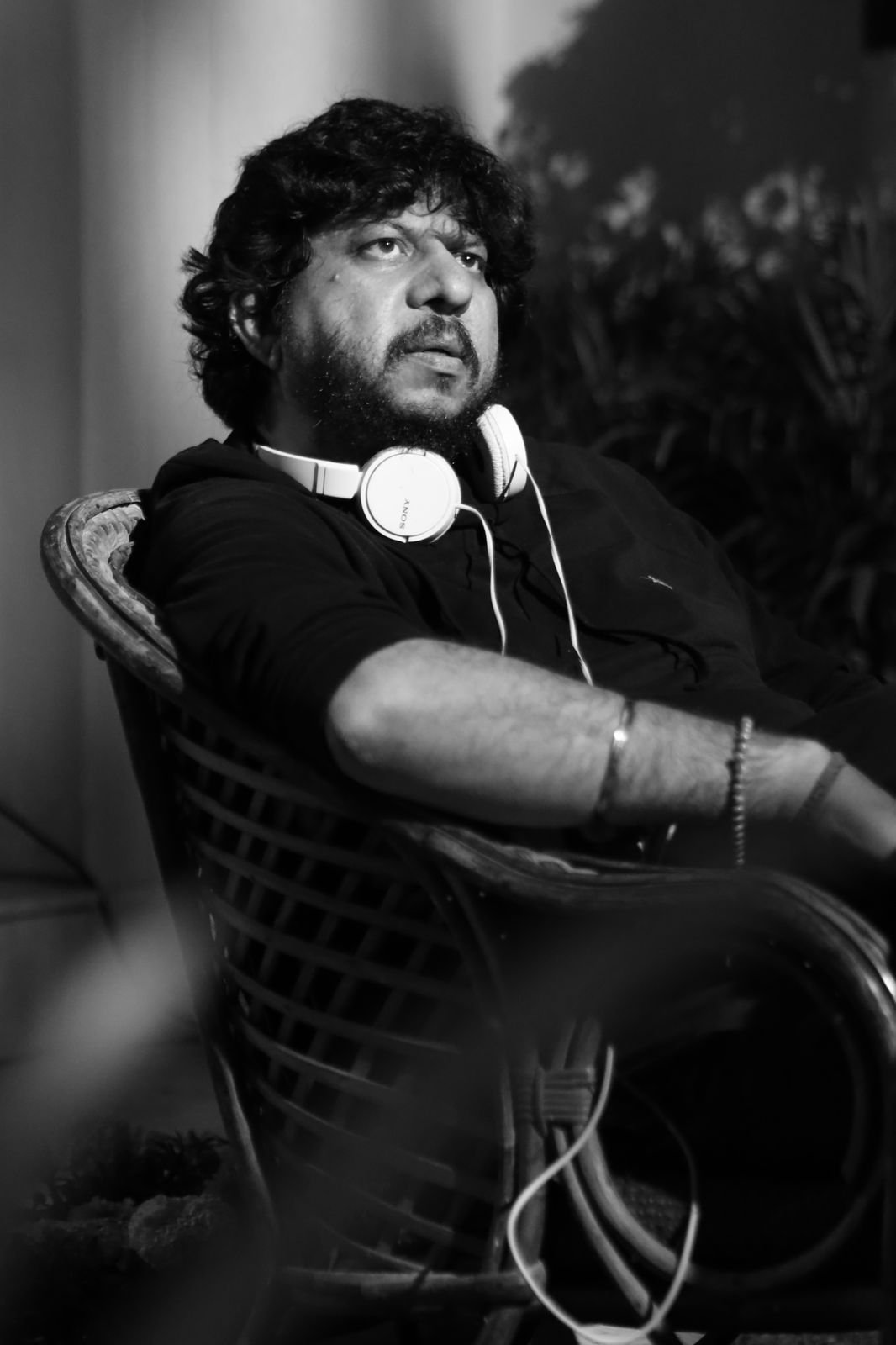
Satluj has had an extraordinary journey — from being titled Panjab ’95, navigating years of challenges, finally reaching audiences after a long wait and then getting removed from the Zee5 platform after two days. When did you first encounter Jaswant Singh Khalra’s story, and what was it about his life and work that made you feel this was a story that needed to be told?
Honey Trehan: I come from Tarn Taran in Punjab and during my growing up years, I kept hearing the name of Jaswant Singh Khalra and about everything that was happening in Punjab during those years. Those childhood memories stay with you. In fact, my partner Abhishek Chaubey would often tell me especially during the making of ‘Udta Punjab’, ‘Honey, why don’t you tell your Punjab stories? They are incredible.’
For me, this wasn’t just about one man. Jaswant Singh Khalra stood for humanity. He wasn’t fighting for one religion or one community. He believed justice should be equal for everyone. When people talk about martyrs, I don’t believe Jaswant Singh Khalra’s sacrifice is any less significant than that of Bhagat Singh. So i had to make this film as I believed Khalra sahab’s story needed to be told.
Today, I am truly overwhelmed that people have liked and understood Satluj so well – it’s not just from any one community, it’s from everybody.
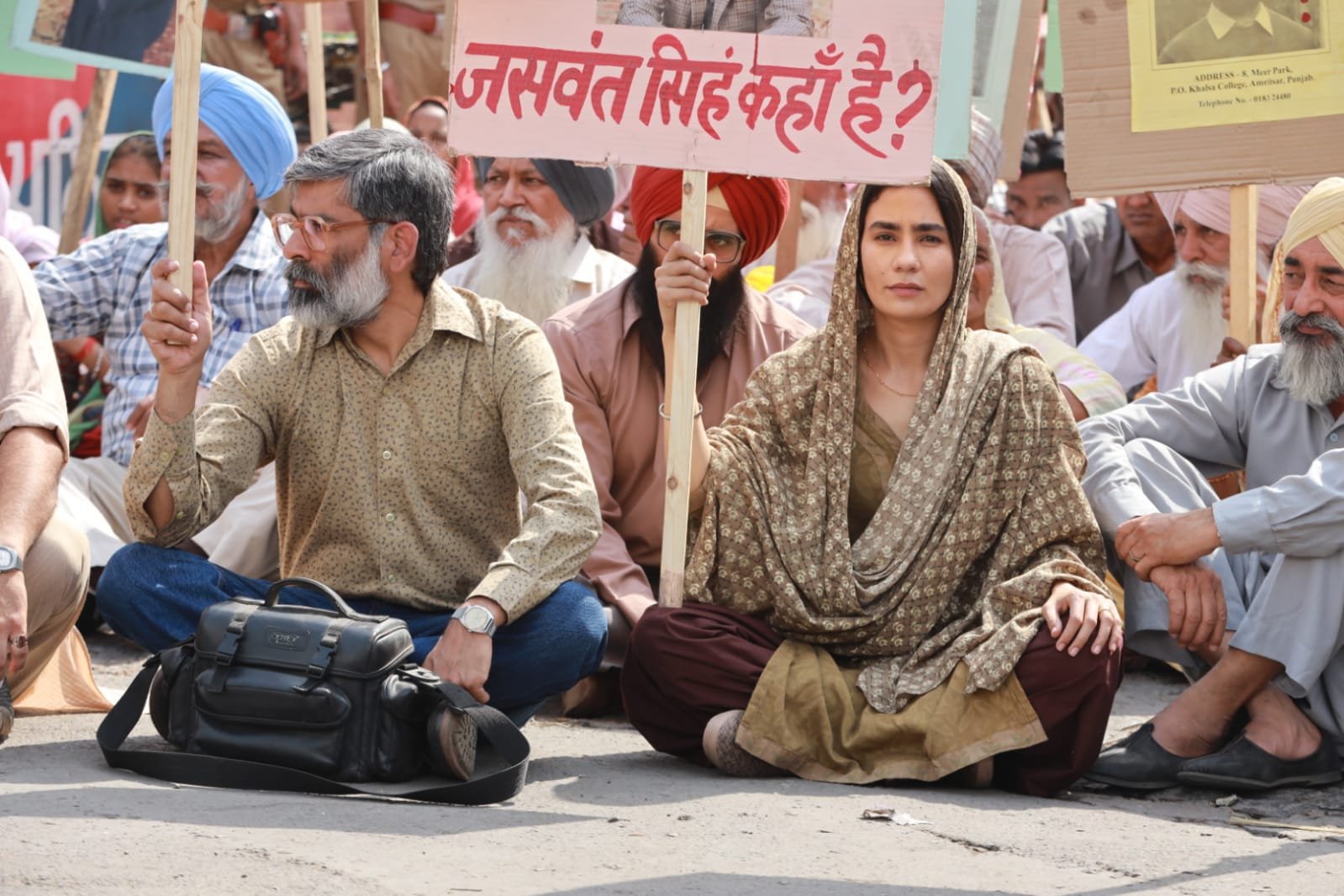
Films based on real events, especially those involving painful chapters of history, come with a tremendous sense of responsibility. How did you approach telling Jaswant Singh Khalra’s story with sensitivity, ensuring that the film remained human at its core while portraying a complex and emotionally charged period?
Honey Trehan: No… of course, I am human too. There were moments when I felt overwhelmed. But I realised that when you’re telling a story like this, the most important thing is to be sensitive towards it. That sensitivity is something I learnt from a master like Vishal Bhardwaj. I worked with him for nearly 15 years, and I think a filmmaker’s thought process, his sensibility and the way he approaches a story… I learnt a great deal from him.
But when you’re making a film based on real people, you constantly remind yourself that these are not fictional characters. Some of those people are no longer alive and can no longer tell their side of the story. Their families are still here. They have lived through unimaginable pain, and you have a responsibility towards them. So, I kept that in mind throughout the time we were shooting the film.
One incident during the shoot changed me completely. We were filming a scene where an elderly woman tells Jaswant Singh Khalra, “You will leave after this, but when the police come to our house later, what will happen to us?” That moment in the story later inspires Khalra to print visiting cards so that people know whom to contact.
When the shot was over, one of my assistants went to the elderly woman who gave that shot and said, “Aunty, you delivered that dialogue so beautifully.” She was in tears. She looked at him and replied, “For you, it is a dialogue. For us, it is our life. We have lived through this.”
I was listening on my headphones, and those words shattered me. That was a turning point in my life. At that moment, I realised this was no longer just a film. It had become a responsibility that I had to honour.
That single incident changed the film. I had planned to put songs in the film and had even recorded them. After that incident, I removed the songs and instead brought Gurbani into the narrative. Had my assistant not spoken to that woman, had she not given that response, perhaps Gurbani would never have become a part of this film.
The film went through several phases, including changes in its title and a prolonged journey before release. As a filmmaker, what does that process teach you about perseverance, creative conviction and staying connected to the original soul of a story despite external challenges?
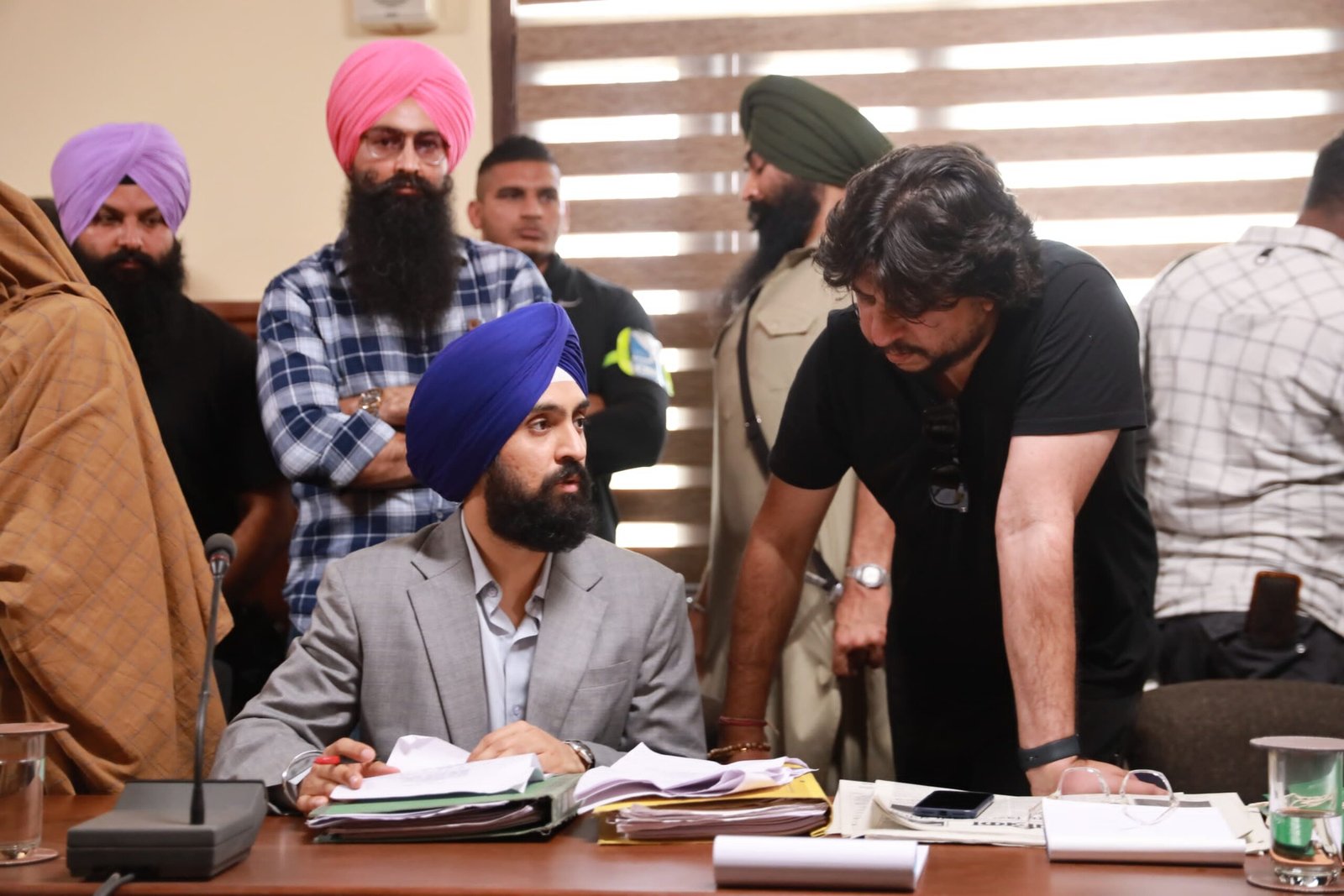
Honey Trehan: It’s still going through challenges. But more than feeling happy today, I would like to use this opportunity to make a request. I sincerely hope people understand that this film is not about disturbing harmony. In fact, I have seen the opposite happen.
Thousands of people have watched the film together… Hindus, Sikhs, Muslims, Christians… everyone sitting together. ‘वहाँ कोई जात नहीं, कोई धर्म नहीं, कोई अमीर-गरीब नहीं।’ (‘There is no caste, no religion, no rich or poor there.’) Everyone is simply watching a human story. For many people in Punjab, the film has worked like a healing balm on old wounds.
Diljit Dosanjh’s association with Satluj has become one of the most talked-about aspects of the film. What was your first conversation with Diljit like, and what did he bring to the role of Jaswant Singh Khalra that surprised or moved you as a director?
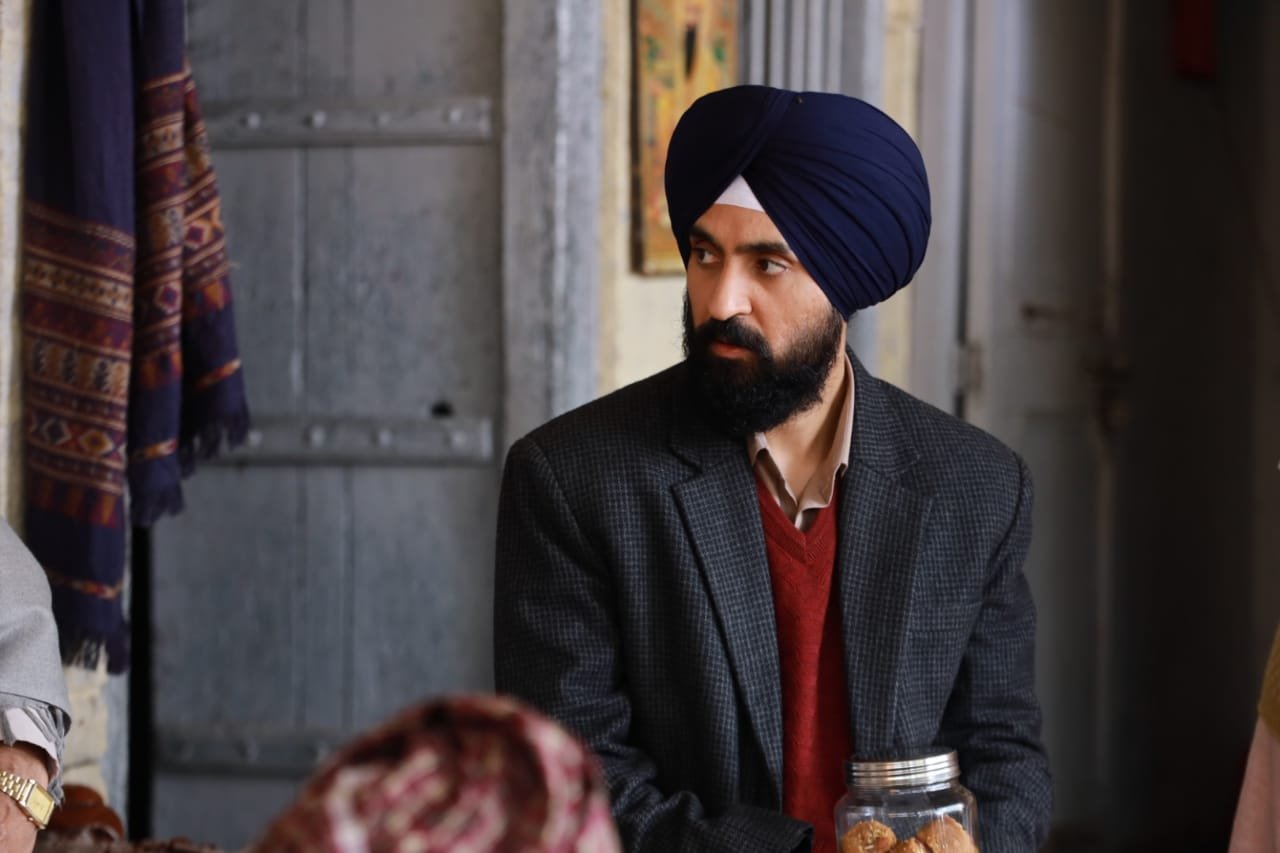
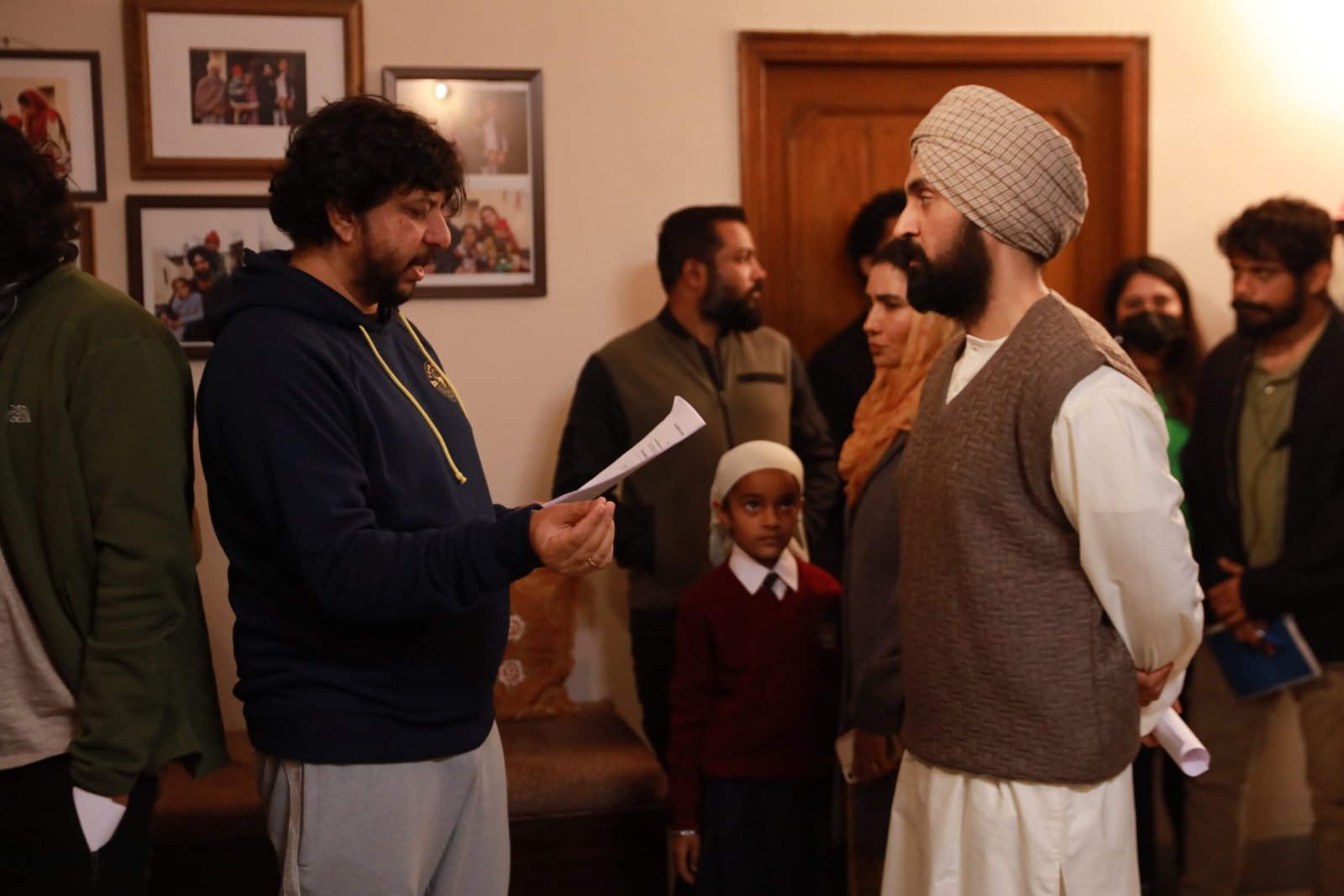
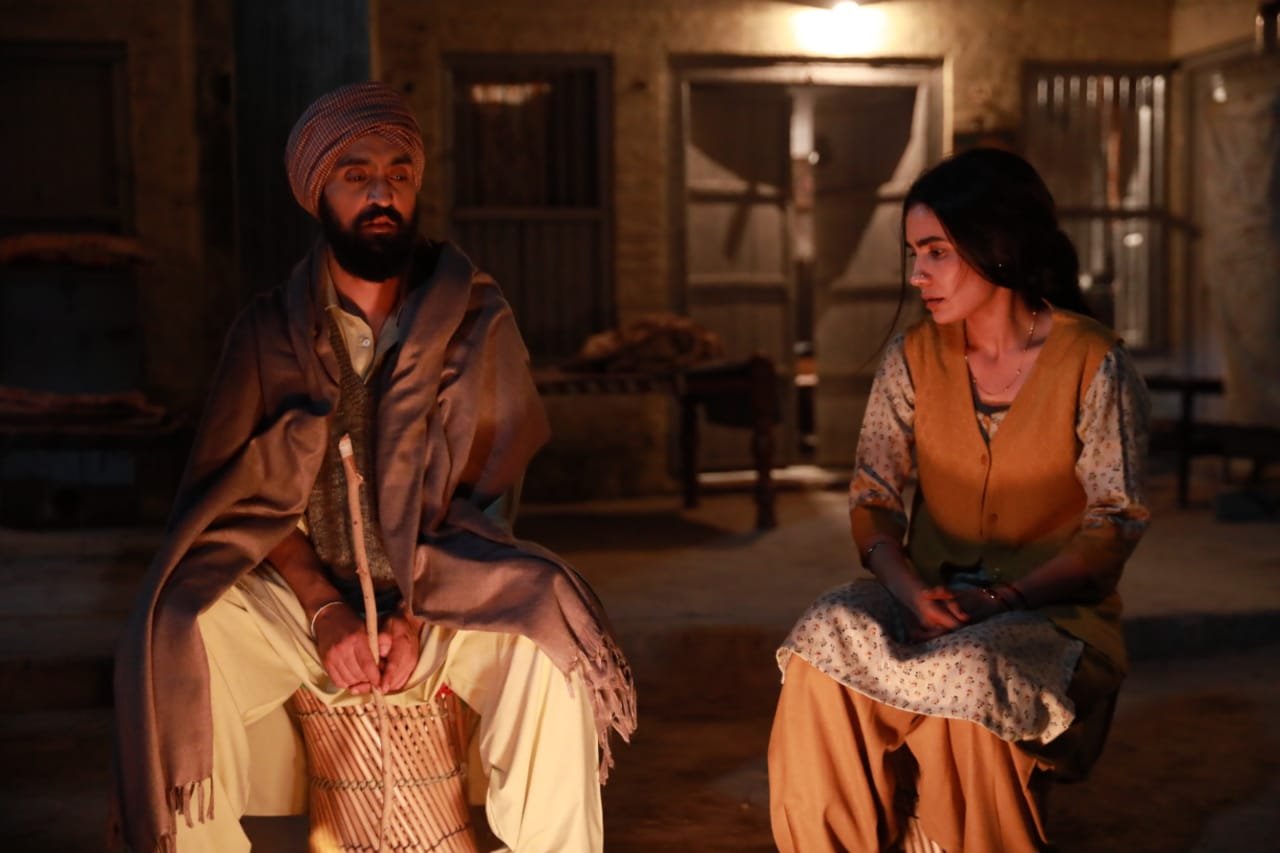
Honey Trehan: Diljeet Dosanjh is one of the most honest and spiritually evolved people I have met. I needed someone who was spiritually connected. ‘जिसके सच बोलने से चीज़ें सच लगती हैं।’ (‘Someone whose truth makes every word feel truthful.’)
When I narrated the story to Diljit, he looked at me and said, “It would be shameful for me to charge money to portray someone like Jaswant Singh Khalra.“ He agreed to do the film for a token ₹1. That gesture said everything about the respect he had for Khalra sahab and the conviction with which he came on board.
If Diljit Dosanjh had not agreed to do this film, I honestly don’t think I would have been able to make it.”
After the film’s release on ZEE5, it was removed from the platform within two days, creating a national conversation around access, censorship, storytelling and audience rights. Without commenting on ongoing processes, how has this experience affected you personally as a filmmaker and your belief in the power of cinema?
Honey Trehan: I’ve gone through similar situations several times over the years, so my reaction was simply… ‘Okay… one more time.’
Of course, it wasn’t easy. But after everything the film has already been through, I have learnt to keep moving forward.”
But at least for those two days, the film was available, people watched it, and there was so much appreciation. What do you feel now?
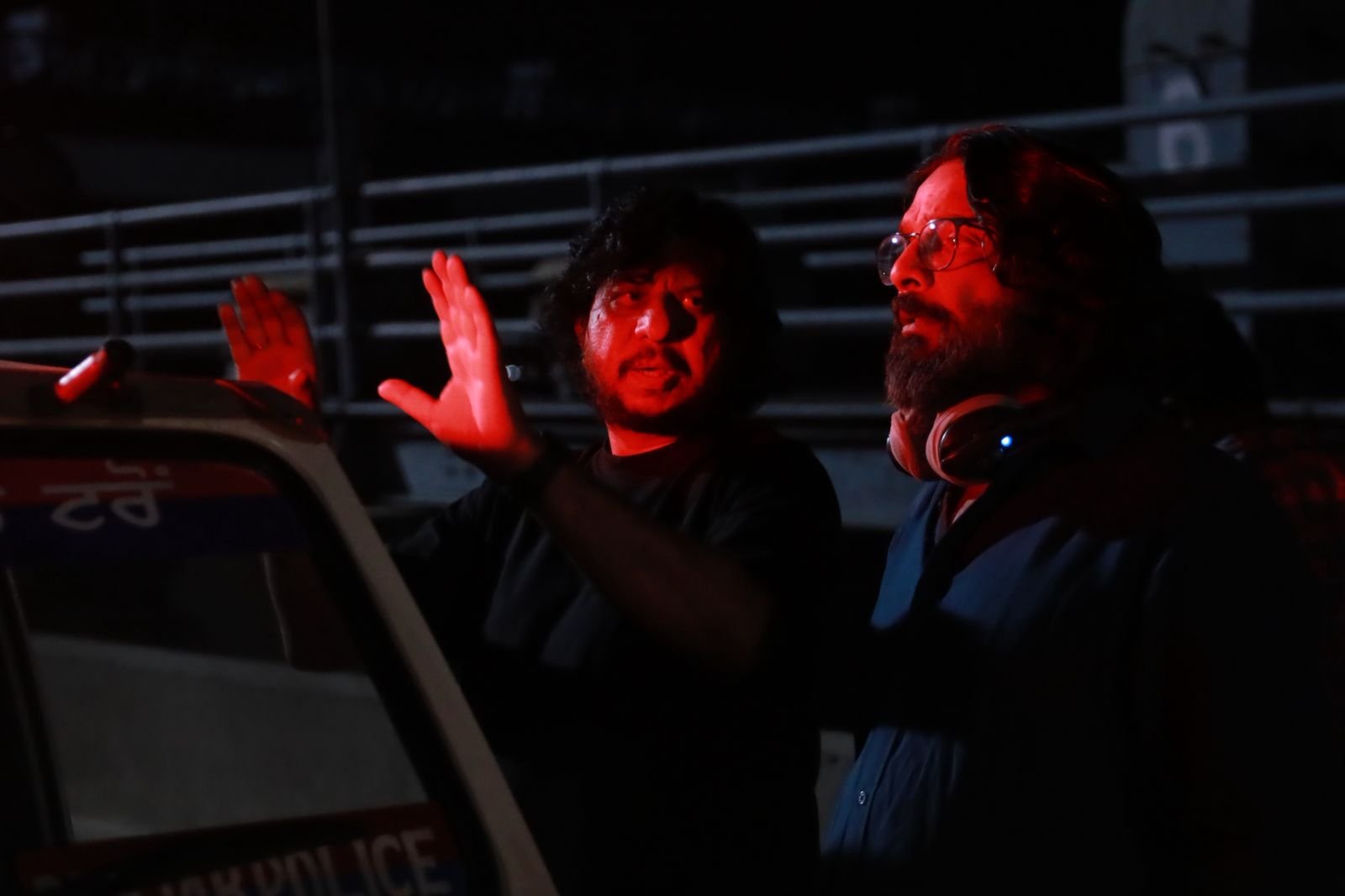
Honey Trehan: People are watching the film illegally now. I understand why… they’ve been deeply moved by it. But I think, somewhere, by removing the film from the platform, that action is responsible for creating this situation.
When a film is being so well received, when it is only spreading harmony, love, peace and unity, then why should it be taken away? We are such a large and strong country. We shouldn’t be afraid of people watching a film. We shouldn’t be thinking in terms of polarising people or creating hatred.
Instead, the film should be allowed to remain on the platform so people can watch it legally.
No filmmaker wants their work to be pirated. Every filmmaker wants audiences to watch the film through the proper legal channels. But when people have no legitimate way to watch it, piracy becomes inevitable.
Today, because of this situation, my producer is bearing a loss of nearly $5 million, around ₹40 crore. That’s an enormous amount of money. And what is his fault? He made a film, completed all the legal processes, and yet, through no fault of his or mine, he is facing this huge financial loss.
The producer made this film legally and in good faith. None of this happened because of anything he did wrong.
I only hope a solution can be found that allows audiences to watch the film through legitimate means while also protecting the people who invested years of work into making it.
I hope the government listens. If you had one request to make…
Honey Trehan: That would be my request… to let people watch the film legally.
Honey, people across India… and even internationally… are talking about Satluj. You’ve also reached No. 1 on IMDb’s popularity rankings, ahead of Diljit Dosanjh, who is at No. 3. You’ve lived and breathed this film for years. Now that it has finally reached audiences, what’s next for you?
Honey Trehan: Actually, after making Punjab ’95 (Satluj), I had already directed another film, Raat Akeli Hai 2: The Bansal Murder.
Really? That’s wonderful. I watched it… it was very well made.
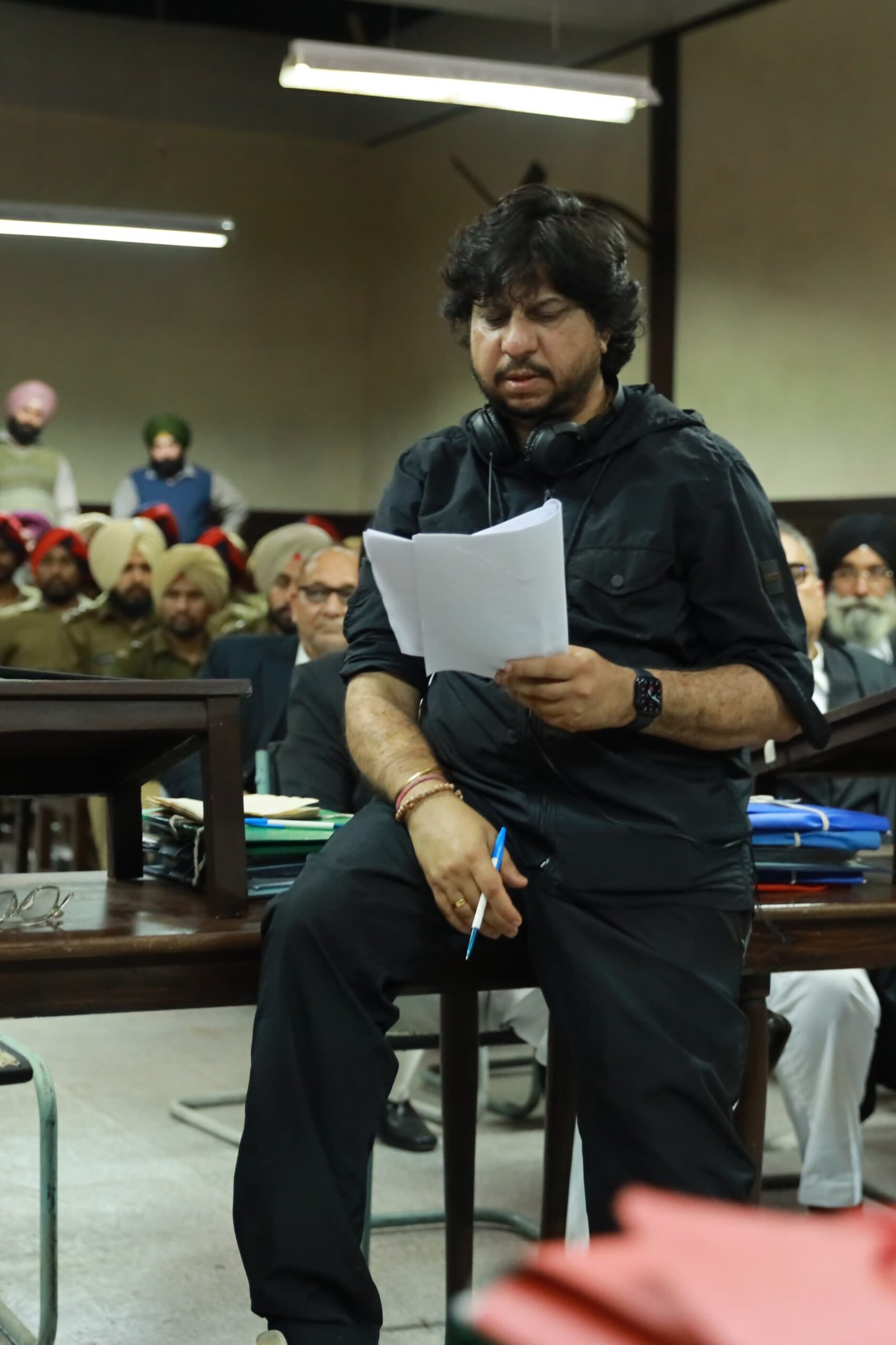
Honey Trehan: There’s something important I want you to mention because I think it will inspire many people.
I want to talk about Ronnie Screwvala. He is an incredible producer who loves this film deeply, and today he’s the one bearing the financial loss because of everything that has happened.
Most producers, in such a situation, might say, “Because of this film, my ₹40 crore has been blocked.” But Ronnie never said that to me.
Instead, he told me, “Honey, this film is stuck today. When the right time comes, it will find its way to the audience. I don’t want you to waste your time and energy waiting endlessly. I know what you’re going through. I understand your pain. Let’s make another film. I’ll produce it for you.”
That is how Raat Akeli Hai 2: The Bansal Murder happened.
That kind of faith gave me the courage to keep creating.
As filmmakers, that’s what keeps us going.
That’s remarkable. Even that film faced its own share of controversies.
Honey Trehan: Yes, it did. People questioned why we were talking about bulldozers and certain issues. But aren’t these also a part of our country? Why should we be afraid of speaking the truth? These are realities too.
In any case, that film was actually supposed to be my second release, but because of everything that happened, Satluj became my third release instead.
As they say, third time lucky.
Honey Trehan: (Laughs) Perhaps it was destined to be my third film. Maybe Satluj is my lucky film. Whatever happens, I’m grateful that people have connected with it.
Thank you so much, Honey. This has been an incredibly inspiring and powerful conversation. Thank you for speaking with me.
Honey Trehan: Thank you so much.