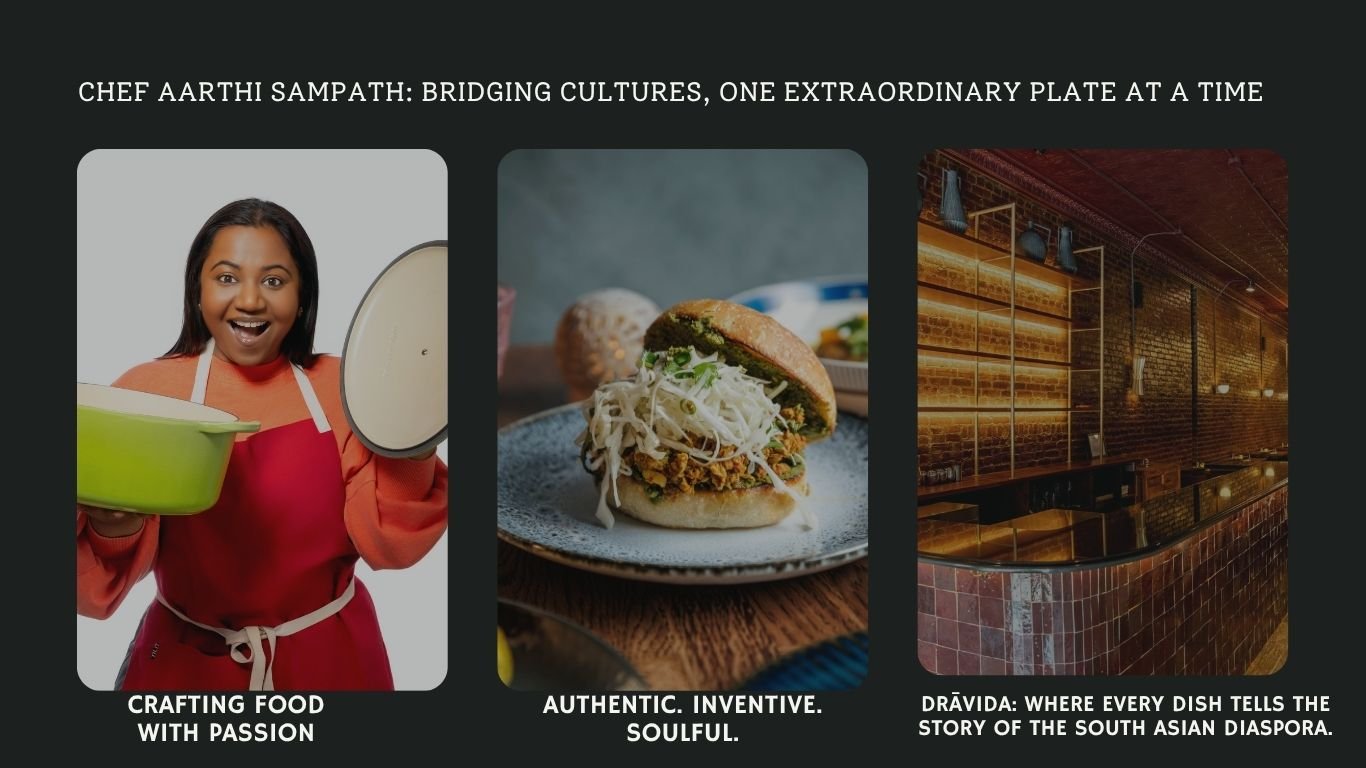
Chef Aarthi Sampath, Founder and Head Chef at Drāvida, New York… acclaimed chef, television personality, and culinary entrepreneur
From the vibrant food lanes of Mumbai to the fiercely competitive culinary landscape of New York, Aarthi Sampath has carved out a remarkable journey defined by resilience, reinvention and an unwavering commitment to telling stories through food. Over the years, she has earned acclaim not only as a chef but also as a television personality, entrepreneur and one of the most exciting voices redefining the global perception of South Asian cuisine.
Having honed her craft in some of New York’s most celebrated kitchens including Junoon, The Breslin and the iconic Rainbow Room, Chef Aarthi went on to win Chopped and Beat Bobby Flay, proving that her culinary instincts could thrive under the most intense pressure. Today, through CookUnity, she brings her signature cuisine to tens of thousands of diners every week across the United States, but for Aarthi, success has always meant something far deeper than accolades.
With the opening of Drāvida in Manhattan’s East Village, she has realised a dream years in the making. More than a restaurant, Drāvida is a heartfelt tribute to the South Asian diaspora… a space where food becomes a passport across borders, generations and cultures. Inspired by the culinary traditions of India, Sri Lanka, Pakistan, Nepal, Trinidad, Guyana, Malaysia and beyond, every plate tells a story of migration, memory, resilience and belonging. It is a bold reimagining of South Asian cuisine that challenges convention while remaining deeply rooted in authenticity.
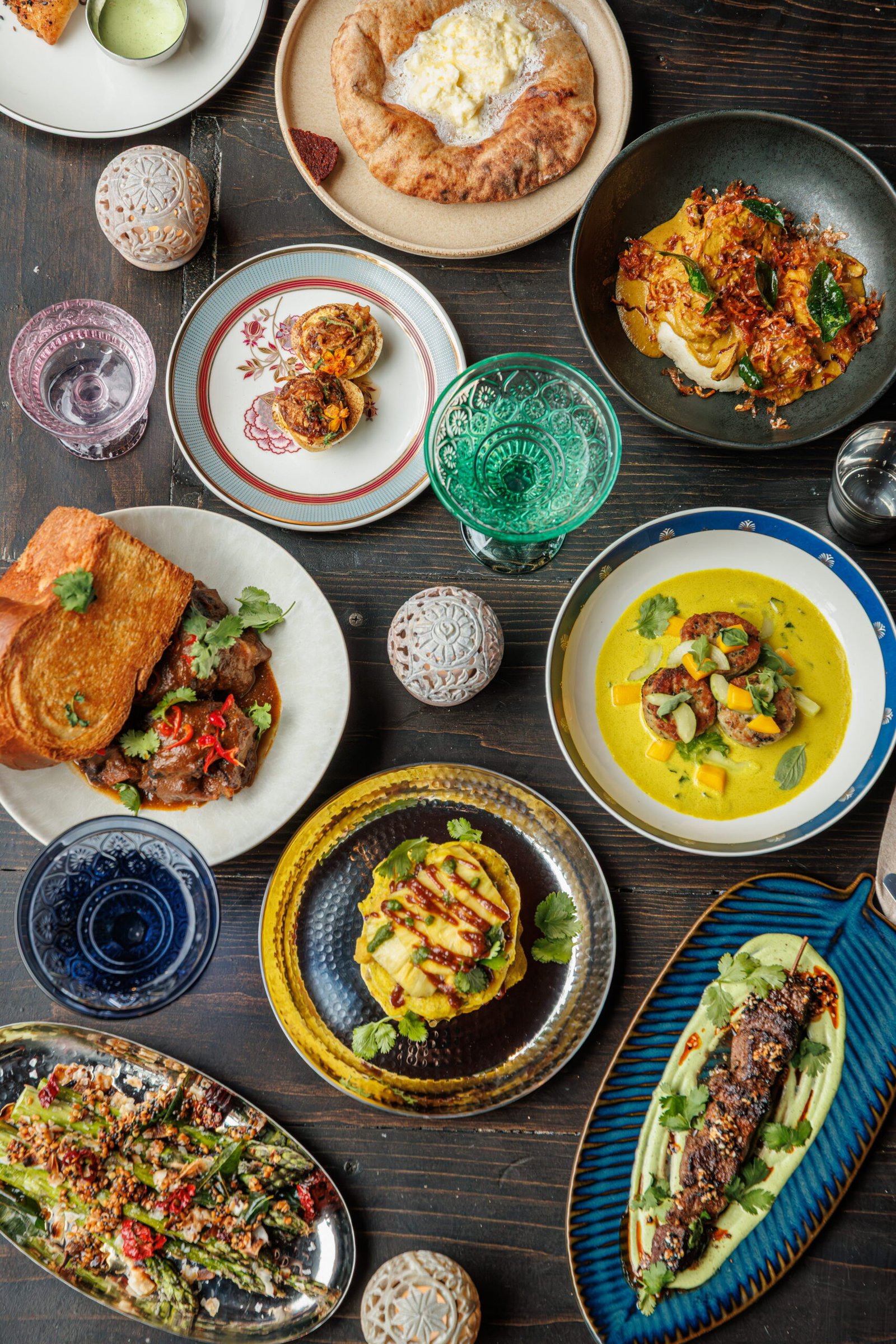
At the heart of Aarthi’s philosophy lies a simple yet powerful belief: representation matters. For her, food is more than flavour… it is identity, history and home. Whether she is serving Trinidadian Doubles, Oxtail Bunny Chow, Khameeri Roti or an inventive cocktail inspired by South Asian nostalgia, she is inviting diners to experience cuisines that have long remained underrepresented, while celebrating the extraordinary cultural journeys that shaped them.
In an exclusive interview with Sumita Chakraborty, Founder & Editor-in-Chief, TheGlitz, acclaimed chef, television personality and culinary entrepreneur Chef Aarthi Sampath opens up about her remarkable journey from Mumbai to New York, the inspiration behind Drāvida, celebrating the richness of the South Asian diaspora, winning Chopped and Beat Bobby Flay, the importance of representation on a plate, and why she believes the future of South Asian cuisine lies in embracing the stories that transcend borders.
Over To Chef Aarthi Sampath, Founder and Head Chef at Drāvida, New York
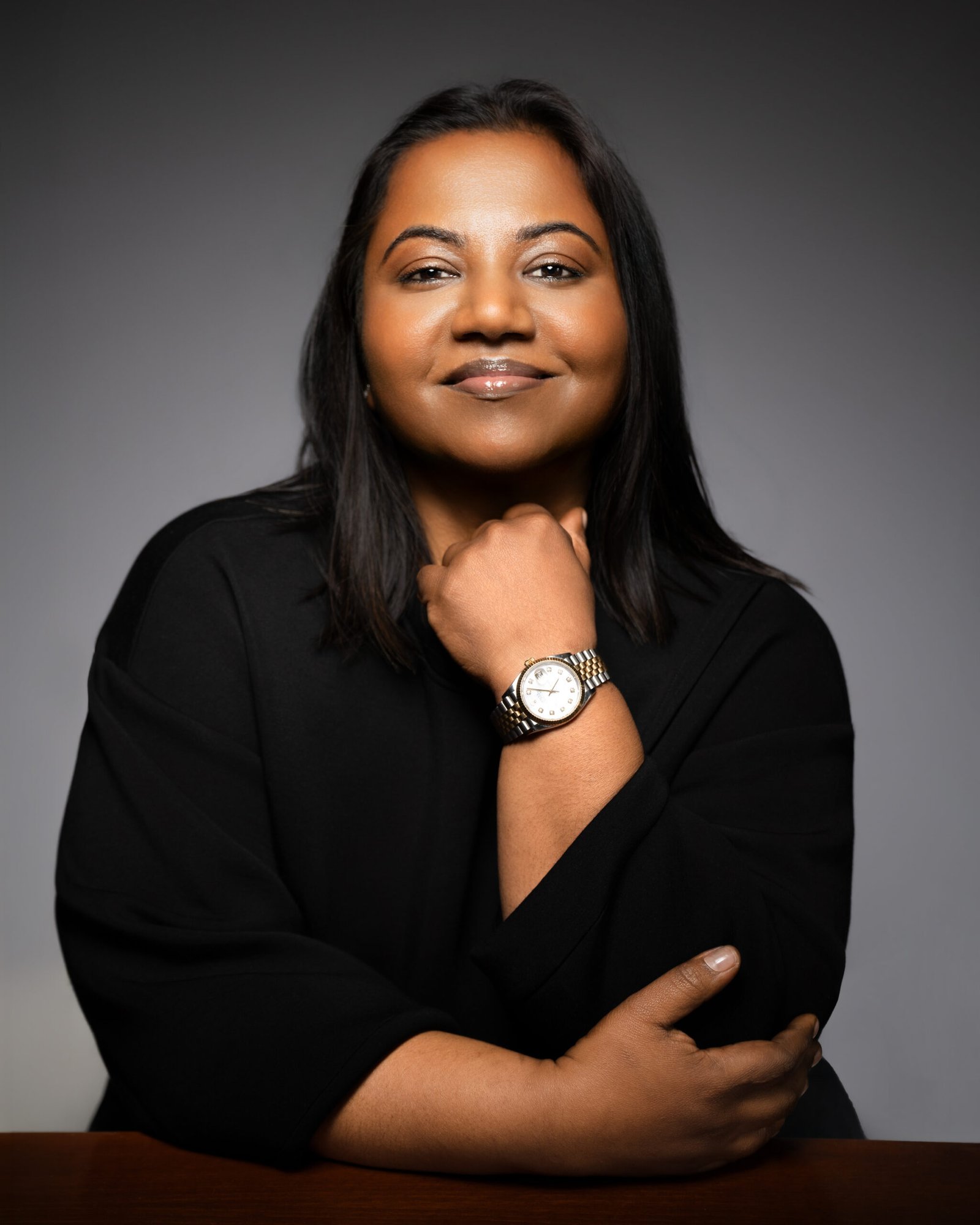
Your journey from Mumbai to New York has been remarkable… from working in some of the city’s most acclaimed kitchens to becoming a Food Network champion and now opening your own restaurant. Could you briefly tell us about your journey? Looking back, what has been the defining moment that gave you the confidence to bring Drāvida to life?
Moving from Mumbai to New York over 16 years ago completely changed the way I looked at food. Professionally, I had the opportunity to work in incredible kitchens and challenge myself in ways I never imagined. Personally, living in one of the world’s most diverse cities introduced me to communities and cuisines that expanded my understanding of South Asian food beyond what I had grown up with.
The biggest turning point came when I realised there were so many stories that weren’t being told. I kept meeting people whose food heritage was missing from restaurant menus, despite New York celebrating cultures from every corner of the world. That gave me the conviction to create Drāvida. It wasn’t the easiest path, and many people doubted the concept, but I believed there was space for a restaurant that celebrated the South Asian diaspora in all its diversity.
Drāvida is much more than an Indian restaurant… it celebrates the rich tapestry of the South Asian diaspora, from Trinidad and Guyana to Sri Lanka, Nepal and beyond. What inspired you to tell this larger, more inclusive story of South Asian cuisine, and why was now the right time?
I’ve always believed that South Asian food cannot be defined by borders alone. Our history has been shaped by centuries of movement through trade, migration and cultural exchange, and those journeys created remarkable cuisines that deserve to be celebrated alongside more familiar regional traditions.
For me, Drāvida became an opportunity to bring those stories together under one roof. Whether it’s a dish from Guyana, Sri Lanka or Malaysia, they all carry echoes of shared roots while reflecting the cultures that shaped them over time. Today, diners are increasingly curious about the stories behind what they’re eating, and I felt this was the right moment to introduce a broader perspective on South Asian cuisine.
You have said that Drāvida is for New Yorkers who haven’t seen their food represented. What does representation on a plate mean to you, and how do you hope diners… both from the South Asian community and beyond… feel when they experience your food?
Representation, to me, is about making people feel seen. Food carries memories, identity and a sense of belonging, and when those dishes are acknowledged with care and respect, it creates a powerful emotional connection.
I hope diners from the South Asian diaspora feel a sense of pride in seeing cuisines that are rarely highlighted in contemporary restaurants. At the same time, I want guests who may be unfamiliar with these traditions to leave with a deeper appreciation for just how layered and diverse our food culture really is. If the meal starts conversations and encourages people to explore beyond the familiar, then we’ve achieved something meaningful.
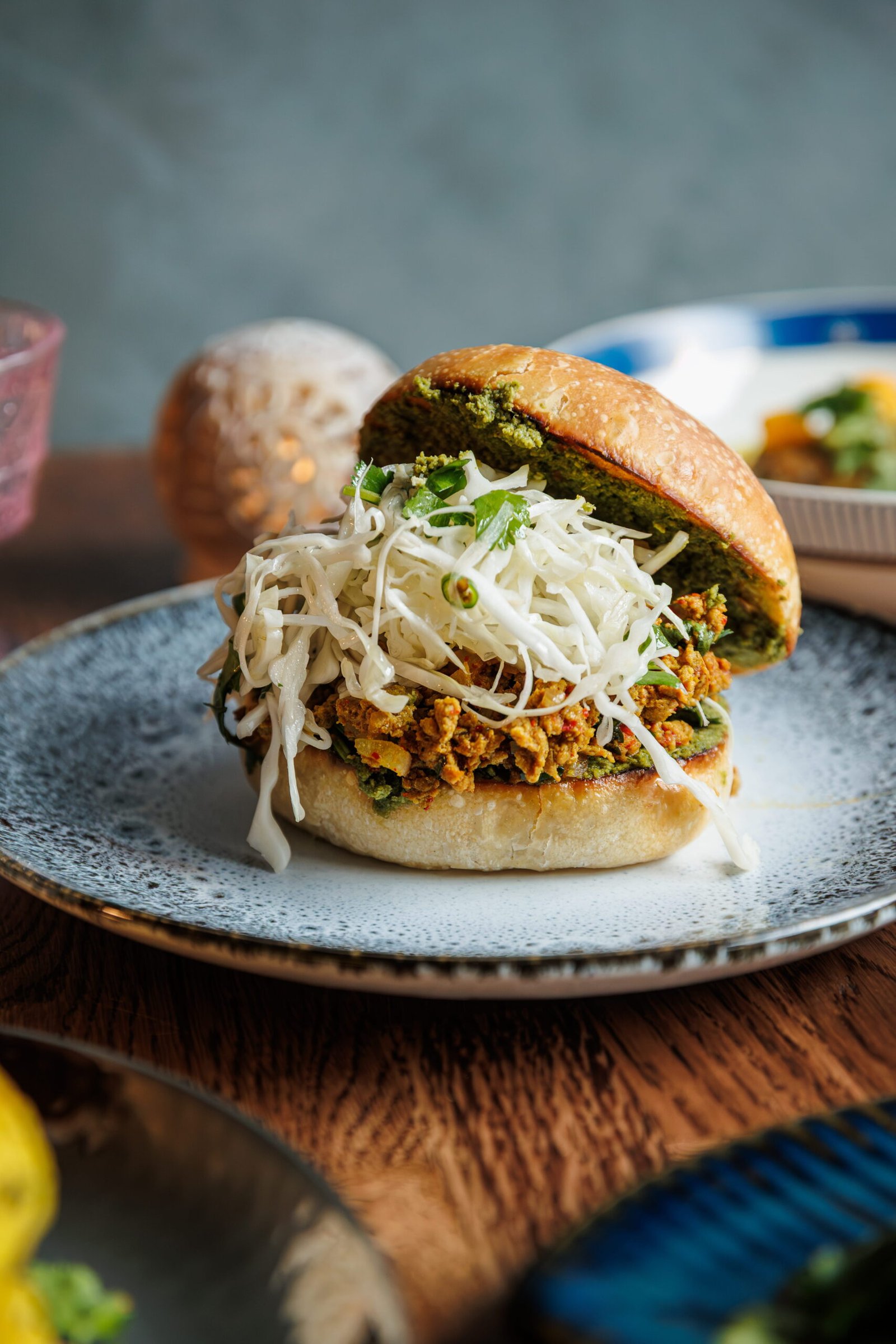
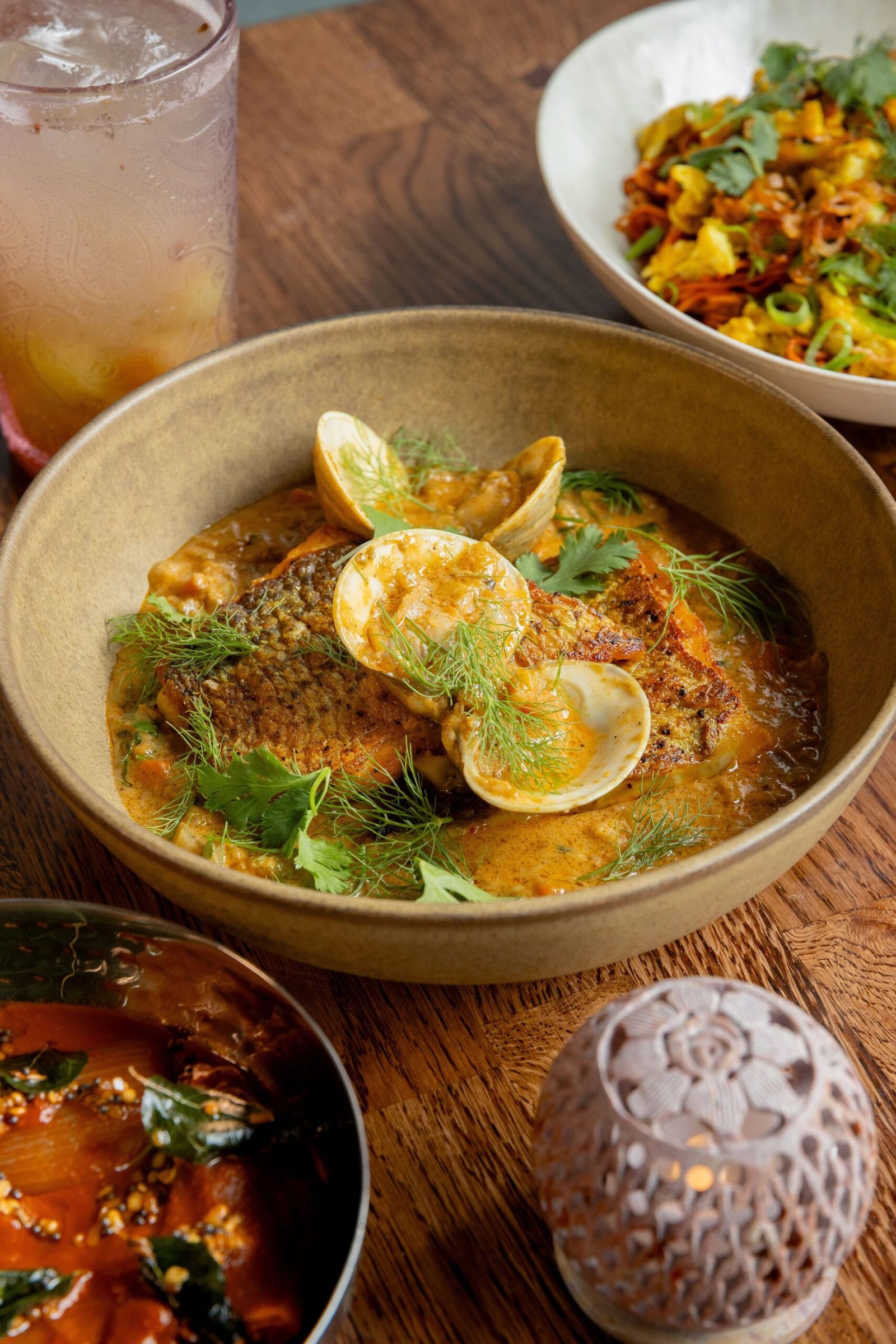
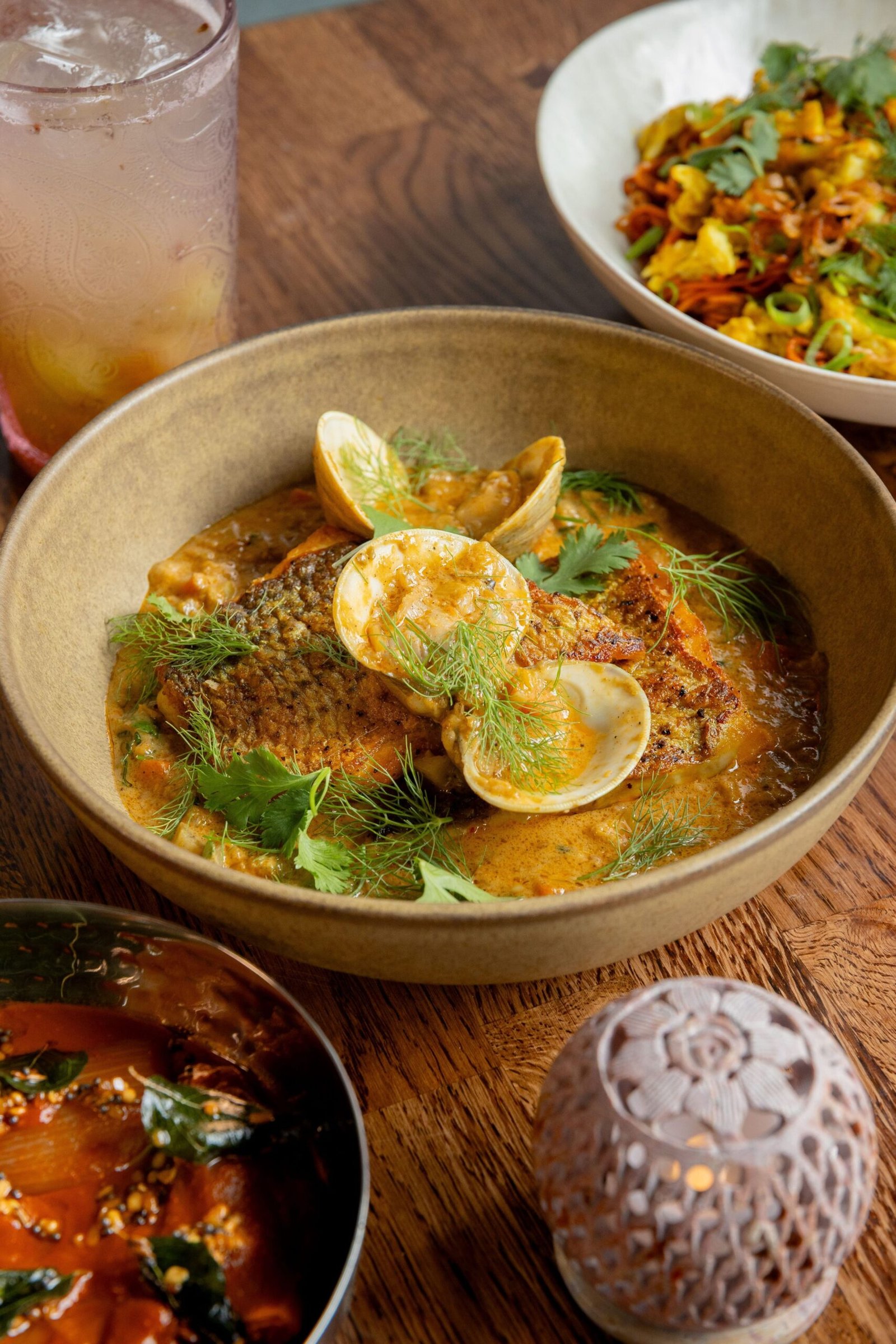
The menu features fascinating dishes like Oxtail Bunny Chow, Doubles, Idli & Shrimp and the Nasi Kandar Feast, each reflecting centuries of migration and cultural exchange. Which dish best tells your own story, and what makes it particularly special to you?
If I had to choose one, it would be the Khameeri Roti. It represents everything that fascinates me about food—history, craftsmanship and the way recipes travel across cultures over generations. Something as simple as bread can reveal connections between Persia, Afghanistan, Pakistan and North India, showing how techniques have evolved while remaining deeply rooted in tradition.
That philosophy is at the heart of Drāvida. Every dish is an opportunity to uncover the stories behind what we eat, and the Khameeri Roti perfectly reflects my passion for preserving those traditions while presenting them in a contemporary setting.
Having won Chopped and Beat Bobby Flay, you’ve thrived under intense culinary pressure. How have those experiences influenced your creativity and confidence as a chef, and do they shape the way you lead your kitchen today?
Yes, absolutely. Those experiences shaped me as a chef. Competition shows taught me to think creatively under pressure, trust my instincts, and make quick, bold decisions. I remember one round on Chopped where I had to turn an unexpected basket of ingredients like chocolate and corn shoots into a cohesive savory dish in under 30 minutes. It forced me to rely on instinct and balance flavors on the fly. On Beat Bobby Flay, I chose to reinterpret a classic dish with bold South Asian spices, knowing I had to stand out and stay true to my voice.
They also boosted my confidence. Winning Chopped and Beat Bobby Flay showed me I can trust my voice and take risks, whether in my dishes or menu choices.
As a leader, I encourage my team to do the same, be curious, take ownership, and not fear mistakes. The best ideas often come from stepping outside your comfort zone.
Today’s diners are increasingly looking for authenticity, storytelling and immersive experiences rather than just a great meal. From the beautifully restored space to the Jam and Jaggery speakeasy and your innovative cocktail programme, every element of Drāvida seems thoughtfully curated. What experience did you want guests to take home after dining with you?
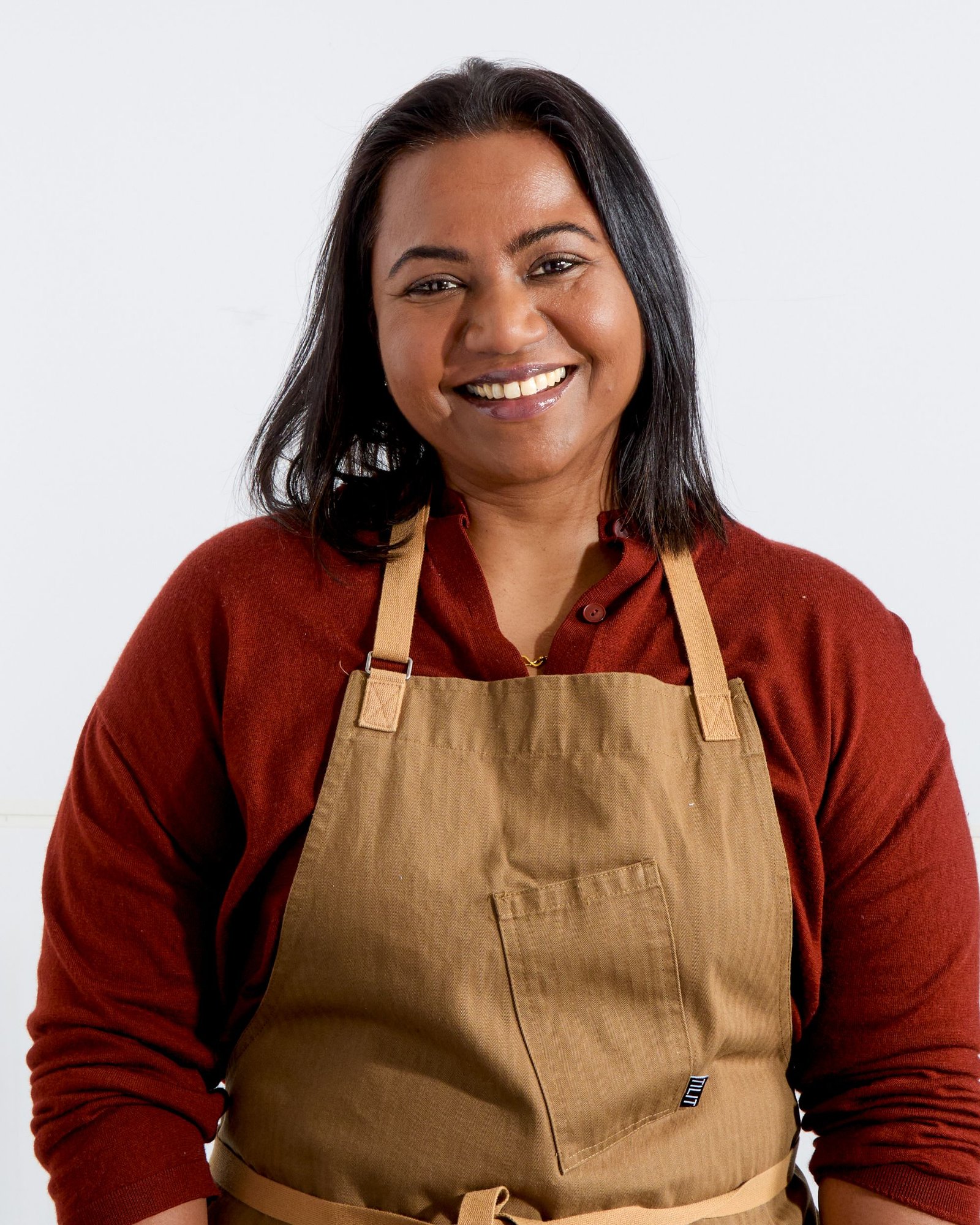
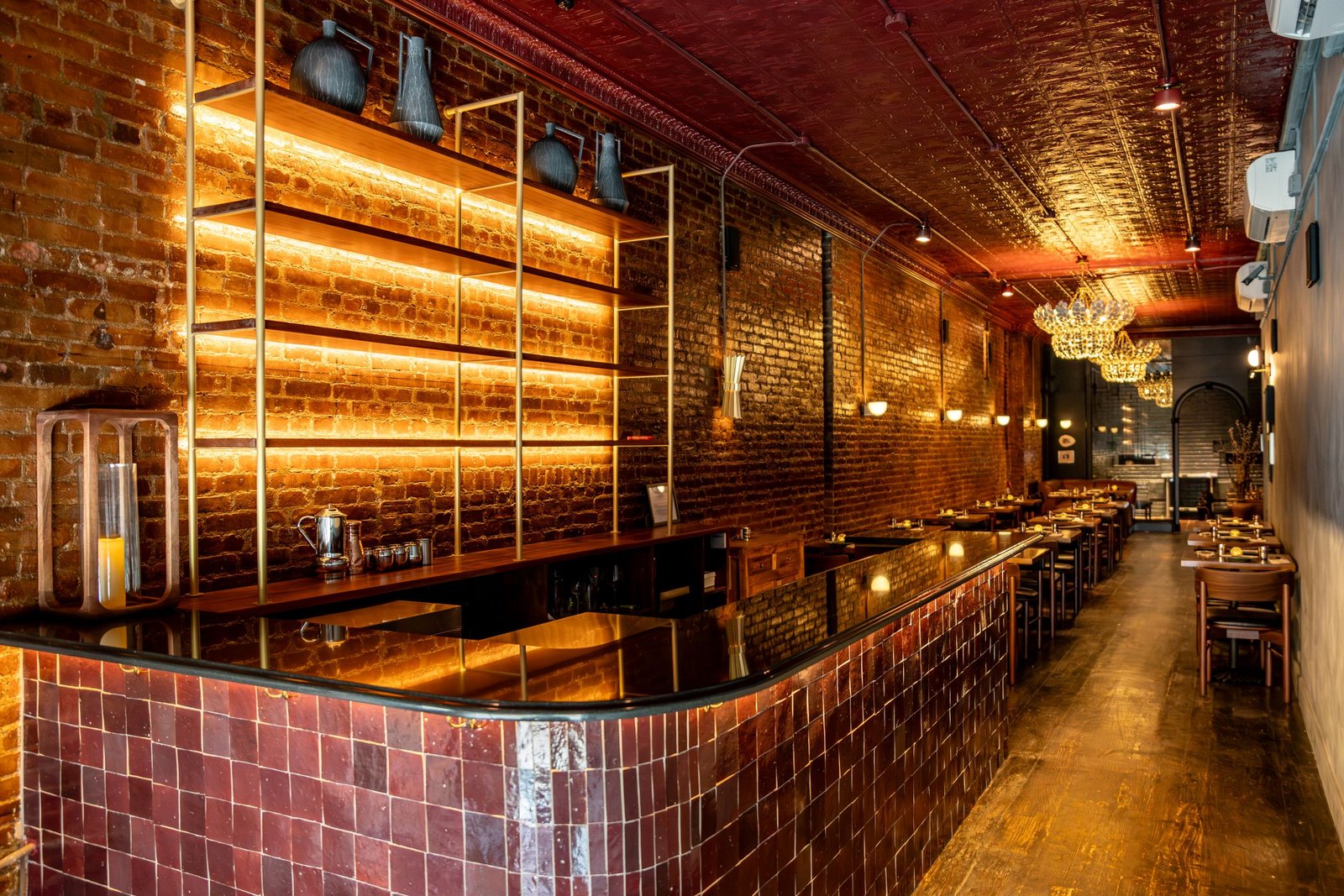
I wanted Drāvida to feel like more than a restaurant. Every detail—from the design of the space to the menu and cocktails—was created to reflect the journey of the South Asian diaspora and the many cultures that have influenced it.
My hope is that guests leave feeling as though they’ve discovered something unexpected. Whether it’s a flavour they’ve never experienced before, a story they hadn’t heard, or a cuisine they didn’t know existed, I want the experience to stay with them long after the meal is over. Great food should satisfy you, but I also believe it should leave you curious.
As someone who has successfully bridged Indian heritage with global culinary influences, what excites you most about the future of South Asian cuisine on the international stage? And what advice would you give young chefs who dream of taking their cultural stories to the world through food?
What excites me most is that the conversation around South Asian food is becoming much more nuanced. People are beginning to look beyond the familiar and are genuinely interested in discovering regional cuisines, diaspora traditions and the histories that shaped them. I think that’s a very exciting direction for our industry.
For young chefs, I’d say don’t be afraid to tell your own story. The ideas that feel unconventional today often become the ones that move the industry forward tomorrow. Stay curious, respect where your food comes from, and trust your instincts. If you’re passionate about your vision and committed to telling it honestly, people will connect with it.