FACES at Salone 2026: Jaipur Rugs x Kengo Kuma
At Salone del Mobile 2026, where global design narratives unfold with striking clarity, TheGlitz finds itself drawn to a collection that speaks in whispers rather than declarations. Jaipur Rugs’ FACES is not merely a showcase, it is an experience, a meditative journey that translates the architectural philosophy of Kengo Kuma into something profoundly tactile. In a world increasingly driven by visual spectacle, this collection invites you to slow down, to feel, and to engage with design in its most intimate form.
FACES at Salone 2026: Jaipur Rugs x Kengo Kuma: A Dialogue Between Architecture and Craft
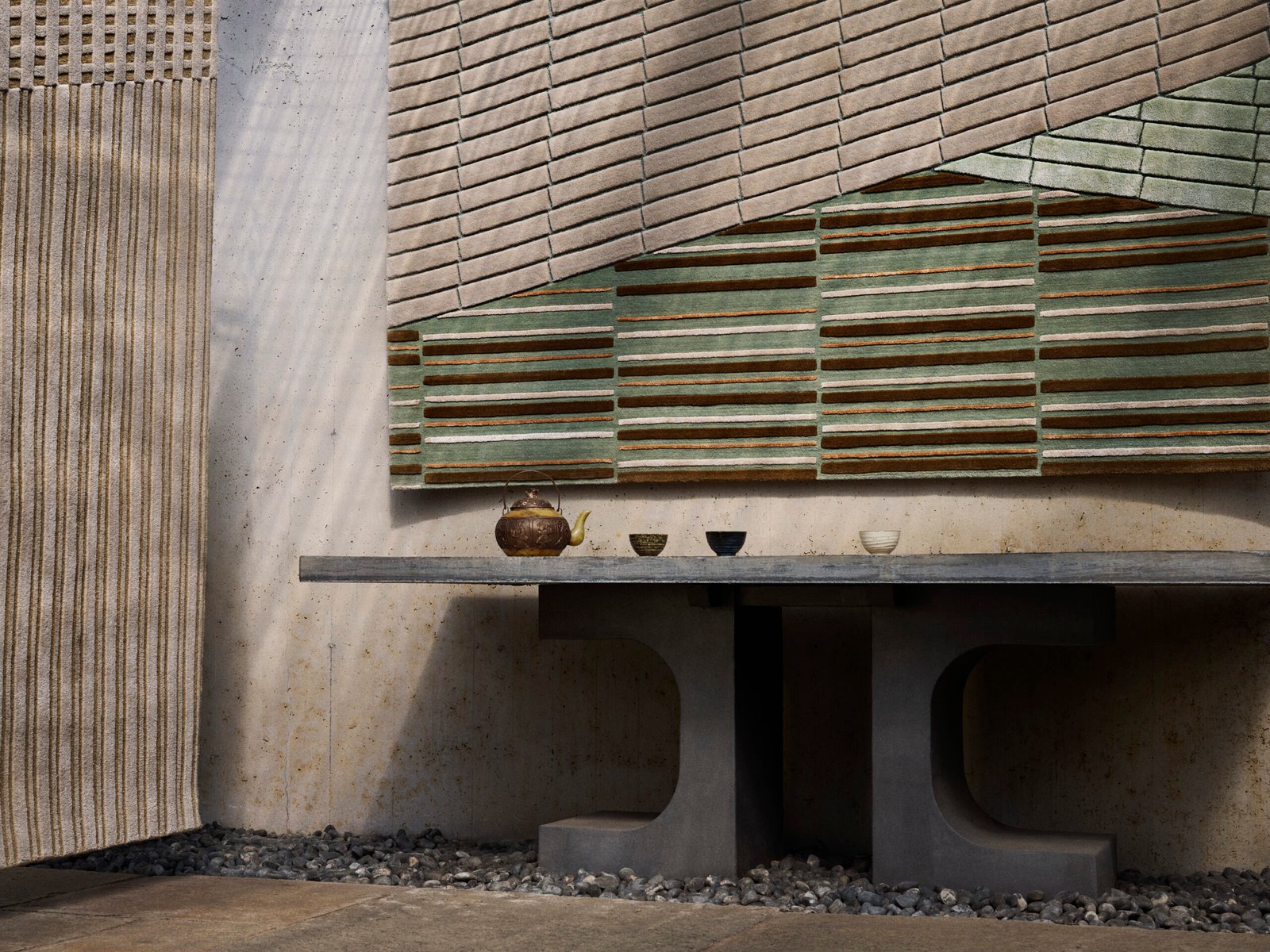
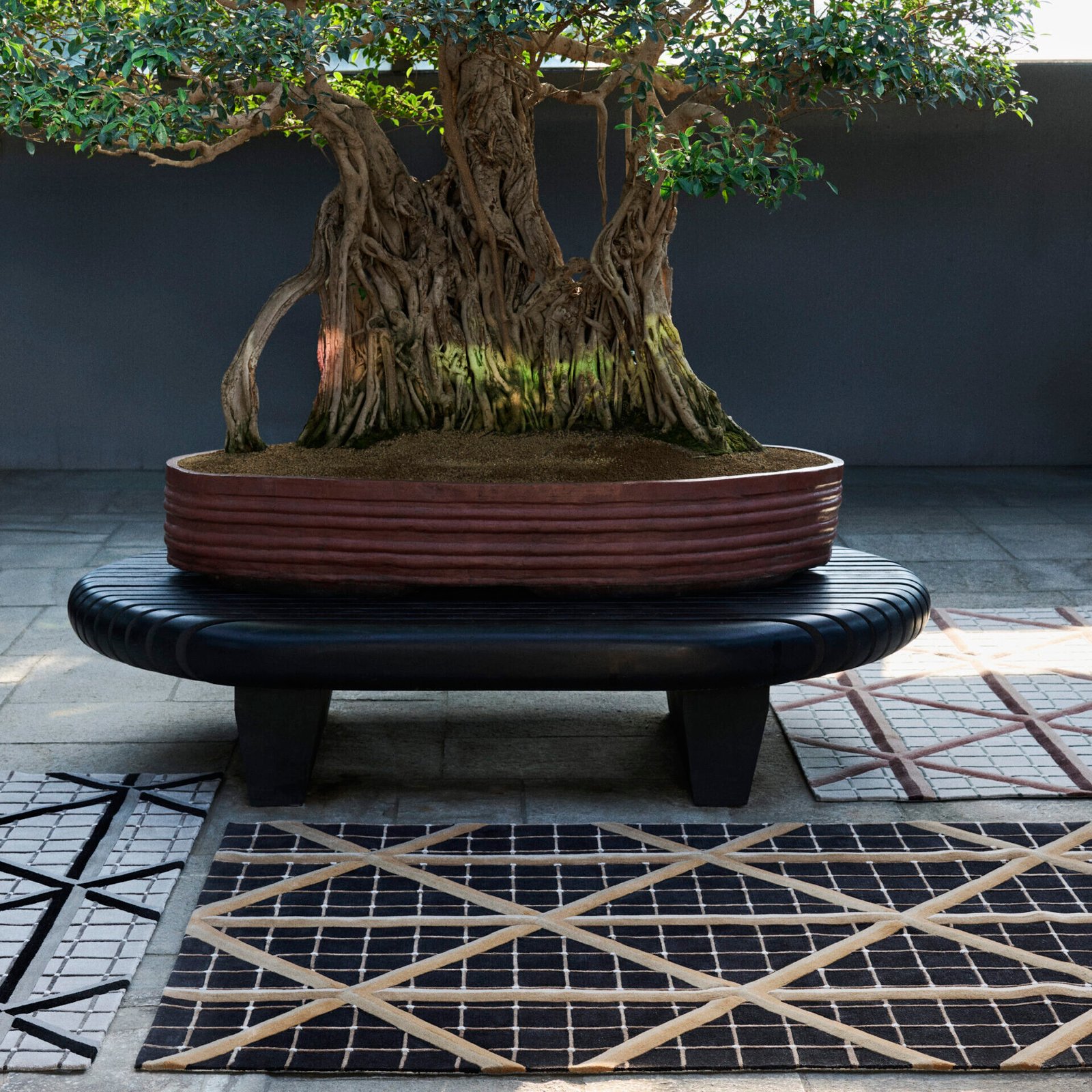
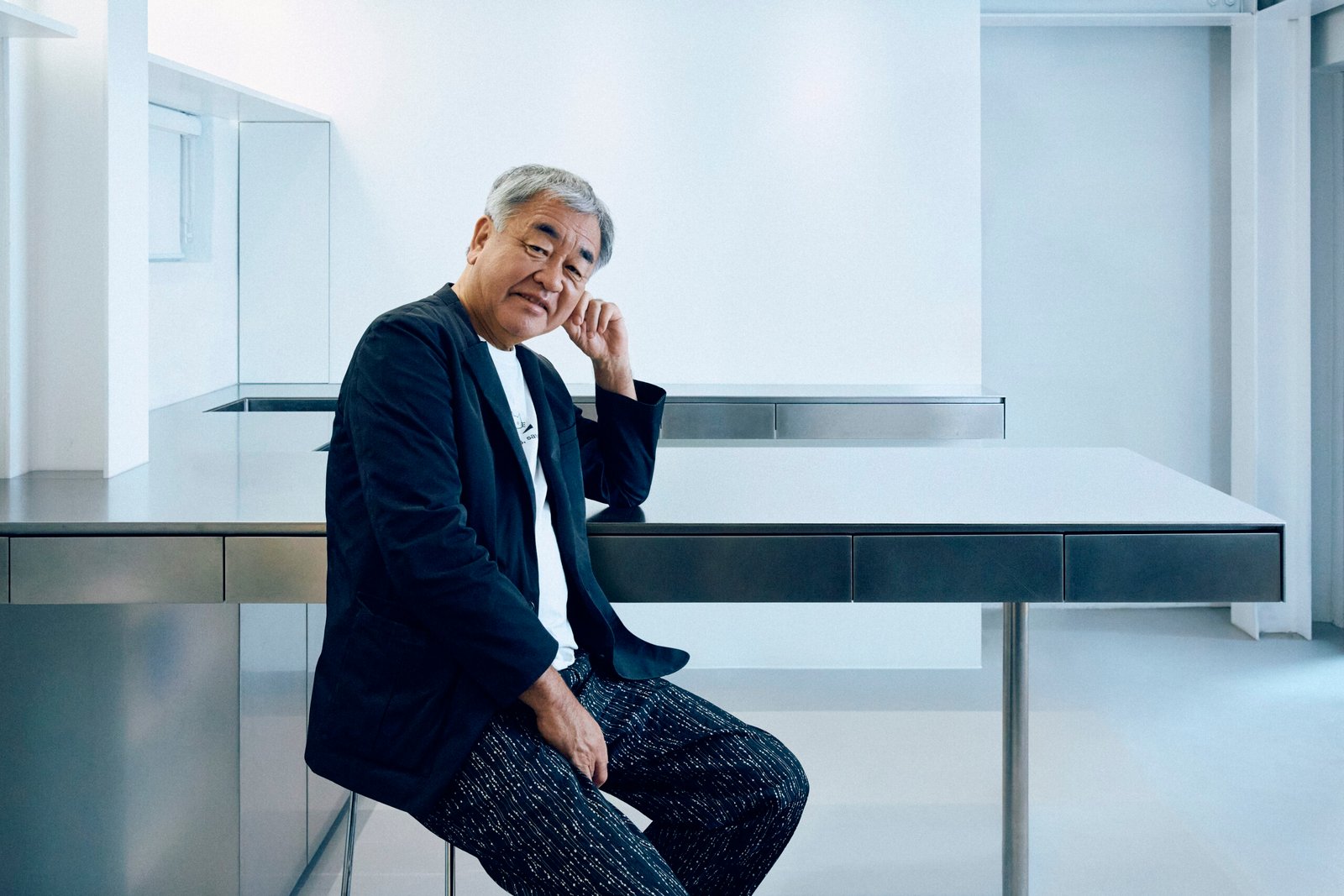
With FACES, Jaipur Rugs steps into a nuanced conversation between Japanese minimalism and Indian artisanal heritage. Rather than attempting a literal translation of built forms, the collection captures the intangible… the way light filters through space, how materials breathe, and how architecture reveals itself in fleeting, almost poetic moments. It is this sensibility that transforms each rug into more than an object; it becomes an extension of space itself.
Yogesh Chaudhary, Managing Director of Jaipur Rugs, articulates this vision with clarity: the collection is not about replicating architecture, but about interpreting a way of seeing. Through the skilled hands of artisans, Kuma’s restrained yet deeply emotional design language is reimagined into surfaces that feel lived-in, human, and quietly evocative.
SUKIMA: The Beauty of Intervals
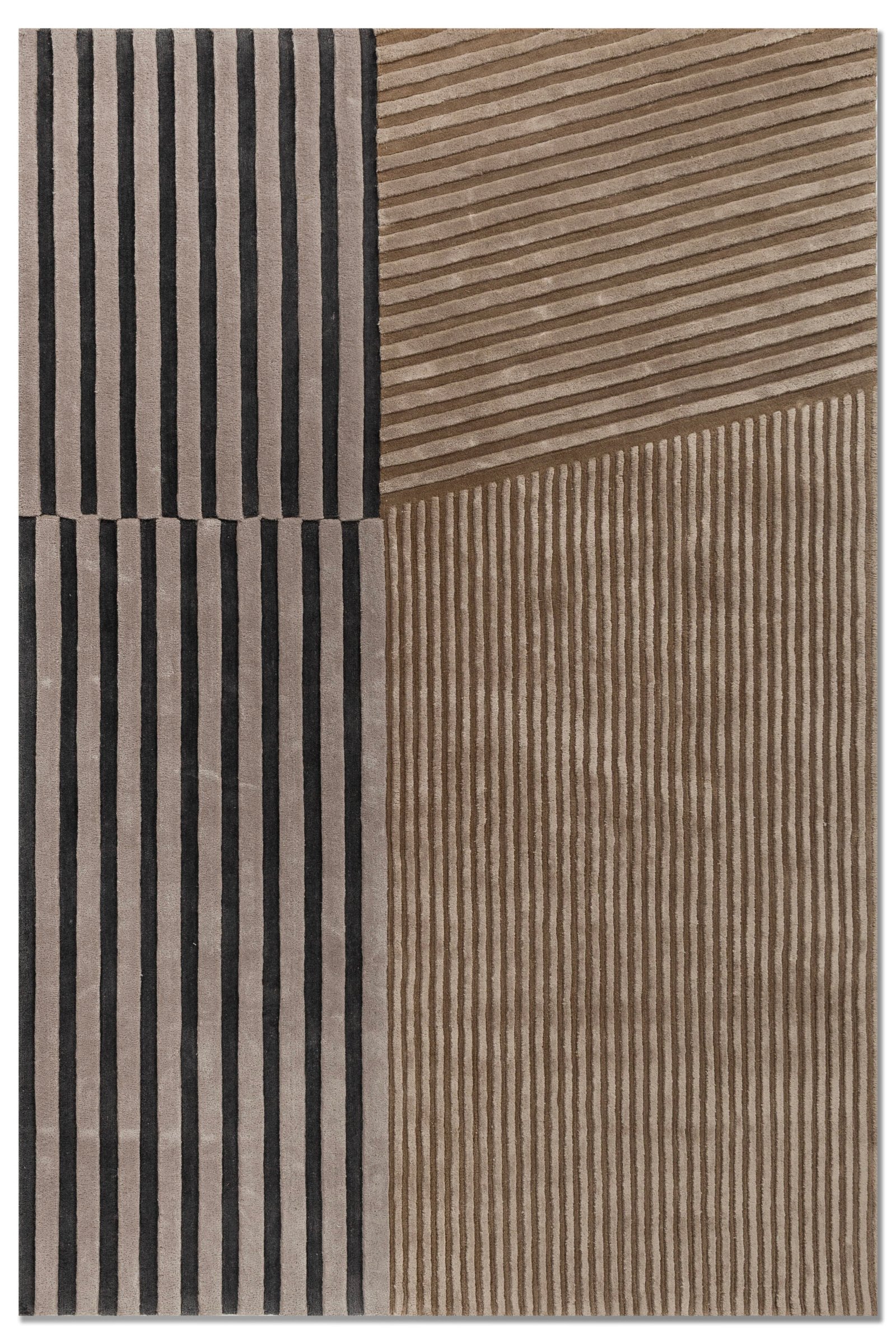
Drawing from the Japanese concept of “Sukima,” the SUKIMA-6 rugs explore the spaces in between… the intervals that allow light, air, and silence to exist. Inspired by Tokyo’s Suntory Museum of Art, these pieces reinterpret traditional lattice structures into delicate linear rhythms. The result is a surface where light and shadow gently dissolve into one another, creating an atmosphere that feels fluid and contemplative.
BOKASHI: A Study in Soft Transitions
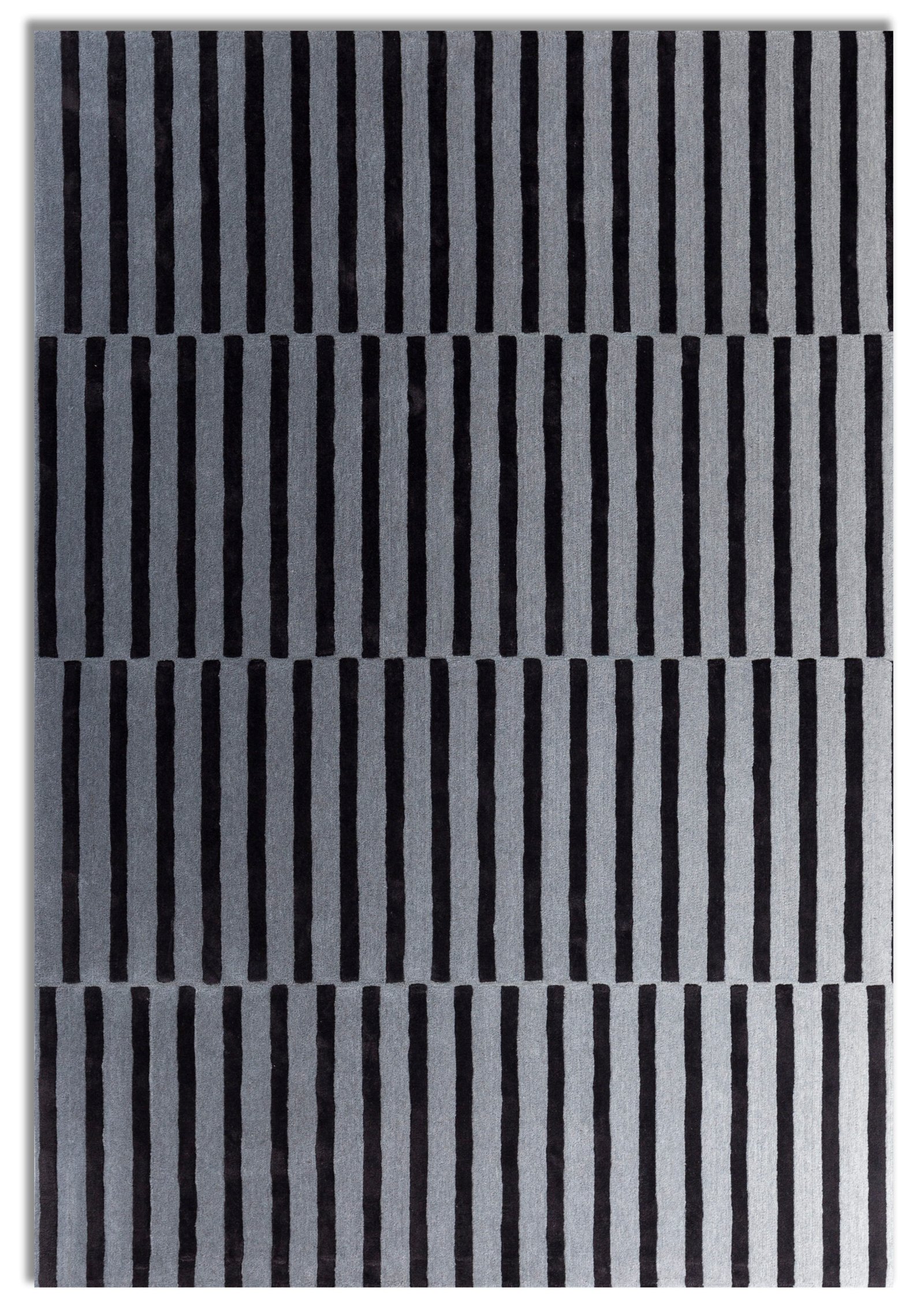
With BOKASHI-1, the collection leans into the art of gradation. Rooted in traditional Japanese techniques, the design captures the subtle diffusion of light across surfaces. Colours blur seamlessly, textures shift almost imperceptibly, and the rug becomes a canvas of quiet transitions—soft, immersive, and endlessly calming.
CHIRASHI: Movement in Stillness
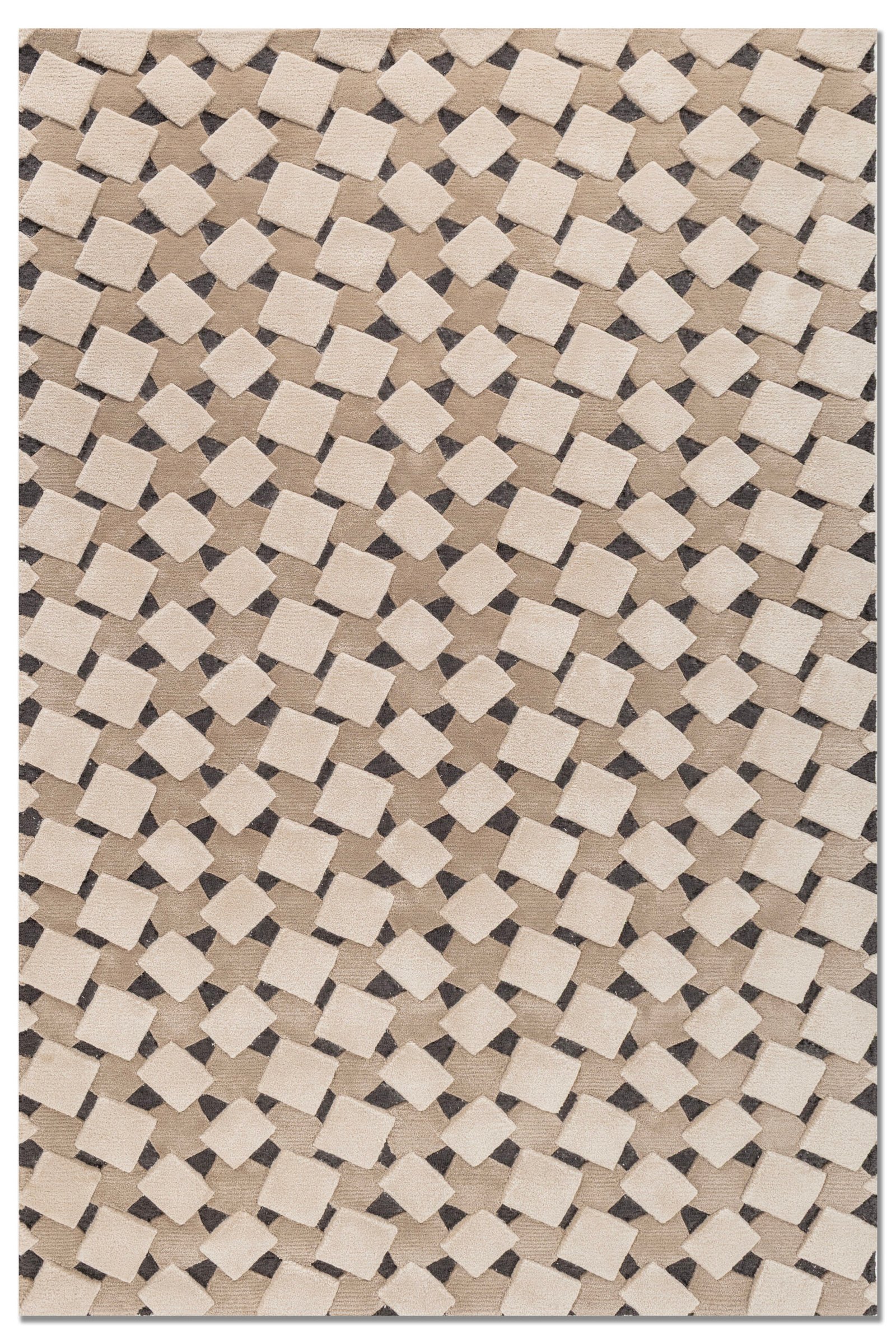
Inspired by the Museum of Kanayama Castle Ruin, CHIRASHI-1 explores the idea of scattering elements to create rhythm. What appears solid is reinterpreted through craftsmanship into something fluid and warm. The rug balances structure with spontaneity, offering a visual language that feels both grounded and dynamic.
KIGUMI: Structure Reimagined
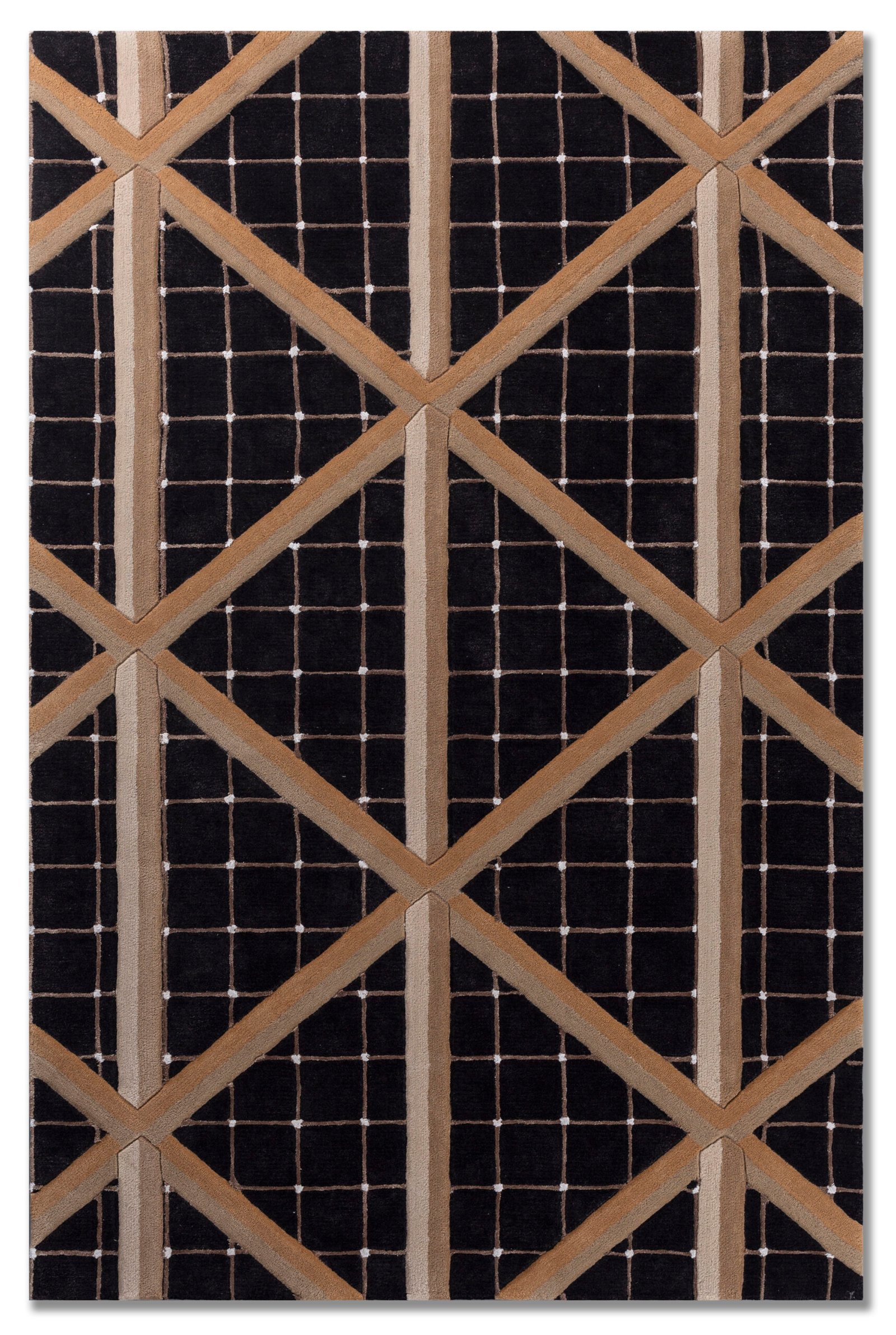
Referencing traditional Japanese joinery, KIGUMI-5 translates the complexity of wooden grid systems into intricate weaving techniques. Inspired by the GC Prostho Museum Research Center, the design plays with depth and perspective, creating a surface that evolves as you engage with it. It is structure, not as rigidity, but as movement.
KASANE: Layers of Quiet Luxury
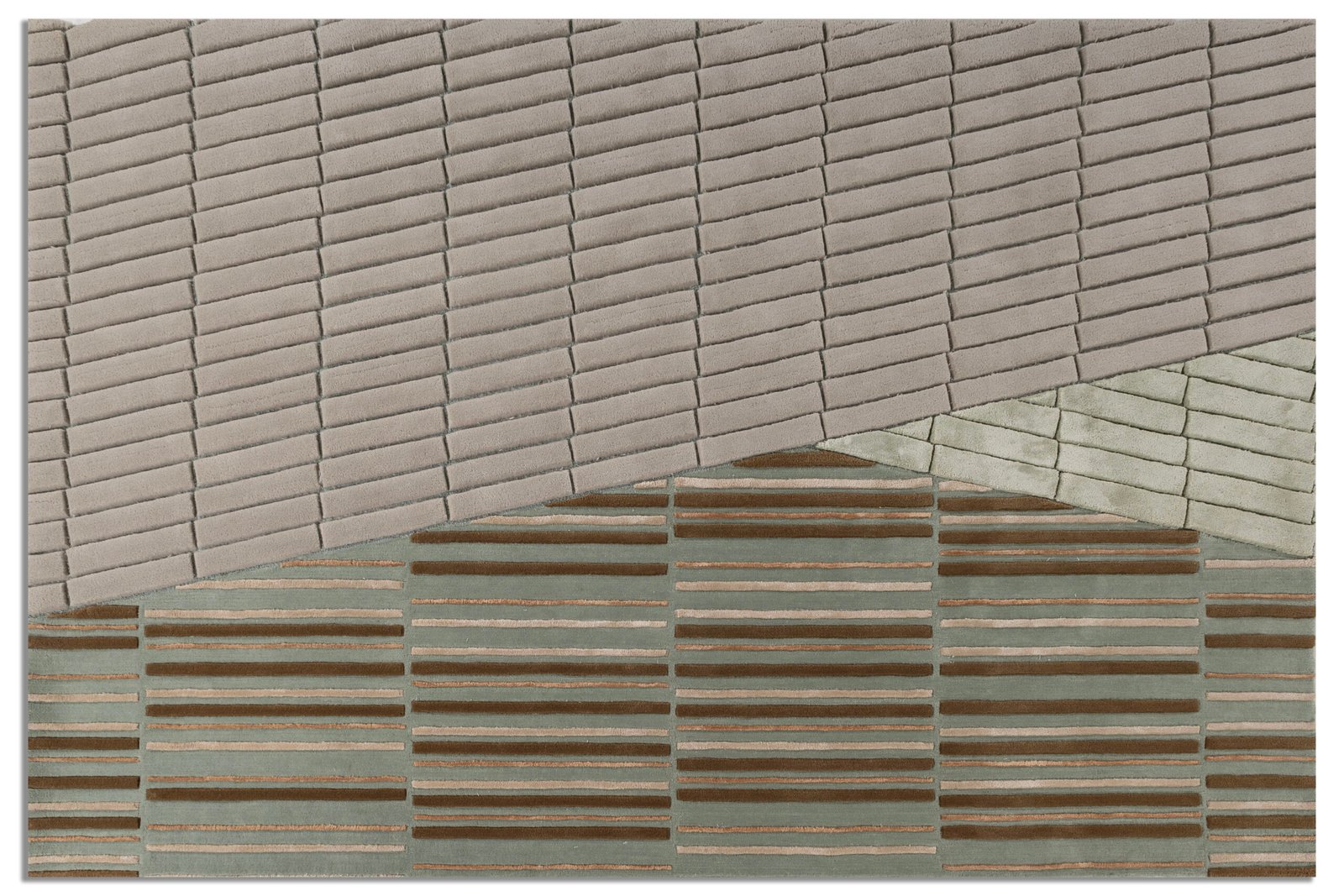
KASANE-3 embraces layering as a form of storytelling. Influenced by the Albert Kahn Museum, where architecture mediates between interior and nature, the rug uses tonal overlays and refined patterns to evoke continuity. It is subtle, sophisticated, and deeply aligned with the ethos of quiet luxury.
TheGlitz Take: A New Language of Luxury
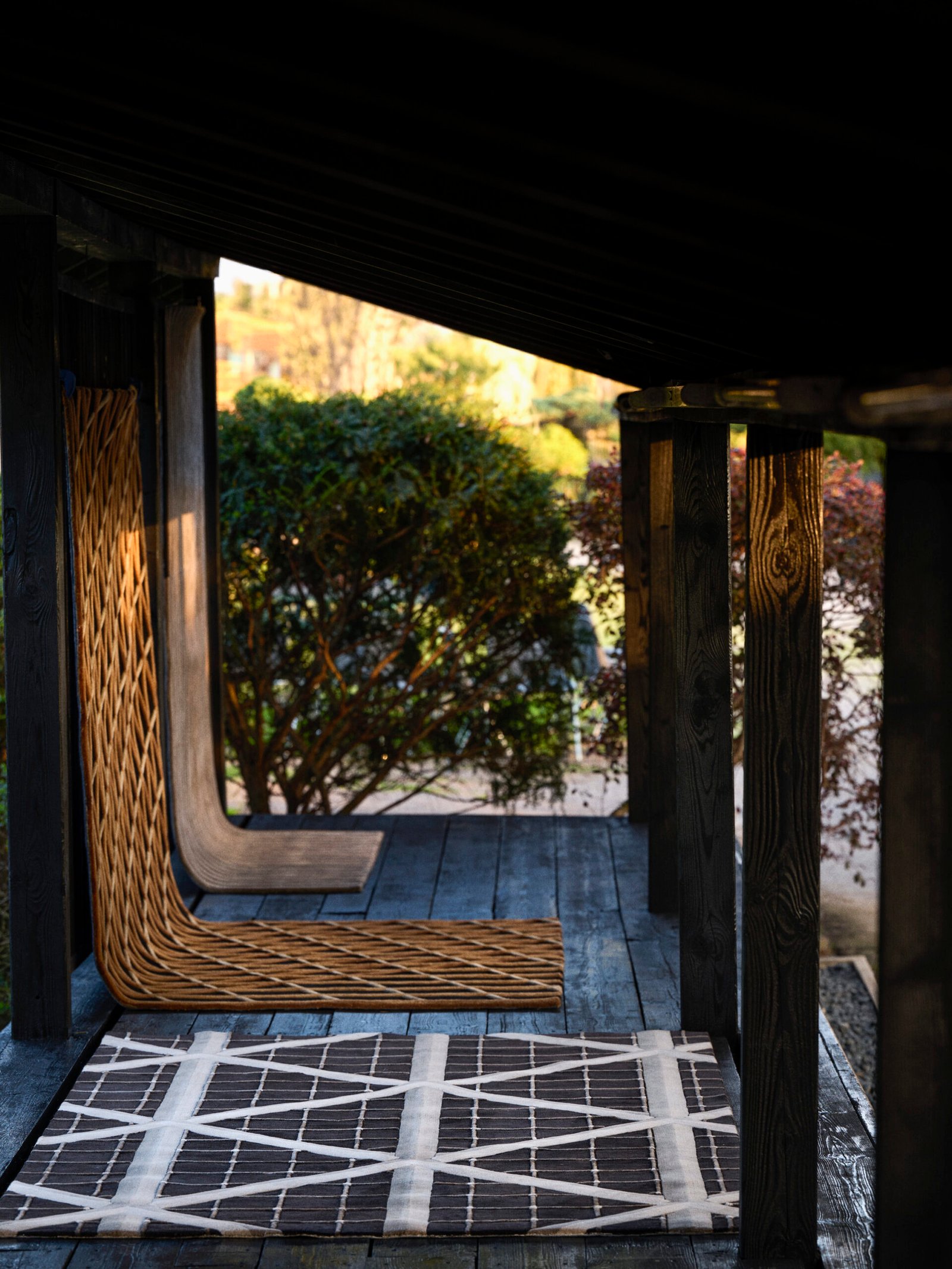
What makes FACES compelling is its refusal to conform to conventional ideas of luxury. There is no excess here, no overt statement. Instead, the value lies in nuance… in the way each piece engages with light, space, and human experience. These are rugs designed not to dominate a room, but to belong within it, enhancing its rhythm and mood.
At TheGlitz, we see FACES as a defining moment for Indian craftsmanship on the global stage. It is a reminder that true luxury today is not about visibility, but about depth. By presenting this collection at Salone 2026, Jaipur Rugs reinforces its position as a brand that doesn’t just participate in global design conversations… it shapes them.
In FACES, architecture is no longer something you simply see. It is something you feel, live with, and return to… again and again.