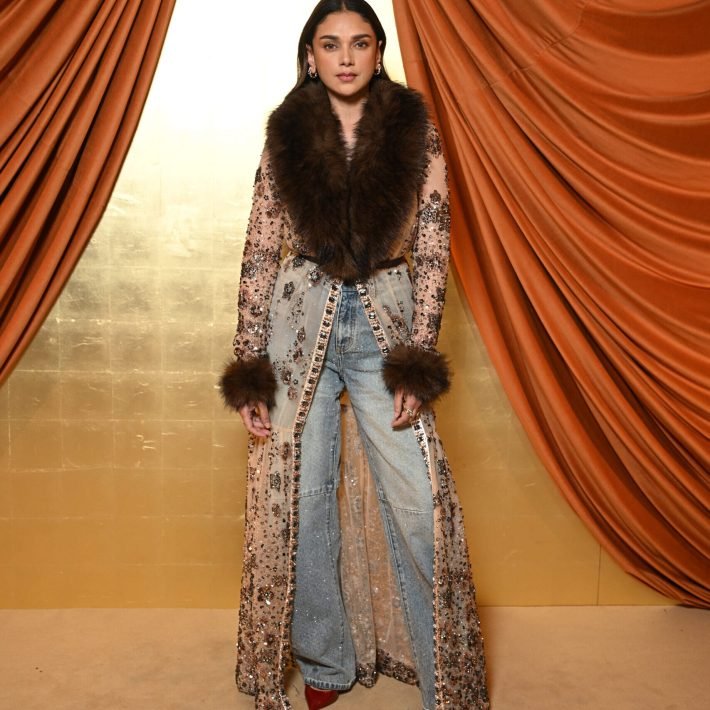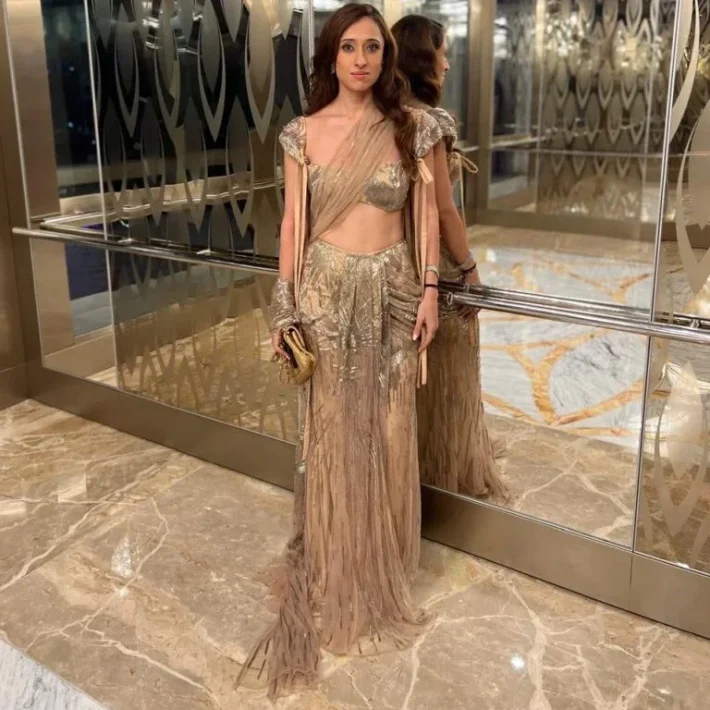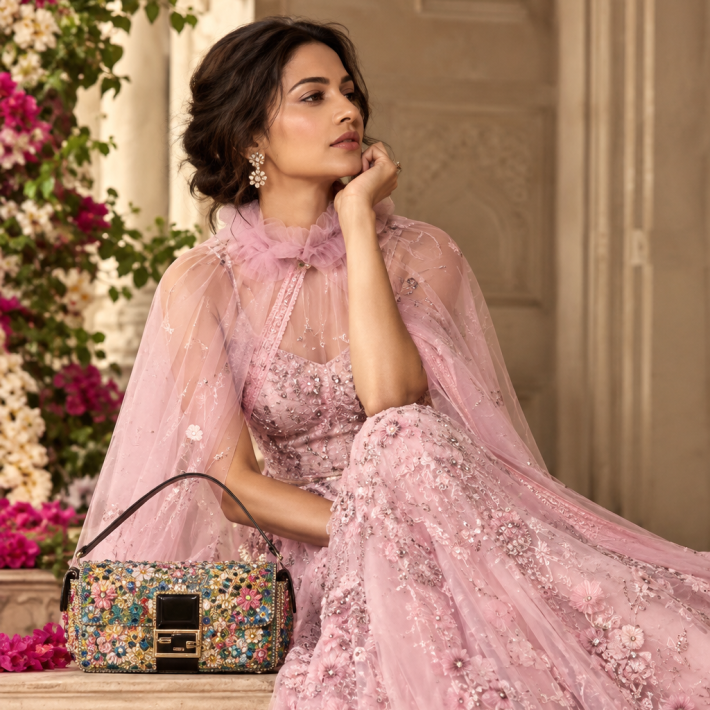
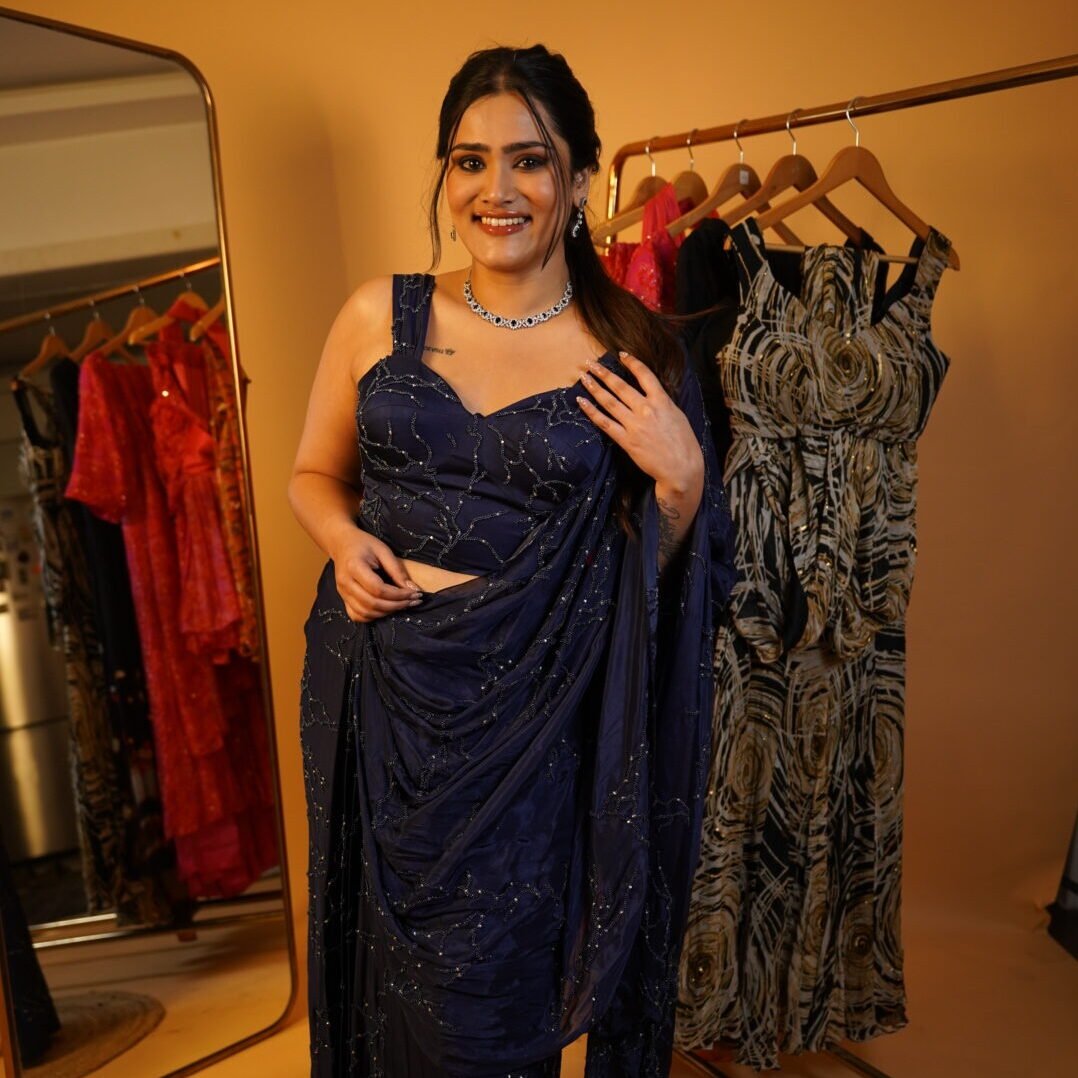
Most designers launching at Fashion Week curate their nerves into confidence. Shivani Nirupam, the young Mumbai-based fashion designer, admits hers out loud. At nearly thirty, she has built a label that refuses to choose between luxury and responsibility, between dressing a 25-year-old and a 55-year-old, between designing for India and chasing Western validation. Her collections tell stories through Warli art and monsoon moods, but it’s her candour that’s compelling.
In an exclusive conversation with Rajeev Mokashi, Shivani Nirupam opens up about what she wears when nobody’s looking and what she’s still learning.
Over to Shivani Nirupam…

Rajeev Mokashi: Tell me how you dress yourself on a monsoon morning when nobody’s watching. What does Shivani the woman wear before Shivani the designer takes over?
Shivani Nirupam: Honestly, it’s far simpler than people would expect. On a monsoon morning, I’m usually in something soft, breathable an oversized shirt, maybe cotton shorts or relaxed trousers. Mumbai rains demand comfort more than drama. There’s always a hint of mood though… maybe a print or a colour that reflects how the sky feels that day. Before I become “the designer,” I’m just someone who dresses for ease, for feeling, not for a statement.
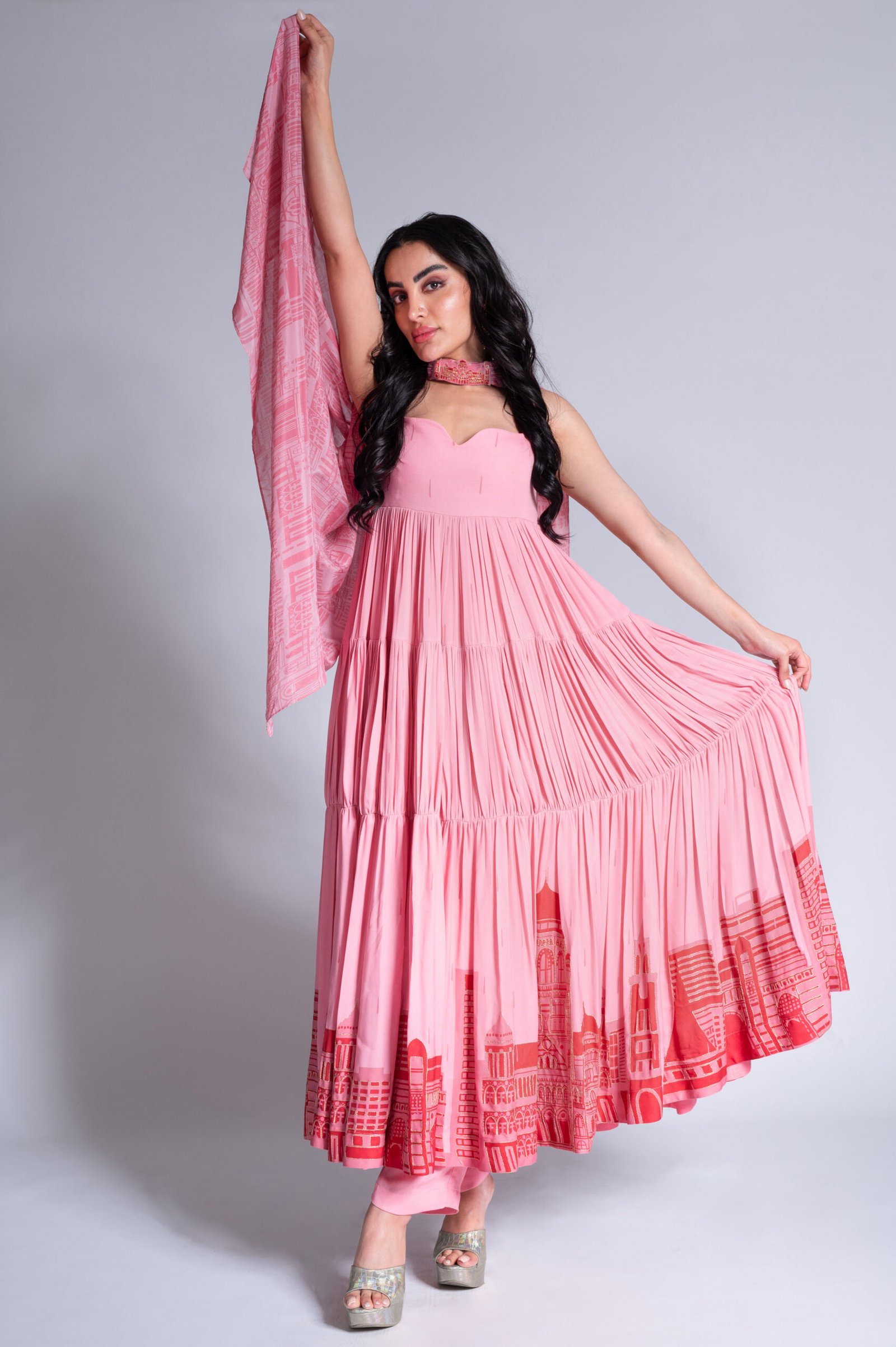
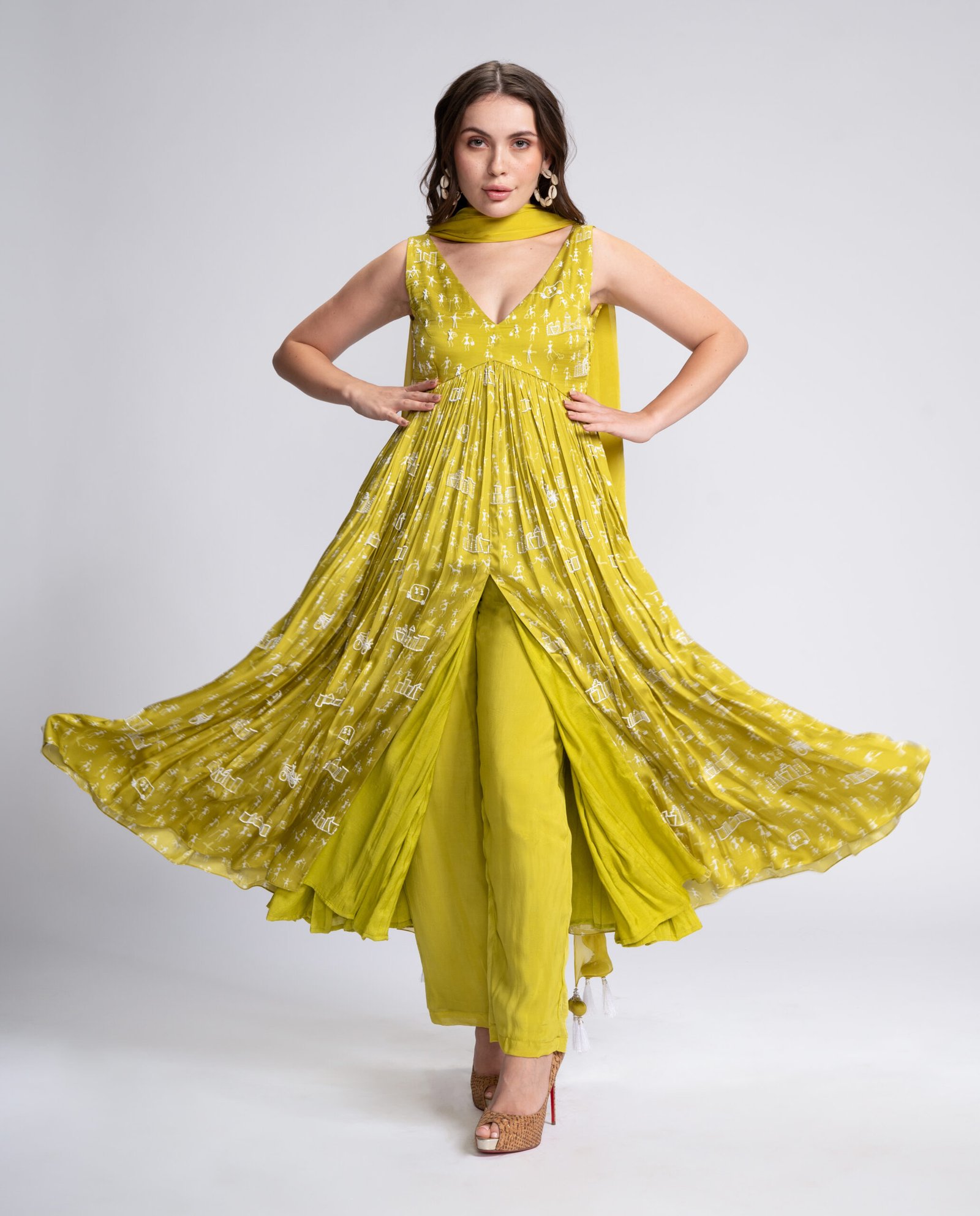
Mumbai has its cinematic archives, legacy labels, and now you. What made you believe there was room for one more voice in this city’s wardrobe?
Mumbai is too alive to ever have “enough” voices. It’s constantly changing every street, every season, every mood feels different. I didn’t think in terms of space or competition. I just felt like I had a perspective shaped by the city’s chaos and beauty, and that deserved expression. If anything, Mumbai encourages you to add to the conversation, not wait for permission.
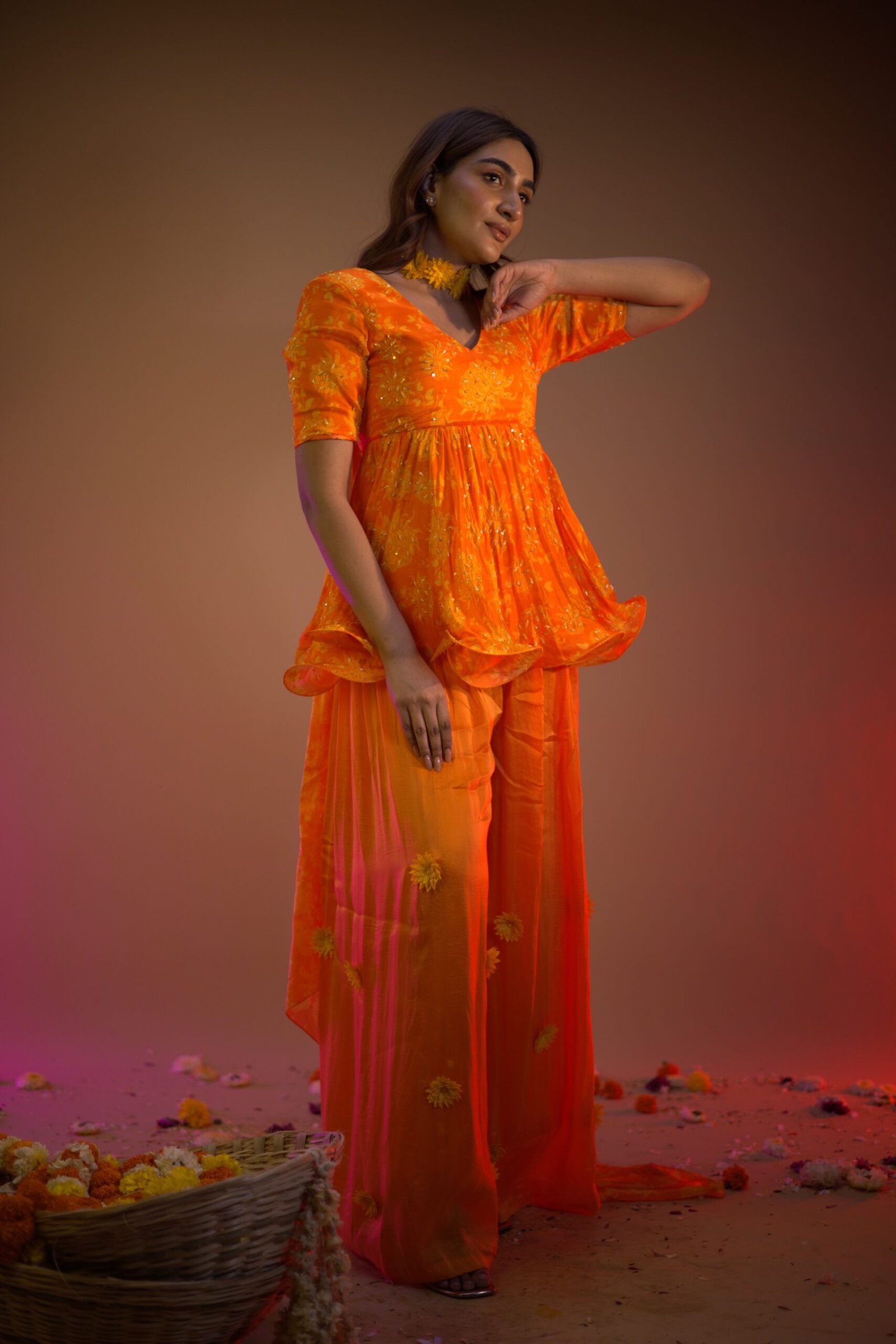
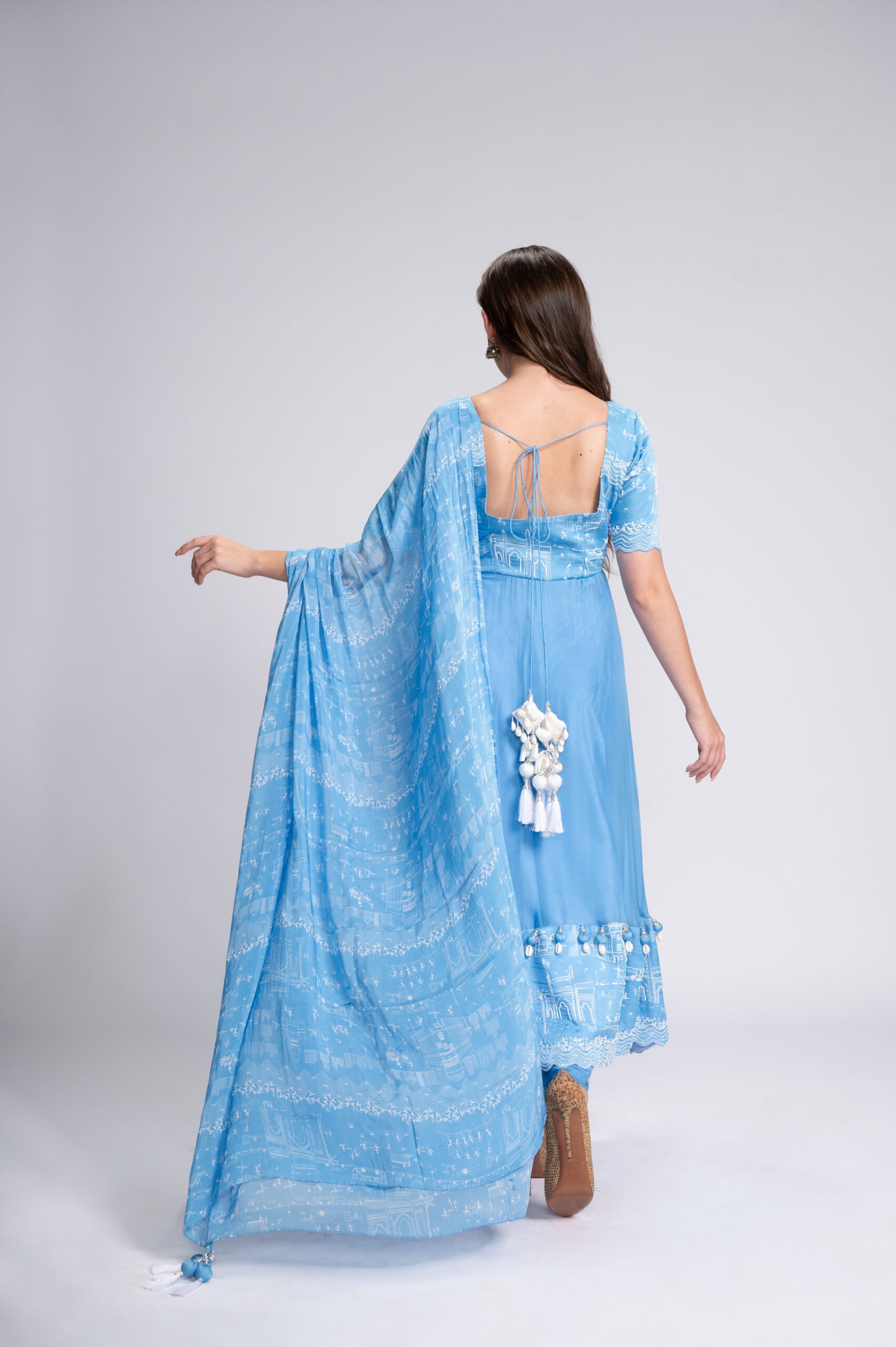
Did you study design formally, or is this all instinct? Because there’s a difference between trained hands and hungry hands, and your work has to tell us which.
There’s definitely instinct at play my work begins with emotion more than technique. But over time, I’ve built discipline around that instinct. I’d say it’s a mix of both: the hunger to create something meaningful and the learning that comes from actually building a label from the ground up. My hands may not follow rules all the time, but they’re very intentional.
You debuted at The Bombay Times Fashion Week just last month. Walk me through the ten minutes before your first model stepped out. What were you thinking?
I was extremely nervous and it wasn’t quiet in my head at all. After months of chaos, fittings, and decisions, the nerves just hit differently in that moment. I remember looking at the garments and just hoping they would feel right on the runway, that people would understand the story behind them. But I want to be honest, it was my first show, and it means everything to me, so of course I was nervous. I’d love for people to know that, because it was real and it was important.
Also Read: Ashna Vaswani Makes KHADI Chic
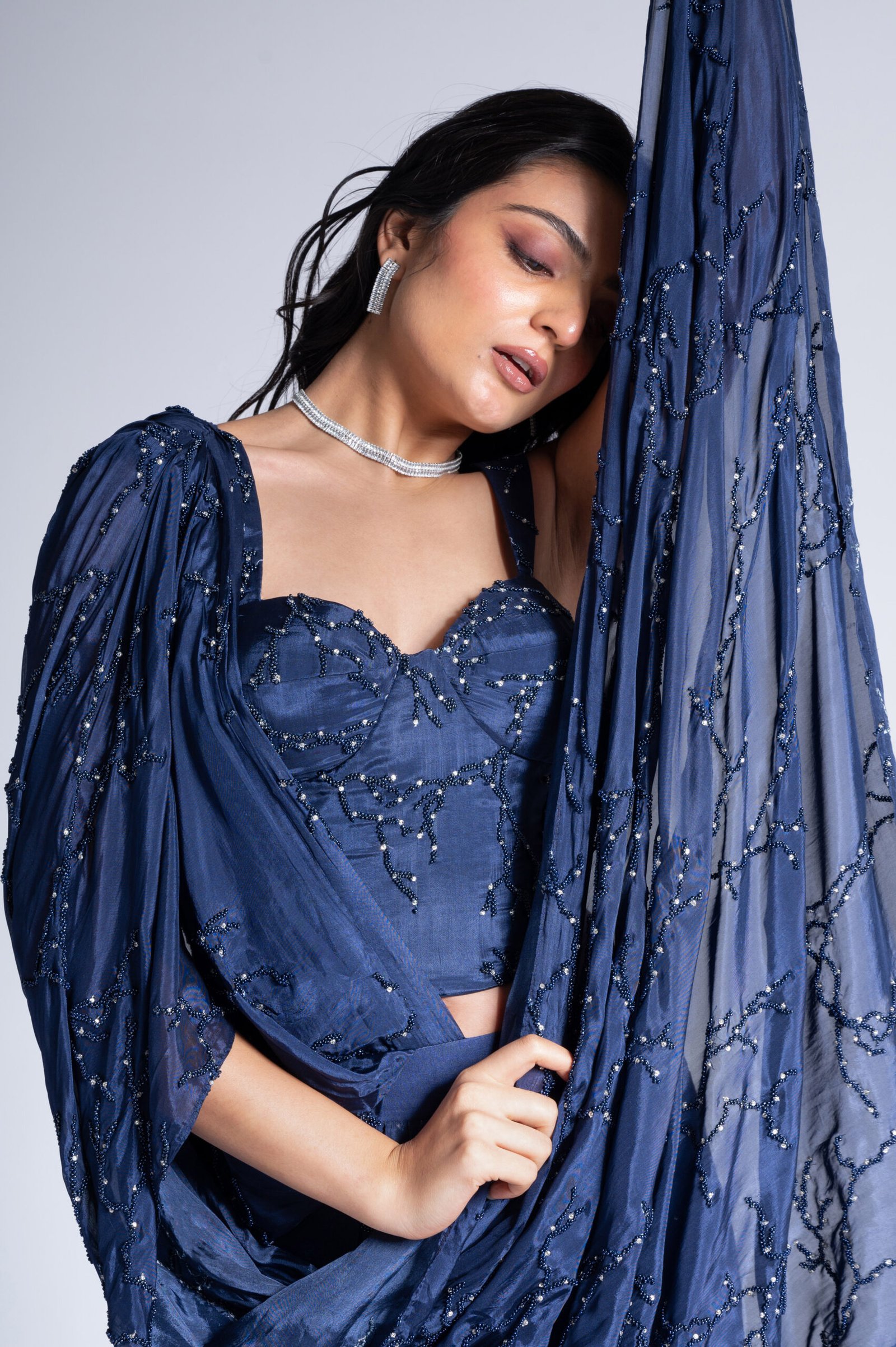
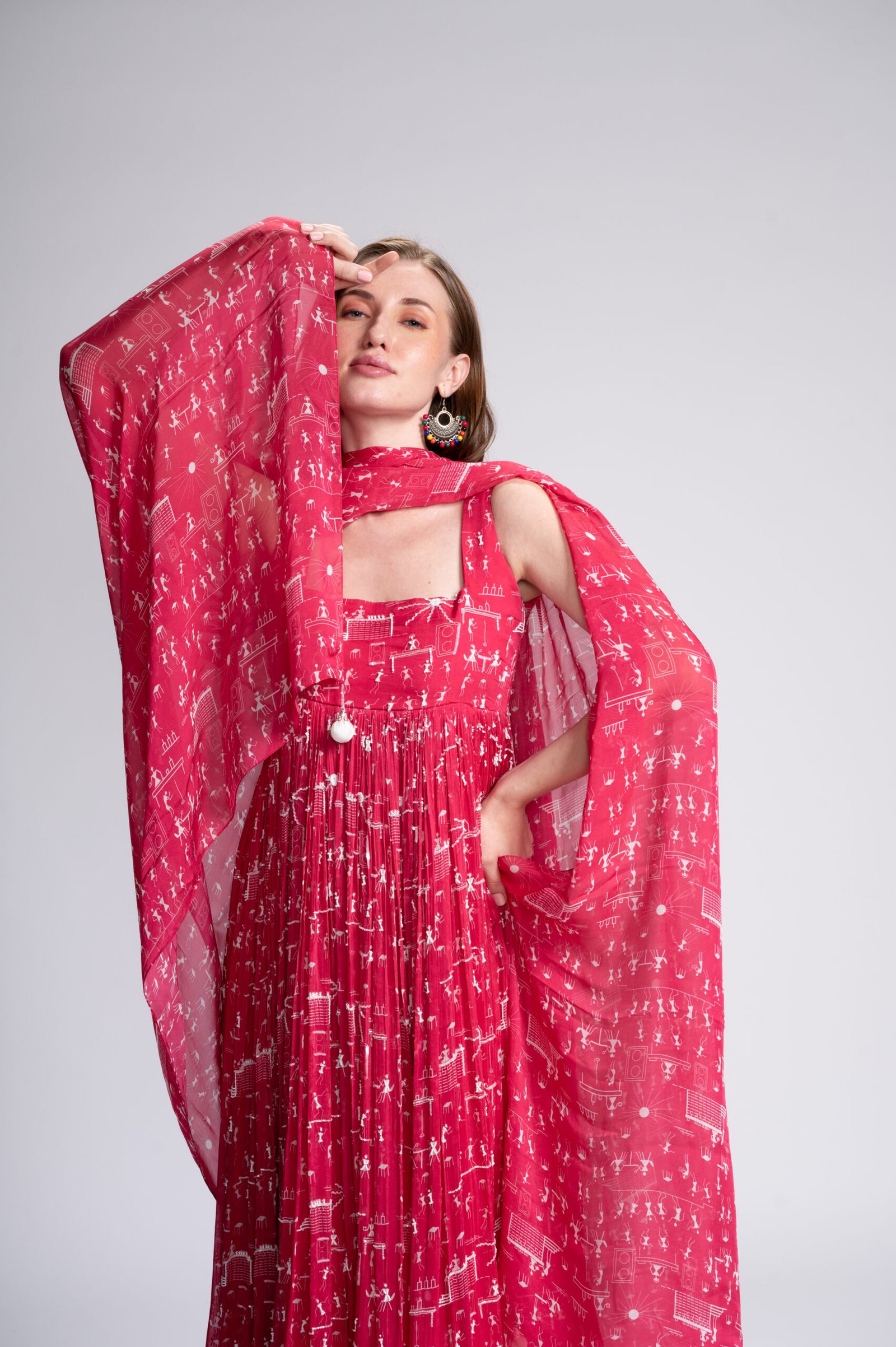
In four years, you’ve watched women buy your clothes. What surprised you most about what they actually want versus what you thought they wanted?
I think I underestimated how much women value versatility. I thought they would be drawn purely to statement pieces, but what they really appreciate is something they can wear their own way, style differently, repeat, reinterpret. They don’t want to be told how to wear something anymore, they want clothes that adapt to them.
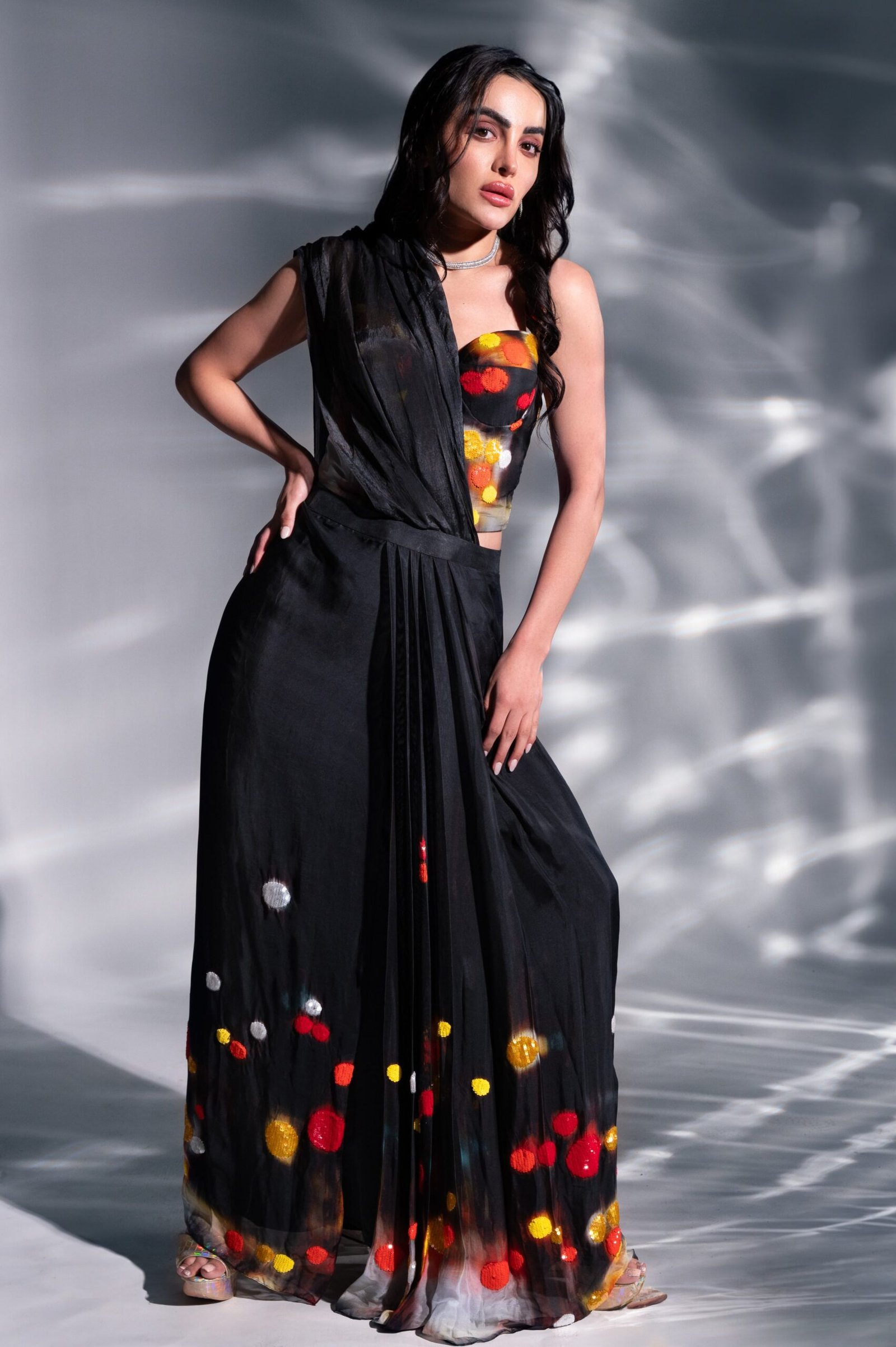
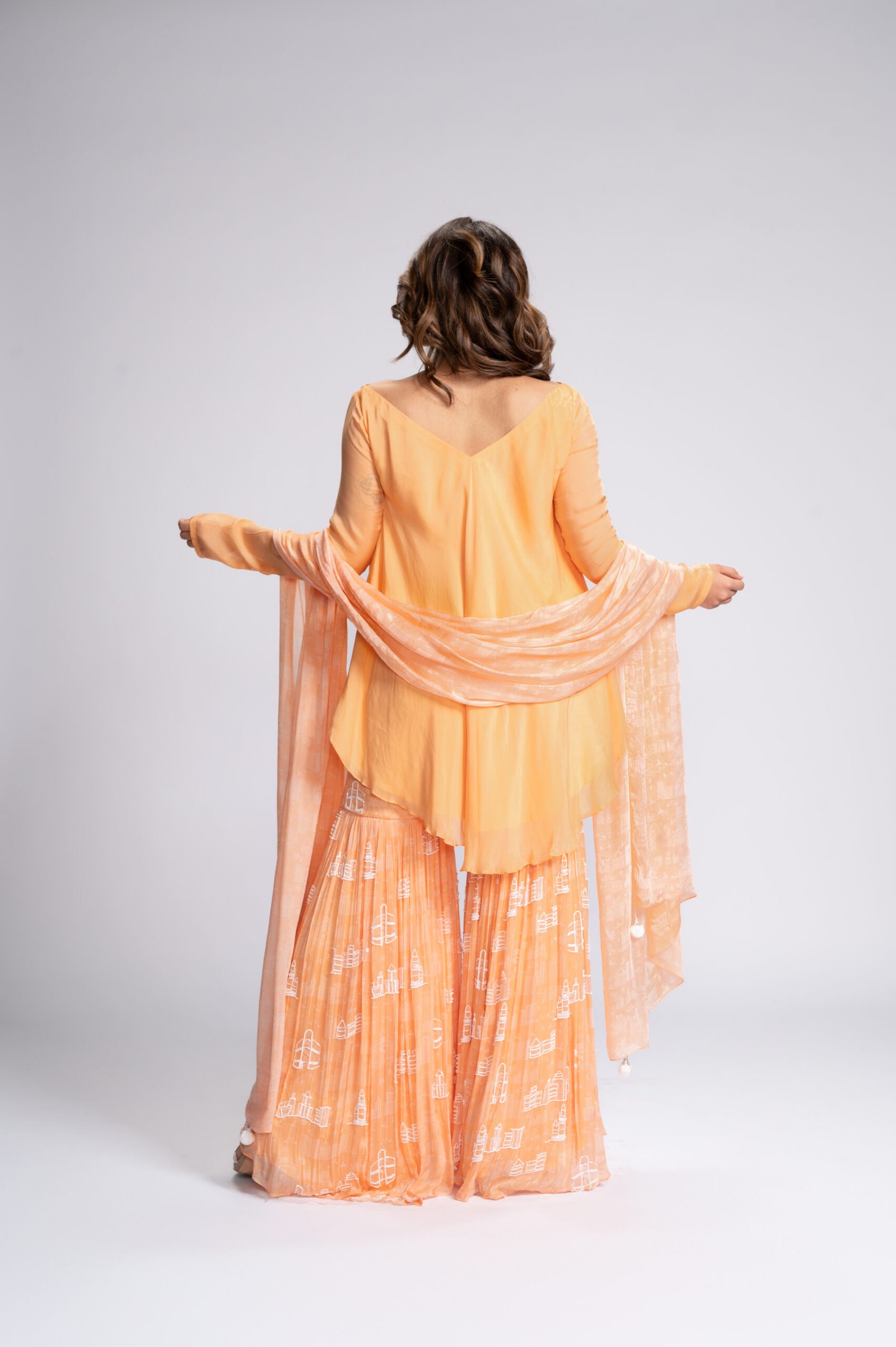
You call your label slow fashion with zero waste, yet you work in silks and organzas and hand embroidery. How do you square luxury with responsibility without sounding like you’re performing virtue?
For me, it’s less about saying it and more about how we actually work. We produce in small batches, we’re mindful about fabric usage, and we design pieces that aren’t disposable. Luxury doesn’t have to mean excess it can mean care, time, and intention. If a garment lasts longer and is worn more ways, that in itself is responsible.
Indian designers are finally being taken seriously in Paris and Milan. Does that Western validation matter to you, or is dressing the Indian woman enough?
Global recognition is always encouraging, but it’s not the goal. Dressing the Indian woman her realities, her lifestyle, her emotions that’s what feels real to me. If that resonates globally, that’s amazing. But I don’t think validation should define direction.
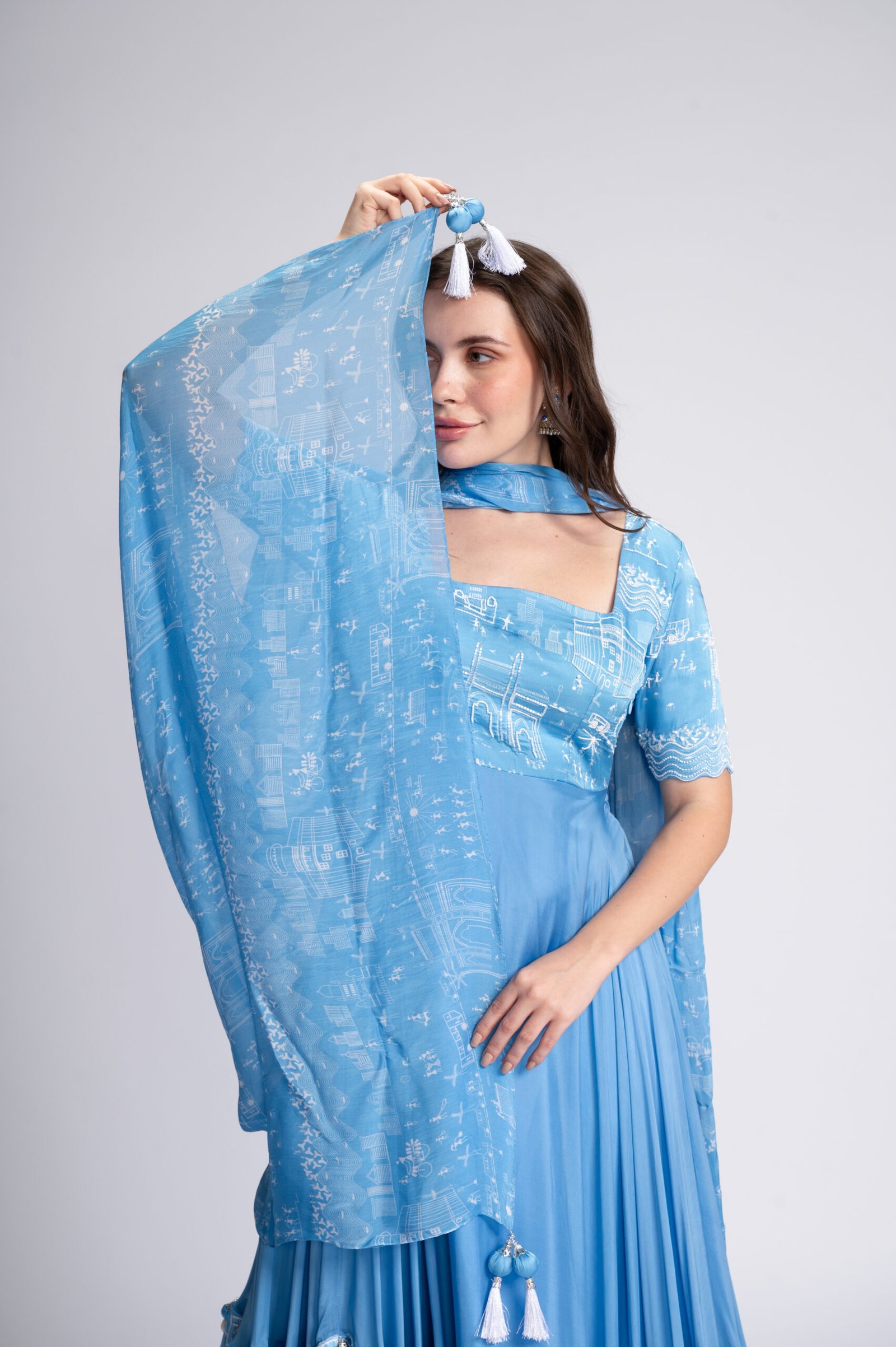
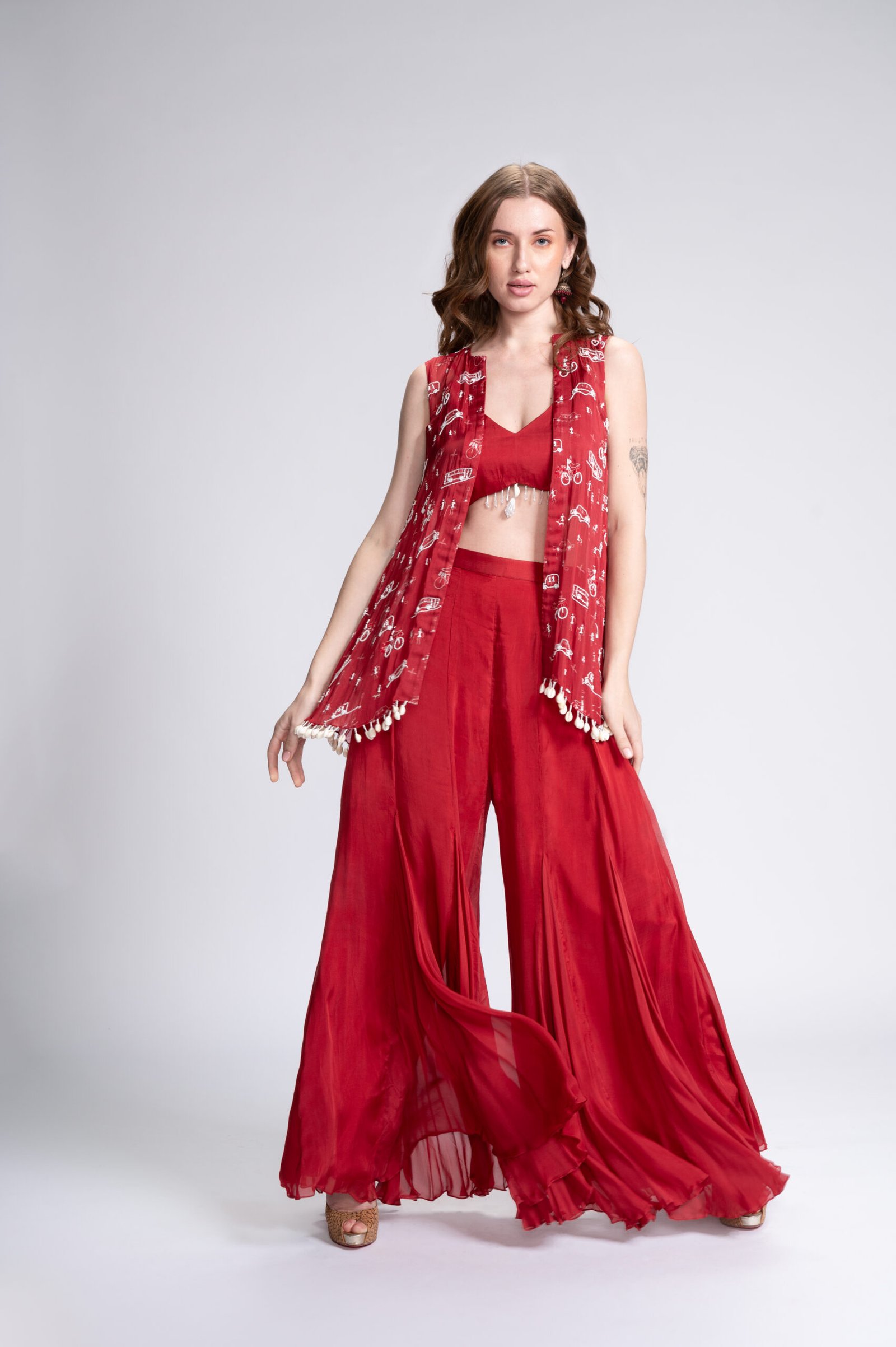
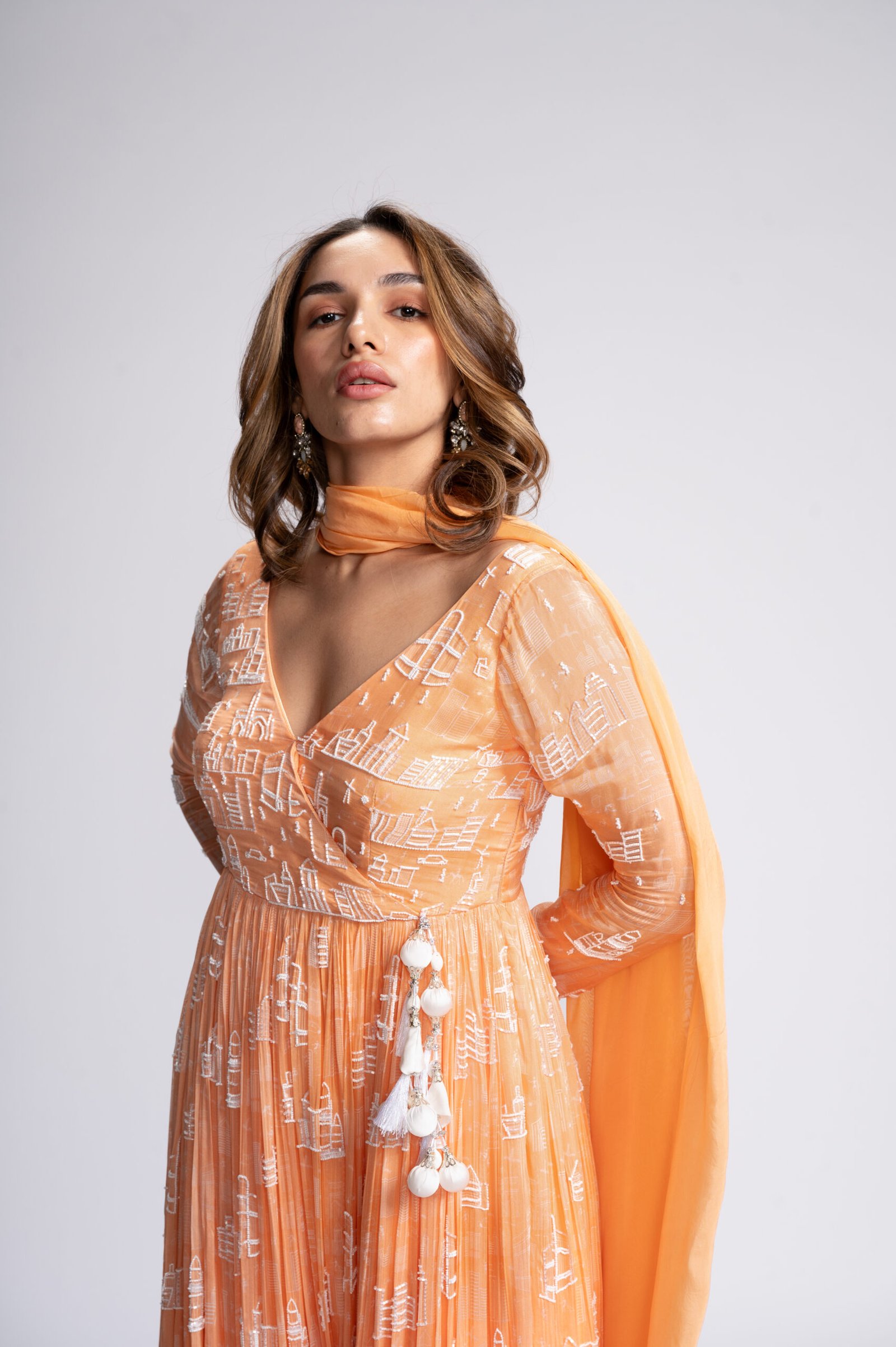
A 25-year-old walks into your studio and a 55-year-old walks in behind her. Can the same Shivani Nirupam piece make both feel seen, or must you choose?
I’d never want to choose. I think good design is ageless. It’s about how a piece is worn, not just what it is. The same garment can feel playful on one person and elegant on another. If both women can find their version of themselves in it, then I’ve done my job.
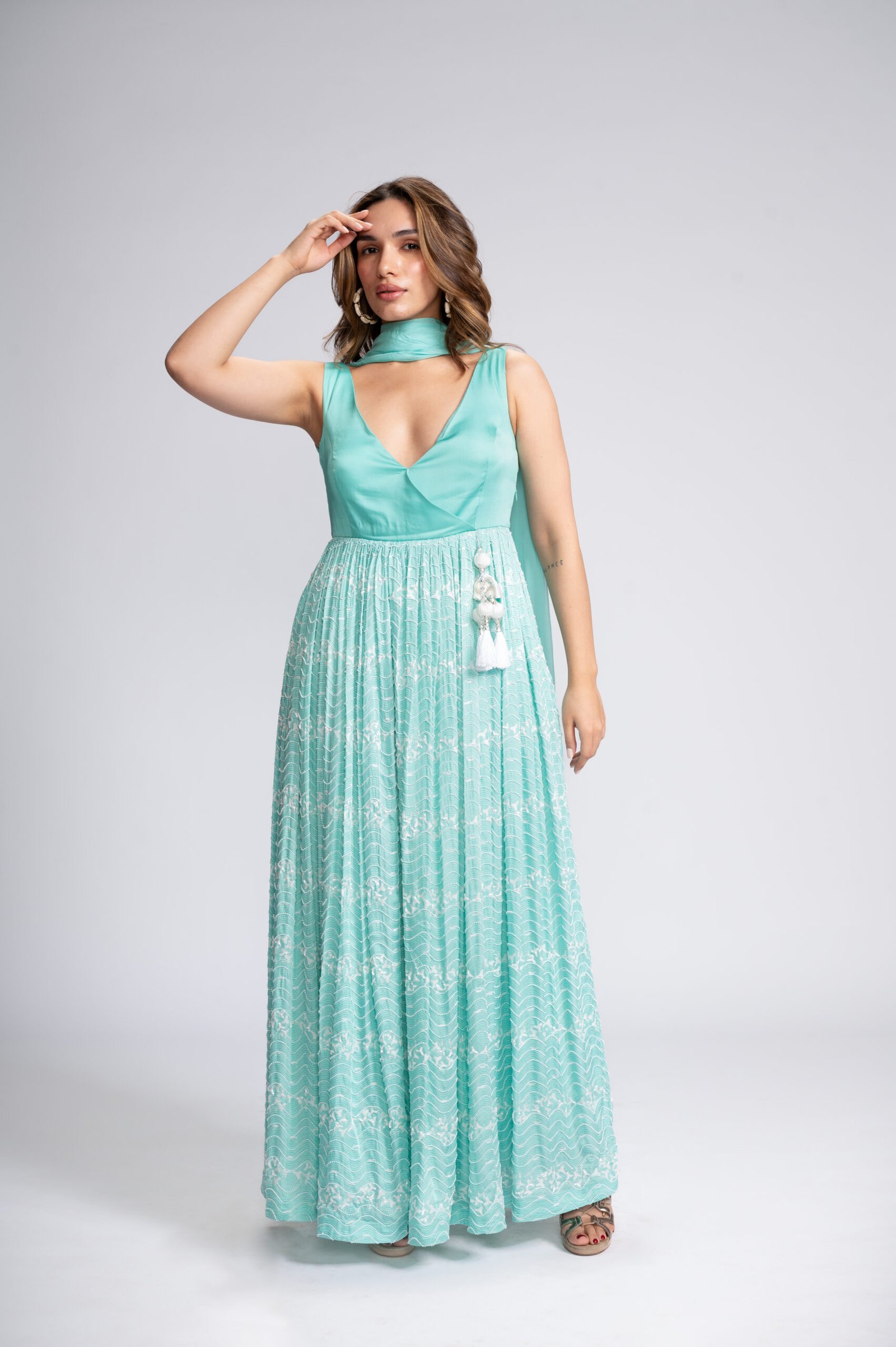
You turn thirty this month. What do you want your label to have said by the time you turn forty that it hasn’t said yet?
I want the label to stand for something deeper than just aesthetics. Right now, it tells stories of Mumbai, of culture, of craft but by forty, I want it to also represent a stronger shift towards conscious fashion. I want people to feel like when they wear my pieces, they’re part of something thoughtful, not just something beautiful.
You Might Also Like: The Effortless Elegance of Label Niti Bothra
For more stories like this, stay tuned to TheGlitz