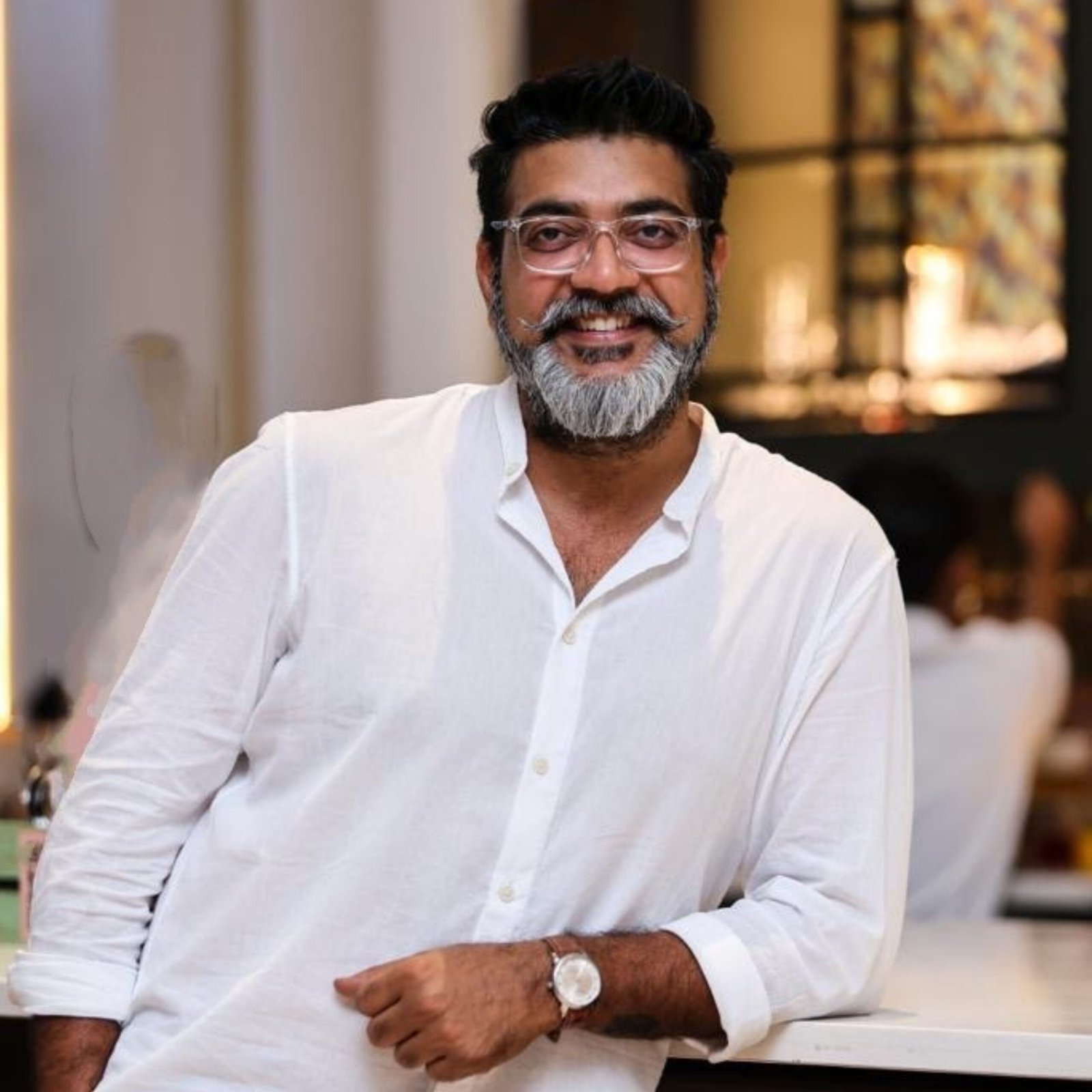
Twenty-four years in hospitality. Hundreds of brands, thousands of restaurants, 120 countries. Sit with him long enough and you realise none of it is really about the industry. It’s about the people who shaped him along the way — and one in particular he never forgot.
Her name was Roxie. Italian, early fifties, travelling the world alone on a 90-day grand voyage. Graceful, free, the kind of woman who fills a dinner table with more warmth than the food ever could. She took a liking to the young maître d’ who looked after her every evening — brought him cigarettes, told him things about life and people, and left him with one line he has never shaken loose: don’t do anything where mom should not be proud of.
Pravesh Pandey was just 22. And something about that crossing — those 90 days, that particular table, that particular woman — settled into him and he never quite stopped carrying her with him.
What followed was a career that moved fast and wide. Byg Brewski, Hard Rock Cafe, Shiro, Social, Smoke House Delhi, Brigade Hospitality — and eventually, VP of Restaurant Success at Zomato, where he sat alongside thousands of restaurants and watched, with rare intimacy, how they rose and fell. He saw what scaled. He understood what worked. And somewhere in all of it, quietly, he kept coming back to the same idea — a lady, an Italian mansion, a story worth telling at a table.
Roxie came first. Then Barry found his way in — not by design but through the guests, through the music nobody marketed and the corner nobody advertised and the small things people fell in love with before anyone had named them. And now, with Roxie & Barry, the story has its fullest expression yet — an Indo-Italian craft house in Bengaluru where two coastal characters carry the whole philosophy of how an evening should feel.
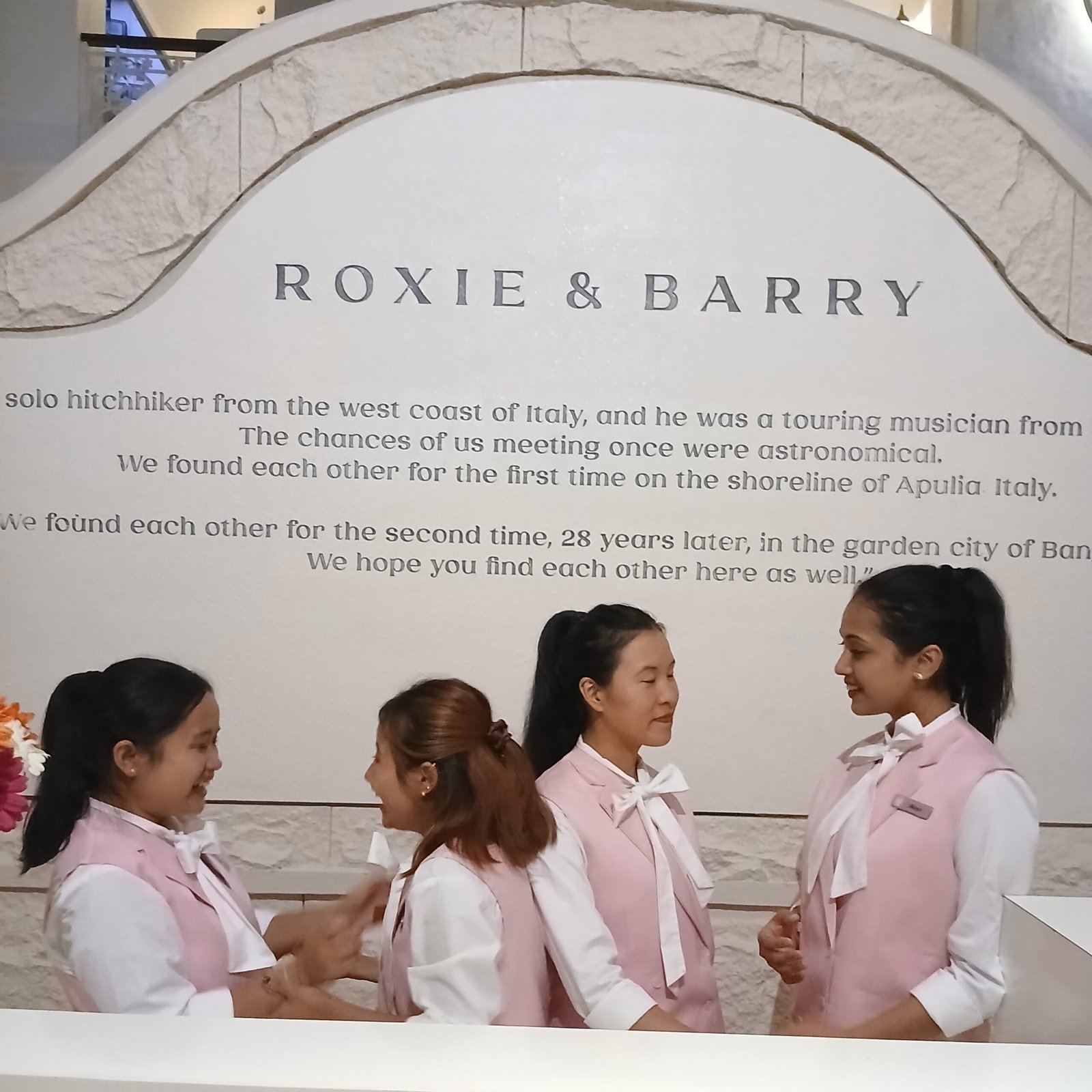
If you haven’t read Part One yet – the space, the food, the cocktails, the 7PM ritual – it’s worth starting there. This conversation makes a little more sense with that evening already in mind.
Rajeev Mokashi, Co-founder of TheGlitzMedia, sat with Pravesh Pandey, Founder & CEO, PP Ventures over what he will tell you — flatly, is the most accurate Negroni in Bengaluru. Pravesh, lifting his own glass, did not disagree. What followed covered a 24-year journey – the brands, the detours, the lessons, and the woman who started it all. Here is that conversation.
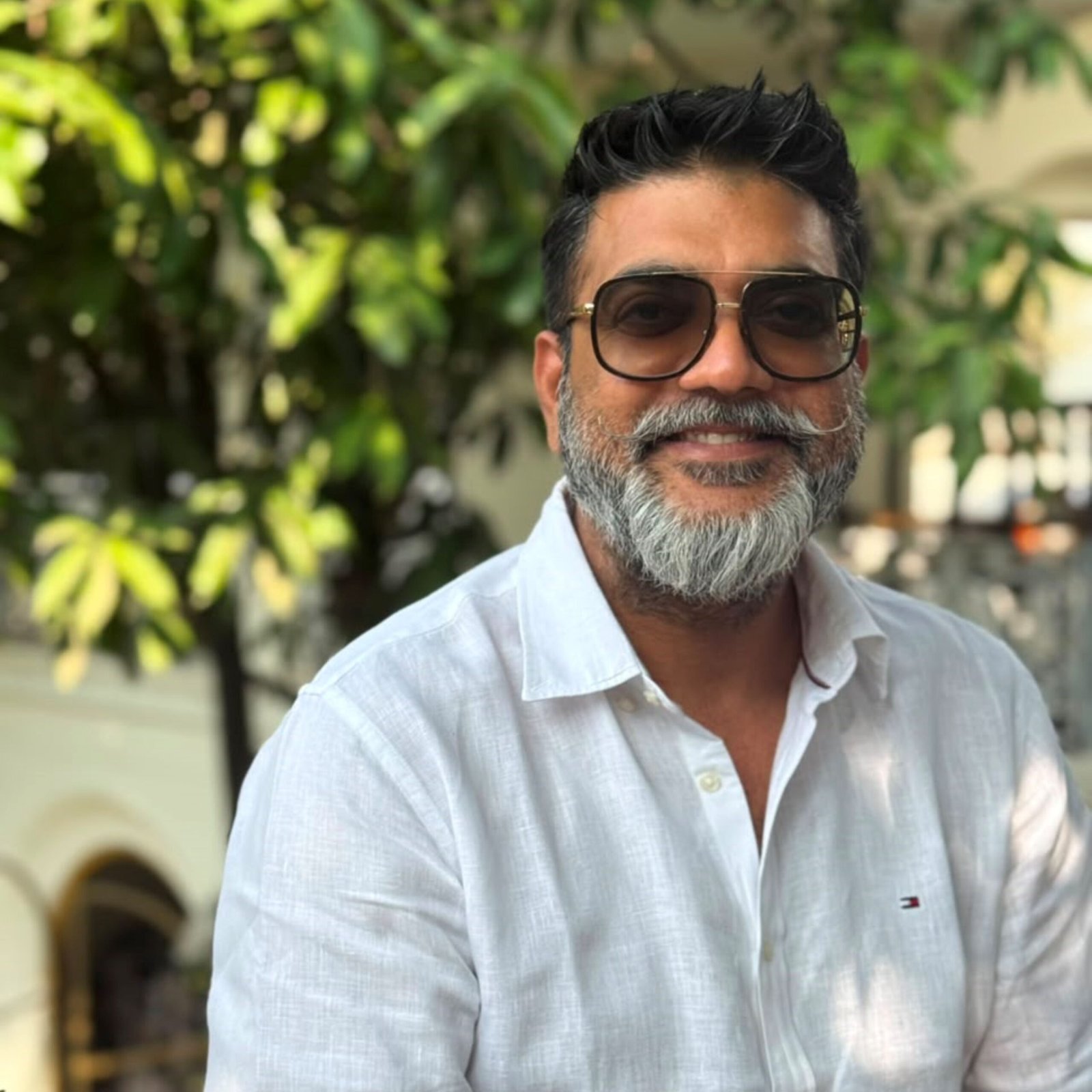
Rajeev Mokashi: 120 countries, grand hotel dining rooms, global brands — and somewhere along the way, two characters called Roxie & Barry took over. When did the big world start feeling too big?
Pravesh Pandey: I don’t think the world ever felt too big. If anything, it taught me that scale can sometimes distract you from intimacy. I was fortunate to travel extensively, work on cruise ships, experience incredible restaurants across continents, and be part of global hospitality brands. But what stayed with me were never the grand chandeliers or the size of the operation. It was always the people.
Roxie came from a very real person I met during my years at sea. She taught me that hospitality is not a transaction; it’s a relationship. Somewhere along the journey, I realised that the future of dining wasn’t necessarily getting bigger. it was becoming more personal. Roxie & Barry is my attempt to bring all those global influences into a room that still feels human, emotional, and deeply connected.
You had a front-row seat at Zomato to what makes restaurants live and die. Most people would’ve used that to build something safe. What did the data tell you that made you do the opposite?
Data is brilliant at telling you what people are doing. It’s not always brilliant at telling you why they’re doing it.
My time at Zomato gave me access to patterns, behaviours, preferences, failures, and successes at scale. What I learned was that while convenience drives consumption, memory drives loyalty. The restaurants people truly love are rarely the safest ones. They’re the ones that stand for something.
The data actually pushed me toward conviction. It showed me that if you want to survive, you need efficiency. But if you want to matter, you need identity. Roxie & Barry was born from that belief, that in a world becoming increasingly algorithmic, personality becomes a competitive advantage.
Amalfi brings the party, Apulia brings the pantry. Glass of wine, no agenda — which coast are you actually sitting on?
On most days, I’m somewhere in between.
I love the romance and spontaneity of Amalfi— the idea that a meal can stretch into a celebration without anyone noticing. But I’m equally drawn to the honesty of Apulia, where food is less performance and more inheritance.
If you gave me a glass of wine and no agenda, I’d probably choose a table where people are sharing stories, passing plates around, arguing about food, and losing track of time. That’s really what Roxie & Barry tries to capture. Not one coast, but the space between celebration and comfort.
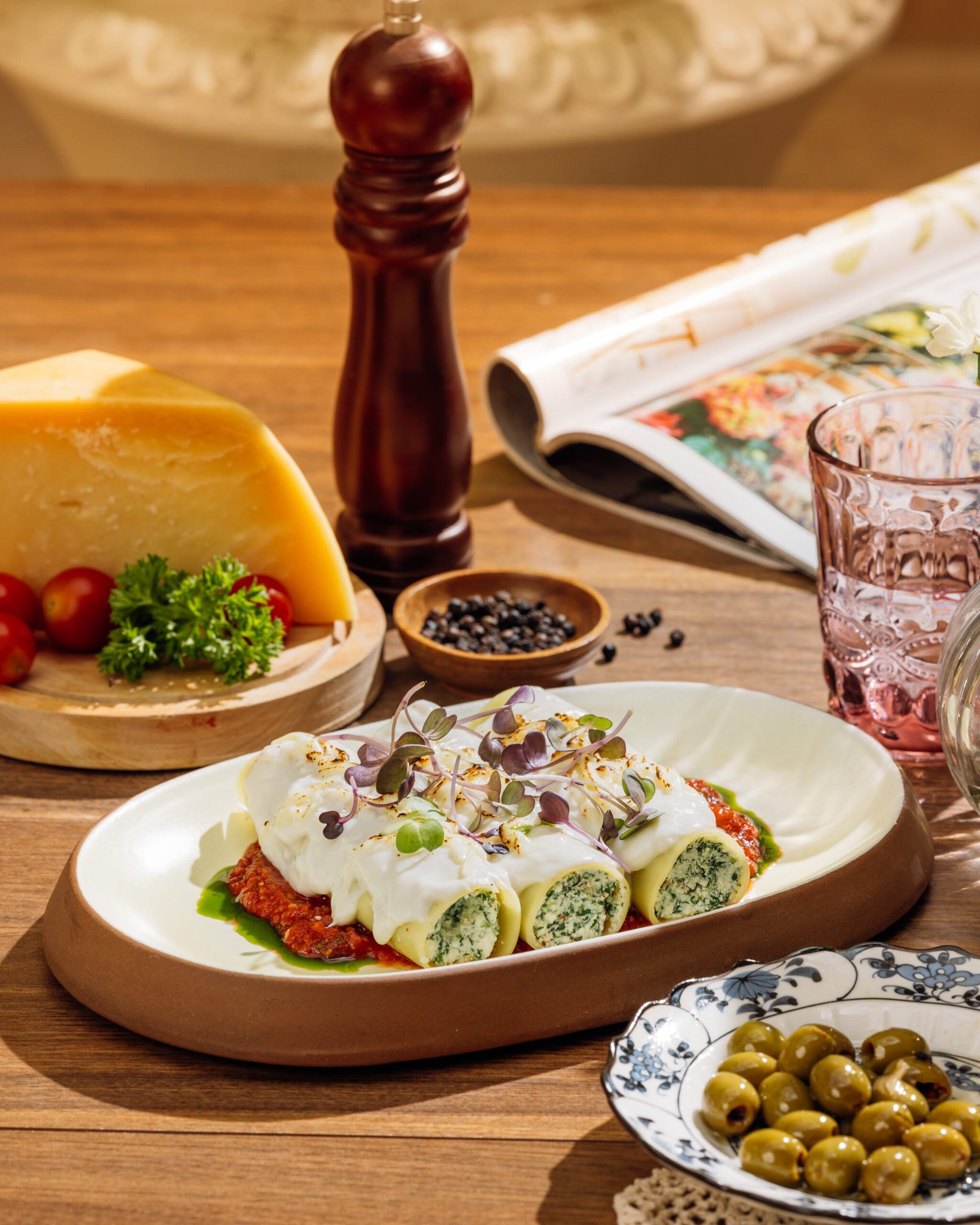
Every restaurateur has that one evening — everything right, and still something missed. Has Roxie & Barry had that night, and what did it teach you?
Absolutely.
One of the biggest misconceptions in hospitality is that excellence is the absence of mistakes. In reality, excellence is awareness. We’ve had evenings where the food was exceptional, the music was right, the room looked beautiful—and yet something felt incomplete.
Sometimes it’s as simple as a guest not feeling seen. Sometimes it’s the energy of the room not connecting the way we imagined. Those evenings remind us that hospitality isn’t built from systems alone. It’s built from emotion.
The lesson is always the same: never stop listening. Guests will tell you everything you need to know if you’re paying attention.
In-house pasta, slow reductions, fermentation, no premixes — you’ve committed to doing things the long way. In a city that moves fast, what does that stubbornness cost you, and do you enjoy paying it?
It costs time. It costs consistency. It costs patience. And in some cases, even profitability.
But shortcuts also cost something. They cost character.
We’ve chosen the longer route because we believe guests can feel intention, even when they can’t articulate it. An in-house pasta isn’t just about texture. It’s about commitment. A slow reduction isn’t
just technique. It’s respect for the ingredient.
The city moves fast, yes. But I think people still crave things that feel real. We are not competing with speed. We’re competing for memory. And for that, the long route is often the only route.
Managing Director across multiple venues on one side, the creative mind behind an intimate character-driven room on the other — how do those two versions of you get along?
They argue quite a bit.
One side is constantly looking at numbers, sustainability, operational efficiency, scalability. The other side is obsessed with stories, music, lighting, textures, and the feeling a guest carries home.
Over time, I’ve learned that neither side can exist without the other. Creativity without discipline becomes chaos. Discipline without creativity becomes forgettable.
The best hospitality businesses are built when both sides sit at the same table and challenge each other.
A restaurant with its own personality is a lovely idea — and a slightly terrifying one, because personalities are unpredictable. Has Roxie & Barry ever surprised you in a way you simply weren’t ready for?
Many times. The biggest surprise has been watching guests complete the story in ways we never anticipated. We built Roxie & Barry with a certain narrative in mind, but the guests brought their own interpretations.
We’ve seen first dates become engagements. We’ve seen strangers become friends. We’ve watched people create rituals around the space that were never part of our plan.
That’s when you realise a restaurant stops belonging to its creators. It starts belonging to its community. And honestly, that’s beautiful.
Every room finds its own crowd — often not the one you pictured. Who actually walked through first, and did they show you something about the space you hadn’t seen yourself?
Very much so. We initially imagined a fairly defined audience, people who appreciated craft, detail, storytelling, and experiential dining. What arrived was far more diverse.
We saw young professionals, artists, entrepreneurs, families, travellers, creators, and people simply looking for a place to disconnect from the pace of the city.
What they showed us was that authenticity travels farther than demographics. When a space feels genuine, people from very different worlds somehow find common ground inside it.
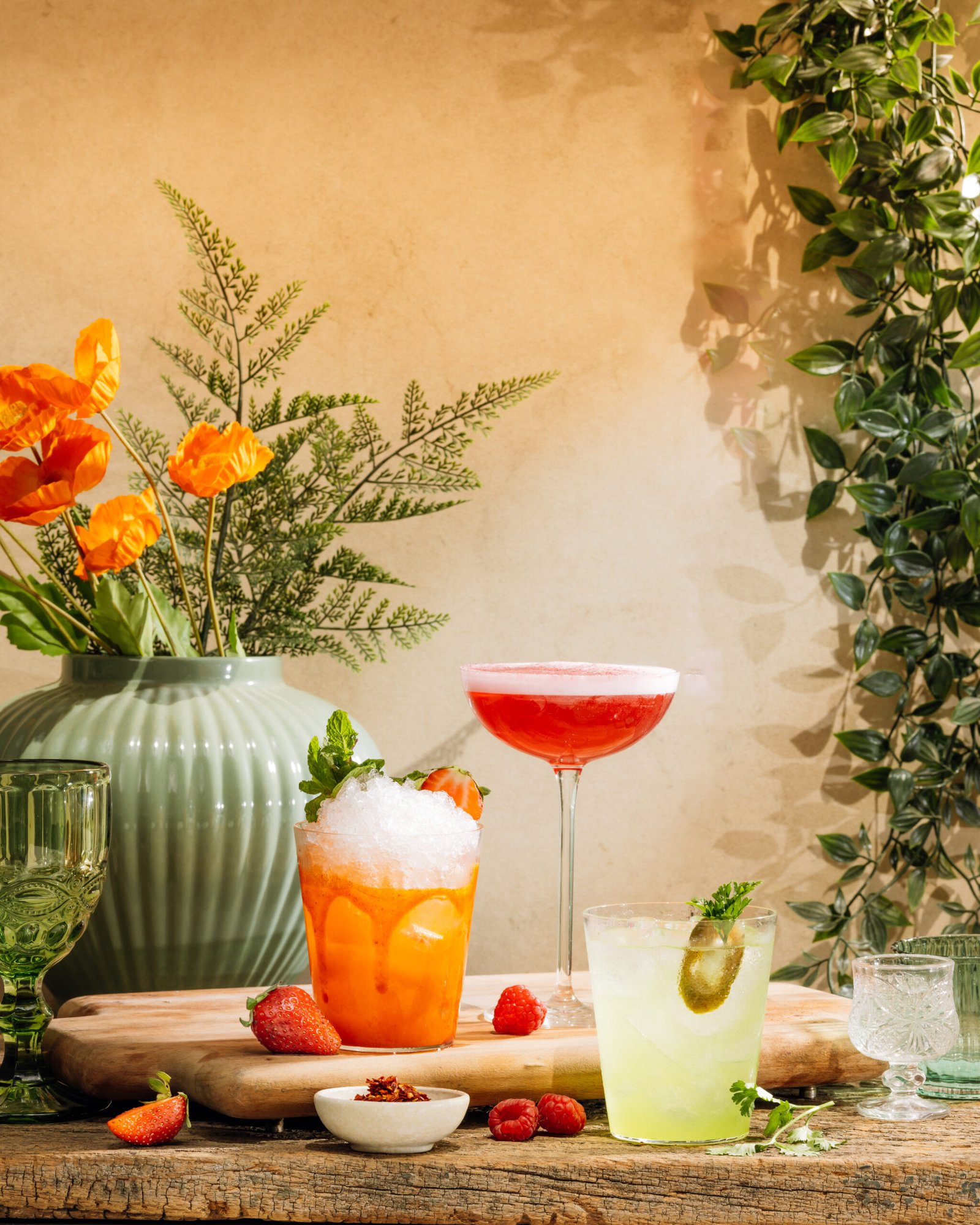
Helen’s Place, Roxie, Roxie & Barry — each its own world. Is there a quiet thread, or do you start each one fresh and pretend the others don’t exist?
There’s definitely a thread.
The concepts are very different, the aesthetics are different, the energy is different. But beneath all of them is the same question: how do we make people feel something?
I’ve never been interested in creating restaurants that simply serve food and beverages. I’m interested in creating destinations where people create memories.
Whether it’s the warmth and nostalgia of Helen’s Place, the larger-than-life spirit of Roxie, or the intimate storytelling of Roxie & Barry, the common thread is human connection. The format changes. The intention doesn’t.
Ten years from now, if a guest walks out of Roxie & Barry and says “that place changed how I think about a night out” — is that enough, or are you quietly hoping for more?
That would already be a tremendous privilege.
Hospitality has given me a life filled with stories, friendships, lessons, and opportunities. If Roxie & Barry can genuinely shift how someone experiences a night, a meal, a conversation, or a relationship, then we’ve done something meaningful.
Of course, every creator hopes for longevity. You hope the brand grows. You hope it becomes part of a city’s culture. You hope people remember it years later.
But more than anything, I hope people remember how it made them feel. Trends disappear. Concepts evolve. Feelings stay.
And if we’ve managed to create a place that stays with people long after they’ve left the table, that’s more than enough.