

Dr. Nandita Palshetkar
For more than three decades, the illustrious Dr. Nandita Palshetkar has been transforming heartbreak into hope and impossibilities into new beginnings. A pioneering force in reproductive medicine and one of India’s most respected fertility specialists – in fact, many call her the “best” in her field, she has helped thousands of families navigate one of life’s most emotional journeys with an extraordinary blend of scientific excellence, innovation and compassion. Her name has become synonymous with trust, hope and the miracle of new life.
Widely regarded as one of the architects of India’s reproductive healthcare revolution, Dr. Nandita Palshetkar has won several prestigious awards and has consistently remained at the forefront of innovation. From introducing advanced fertility technologies and expanding access to treatment, to challenging the stigma surrounding infertility, her work has helped transform not only medical outcomes but also societal attitudes. Guided by the belief that infertility should never be a source of shame but a medical condition deserving understanding, support and world-class care, she has empowered countless individuals to seek help with confidence and dignity.
Yet what makes her journey truly extraordinary is that it has never been driven by technology alone. Behind every breakthrough, every successful treatment and every medical milestone lies a deeper purpose… to restore faith, rebuild confidence and help patients rediscover hope during some of the most challenging moments of their lives. For Dr. Nandita Palshetkar, success is measured not merely by clinical results but by the joy of seeing a long-awaited dream come true, the tears of happiness in a new parent’s eyes and the lives transformed through empathy-led care.
A mentor, educator, innovator and passionate advocate for women’s health, she continues to champion a future where fertility awareness, ethical treatment and quality reproductive healthcare are accessible to every woman and every couple, regardless of geography or financial circumstance. Her vision extends far beyond helping create families; it is about building a healthcare ecosystem rooted in knowledge, dignity, accessibility and opportunity… a legacy that will continue to inspire generations to come.
Having known Dr. Nandita Palshetkar for over 15 years, I have had the privilege of witnessing not only her remarkable professional achievements but also the exceptional human being behind them. While her pioneering contributions have helped redefine the landscape of fertility care in India, it is her warmth, grace and unwavering empathy that leave the deepest impression. She possesses a rare ability to instantly put people at ease; her reassuring smile, gentle demeanour and genuine concern often become as therapeutic as the treatment itself. In a field marked by emotional vulnerability, uncertainty and longing, she offers something truly priceless… the comforting assurance that hope is never lost.
In this exclusive interview with Sumita Chakraborty, Founder & Editor-in-Chief, TheGlitz, Dr. Nandita Palshetkar shares the defining moments that shaped her extraordinary journey, the lessons learned from decades of transforming lives, and why she believes that when compassion walks hand in hand with science, miracles cease to be exceptions and become possibilities.
Over To Dr. Nandita Palshetkar
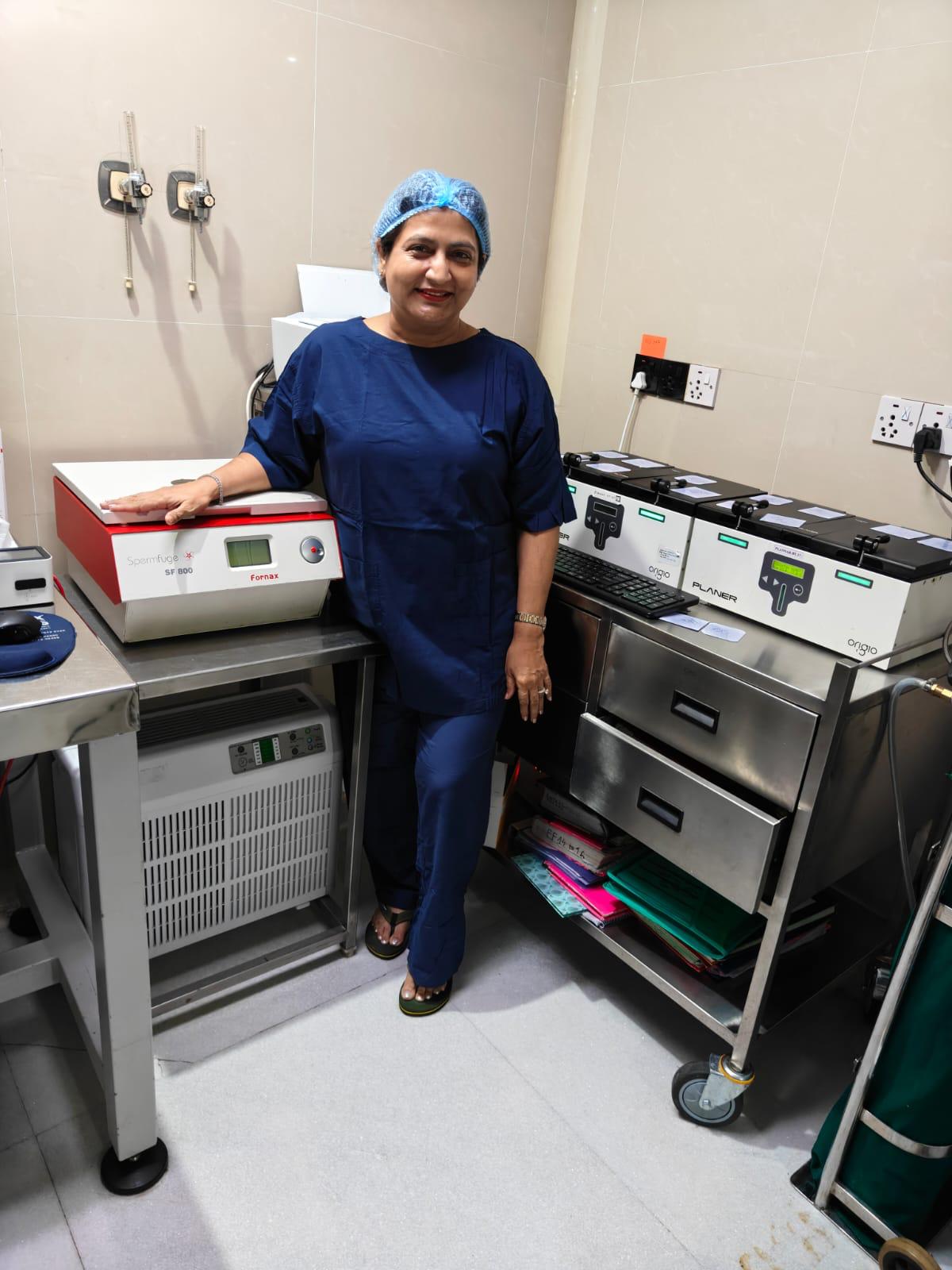
Looking back, what have been the defining moments that shaped your journey as a doctor and pioneer in reproductive medicine?
Dr. Nandita Palshetkar – When I look back at more than three decades in reproductive medicine, the most defining moments have not only been scientific milestones, but human ones. Every couple who walked in with despair and later held their baby in their arms shaped my journey.
In the early years, fertility treatment in India was still surrounded by silence, stigma and limited access. Being part of the evolution of IVF in India, introducing newer technologies, improving success rates and making patients believe that infertility is a medical condition, not a personal failure, has been deeply meaningful.
Another defining part of my journey has been building teams, centres and systems where science, ethics and compassion work together. Medicine has taught me that innovation matters, but trust matters even more. My patients, my mentors, my colleagues and the thousands of families I have had the privilege to help have all shaped the doctor I am today.
What has driven your commitment to innovation, and how do you decide which emerging advancements truly benefit patients?
Dr. Nandita Palshetkar – My commitment to innovation comes from one simple belief, patients deserve the best that science can offer, but only when it is safe, ethical and meaningful. In fertility care, technology is advancing rapidly, from embryo culture systems and genetic testing to artificial intelligence, fertility preservation and lab witnessing systems. But not every new technology is automatically useful for every patient.
Before adopting any advancement, I always ask, Will this improve outcomes? Will it reduce risk? Will it make treatment safer, more transparent or more personalised? Most importantly, is there evidence behind it?
Innovation should never be used to impress patients, but it should be used to help them. At Bloom IVF, our focus has always been to combine advanced technology with responsible clinical judgement. The aim is not just to offer the latest treatment, but the right treatment for the right patient at the right time.
What changes in society’s perception of infertility have encouraged you most, and what misconceptions still need to be challenged?
Dr. Nandita Palshetkar – The most encouraging change is that infertility is slowly coming out of the shadows. Earlier, couples would often suffer silently, especially women, who were unfairly blamed. Today, more people are willing to seek medical help, talk about IVF, consider egg freezing and understand that fertility is a health issue, not a taboo.
Another positive change is that men are increasingly being included in fertility evaluation. This is very important because infertility is not only a woman’s issue. Male factor contributes significantly and must be addressed openly.
However, many misconceptions still remain. People still believe that IVF guarantees a baby, that fertility can wait indefinitely, or that only women are responsible when conception is delayed. Another major myth is that if a woman is healthy, fit and menstruating, her fertility will remain the same at any age. Biology does not work that way. We need more awareness, especially among young people, so that they can make informed reproductive choices early.
How important has mentorship and shaping the next generation been for you?
Dr. Nandita Palshetkar – Mentorship has been one of the most fulfilling parts of my career. A doctor’s responsibility does not end with treating patients. We must also build the future of medicine by training, guiding and inspiring the next generation.
Reproductive medicine is a field where science changes constantly. Young doctors need strong clinical knowledge, but they also need ethics, patience, humility and empathy. Through teaching, training programmes, academic platforms and professional organisations, I have always tried to create opportunities for younger specialists to learn and grow.
India needs well-trained fertility specialists and women’s healthcare professionals across cities and smaller towns. Good fertility care should not be limited to a few metros. If we mentor responsibly, we multiply our impact. Every young doctor trained well can go on to help thousands of patients. That, to me, is one of the most powerful ways to serve society.
Mentorship has been one of the most meaningful parts of my journey, because reproductive medicine is not only about protocols, laboratories and technology, it is also about how we connect with patients.
I always tell younger doctors and my team that patients will not open their hearts unless they feel safe. Fertility treatment is deeply personal. Many couples carry years of pain, guilt, social pressure and sometimes details they are hesitant to share. Recently, a couple in my clinic had not shared their full history with my assistants, but when they sat with me and felt that bond and trust, they opened up completely. Later, I explained to my team that asking questions is not enough. We have to make the patient feel that we truly care. Only then will they trust us with their most private struggles.
This is the kind of mentorship I believe in. Training young doctors to be excellent clinicians, but also compassionate human beings. Science can guide treatment, but empathy gives patients the courage to continue.
Just today, I met a patient married for 18 years who conceived after multiple IVF attempts in our lab. Her journey took almost three years with us, but she kept faith. When she told me how much she loved children and how the entire family was celebrating this pregnancy, I felt once again how blessed I am to be in this field. The job satisfaction in fertility care is unmatched because we are not only treating infertility, we are helping complete families, restore hope and change lives.
How do you ensure compassion remains at the heart of care in a technology-driven field?
Dr. Nandita Palshetkar – Fertility treatment is deeply emotional. Patients do not come to us only with medical reports; they come with hope, fear, social pressure, financial concerns and often years of disappointment. Technology can help us create embryos, select protocols and improve outcomes, but compassion is what helps patients survive the journey.
I always tell my team that every patient must feel seen and heard. Sometimes a patient needs a scientific explanation; sometimes she needs reassurance; sometimes she simply needs someone to say, “We are with you.”
In IVF, small things matter, like explaining clearly, not giving false promises, being available, respecting privacy and treating every couple with dignity. Advanced machines and laboratories are important, but they cannot replace kindness. For me, the best fertility care is where science gives patients a chance, and compassion gives them strength.
What healthcare priorities must India address to empower women about their reproductive futures?
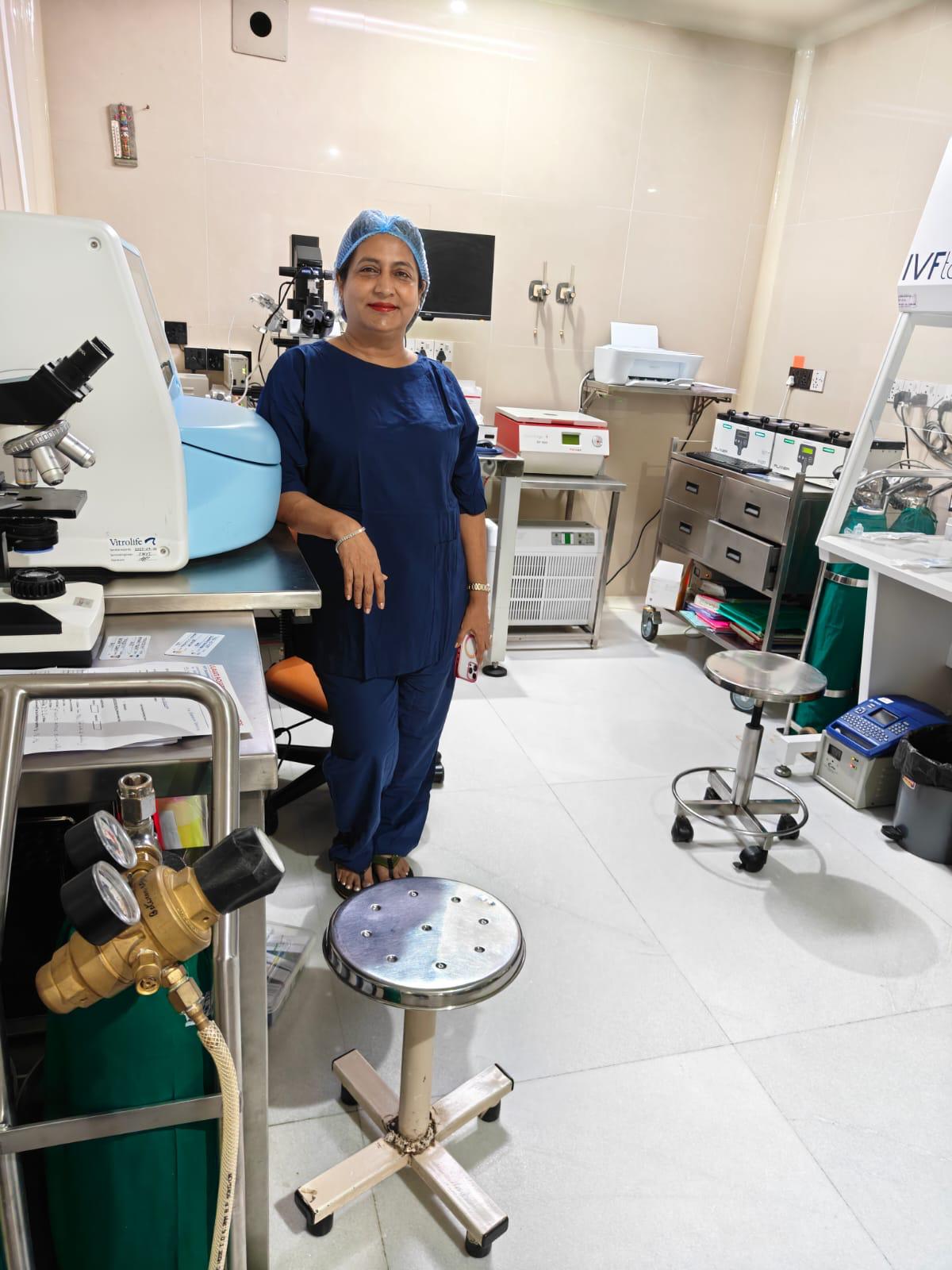
Dr. Nandita Palshetkar – India must prioritise reproductive awareness much earlier in life. Women are often told about pregnancy only after marriage, but they are rarely educated about fertility, ovarian reserve, menstrual health, PCOS, endometriosis, contraception, egg freezing or age-related decline in fertility.
We need fertility education in a simple, non-frightening and scientific way. Young women should know that career and motherhood are both important choices, but biology has timelines. Awareness allows planning; lack of awareness often leads to regret.
We must also improve access to menstrual health care, contraception, preconception counselling, nutrition, anaemia correction, vaccination and screening for reproductive disorders. Fertility preservation for cancer patients and women delaying motherhood should become more widely discussed.
Most importantly, women should not be judged for their reproductive choices. Whether she wants to have a child early, later, through IVF, through donor treatment, or not at all, she deserves information, respect and access to good healthcare.
India must make fertility care a part of mainstream women’s healthcare. Today, infertility is often treated as a specialised service available only in large cities or private centres, but the need exists across the country, in metros, small towns and villages.
My dream is that fertility awareness and basic fertility evaluation should begin at the primary healthcare level, just like antenatal care or contraception. A woman with irregular periods, PCOS, endometriosis, repeated miscarriages or difficulty conceiving should not have to wait for years before reaching the right doctor. Primary health centres should be able to guide couples, identify problems early and refer them to appropriate fertility services.
At the same time, India needs many more affordable and ethical fertility centres across the country, so that advanced treatments like IVF are not limited to a privileged few. Fertility care should be available closer to home, with proper counselling, good laboratories, trained specialists and transparent treatment.
For me, empowering women means giving them knowledge, timely diagnosis and access. No woman should lose precious reproductive years simply because she did not know where to go, could not afford treatment, or did not have a fertility centre within reach.
What continues to inspire you today, and what legacy would you like to leave for fertility care in India?
Dr. Nandita Palshetkar – What inspires me even today is the courage of my patients. I meet couples who have faced repeated failures, miscarriages, social pressure and emotional pain, yet they come with hope. Their strength keeps me going.
I am also inspired by how much more we can still do. Fertility care in India must become more accessible, ethical, transparent and patient-centered. We need better awareness, earlier diagnosis, stronger counselling and more responsible use of technology.
The legacy I would like to leave is not only of successful treatments, but of trust. I would like to be remembered as someone who helped bring fertility care into the mainstream with dignity, science and compassion. I hope the next generation continues to build a future where no couple feels ashamed to seek help, and every woman has the knowledge to make informed decisions about her reproductive life.
What continues to inspire me is the belief that fertility care should not be a privilege available only to those who can afford it. My dream is that every woman and every couple in India should have access to the highest standards of infertility care and IVF technology, irrespective of their economic background.
I am actively working towards this vision by engaging with the government and proposing public-private partnerships, beginning with Maharashtra. If we can create a model where advanced fertility care becomes affordable, accessible and ethically delivered through such collaborations, it could transform reproductive healthcare in India.
For me, legacy is not only about the thousands of babies born through my work. It is about creating a system where no couple has to give up the dream of parenthood because treatment is too expensive or unavailable. If India can build a future where fertility care reaches every woman who needs it, that would truly be a dream come true for me.
What has been the most rewarding aspect of this remarkable journey?
Dr. Nandita Palshetkar – The most rewarding aspect has been seeing hope turn into life. There is no feeling quite like watching a couple who once sat in front of you with tears of helplessness come back carrying their baby. That moment makes every long day, every difficult decision and every emotional challenge worthwhile.
Over the years, I have had the privilege of being part of thousands of parenthood journeys. Some were straightforward, many were complex, and some required enormous patience from both the doctor and the patient. But each success story is special.
For me, the greatest reward is not just that a baby is born, but that a family is healed. Infertility can affect confidence, relationships and self-worth. When treatment succeeds, it restores much more than fertility, it restores faith. That is what makes this journey extraordinary.
The most rewarding aspect of this journey has been seeing hope return to families who had almost given up. In fertility care, success is not only a medical result, it is an emotional transformation for the couple and often for the entire family.
Even today, after so many years, every positive pregnancy feels special. Recently, I met a patient who had been married for 18 years and had conceived after multiple IVF attempts in our lab. Her journey with us had taken almost three years, but she kept faith and continued treatment with courage. When she spoke to me, she shared how deeply she loved children and how, because of the age gap in her family, she had almost treated her younger brother like her own child. Her mother was with her, and I could feel what this pregnancy meant not just to one woman, but to an entire joint family that had waited for this moment for years.
That is what makes this field so extraordinary. We are not simply helping someone conceive; we are healing years of longing, restoring confidence and bringing joy into homes. When a woman who has struggled for years finally becomes pregnant and the whole family celebrates with her, it reminds me why I chose this field.
I feel truly blessed to be a fertility specialist. The job satisfaction in reproductive medicine is unmatched, because every success story is a story of science, patience, faith and hope coming together.