
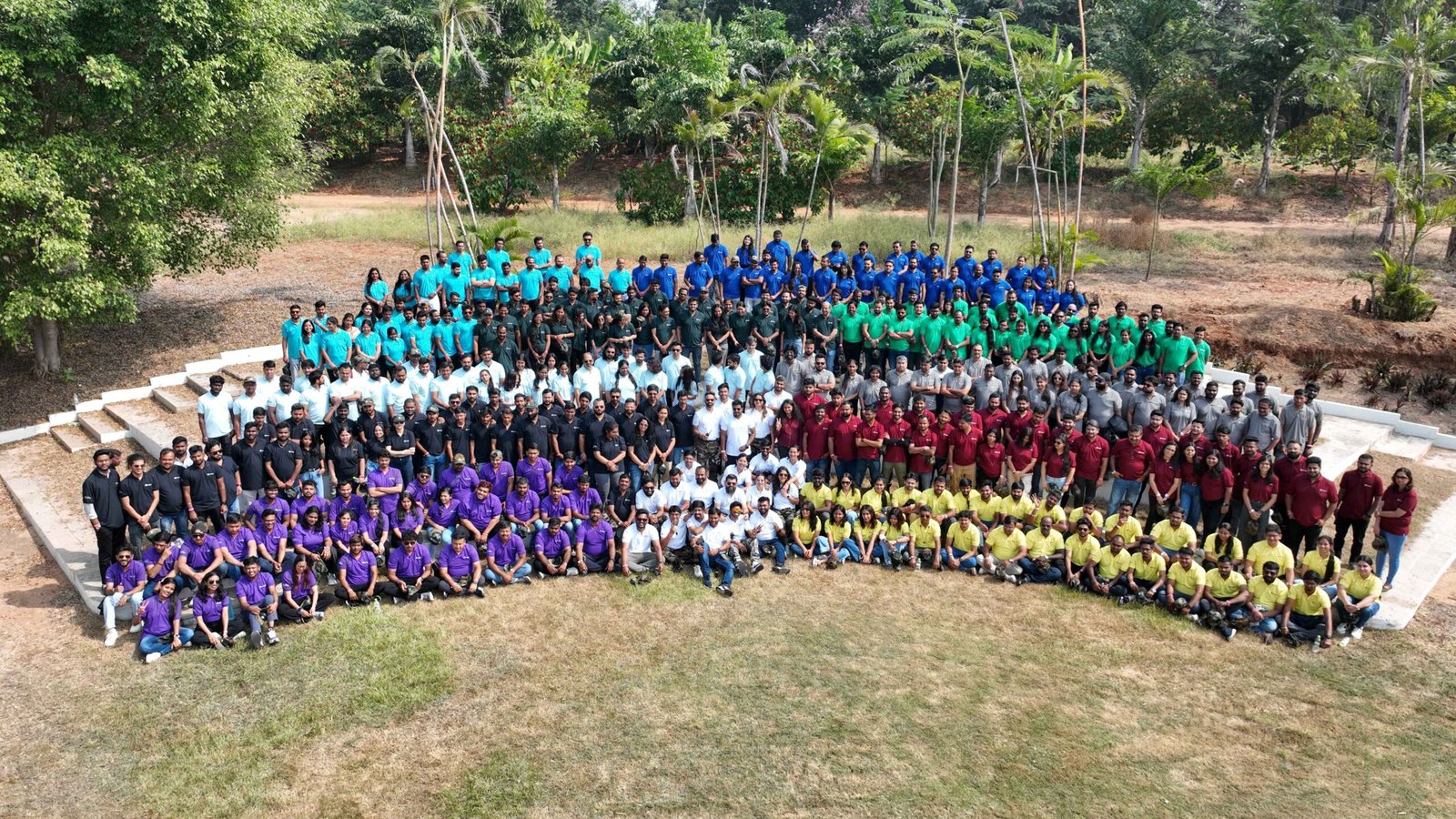
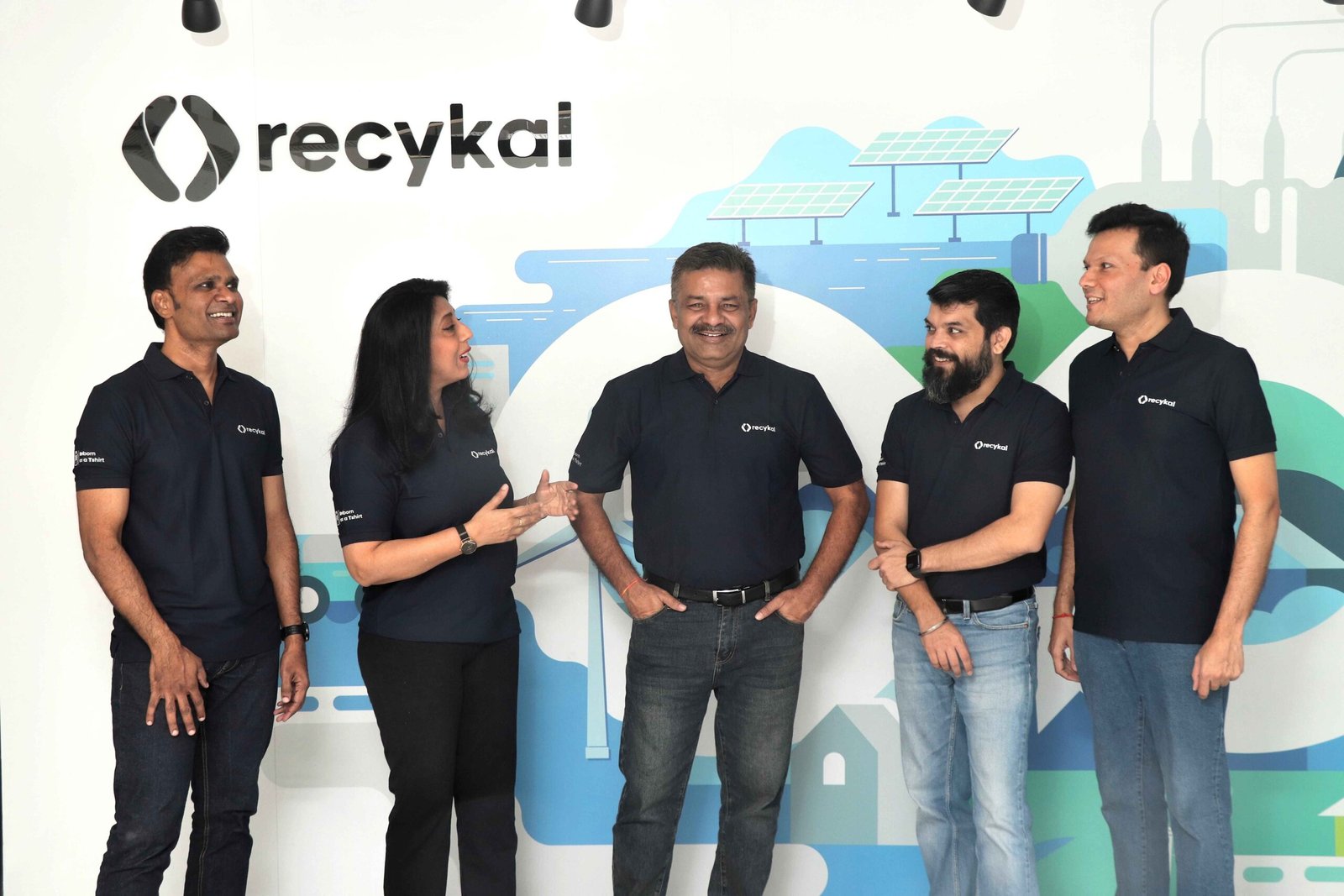
Recykal stands as the nation’s most dynamic B2B startup, driving revolutionary changes in waste management through cutting-edge technology. Founded by an ambitious team of innovators -Vikram Prabakar, Ekta Narain, Abhay Deshpande, Abhishek Deshpande, and Anirudha Jalan – Recykal is redefining how waste is managed, recycled, and repurposed across India, transforming sustainability into a tangible, scalable reality.
Their visionary leadership has not only earned global recognition but positioned Recykal as a beacon of innovation. The company was honored as a ‘Global Innovator’ by the World Economic Forum in 2024 and received Nasscom’s AI Gamechanger Award in the same year. These accolades reflect their pioneering use of AI and cutting-edge technology to streamline waste management systems and create a sustainable future.
Nominated into the TheGlitz 2025 Catalysts, a prestigious list of individuals and teams revolutionizing industries, the co-founders of Recykal are proving that technology and sustainability can work hand-in-hand to solve one of the world’s most pressing challenges. With their groundbreaking platform, they are not just setting new standards for sustainability in India but also leading the way globally, creating a lasting impact on the planet and future generations.
Over To Recykal Founders – Vikram Prabakar, Ekta Narain, Abhay Deshpande, Abhishek Deshpande, and Anirudha Jalan
What was the inspiration behind starting Recykal, and how has the journey evolved since its inception?
We were united by the vision of tackling India’s growing waste management crisis through technology. Witnessing the inefficiencies and lack of transparency in the existing informal waste ecosystem inspired us to build a solution that could bridge the gap between stakeholders, from waste generators to recyclers. The idea was simple yet powerful: integrate technology to create a more transparent, traceable, and accountable system.
Since our inception, Recykal has evolved from being a pioneering idea to a globally recognised platform. Today, we are proud to have channelised over 1 million MT of waste, partnered with over 620+ brands & 675+ recyclers, and impacted underprivileged communities. Recognition by the World Economic Forum and other global platforms reinforces our belief that technology can truly transform waste management and drive the circular economy.
Can you elaborate on how AI and cutting-edge technology play a role in transforming waste management and recycling at Recykal?
AI is at the heart of Recykal’s operations, enabling us to deliver more innovative, more efficient waste management solutions. Through AI-powered tools, we optimise:
- Supply chain traceability: AI helps track waste from its source to its final destination, ensuring transparency and compliance.
- Dynamic pricing models: Our managed marketplace leverages AI to provide real-time pricing for recyclables, ensuring fair business opportunities for aggregators and recyclers.
- Pattern recognition: By analysing data, AI identifies inefficiencies in waste collection and recycling processes, enabling proactive solutions.
Winning the Nasscom AI Gamechanger 2024 award validated our efforts to integrate cutting-edge technology into the traditionally overlooked waste management sector. These innovations are not just improving operational efficiency but also building trust and accountability across the waste value chain.

What are some of the biggest challenges you faced in building a tech-enabled platform for waste management, and how did you overcome them?
Building Recykal was far from easy; the challenges were numerous:
- Resistance to digital adoption: Many stakeholders in the waste ecosystem, especially in the informal sector, were hesitant to embrace technology. We addressed this through awareness campaigns, hands-on training, and adding more categories to their waste portfolio.
- Fragmented ecosystem: Bridging the gap between waste generators, aggregators, and recyclers required creating a unified platform. Our managed marketplace and digital DRS solutions acted as enablers, simplifying interactions and fostering collaboration.
- Data integrity and traceability: Ensuring accurate and tamper-proof tracking of waste required deploying robust QR-code-enabled systems and AI-driven data analysis.
- Regulatory ambiguities: Navigating changing waste management policies demanded agility and close collaboration with policymakers to stay aligned with compliance requirements.
Each challenge taught us valuable lessons and drove innovation, shaping Recykal into the resilient, scalable platform it is today.
How does Recykal’s model of waste management, recycling, and repurposing differ from traditional waste management practices, and what impact has it had on communities and businesses globally?
Recykal stands apart from traditional waste management approaches by embedding technology, transparency, and collaboration into every step of the process:
- Tech-driven transparency: Unlike traditional systems, Recykal’s solutions use tools like QR-coded traceability, digital managed marketplaces, and AI analytics to ensure accountability across the waste value chain.
- Circular economy focus: Instead of treating waste as an endpoint, we enable its transformation into valuable resources, supporting a circular economy.
- Stakeholder inclusion: Recykal integrates the informal sector into formal frameworks, improving livelihoods while enhancing waste recovery efficiency.
The impact has been significant:
Communities benefit from cleaner environments and increased income for informal workers.
Businesses achieve sustainability goals going beyond mere compliance.
Globally, our model is creating ripple effects, inspiring others to adopt circular economy principles.
What do you believe are the key drivers for sustainability and circular economy adoption across industries, and how is Recykal positioning itself to lead this global shift?
The key drivers for sustainability and circular economy adoption include:
- Regulatory frameworks: Policies like Extended Producer Responsibility (EPR) and the use of recycled plastic in manufacturing new products are pushing industries to take ownership of their waste.
- Consumer demand: Today’s consumers value sustainability and demand transparency from brands.
- Corporate responsibility: Companies are realising that sustainability is not just ethical but also profitable in the long run.
Recykal is at the forefront of this shift by:
- Providing solutions like digital DRS and the managed marketplace to help brands meet their sustainability goals.
- Empowering stakeholders with data-driven insights for better decision-making.
- Driving awareness and behavioural change through campaigns and collaborations.
Our position as a technology leader and global innovator ensures that we are not just participants but enablers of this global transformation.
Looking to the future, what are your plans for expanding Recykal’s impact and continuing to drive innovation in the waste management sector on a global scale?
Our vision for the future is ambitious yet rooted in the principles of sustainability and innovation. We aim to drive further innovation in technology, products and solutions and channelise 10% of India’s waste.
Ultimately, our goal is to redefine waste management as a cornerstone of the global circular economy, creating a future where sustainability is second nature. With the foundation we’ve built, we are confident that Recykal will continue to be in charge of driving global impact and innovation.