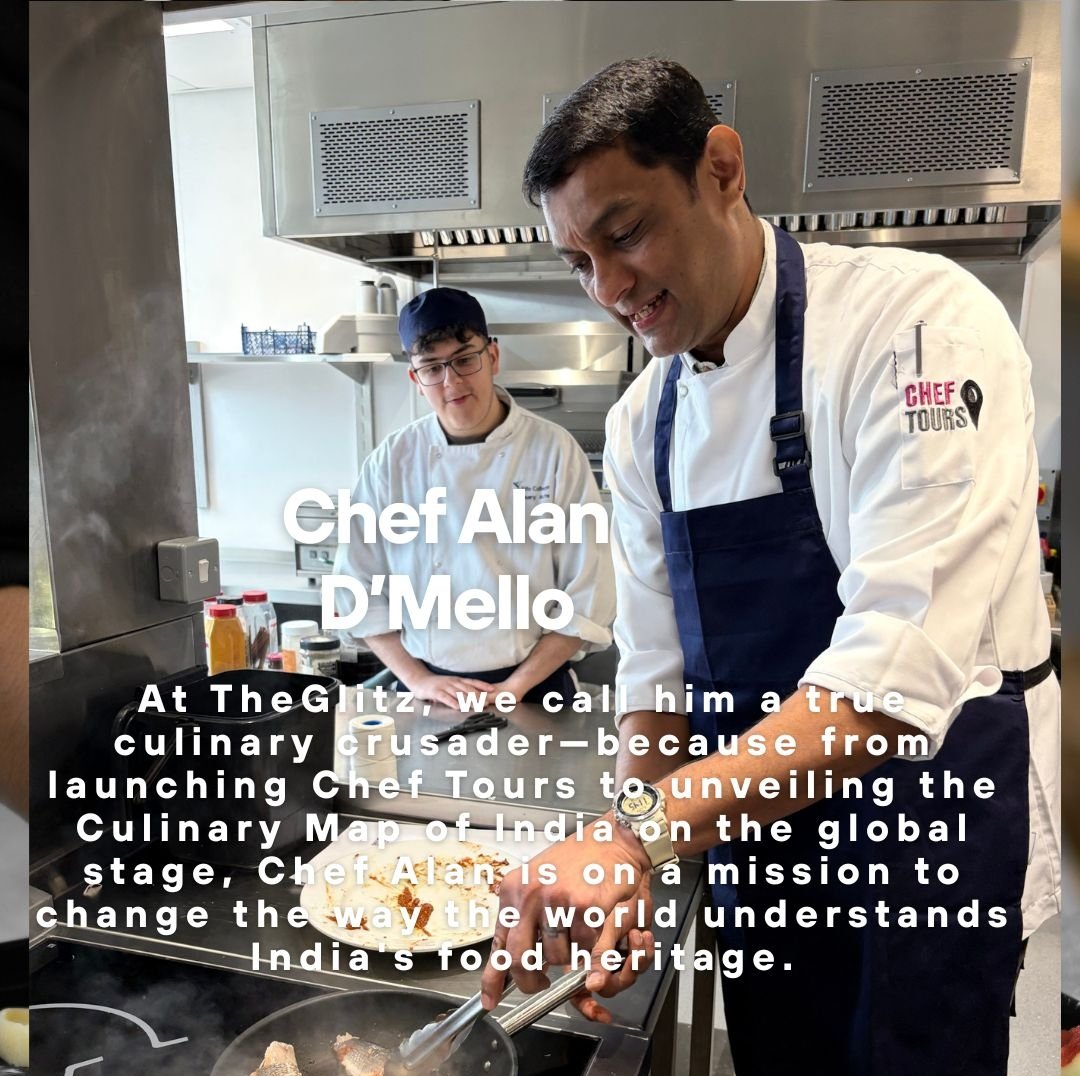
Chef Alan D’Mello
TheGlitz would like to describe him as a culinary crusader… and with good reason. At a time when the world continues to compress India’s extraordinary gastronomic heritage into a handful of familiar dishes, the super passionate Chef Alan D’Mello is leading a quiet revolution. Armed not with recipes but with research, storytelling and an unrelenting passion for authenticity, he is reclaiming India’s forgotten culinary narratives… one region, one community and one kitchen at a time.
Indeed, for nearly two decades, Chef Alan D’Mello has been on a remarkable mission… not to teach the world about Indian cuisine, but to challenge the very notion that such a singular entity exists. In his eyes, there is no one “Indian cuisine.” Instead, there are thousands of cuisines, each shaped by geography, history, migration, faith, community and centuries of tradition. It is a philosophy that has transformed him from being merely a chef into one of India’s most compelling culinary historians, educators and cultural ambassadors.
At a time when global menus often reduce India’s astonishing gastronomic diversity to a handful of familiar dishes, Chef Alan has dedicated his life to uncovering the stories hidden behind every ingredient, recipe and regional tradition. To him, food is far more than sustenance… it is living history, a cultural archive and perhaps the most authentic expression of a people’s identity. His work continually reminds us that to truly understand a cuisine, one must first understand the people, landscapes, languages and memories that created it.
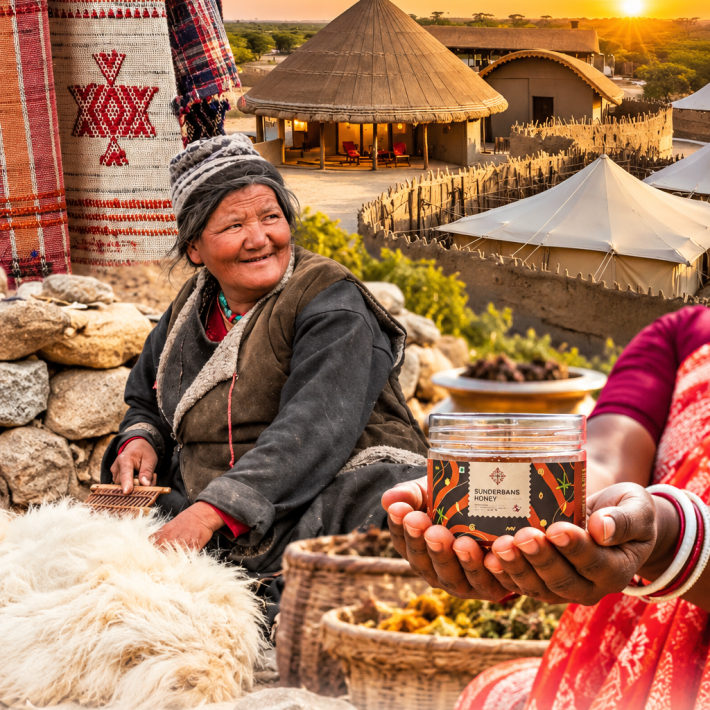
This passion found its most ambitious expression in Chef Tours, the pioneering culinary travel initiative he founded in 2021. More than a food tour, it is an immersive educational movement designed for chefs, culinary students, educators and hospitality professionals, inviting them to experience India’s extraordinary regional food cultures in their most authentic settings. From bustling village kitchens and ancient spice trails to forgotten culinary traditions, Chef Tours is redefining how India’s gastronomic heritage is studied, experienced and shared with the world.
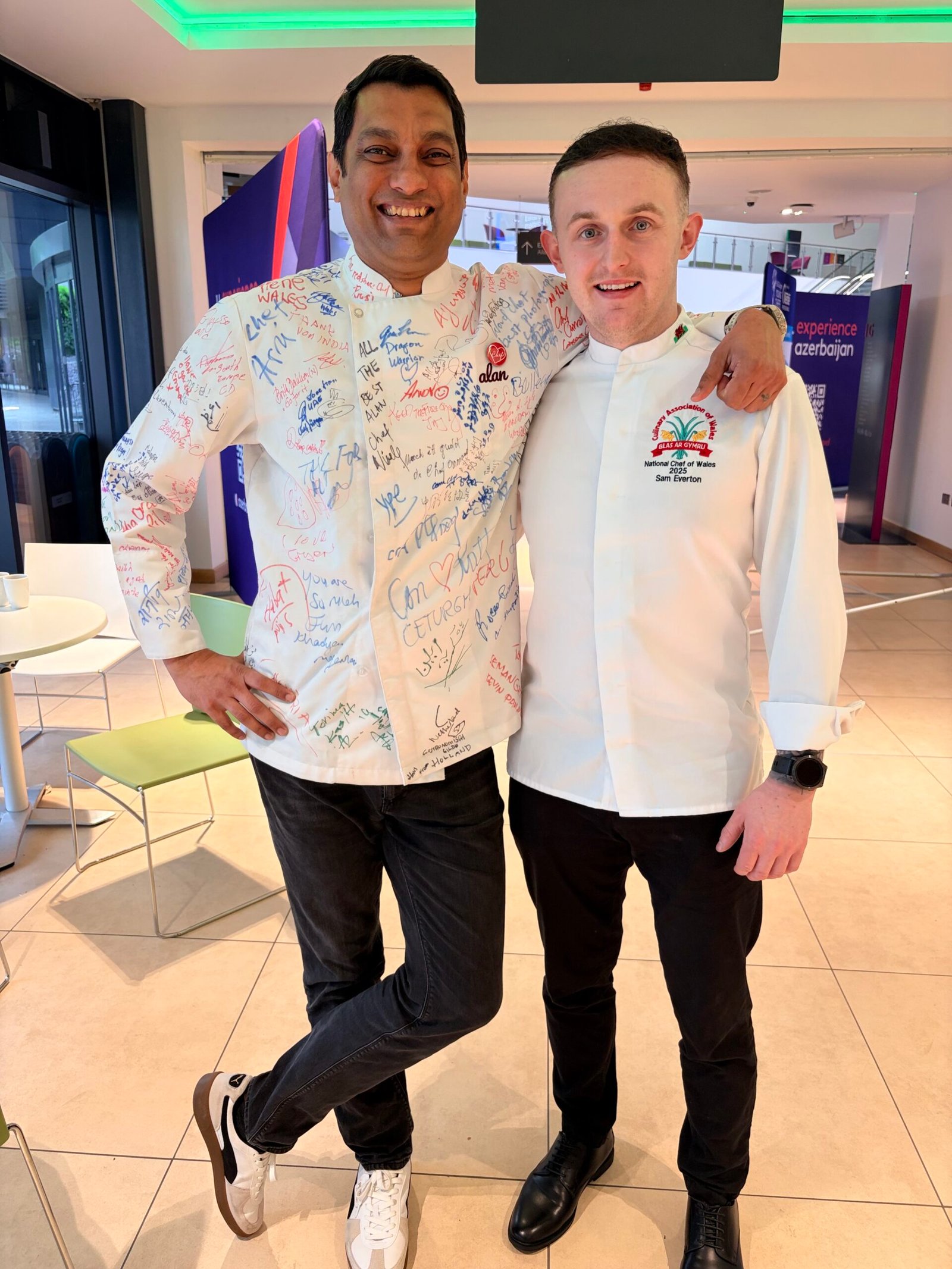
His vision recently reached an international audience at the World Chefs Congress 2026 in Wales, where chefs, educators and culinary institutions from over 70 countries embraced his thought-provoking message. The unveiling of the beautifully hand-painted Culinary Map of India further reinforced a powerful truth… that India’s culinary identity cannot be confined within a single label but must instead be celebrated as one of the world’s richest cultural mosaics.
In an exclusive interview with Sumita Chakraborty, Founder & Editor-in-Chief, TheGlitz, the very articulate Chef Alan D’Mello shares why he believes chefs are among the world’s most important cultural custodians, explains why India must become the global classroom for culinary learning, and reveals how reclaiming our regional food heritage is not merely about preserving recipes… it’s about rediscovering who we are as a people, one unforgettable meal at a time.
Over To Chef Alan D’Mello
You’ve spent nearly two decades challenging the idea of a single “Indian cuisine.” What are some of the biggest misconceptions international audiences… and even Indians themselves… have about India’s food culture?
Chef Alan – To offer a directly reply, their biggest mistake, collectively, is to believe that ‘Indian food exists’. It does not. We are an ancient land and ancient people in a new political experience that is 80 years old. We are not a monolith.
During my European trip last month, I replied to this question in another way. As my audience was mainly European, I asked them to validate my statement that ‘I eat European food’ and ‘speak European’ as monoliths, the same way they ‘eat Indian’ and ‘speak European’. Without exception, everyone got the message.
Chef Tours has quickly gained international attention, but every idea has a beginning. What inspired you to create Chef Tours in 2021, and was there a particular experience or realization that convinced you there was a need for a dedicated culinary travel platform for chefs and food professionals?
Chef Alan – Even in my earliest ‘kitchen/food’ days – 1994 – I wanted to explore ‘Indian’ food. Back then, if I knew 90 ‘classical’ recipes, the career of a chef of ‘Indian’ food was set. No one knew more nor asked for more. In retrospect, this was a Raj hangover. Foreign/European food did not interest me, yet I was compelled to learn.
I am a people watcher; I study time. I am proudly Goan and Indian. My education degrees are in Sociology, Psychology and History. That’s dangerous for a bawarchi. Somewhere amidst the Y2K years, I realised that long-term cultural growth is via culinary campuses, not foodies and kitty parties. A chef will adopt a cuisine because he earns his living from it; its novelty or popularity. Everything else builds from there. Teach a chef to cook your cuisines and it feeds change for life.
This was done to us for decades. The Europeans, to sell their products and by that, their cultures, came to us to show us how to eat and drink their food and liquor. Their enthusiasm, their panache, their marketing, we fell for it at the cost of our culture. European techniques and cuisines are still the default curriculum in India’s hospitality colleges. Chefs here still dream in European.
So, to answer your question, we are following a well-trodden path. This time, in the opposite direction. To extract Indian food from its straight-jacket prison, this generation of chefs and us at Chef Tours, are proactive about ensuring the sun shines on our thousands of local cultures and cuisines, and all the joy and learnings that brings with it.
Through Chef Tours, you’re inviting culinary professionals to experience India beyond restaurants and recipes. How does culinary tourism create deeper learning opportunities that traditional culinary education often misses?
Chef Alan – Chef Tours is primarily for the Indian chef. We need to explore, cherish and get trained on our own cultures and cuisines before we do the same for those from other continents. 75% of our focus is on the 200+ hospitality campuses across India. The other 15% is on professional chefs-owners in India and 10% on chefs and campuses from the other 200+ nations and lands around the world.
The hospitality education system in India is broken. It is so far removed from contemporary reality that it is doing serious harm to careers and our sector. The curriculum and methodology are vestiges of times far far far in the past.
Good tourism is supposedly providing a visitor a well-rounded, multi-faceted insight into the host culture. Food is a wonderful gateway as everyone eats. What and how they eat and what stories are shared with the food, is up to us. People are also kinder when meals are shared. People always remember food tastes and smells long after leaving. If they can recreate/get them back home, even better. Nostalgia brings people back; it is a powerful tool in tourism.
As globalization continues to influence food trends, what are the greatest threats facing regional food identities, and what can chefs, educators, and businesses do to help preserve them?
Chef Alan – The human world has been globalised since before the Bronze Age. It is the pace that differs. With the toxicity of social media, people have surrendered their uniqueness at the altar of fads and trends. Those two are like waves on the beach. There is always the next one.
However, cultures are living things. They evolve. That’s desirable. Rather than be the supplicant in the relationship, its time to take the dominant lead.
Self-respect and money are my two antidotes to the love for others’ trends. I would like Indian chefs to look within; themselves, their families, their cultures, their lands, their cuisines. Really look. It is a journey of self-discovery. I am still on it decades later. The Indian sub-continent is an amazing land. It can match the night sky for the variety of cultures. This self-respect will be the fuel forward, not just some silly trends.
Money, my other antidote, applies when chefs make a good living from championing their cuisines. In hospitality campuses, we are brainwashed to learning European foods. This is why, by default, we know how to make money from a pasta but not sanna. Success generates money and breeds imitators.
The Culinary Map of India presents a fascinating visual narrative of the country’s food diversity. Were there any discoveries during its creation that surprised even you as a researcher and chef?
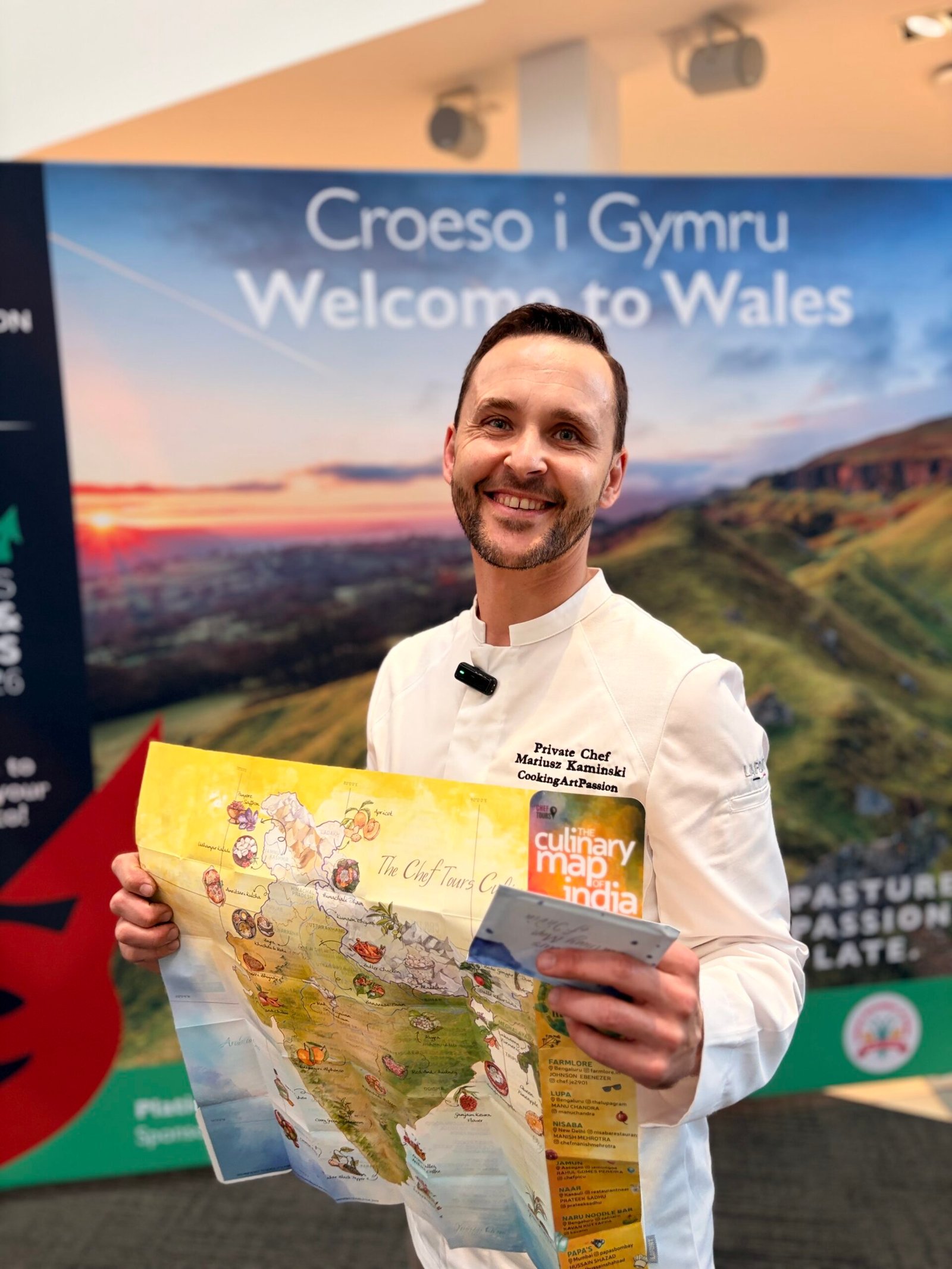
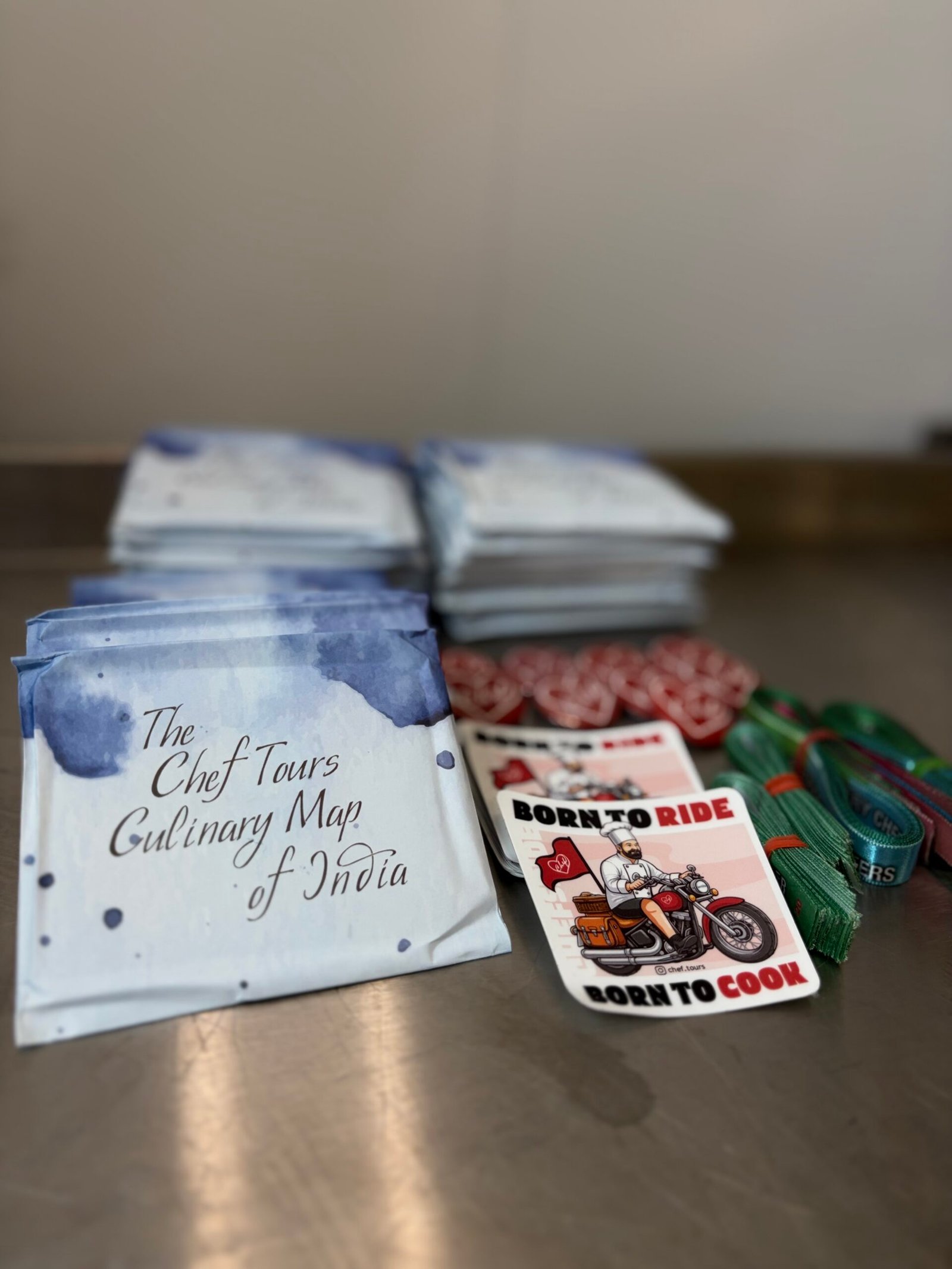
Chef Alan – Yes of course. This is why I truly love doing my job and laugh at the troubles. Making the map was a difficult task, I suspect other authors on similar projects felt the same. An analogy if I may; the task is similar to publishing the entire edition of this magazine in a single, 160 character SMS.
The ‘Chef Tours Culinary Map of India’ was difficult because we had space for only one item per Indian state but hundreds of options. Rushina and her team at Perfect Bite Consulting did a fabulous job creating the shortlist. Getting from there to the final list was a challenge… Long calls, debates etc.
This enormity of variety is also why this inaugural map is dated ‘May 2026’. Another version is definitely scheduled, perhaps by 2028. It is on the horizon I can see the dawn’s first rays.
India has long been a tourism destination, but not yet a major culinary learning destination on the global stage. What needs to happen for India to become a must-visit classroom for chefs and food professionals worldwide?
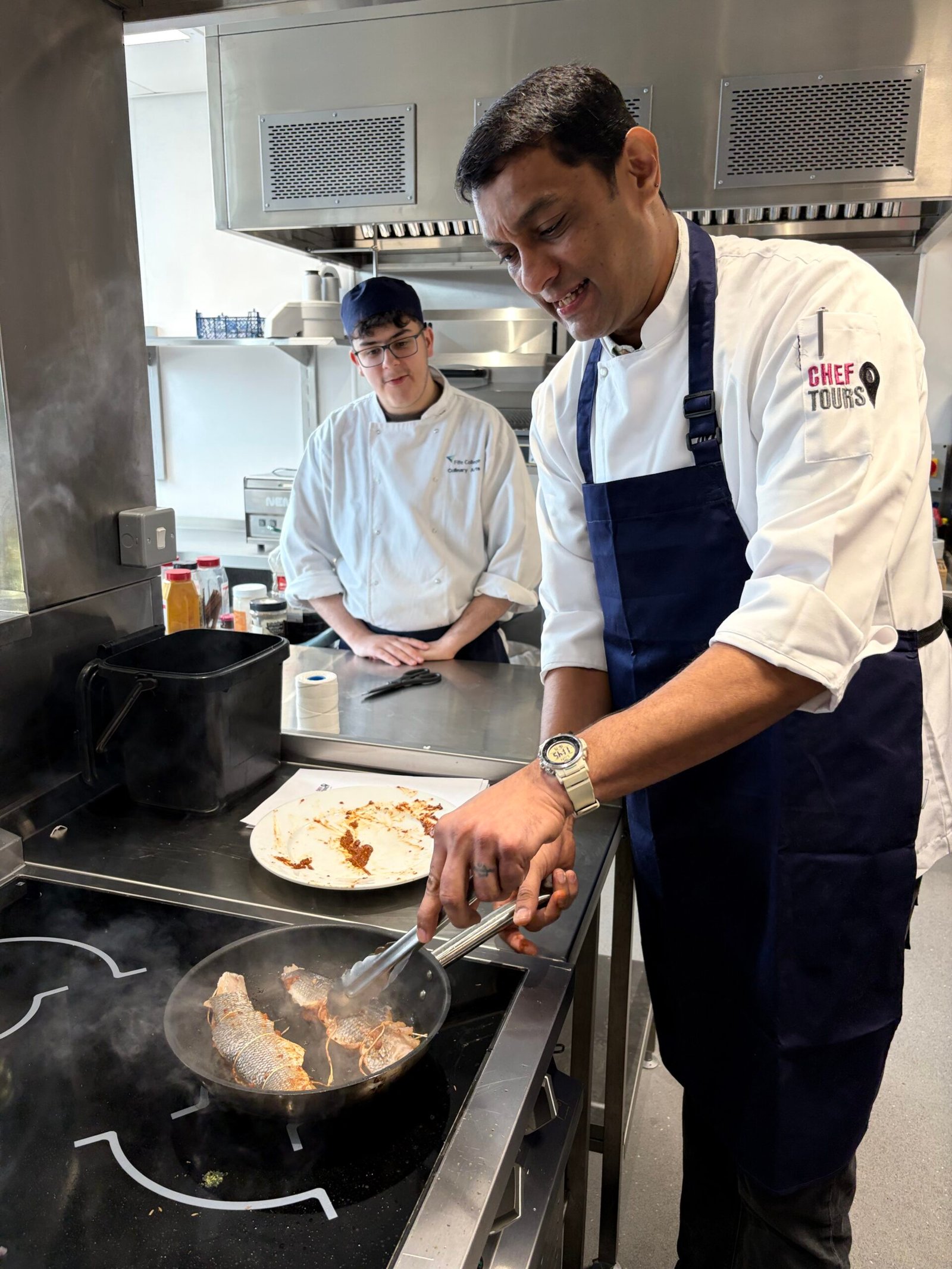
Chef Alan – We at Chef Tours have to do a fabulous job, fast. This generation of chef-owners and head chefs are champions of their heritage. It is also where the money is at present. I am seeing the generation coming through, in their twenties, bred on social media, as champions in the making. Just as Indian CEOs of global conglomerates are no longer a novelty, Indian chefs are being welcomed into global kitchens to celebrate our respective cuisines. It is our time to shine. There is nothing standing in our way, except ourselves. We have to meet the moment.
Goa is often internationally associated with beaches and tourism, yet its culinary heritage is one of the most distinctive in India. What makes Goan cuisine and food culture uniquely positioned to contribute to the global culinary conversation, and what aspects do you believe the world still doesn’t fully understand about it?
Chef Alan – Goa’s beach culture and tourism approach are a leftover from Europe. Their itinerant citizens in the swinging sixties and seventies, washed up on Goa’s beaches. Our ultra-low living costs, at the time, was a major factor why they set roots here. Word of mouth did the rest.
The tourism imagery that everyone has of Goa is of churches, beaches and large Christian houses. That’s a vestige of the Portuguese. The Christians of Goa were and are a minority but dominate the tourism conversation. Goa, was a novelty on the India government’s cliched media map of temples, mosques and palaces. That is why our tourism mandarins played up the church, beach and easy living strategy. …Europe in India. That is wrong. We have failed to understand our diversity.
Goa’s culinary variety is no different from any place in India, the world… that was a major trade route junction. Our trading ports have imbibed the cultures of the visiting merchants. Even inland capitals and trade junctions have absorbed and been improved by the variety of people who have passed through them.
Goa’s culture is far, far deeper than beaches, booze and churches. We would like the world to learn our agricultural kaleidoscope. It is worthy of many PhDs.
TheGlitz Take
TheGlitz came away deeply impressed by Chef Alan D’Mello… not just by the depth of his culinary knowledge, but by the conviction with which he champions India’s extraordinary food heritage. Articulate, immensely well-researched and refreshingly thought-provoking, Chef Alan speaks with the rare authority of someone who has spent decades living, studying and celebrating India’s diverse culinary traditions. His passion is infectious, his vision compelling and his mission inspiring. In an age of fleeting food trends, Chef Alan reminds us that the greatest stories are often found not in fine-dining kitchens, but in the countless regional communities that have quietly preserved India’s culinary soul for generations.