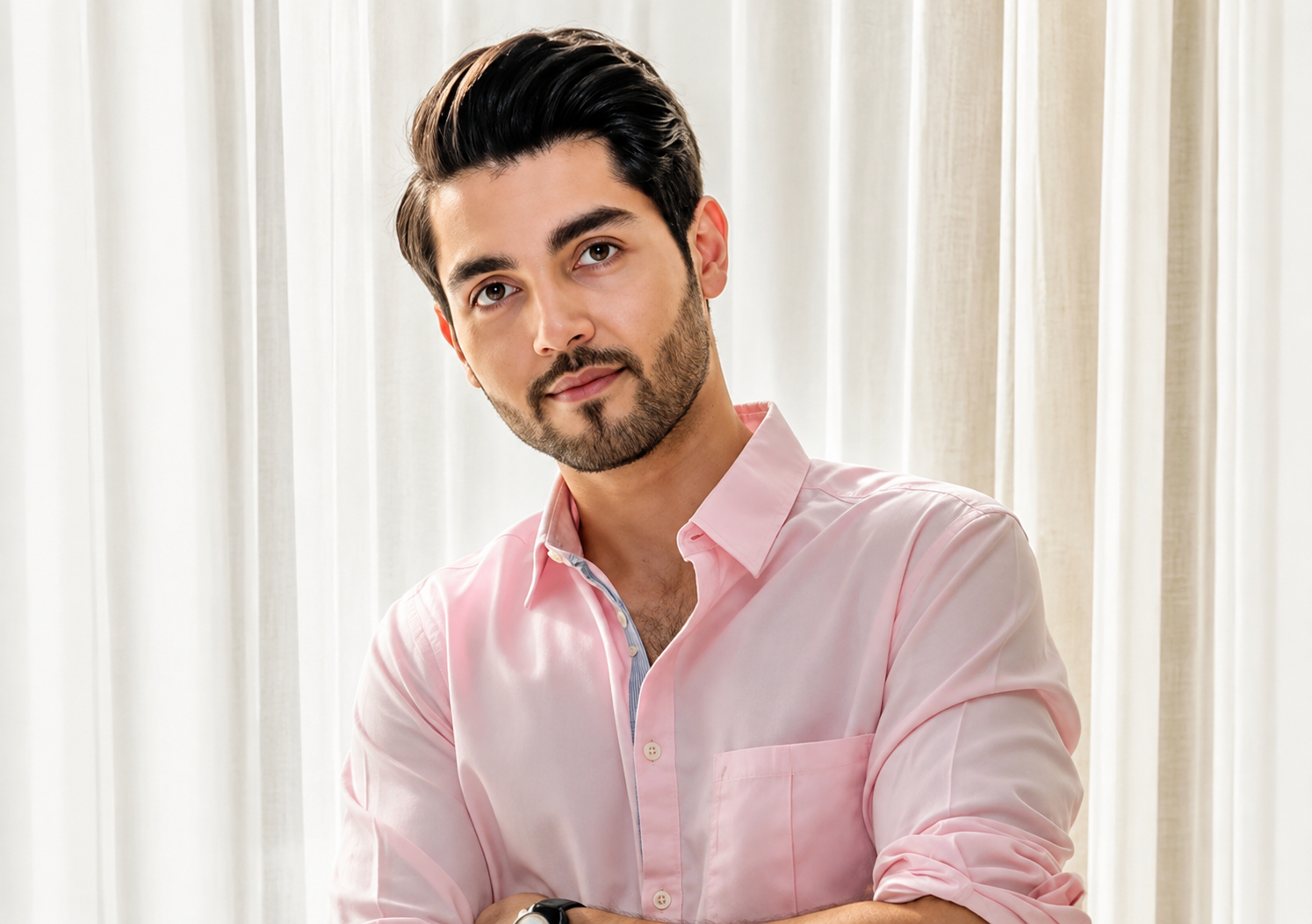
Avik Chatterjee, CEO, Speciality Restaurants Ltd.
For the charismatic Avik Chatterjee, restaurants are not simply spaces where people come to eat. They are part of a rich legacy he has lived with, watched evolve and now has the opportunity to reshape. And as the second-generation entrepreneur takes over as Chief Executive Officer of Speciality Restaurants Limited, Avik now steps into a role that carries both the weight of an extraordinary family legacy and the excitement of a rapidly transforming hospitality landscape.
The son of hospitality dynamo Anjanmoy Chatterjee, the visionary founder of the iconic Mainland China, Avik Chatterjee grew up immersed in the sights, sounds and rhythms of the restaurant business. For him, hospitality was never simply an industry; it was part of the family landscape. He saw, from close quarters, the energy and precision that went into creating a restaurant experience, from the theatre of a bustling dining room to the painstaking attention to food, service and detail that keeps guests coming back.
Mainland China was far more than a successful restaurant brand. It became a cultural phenomenon, introducing generations of Indian diners to a more sophisticated interpretation of Chinese cuisine while transforming the very idea of eating out. It made a restaurant meal feel like an occasion — a place to gather, celebrate, entertain and linger — and in the process created a distinctive vocabulary around contemporary hospitality. Growing up alongside that evolution gave Avik an unusually intimate understanding of both the emotional pull of a beloved restaurant brand and the relentless business discipline required to sustain one.
But Avik’s own story is not one of simply inheriting what came before. It is about questioning it, experimenting with it and finding ways to make it relevant to a new generation. Having previously served as Executive Director – Innovation & New Formats at Speciality Restaurants, Avik has been closely involved in developing new concepts and formats for the group. His role has placed him at the fascinating intersection of food, design, consumer behaviour and business strategy — understanding not only what diners want to eat, but how they want to experience a restaurant today.
Avik’s elevation to CEO therefore comes at an intriguing moment. He represents a generation that understands the value of heritage but is equally comfortable challenging convention. His task is not merely to preserve the brands that built Speciality Restaurants; it is to imagine what those brands — and the larger restaurant group — can become next.
There is something particularly compelling about the father-son continuum at the heart of Avik Chatterjee’s story. Anjanmoy Chatterjee built Mainland China at a time when India’s restaurant industry was still finding its appetite for specialised dining, creating a brand that went on to redefine how an entire generation experienced Chinese cuisine and restaurant hospitality. Avik now finds himself at the helm in a dramatically different and far more fluid era — one shaped by chef-driven concepts, experiential dining, delivery platforms, evolving formats and a new generation of diners who can move effortlessly from a neighbourhood café to a luxury restaurant.
Yet, while the landscape has changed, the fundamental ambition remains rooted in creating memorable dining experiences. Mainland China and Asia Kitchen continue to be important growth brands in the Asian dining space, while Siciliana, Walters, Gong and Sweet Bengal are emerging as significant growth engines for the next phase of the journey.
And perhaps that is where Avik’s story becomes particularly interesting — a young restaurateur carrying a familiar name into unfamiliar territory, with one eye on the history that shaped him and the other firmly on the future of Indian hospitality.
In an exclusive conversation with Sumita Chakraborty, Founder & Editor-in-Chief, TheGlitz, Avik Chatterjee, CEO, Speciality Restaurants Ltd., opens up about growing up around one of India’s most influential restaurant legacies, the evolution of the Indian diner, innovation, new formats and his vision for taking Speciality Restaurants into its next chapter.
Over To Avik Chatterjee, CEO, Speciality Restaurants Ltd.
You grew up with Mainland China and Speciality Restaurants almost as part of your family landscape. Now, as CEO, how do you separate the emotional legacy of the business from the hard-headed decisions required to lead it into its next chapter?
I don’t think you should completely separate emotion from a business like ours. I grew up with these brands and understand what they mean to our guests and our people. But as CEO, the values can be emotional; the decisions have to be rational. My job is to protect the soul of what we’ve built while being willing to change and evolve everything around it to stay relevant.
What is the one thing you have learnt from Anjanmoy Chatterjee that you will carry into the CEO role — and what must the next generation do differently?
The biggest thing I’ve learnt from my father is conviction. Great brands are built when you have a strong point of view and stay committed to it.
What my generation needs to bring is greater speed, focus and use of data. His generation built institutions; our responsibility is to make them more agile without making them less human.
With such a diverse portfolio, how do you decide which brands deserve to be scaled, reinvented or allowed to remain true to what already works?
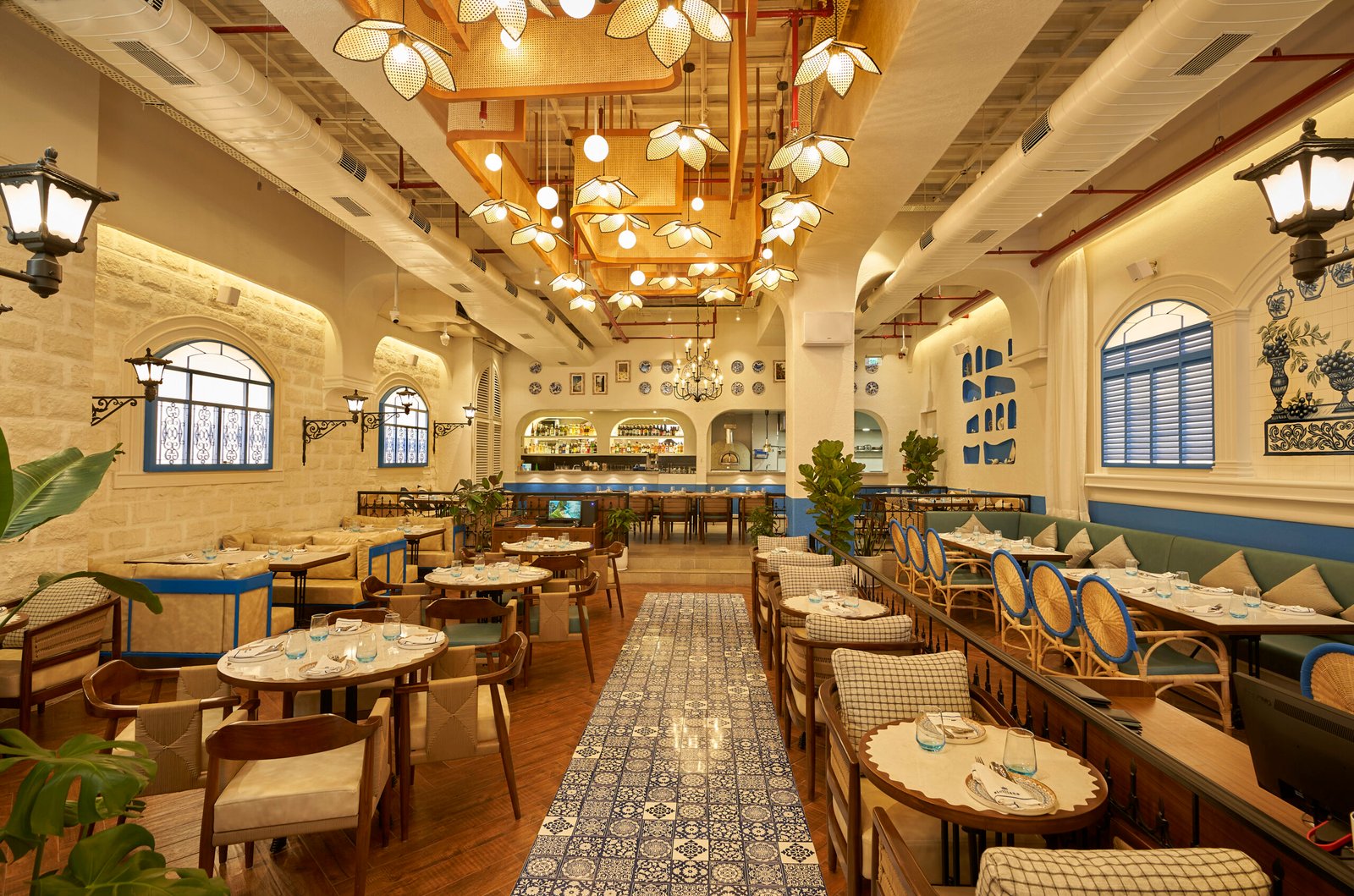
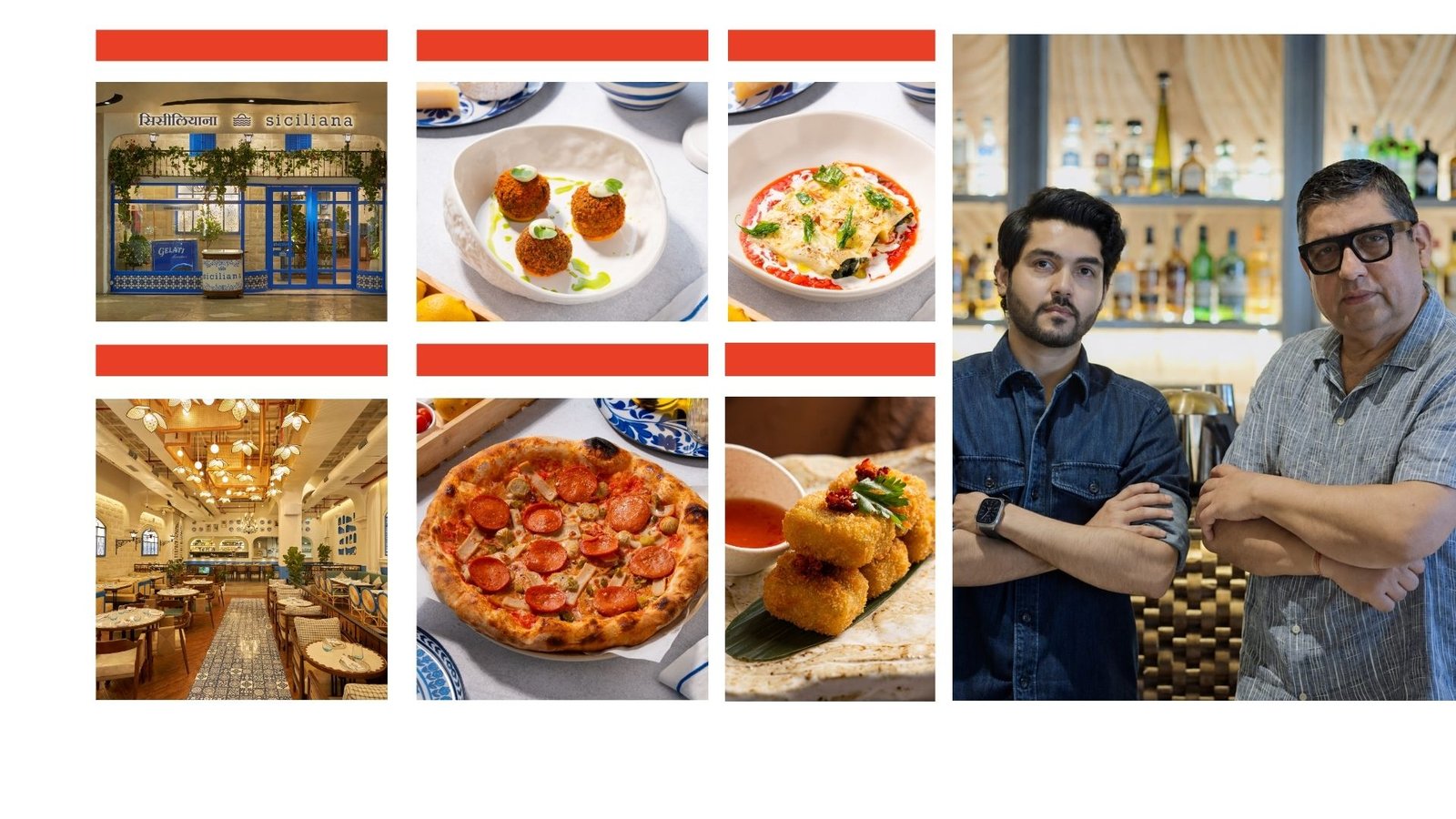
We don’t believe every brand needs the same growth strategy. Mainland China and Asia Kitchen remain important growth brands for us in the Asian dining space, while Siciliana, Walters and Sweet Bengal are significant growth engines for our next phase.
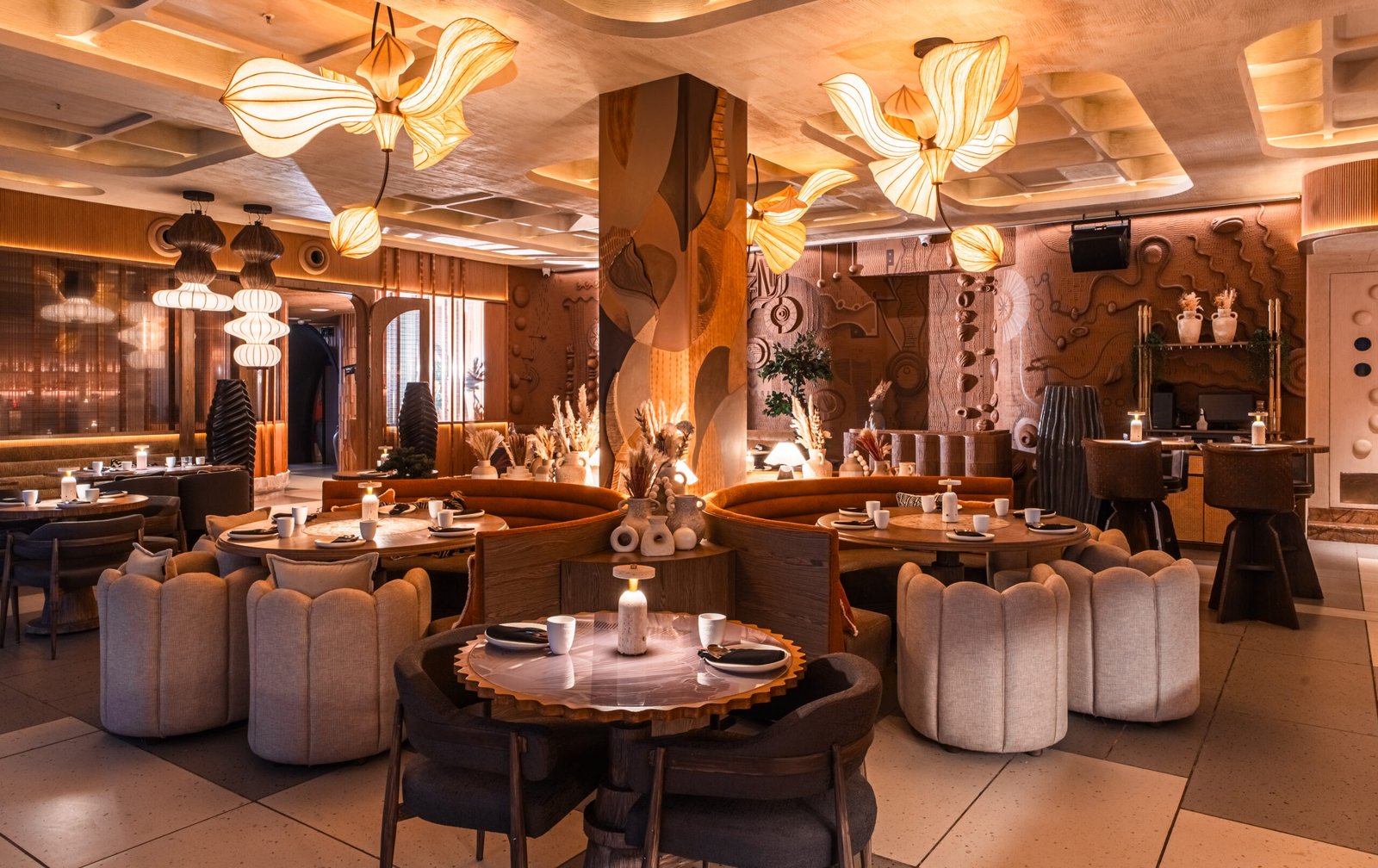
Siciliana gives us an opportunity to scale a contemporary, accessible-yet-aspirational Italian brand, while Walters and Sweet Bengal allow us to grow through more frequent and scalable formats. Gong is more experiential and will naturally be more selective.
Our philosophy is focus rather than proliferation. We don’t need more brands; we need to make the right brands much bigger.
Is the Indian diner becoming less interested in the traditional restaurant night out? What does the restaurant of the future look like?
I don’t think people are becoming less interested in dining out—they’re simply using restaurants differently. The same guest might order lunch, eat at a food court and then have an experiential dinner in the same week.
So the future isn’t one format. It will include destination restaurants, smaller footprints, cloud kitchens and high-frequency formats. Technology will increasingly power all of them, but technology shouldn’t make hospitality feel technological—it should make the human experience better.
Why is Mumbai such a critical market for Walters, and what has the brand cracked about the modern Indian QSR consumer?
Mumbai is the perfect market to prove Walters because it combines density and convenience with a consumer who is extremely aware of global food trends.
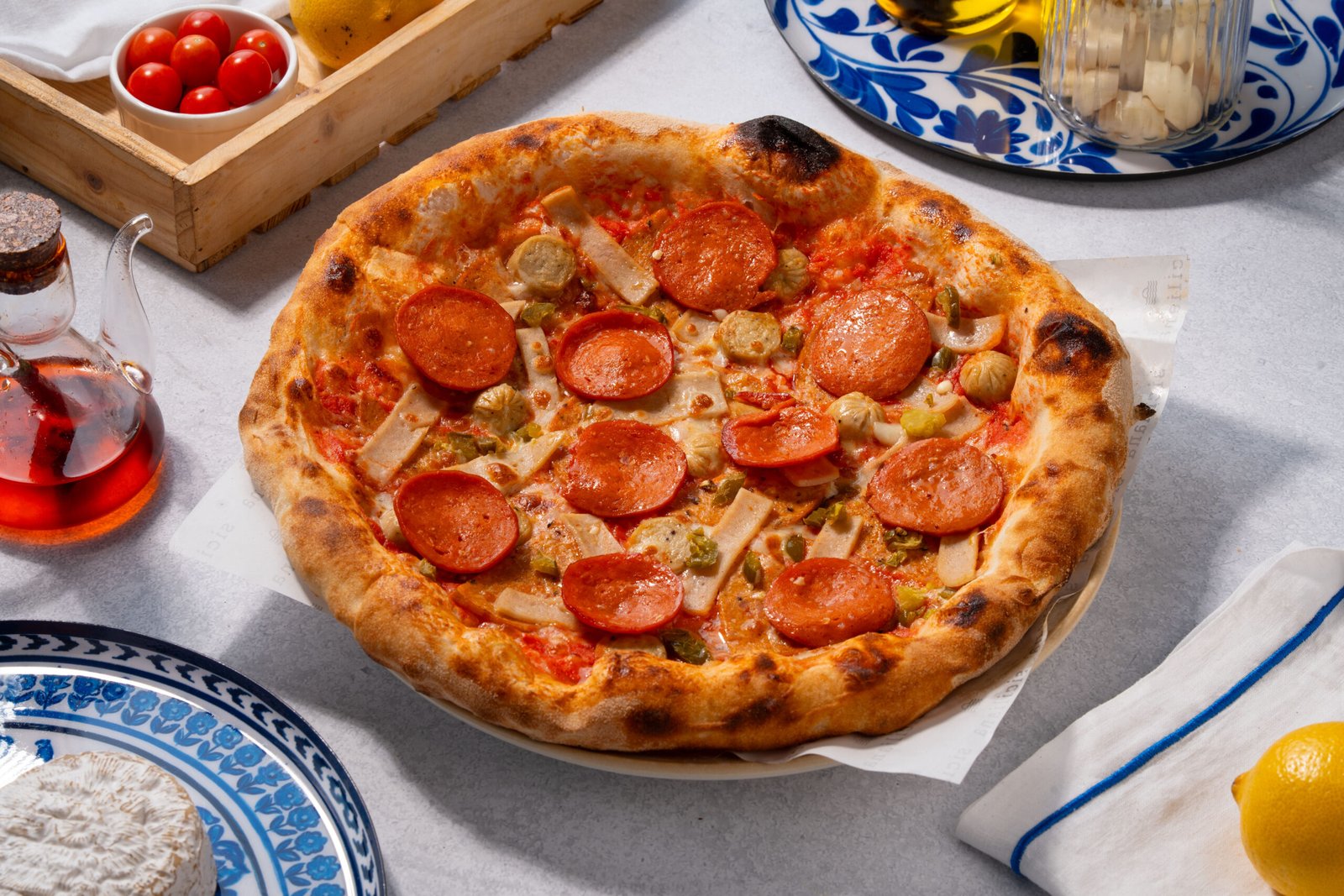
With Walters, we’re focused on craveability, convenience and a distinctive brand experience, including our idea of “mess-free deliciousness.” The 12–15 store expansion allows us to build strong clusters across Mumbai and prove the model before taking Walters much wider.
What does the restaurant industry still get wrong about the Indian diner? How can technology and data create a better experience?
I think the Indian consumer is far more sophisticated than we sometimes give them credit for. People don’t necessarily want enormous menus or endless choice anymore—they increasingly appreciate brands with clarity and a strong point of view.
Technology and data allow us to understand frequency, preferences, kitchen efficiency and consumer behaviour much better. But data tells you what happened; you still need human intuition to understand why.
Five years from now, what would make you feel your tenure as CEO has truly been successful?
The numbers obviously matter. I want Speciality Restaurants to be significantly larger, more profitable and operationally stronger.
But the bigger ambition is to create the next generation of loved restaurant brands. Mainland China and Oh! Calcutta became part of people’s lives. If brands like Asia Kitchen, Siciliana, Walters, Sweet Bengal and Gong can continue to build that kind of relevance and emotional connection while growing successfully, I would consider that meaningful success.
“Opening outlets is relatively easy. Building relevance is harder. Building love is hardest.” – Avik Chatterjee