

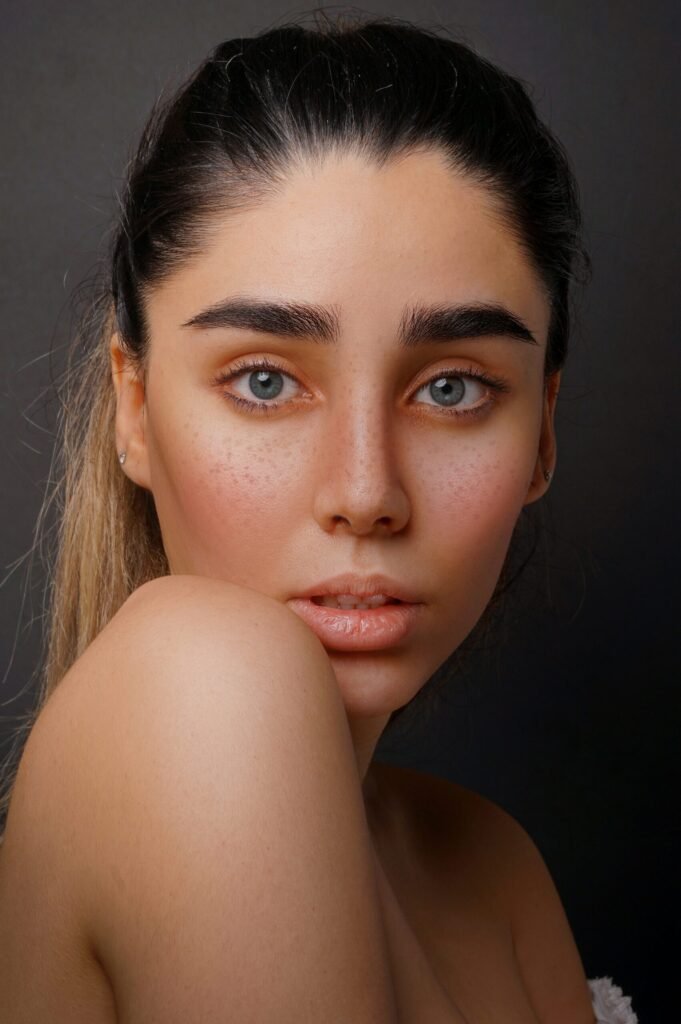
Skin Talk with Dr. Shefali Trasi Nerurkar, MBBS, MD (DERMATOLOGY), Consultant Dermatologist , Dr Trasi clinic and La Piel skin clinic Main Photo by Michael Dam on Unsplash
There was a time when skincare meant little more than a good cream and a facial now and then. Today, our skin has become something of a lifestyle report card — reflecting late nights, relentless stress, erratic routines, pollution, sun exposure, overenthusiastic skincare and, sometimes, simply the passage of time.
But how much can our skin really tell us about what is happening beneath the surface? And when should we stop reaching for another serum and start looking at the way we live?
Dr. Shefali Trasi Nerurkar, MBBS, MD (Dermatology), Consultant Dermatologist at Dr Trasi Clinic and La Piel Skin Clinic, believes the answers often lie in paying attention to what has changed. From stress-triggered breakouts and sleep-deprived dullness to a compromised skin barrier caused by too many actives, she brings a refreshingly practical perspective to the increasingly complicated world of skincare.
In an era of viral beauty hacks, 10-step routines and overnight miracle claims, her message is surprisingly simple: healthy skin isn’t necessarily about doing more — it is about understanding what your skin needs and giving your body the basics it deserves.
In this exclusive conversation with TheGlitz, Dr. Shefali decodes the subtle signals our skin may be sending us — and reveals why sometimes the most effective skincare prescription could be better sleep, less stress and a little more common sense.
Skin Talk With Dr. Shefali Trasi Nerurkar

They say the skin is a mirror of what is happening inside the body. What can our face actually reveal about our lifestyle—our sleep patterns, diet, stress levels, hydration, screen time and even our emotional wellbeing? Are there visible “skin clues” we often ignore? How do we tackle it?
Our skin can definitely give us clues about what is happening in our lives, although we should not assume that every skin problem has a lifestyle-related cause. Lack of sleep can make the face look tired and puffy, stress can trigger acne or sensitivity, and dehydration can make the skin appear dry and dull. I also see people whose skin changes quite noticeably during periods of emotional stress.
The important thing is to recognise a change from your usual skin. If you suddenly start breaking out, becoming unusually sensitive or looking persistently tired, instead of immediately buying another product, look at what has changed in your sleep, diet, stress levels and daily routine. Very often, that is where the answer begins.

We often treat breakouts, pigmentation, dullness or premature ageing as isolated skin problems. How frequently are these actually the skin’s way of telling us that something in our lifestyle needs to change?
Lifestyle can play a role, but it is important not to blame everything on it. Acne, pigmentation and ageing are influenced by genetics, hormones, environment and several other factors as well. Having said that, certain habits can definitely make these problems worse.
Poor sleep and stress may aggravate acne, excessive sun exposure accelerates pigmentation and ageing, and smoking has a very well-established effect on collagen. Even our skincare habits can become a problem when we constantly over-exfoliate or use too many actives. So before treating a skin concern as an isolated problem, I like to understand the person’s routine as a whole. Sometimes a small lifestyle correction can make the treatment work much better.
In an era of YouTube, Instagram, reels and nightlife, our skin is exposed to an unusual combination of harsh ring lights, prolonged screen time, heavy makeup, pollution, late nights and irregular sleep. What does this lifestyle do to the skin, and how can we protect it without becoming slaves to an elaborate skincare routine?
I think we have made skincare much more complicated than it needs to be. Ring lights and screens are not necessarily the biggest problems; what worries me more is the lifestyle that often accompanies excessive screen use—late nights, inadequate sleep, irregular meals and spending long hours indoors without a proper routine.
Pollution, makeup and sun exposure add to the overall stress on the skin. The basics still matter most: cleanse appropriately, moisturise according to your skin type and use a good broad-spectrum sunscreen every day. At night, remove your makeup properly and use only the active ingredients you actually need. You do not need ten products to have healthy skin.
Late-night living has almost become a lifestyle statement, particularly among younger people who are out clubbing, socialising or working until the early hours. What happens to the skin when we consistently sacrifice sleep—and can skincare really compensate for chronic sleep deprivation?
The skin needs adequate sleep just as much as the rest of the body does. During sleep, the body gets time for repair and recovery, and consistently cutting that short can affect hydration, inflammation and the overall appearance of the skin. You may notice more puffiness, dullness, fine lines or simply that your skin does not recover as quickly from breakouts and irritation.
A few late nights are not going to ruin your skin, but chronic sleep deprivation is a different story. Skincare can certainly help maintain and protect the skin, but it cannot completely undo the effects of consistently poor sleep. Sometimes the best anti-ageing advice is simply to sleep more.
Stress is often described as one of the biggest enemies of healthy skin. From stress-related acne and sensitivity to hair fall and premature ageing, how does the skin respond when we are constantly running on adrenaline? What are the signs that our skin is asking us to slow down?
Stress has a very real effect on the skin because the skin and nervous system are closely connected. When we are under prolonged stress, inflammatory and hormonal pathways can change, which may worsen acne, trigger sensitivity or eczema and even contribute to increased hair shedding.
What I often notice clinically is that people suddenly develop problems they did not usually have when they go through a particularly stressful period. If your skin becomes unusually reactive, you start breaking out repeatedly, develop unexplained itching or notice significant hair fall, especially along with poor sleep and fatigue, it is worth looking at your stress levels. Sometimes the skin is simply reflecting that the body has been under too much pressure.
We are living in an age of viral skincare hacks, YouTube dermatology advice and influencers recommending everything from skin cycling to multiple acids and actives. How can people distinguish between genuinely useful skincare advice and trends that may actually be damaging their skin barrier?
The easiest way is to remember that what works for one person may not work for you. Social media has made good skincare information more accessible, but it has also made people experiment with too many products at once. If a routine involves several acids, retinoids, scrubs and other strong actives, there is a real risk of irritating the skin rather than improving it. Burning, redness, excessive peeling, tightness and sudden sensitivity are signs that you may be overdoing it.
I would also be cautious about any trend promising overnight transformation. Skin takes time to respond, and a simple, consistent routine based on your skin type and concerns is usually far more useful than constantly changing products because something went viral.

If our skin could literally talk to us, what would it be saying? What are the five or six warning signs—whether it is persistent dryness, sudden breakouts, pigmentation, sensitivity, dullness or premature ageing—that should make us stop looking for another product and start looking at our lifestyle?
I would say, listen whenever your skin starts behaving differently from its usual self. Persistent dryness or tightness can mean that the skin barrier needs attention; sudden or recurrent breakouts may be linked to stress, hormones or changes in routine; increasing pigmentation should make us look carefully at our sun exposure and protection; and new burning, redness or sensitivity can be a sign that we are using too many products.
Similarly, if the skin consistently looks dull and tired or you are noticing changes in skin quality earlier than expected, take a step back and look at your sleep, stress, nutrition, sun exposure and overall habits. The answer is not always another serum. Sometimes the skin is telling us that it needs a change in the way we are living.