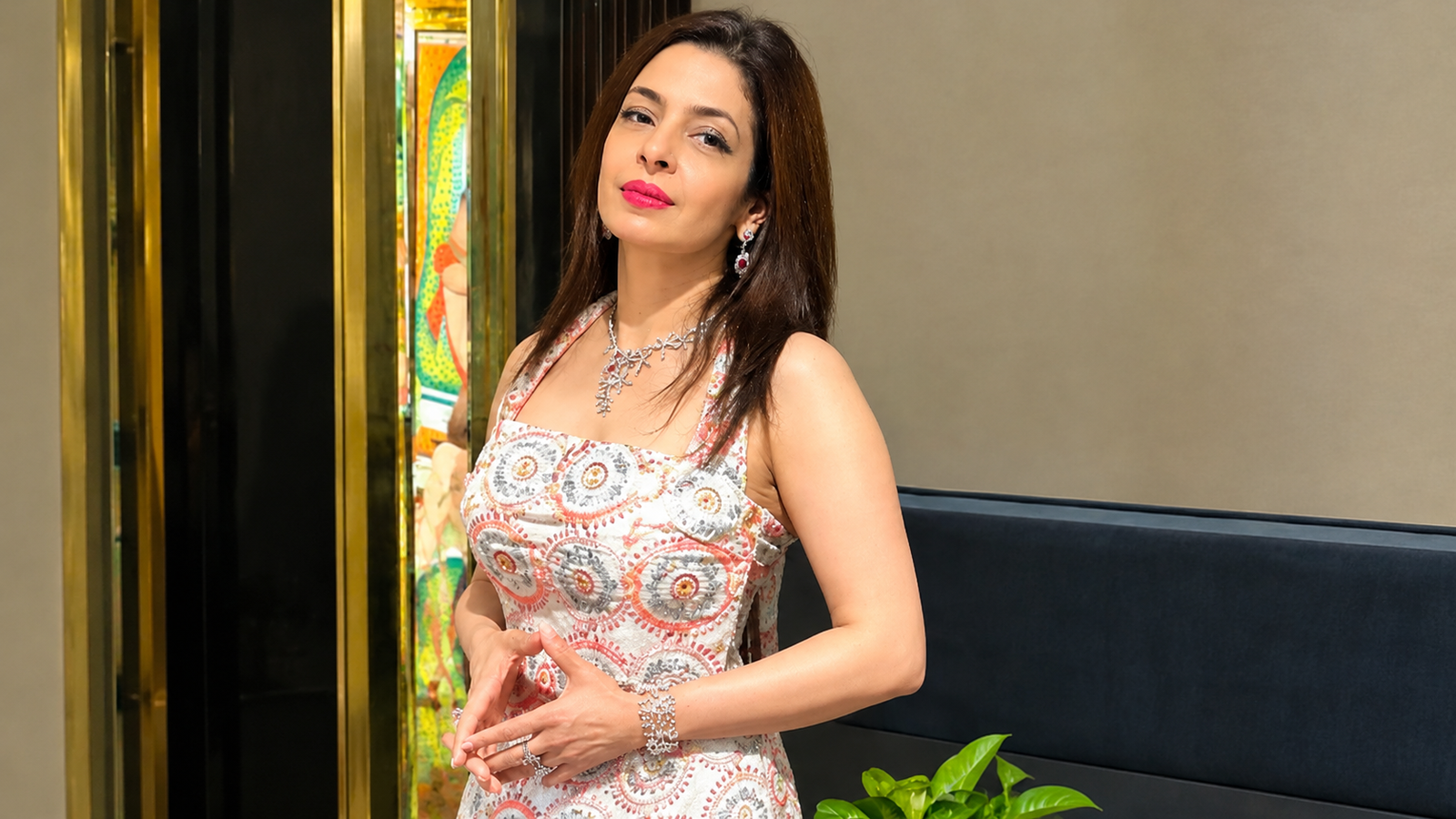
Nawaz Modi Singhania
Some people follow trends. Others have the courage to create them. And then there are trailblazers like Nawaz Modi Singhania, who saw possibilities where an entire industry saw limitations. At a time when fitness in India was largely synonymous with conventional gym workouts, she dared to imagine something far more expansive … a world where movement was intelligent, wellness was holistic, and fitness was not merely about sculpting a beautiful body but about transforming the way one lived.
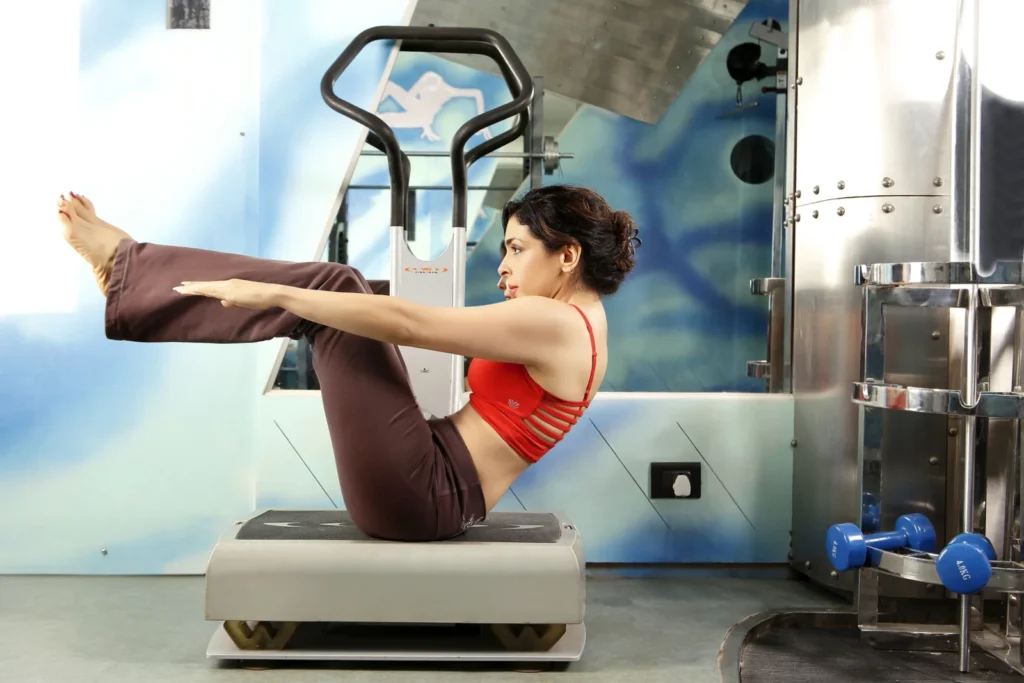
In 1992, with vision, conviction and an instinct for what the future could hold, Nawaz founded Body Art Fitness, introducing India to disciplines such as Pilates and Gyrotonic when they were still relatively unfamiliar concepts. It was more than a business venture; it was a movement built on the belief that every body is different, every journey is personal, and true fitness must go beyond aesthetics. She championed the philosophy of mindful movement, balance, strength and sustainability long before holistic wellness became an industry buzzword.
But Nawaz is far more than a fitness entrepreneur. A woman of many dimensions, she is a celebrity fitness expert, television judge, celebrity, author and artist, with a curious mind and an insatiable appetite for reinvention. Nawaz Modi Singhania is a brand.
Her journey spans the worlds of law, fitness, creativity, writing and exploration… each adding another layer to a personality that refuses to be confined to a single identity. Her approach to ageing is equally refreshing: she challenges the notion that youth is the ultimate benchmark of beauty, advocating instead for strength, vitality, self-respect and the courage to embrace every stage of life. For her, wellness is not a fleeting trend or a destination; it is a lifelong commitment to living fully.
With characteristic candour, infectious conviction and a refreshingly individualistic outlook, Nawaz speaks about breaking conventions, the power of personalised wellness, the importance of discipline, the future of preventive health and why age should never dictate one’s potential.
In an exclusive tête-à-tête with Sumita Chakraborty, Founder and Editor-in-Chief, TheGlitz, the indomitable Nawaz Modi Singhania opens up about her pioneering journey, her many creative pursuits and her enduring belief that the finest version of oneself is not defined by age, but by attitude, curiosity and the will to keep evolving.
Over To Nawaz Modi Singhania
THE PIONEER & VISIONARY WHO SAW BEYOND THE GYM
You founded Body Art Fitness in 1992, when India’s fitness landscape was still largely focused on conventional gym training. What did you recognise about the future of fitness that others hadn’t seen yet, and what did it take to educate an entirely new market about Pilates, Gyrotonic and holistic movement?
My answer goes back to 1991, when I was finishing college as an Arts student at St. Xavier’s College. I was at the crossroads of my life, wondering what to do next. The obvious choice for me was law because I hail from a family of lawyers. My father was a senior counsel, advocate and solicitor, and he very much wanted me to get into law. He thought I had a great mind, and that anything else I did with my life would be a waste. I didn’t want to disappoint him. So I studied law, but I had no intention of getting into it.
I did have the advantage of studying abroad. I also had the advantage of being a first mover in the industry. My father had the space. I wanted to do something creative, something different, something that wasn’t there. India is typically ten years behind the West, or at least it was in those days. And therefore, I saw a lot happening there that wasn’t happening here. I wanted to pioneer it all in Mumbai. And that’s what I did.
Of course, I did have the aches and pains, as you’ve surmised.
Educating a completely new market was a challenge, which is why, in my enthusiasm, I called it the Pilates Hub because I was sure that one day it would become that hub of business. Oh my God, it’s now fully bustling and alive at another level and has been for many years.
So, what it took was a lot of education. Our staff had to be educated, and they had to educate others in turn about the fact that Pilates was not like gym training or traditional aerobic training – it was an all-out effort. In fact, less was more. Pain meant you needed to stop; you wouldn’t see the results that you wanted.
The results were also startling. You became new, completely tiny, petite and torch-sized, especially as a female, which is very coveted, and very quickly so. Session after session, you could see the advantages.
I loved the whole process. I absolutely cherished it. So, Pilates was the bedrock of that. Then Gyrotonic was a take-off from that, and holistic movement just got integrated into the whole jargon of things.
FITNESS IS MUCH MORE THAN JUST A GREAT BODY
You have consistently advocated that fitness goes far beyond aesthetics to encompass physical, emotional, psychological and mental well-being. In an era of social media fitness trends and body image pressures, how do you distinguish genuine wellness from the pursuit of a picture-perfect physique?
As you move through life and come through different stages and challenges, your body changes. For instance, you get pregnant as a female, you go through delivery, and then through the postpartum phase. Your body becomes entirely different and not as easy to deal with as earlier, not as malleable and not as responsive in a good way.
You go forward into having a second baby, and all of that gets escalated. It’s so much more heightened. You go further, you come upon perimenopause and then menopause, and you realise, “Oh my God, I can’t take anything for granted anymore. I can’t take eating any junk and getting away with it. I can’t take my body for granted anymore. I have to be far more careful of what I put in. I really am what I eat.”
Your metabolic rate slows down, which means you easily gain weight as opposed to earlier. You’re not looking your best, and you’ve got to take a lot more care of yourself. Even just aesthetically, your skin, hair and nails, and everything internally too, start showing signs of ageing, with a little bit of aching and creaking – giving you signs and symptoms.
Your medical tests and reports are quite another subject altogether, where you might now suddenly have, you know, some sort of iron deficiency, some sort of calcium deficiency, low BP, high BP, thyroid issues, so on and so forth. And you realise that, “Oh my God, if I want to survive on this planet, I have to plough into it. Not just soul, but body, mind, everything has to plough into it.”
And when you don’t have the energy, when you have a body which doesn’t function at optimum levels, you cannot live at your optimum at all.
The body is the only reason that you, as a soul, are able to have a physical existence out here, and you learn to respect that. That body then becomes your temple. You learn to respect that and you learn to take very good care of yourself. Or you don’t, and you go another way with it. So there you are.
We’ve always propagated holistic wellness, which means inside out: mind, body, soul, psyche, everything. …Because I can’t separate one from the other.
You come to me for weight loss. I can’t just separate that physicality of you without taking everything else into consideration: your emotional needs, your psychological needs, makeup, what works, what doesn’t work for you, the way you feel about yourself, your actual health, your wellness, so on and so forth.
So, there you go. To me, it’s quite obvious.
PAUSE, REWIND. AGE BEAUTIFULLY.
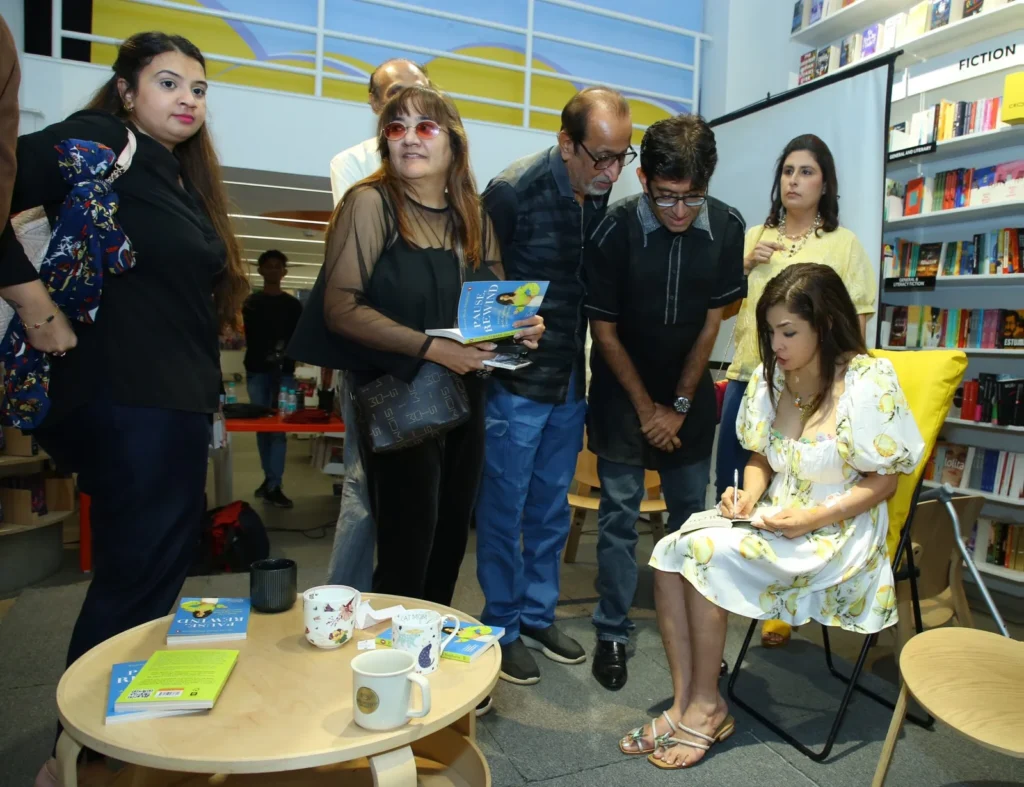
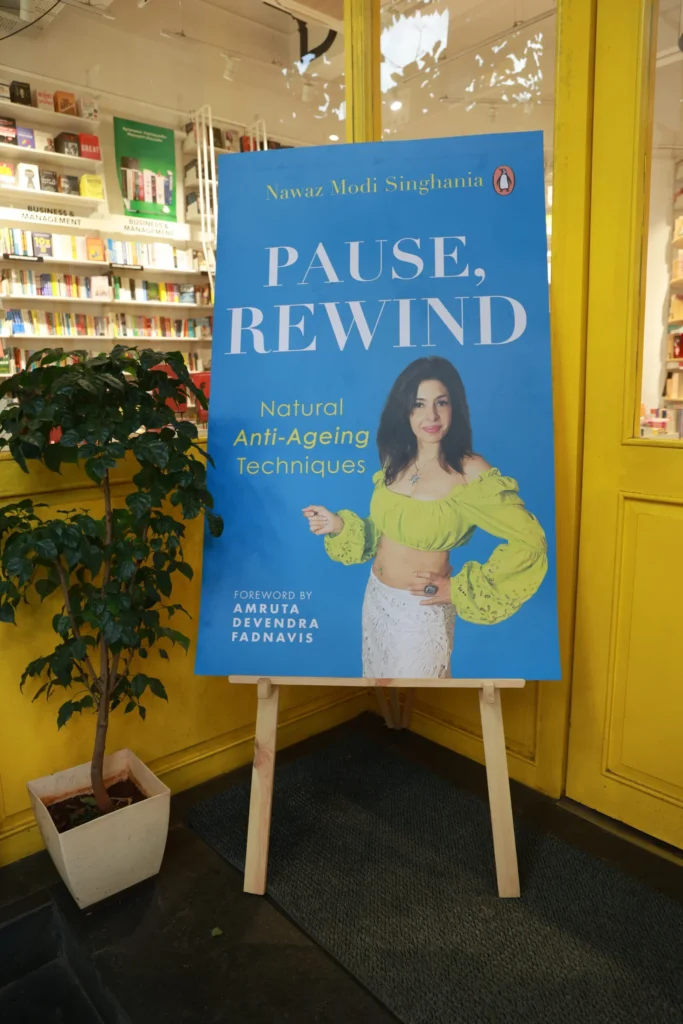
Your book, Pause, Rewind: Natural Anti-Aging Techniques, explores ageing through lifestyle, fitness and well-being. What are the most overlooked habits that can help us age well? And how can women redefine ageing without feeling pressured to look perpetually younger?
There are many little habits that can help us age well. For example, skirlling is a technique that stimulates the scalp to promote healthy hair growth. Eating well and eating healthily can help reverse greying. Certain exercises, which my book emphasises further, can improve hearing, eyesight, skin and hair growth.
Balance-based movements are important as we get older. Senior citizens need exercises that focus on the pelvic floor, Kegel exercises, and so on and so forth. Really, the book says it all, and many of these techniques are overlooked at different points in time.
It’s not just physical fitness, but also emotional fitness, mental fitness and psychological fitness. Because if something or the other is lacking, it affects the other aspects, has repercussions and negatively impacts them. Therefore, it’s so important.
Now, the day you were born, the day anything actually took birth… a tree, a plant, an insect, a fish… it definitely also implied the day that you were going to die. There will be a day when you’re going to die, but there are hopefully very, very many days in between. So, live well.
Even death is a part of life, and we’ve got to make sure that we live really well in the interim. Consider that even a newborn baby who was born yesterday is one day old today. It indicates that we are all getting older. That’s the way it was intended to be. Why do we use that to belittle ourselves? Isn’t that idiocy at its highest? Are we self-sabotaging? Really?
So, look your best at any and every age. Be your slimmest, be your fittest, be your leanest. Get up, get ready, put that makeup on, get your health in gear, focus on nutrition and be the best version of yourself.
I love what Dr. Seuss says. He’s my favourite author, by the way. It goes, let me see if I can remember it:
“Today you are you. That is truer than true. There is no one alive who is youer than you.”
Which really says it all. There is no other person who is you. Be the best version of yourself. You’re unique, just as God intended you to be. So enjoy!
THE ART OF PERSONALISED WELLNESS
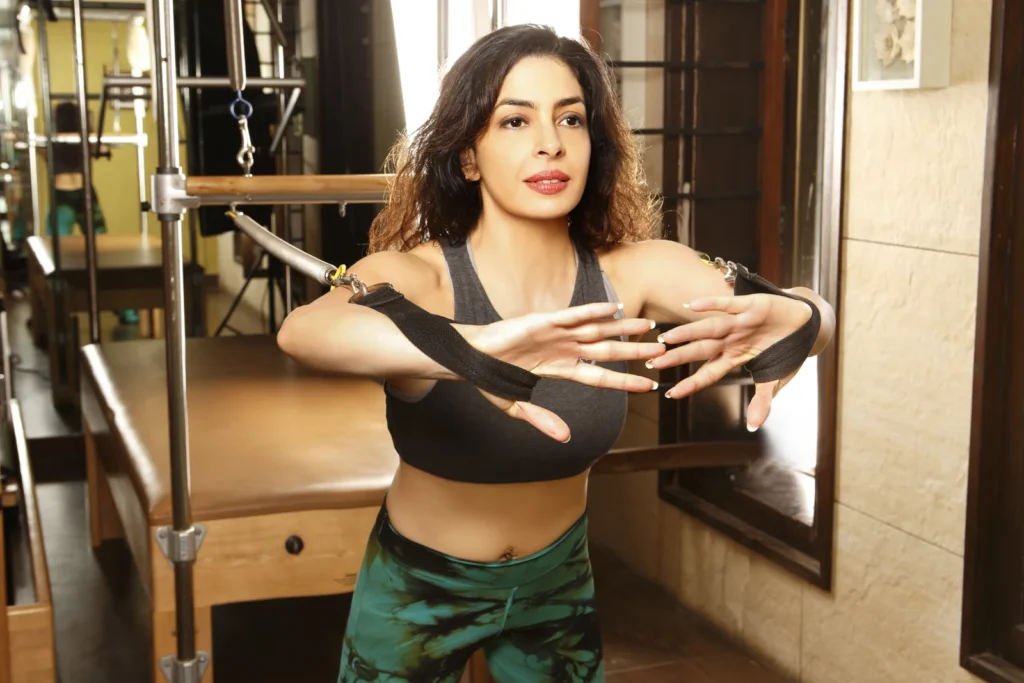
Body Art Fitness centres encompass multiple disciplines rather than a one-size-fits-all workout philosophy. How do you determine which combination of movement, strength training, flexibility, nutrition and recovery works for an individual? And what role does listening to one’s body play in creating a sustainable fitness routine?
When I first started in the very early 1990s, there was pretty much just gym training around the corner. That was it. It was a one-size-fits-all situation. It was as though, whatever your disease was, whether it was cancer, heart disease, liver failure or multiple sclerosis, you were given the same treatment. It was as bizarre as that.
There’s no one-size-fits-all medication. There’s no one-size-fits-all fitness programme. There is no one-size-fits-all approach to many things, or even most things. Certainly not something as complicated as this.
So, when determining what is good for each person, many things are taken into account. What are their goals, firstly? What is their age? What is their previous experience with exercise? Are they male or female? What do they enjoy in terms of physical movement? Or what do they hate in physical movement?
What are their time-related demands? Are they sedentary? Are they at home? Are they housewives? Are they working? Are they out in the field? What is their budget? What are they willing to do? What are they willing not to do?
So many things have to be taken into consideration. What stage of life are they at? Have they just delivered a baby? Are they, you know, empty nesters whose children have already flown the nest?
So many things have to be considered when deciding what is actually ideal for somebody: how many times they should work out, what they should do, how often, for how long, and what the specific activity should be.
And then, of course, there are other considerations. Should it be strength training? Should it be flexibility? Should it be cardio? What should it be? What about nutrition? What do they need? What do they not need? All that has to be worked out.
We are very interested in making sure that it is sustainable fitness. I always recommend that less is more. Do not overdo it for a variety of reasons. Not only would the body be unable to take it, leading to a breakdown or an injury, but it’s also not good for you. You wouldn’t be able to sustain it mentally either.
Emotionally and mentally, it’s better to take on less and feel like you’re on top of the wheel rather than take on a little bit more and feel very quickly as though you’re crushed under the wheel.
DISCIPLINE, REINVENTION AND THE LONG GAME
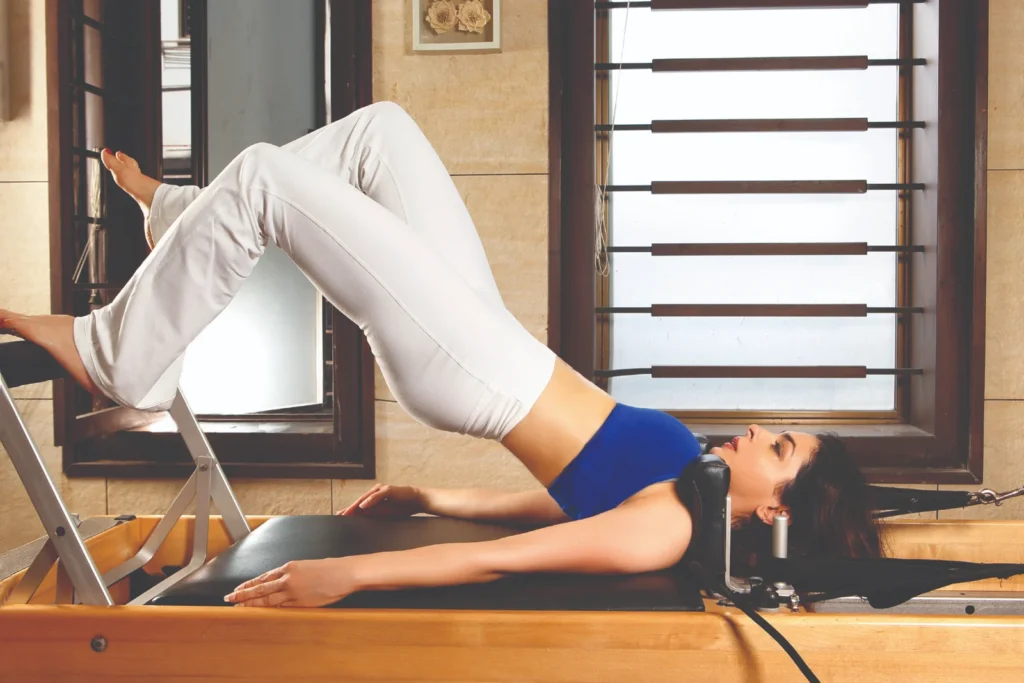
You have spoken about fitness as a lifelong practice, regularly incorporating different forms of movement into your own routine. How do you keep yourself motivated when discipline becomes repetitive? And what has your personal fitness journey taught you about resilience, reinvention and pushing beyond perceived limitations?
When I don’t work out, when I don’t have any physical movement in a day, I start to feel that my gut is sticking out. I feel lethargic, disgusted with myself and almost unwell. My health suffers. It just doesn’t feel good.
I also usually combine my workouts with something else. Especially if it’s very repetitive exercise, like being on a treadmill or swimming, I’ll combine it with listening to a podcast, watching a YouTube video or engaging in something I’ve been looking forward to.
So, it’s a two-in-one for me. I get both done, and then I feel awful if I don’t.
Of course, if it’s not repetitive training, such as when I’m teaching a class, I’m very engaged with all my students and working out simultaneously myself. So, I miss that interaction with people, the banter and that kind of group exchange of energy.
Besides everything else that I miss on the health and fitness front, when you have a personal setback, let’s say you have a physical injury or a back issue and can’t work out, there are many other things you can do.
You can swim, for instance. Your body becomes very buoyant in water. Ninety per cent of your body weight is supported by the water at that point.
For people who’ve had, let’s say, knee replacement surgery, hip replacement surgery or have spinal issues, water therapy is amazing. We also have a lot of aqua-aerobic classes. This is just one example. I mean, there are so many things, so many modifications and variations for so many people with different issues across different fitness disciplines.
Pushing beyond perceived limitations, if that means pushing beyond sensible limits and going beyond yourself, I have never recommended that. I have never recommended that, and I’ve already explained this in one of my earlier answers.
But going beyond perceived limitations in terms of thinking, “Oh, I can’t work out in this traditional fashion because of XYZ health issues or otherwise, or because of time constraints,” yes, there are many ways around that.
There are times when my days are so long, hectic and busy that I just can’t fit in a workout. Even at four or five in the morning, I will get down to doing perhaps three planks for three minutes, and that makes me feel 70 per cent better.
Something is better than nothing. That band-aid therapy is better than nothing at all on those desperate days.
BEYOND FITNESS – THE CREATIVE, CURIOUS WOMAN
Alongside your work as a fitness entrepreneur and wellness advocate, you have explored writing, painting, travel and other creative pursuits. How do these interests influence your approach to wellness, and why do you believe intellectual curiosity, creativity and time spent in nature are as important to a fulfilling life as physical fitness?
So, Sumita, not to sound arrogant or get ahead of myself in any way, but a long time ago, I realised I was not just fitness expert, I was not just a lawyer, and I was not just an artist. I was a brand, and I wanted to cultivate that.
Yes, I do have a very curious mind. Yes, I am very creative. Yes, I come from a legal background. And many things, including my lifestyle and my marriage, took me travelling, exploring the world and discovering a whole heap of different things.
They are, you know, my arms and legs and different parts of my body, all amalgamated to come together.
I do believe that it’s holistic wellness in every sense. It is a holistic experience, which means it is mind, body and soul.
Live your life to the fullest. That is my inherent belief, and that is what plays out in my life. I lead from the front, and you see me walking the talk.
THE FUTURE OF WELLNESS
What comes next? With wellness evolving into a more personalised, technology-driven and increasingly commercial industry, where do you see the next big shift in preventive health, longevity, rehabilitation or mind-body practices? And what is the one misconception about fitness and ageing that you would most like to change for the next generation of women?
While it certainly is very technology-driven and is a huge multi-billion-dollar industry, health, fitness and wellness will certainly continue to see a huge shift in technology, and that should happen.
What irks and bothers me is the number of so-called influencers who come out with great authority, conduct their own channels and have large followings. Who are they? Are they medical practitioners? Do they have degrees? Are they researchers with any sort of backing? Who are they? Are they just housewives sitting at home, experimenting with something? Are they kids bumbling into things? It’s scary.
So, the authenticity of people who take to these sorts of platforms is a major concern to me.
Preventive health, while very important and likely to become the foundation of a huge industry, will certainly grow. However, the curative healthcare industry, which is already worth billions, is not necessarily interested in preventive health unless it sees a benefit in it and joins hands with that sector. That could happen. Time will tell.
Everyone’s interested in longevity. Everyone wants to grow old, but nobody wants to die. Everyone wants to grow old, but nobody wants to look old. So, this is already decoded. These are the writings on the wall, and it’s a no-brainer.
I’m sure a lot will revolve around each of these areas. When it comes to rehabilitation, absolutely, certainly. Who, when injured, wouldn’t want to function at their optimum? It’s another huge area.
In this sort of pressured world, who doesn’t want to work on their mental health issues and get rid of them? So, you’re touching on a lot of sensitive nerves here, all of which are looking towards the future for huge advancements.
Who will get ahead with what? I think it’s going to be a close race.
As for the misconception about fitness and ageing that I’d like to change for the next generation of women, my God, when it comes to not only fitness and ageing but also biological age, it really depends on how you’ve lived your life.
Your age right now, and the way you perform and manage yourself physically and otherwise, depend on how you’ve lived your entire life. Have you maintained healthy practices throughout? Has your lifestyle been good throughout? What about your nutrition? What about your exercise? Were you a smoker? Were you a drinker?
So many things contribute to the final outcome.
I mean, you can have 60-year-olds who are far fitter than 20-year-olds. That depends on you. So, that is a huge misnomer, and I would really like to change that.
I hear people saying, “No, how can I ask a 60-year-old woman? Bother her. I’d rather ask this 20-year-old.”
And I’m like, “This 60-year-old is much fitter than the 20-year-old. The 20-year-old is falling apart!”
Poor nutrition, with a tendency to binge on burgers and pizzas, can leave someone with low BP, low iron, anaemia and a constant feeling of being down and out, so on and so forth.
TheGlitz Take: Fitness Was Her First Revolution. Reinvention Is Her Superpower.
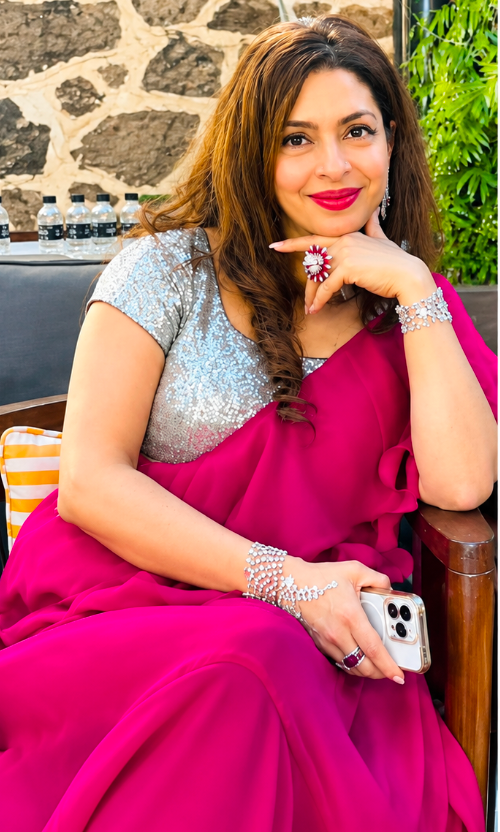
Long before wellness became a fashionable hashtag and Pilates turned into an Instagram obsession, Nawaz Modi Singhania was already rewriting India’s fitness playbook. She didn’t follow the rules; in fact, she practically threw the rulebook out of the gym window. From pioneering Pilates and Gyrotonic in India to championing holistic movement, personalised fitness and mindful ageing, Nawaz has consistently stayed several steps ahead of the curve.
But here’s the real kicker: she refuses to be boxed into one identity. Fitness entrepreneur, celebrity expert, television judge, author, artist and an unapologetic believer in living life on her own terms, she is proof that reinvention isn’t a midlife crisis… it’s a power move. Her philosophy is refreshingly fierce: age is no excuse, aesthetics aren’t everything, and wellness is about owning your body, mind and choices.
TheGlitz verdict? Nawaz doesn’t just keep up with the times; she makes the times catch up with her.