
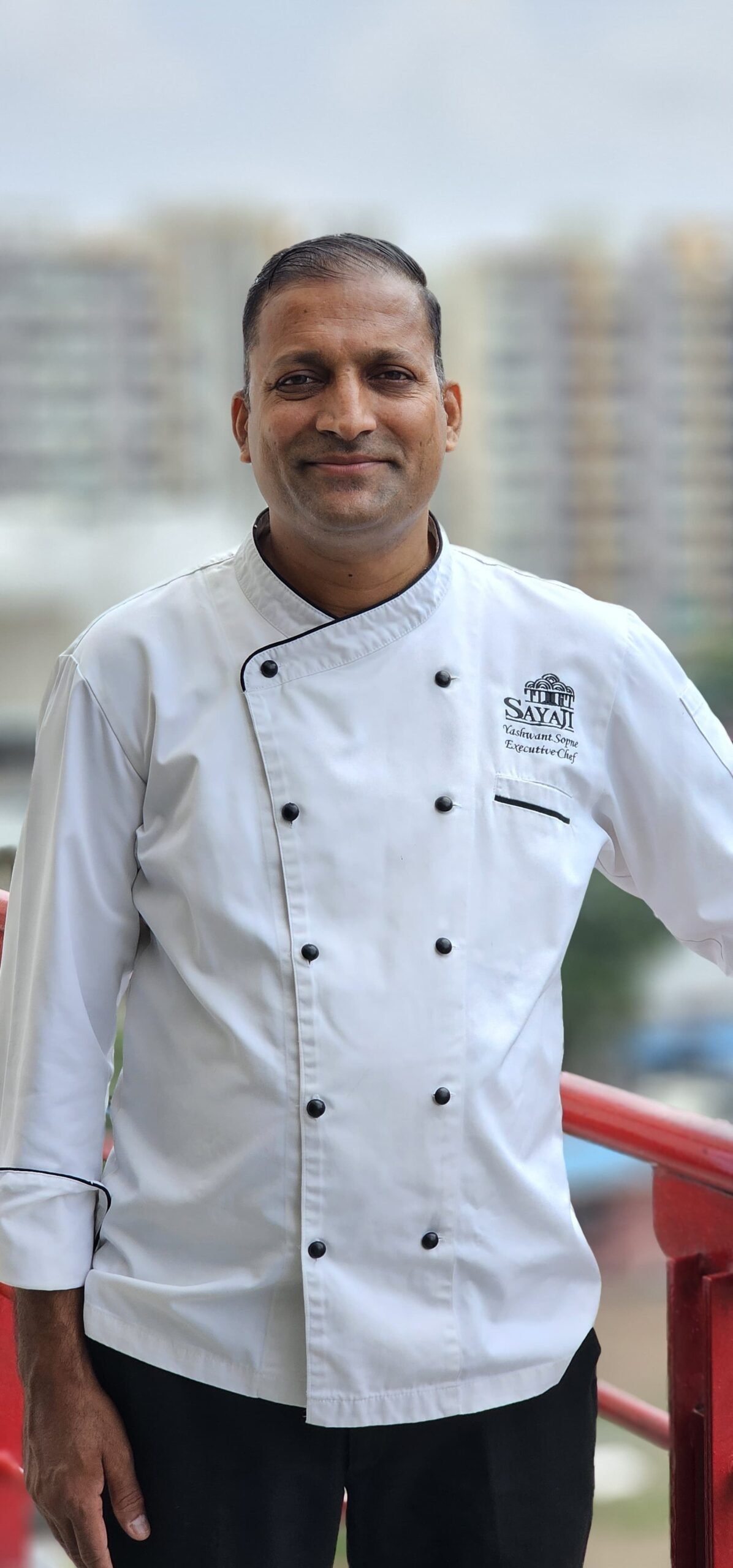
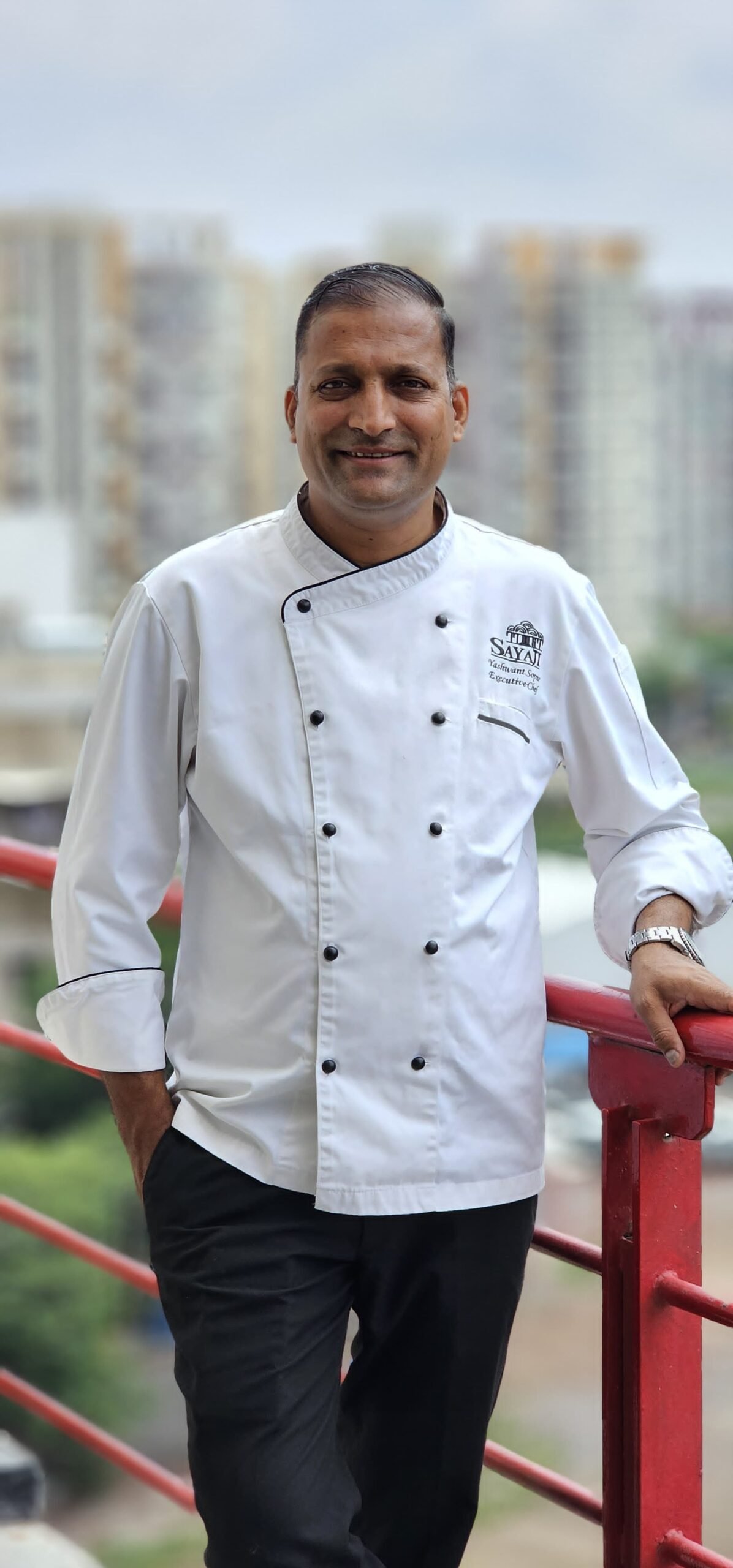
Executive Chef Yashwant Sopne of Sayaji Hotels, Pune
Step into a world where sizzling woks meet the soulful aromas of Bengali kitchens… Hakka to Kolkata Food Festival – a flavorful gastronomic journey that celebrates two cultures on one plate. Conceptualized and brought to life by Executive Chef Yashwant Sopne of Sayaji Hotels, Pune, this culinary fest is a tribute to Kolkata’s vibrant love affair with Chinese cuisine, spiced with a distinctly Bengali twist.
Executive Chef Sopne’s inspiration stems from the bustling streets of Kolkata, where the Hakka Chinese community has long influenced the city’s foodscape. Blending the bold, umami-packed flavors of Indo-Chinese fare with the nostalgic comfort of regional Bengali delicacies, Executive Chef Sopne has curated a menu that’s innovative yet rooted in tradition.
Whether it’s the iconic Kolkata-style chili chicken, fiery Schezwan fish fry, or a reimagined jhal muri laced with Chinese chili-garlic flair, every dish tells a story of fusion done right. And just when you think the surprises end, desserts like gulkand spring rolls and almond cookies bring a sweet Indo-Chinese-Bengali finale you won’t forget.
With a keen eye for balance, authenticity, and a sprinkle of street-style drama, Hakka to Kolkata Food Festival is Executive Chef Yashwant Sopne’s passionate ode to cultures that stir-fry together beautifully… and TheGlitz is here to take you straight to the heart of the buffet in an exclusive interview with Executive Chef Yashwant Sopne.
Over To Executive Chef Yashwant Sopne
“Hakka to Kolkata” is such an evocative name. What inspired this unique fusion of Indo-Chinese street food with Kolkata’s regional favourites?
The name “Hakka to Kolkata” captures the essence of Kolkata’s love for Chinese cuisine, particularly the Hakka Chinese community’s influence on the city’s street food scene. I wanted to celebrate this unique fusion by blending Indo-Chinese street food with Kolkata’s regional favorites.
How did you go about curating the menu for this festival? Was there a particular dish that set the tone for the entire concept?
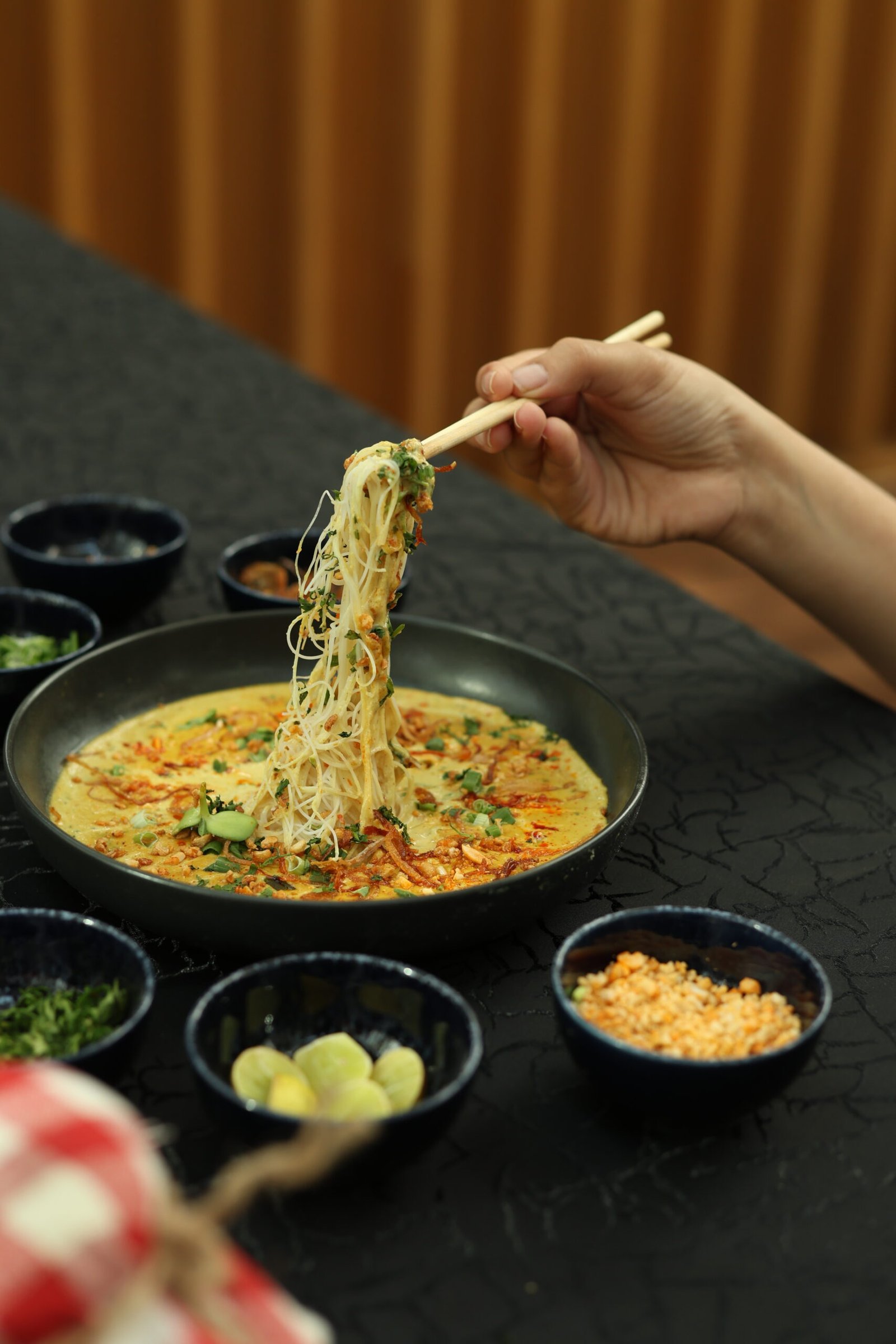
When we were curating the menu, I looked for dishes that would seamlessly blend the bold flavors of Indo-Chinese cuisine with the comforting, traditional flavors of Bengali cuisine. The dish that set the tone for the entire concept was the “Kolkata-style Hakka noodles,” which combined the classic flavors of soy sauce, vinegar, and chili peppers with Bengali spices and ingredients
Kolkata has such a deep-rooted love for both Chinese cuisine and traditional Bengali flavours. How did you ensure that the essence of both was preserved in each dish?
To preserve the essence of both cuisines, I focused on using traditional Bengali ingredients like mustard oil, panch phoron, and fresh herbs, alongside Chinese staples like soy sauce, ginger, and garlic. By balancing these flavors, we created dishes that felt authentic to both culinary traditions
The menu features both bold wok-tossed stir-fries and comforting Bengali classics. Which dish do you feel perfectly represents the blend of these two culinary worlds?
The dish that perfectly represents the blend of these two culinary worlds is the “Schezwan fish fry.” This dish combines the bold, spicy flavors of Schezwan sauce with the delicate flavors of Bengali-style fish fry, creating a truly unique and delicious experience.
Street food is all about flair, speed, and spice. How did you translate that energy into a buffet setting while still maintaining authenticity?
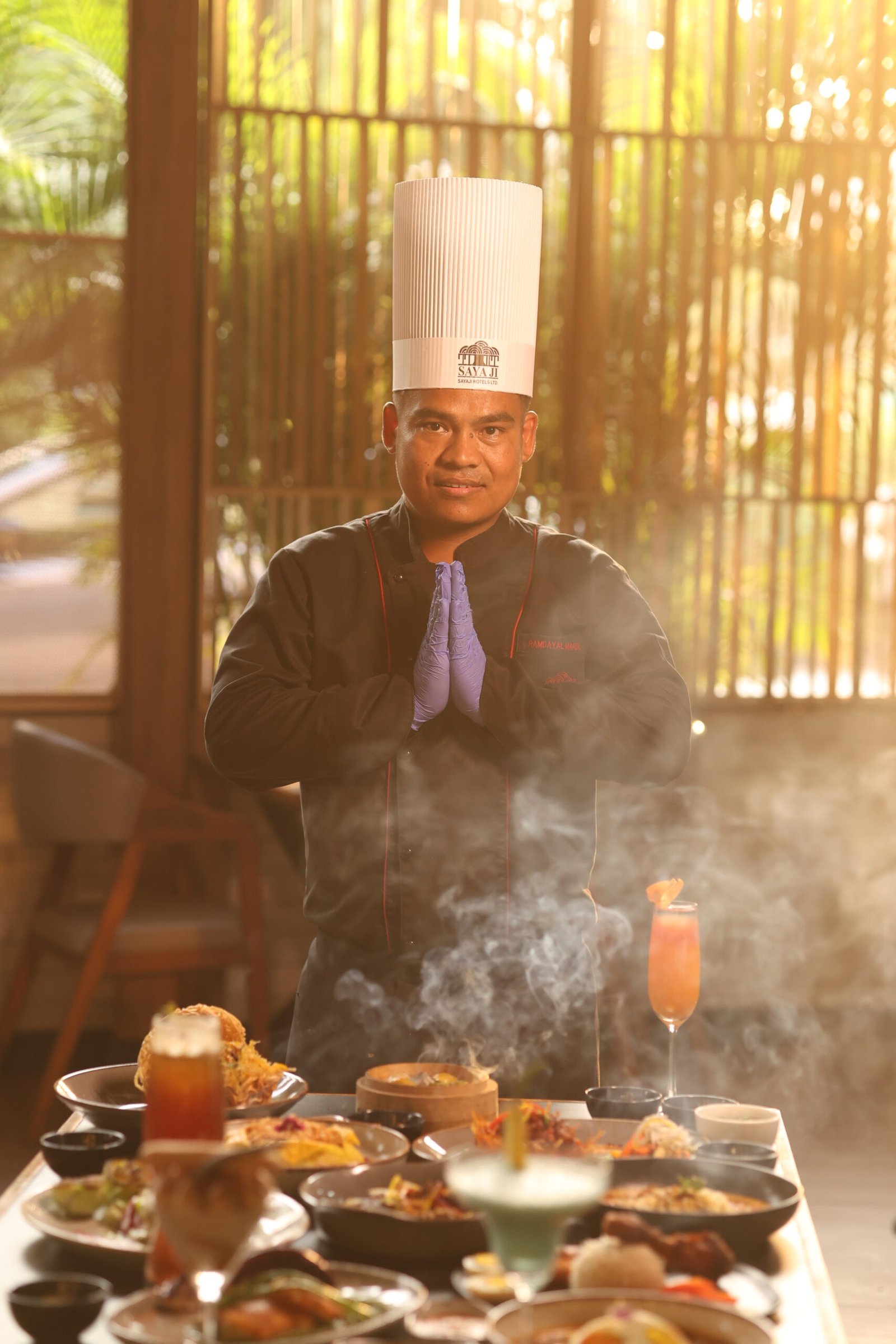
To translate the energy of street food into a buffet setting, we focused on presentation, aroma, and variety. We used vibrant colors, garnishes, and artistic plating to create an immersive experience. We also ensured that each dish was made fresh in small batches to maintain authenticity and flavor
Were there any unexpected flavour pairings or experiments that turned out to be a surprising hit with diners?
One unexpected flavor pairing that turned out to be a hit was the combination of Bengali style jhal muri with Chinese chili peppers and garlic. This fusion added a delightful crunch and spice to the classic snack
Sweet endings like gulkand spring rolls and almond cookies sound intriguing! How did you reimagine traditional desserts to fit the Indo-Chinese-Bengali theme?
For desserts, we drew inspiration from traditional Bengali sweets like mishti doi and sandesh, and incorporated Chinese ingredients like almonds, sesame seeds, and ginger. The gulkand spring rolls and almond cookies were huge hits, offering a unique twist on classic desserts.
If a guest could only try one dish to truly experience the heart of “Hakka to Kolkata,” which one would you recommend—and why?
If a guest could only try one dish, I would recommend the “Kolkata-style chili chicken.” This dish perfectly captures the essence of Indo-Chinese fusion, with the bold flavors of chili peppers, garlic, and ginger balanced by the subtle sweetness of Bengali spices. It’s a true representation of the “Hakka to Kolkata” concept.