PARO: Jaipur’s Modern Indian Bar
Jaipur doesn’t really need another reason to feel proud of itself. The palaces do that job well enough. But when PARO, a modern Indian bar, opened recently, something quietly clicked into place. Here was a city famous for holding onto tradition now making room for something younger, looser, and more immediate.

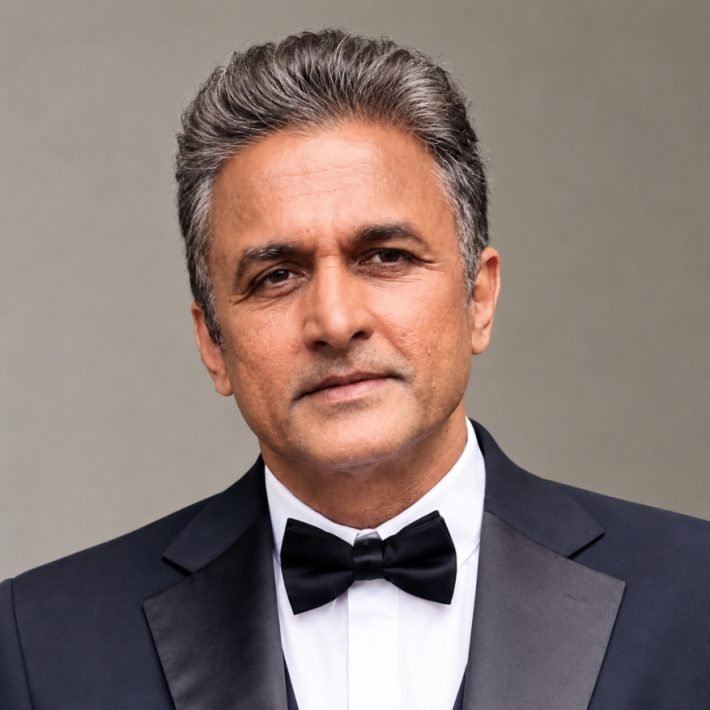
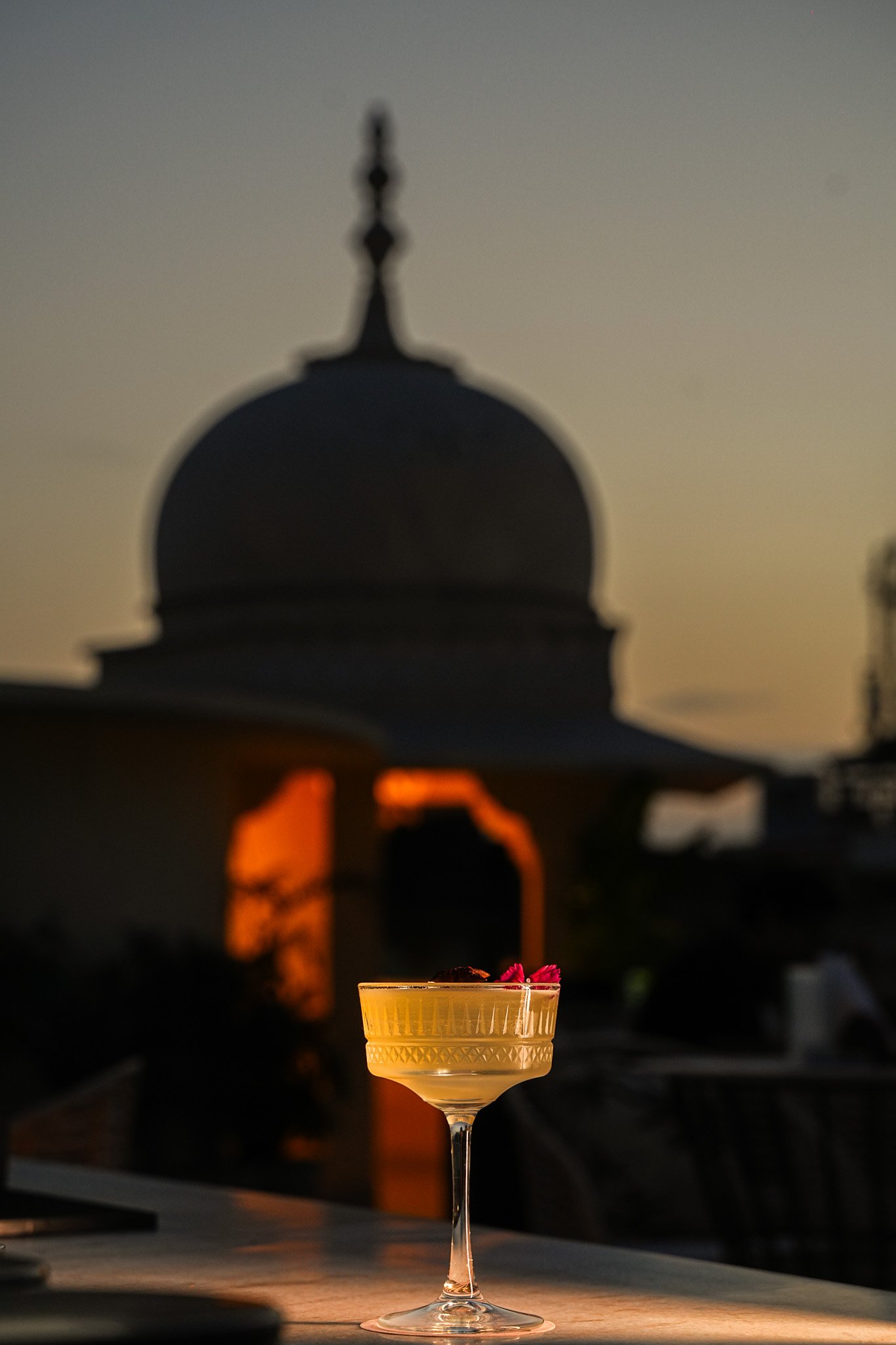
Ronak Maheshwari, who started Paro, wasn’t trying to shake things up or make noise. He just wanted a bar that felt like you could actually stay awhile. The bar boasts a rooftop where the old city sprawls out below you, offers cocktails that aren’t just for show, and creates a vibe that doesn’t require you to perform. Rajeev Mokashi caught up with Ronak to talk about how Paro became what Jaipur’s modern Indian bar scene was quietly waiting for.

You didn’t start with a concept. You started with a building. Tell us about that.
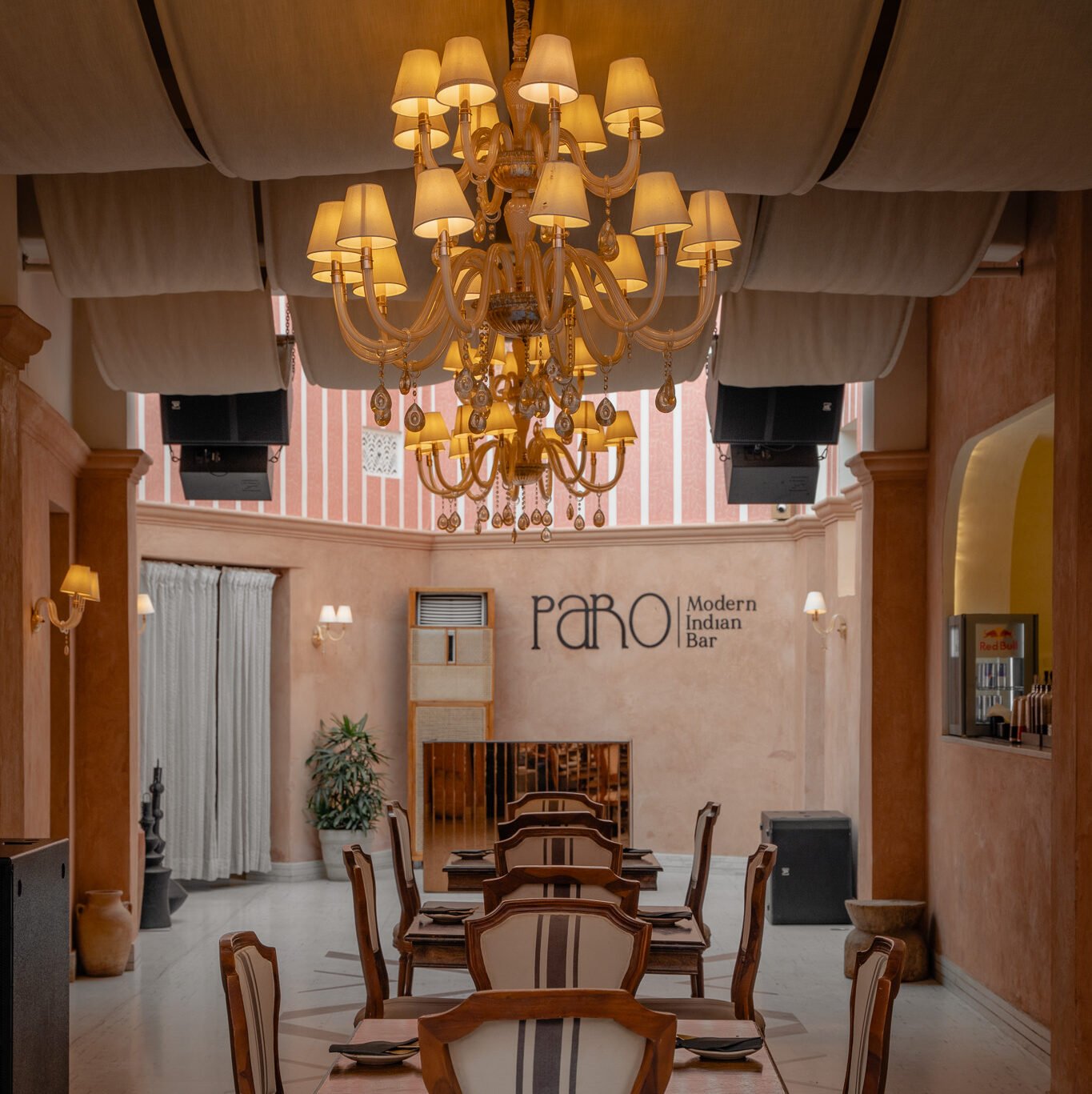
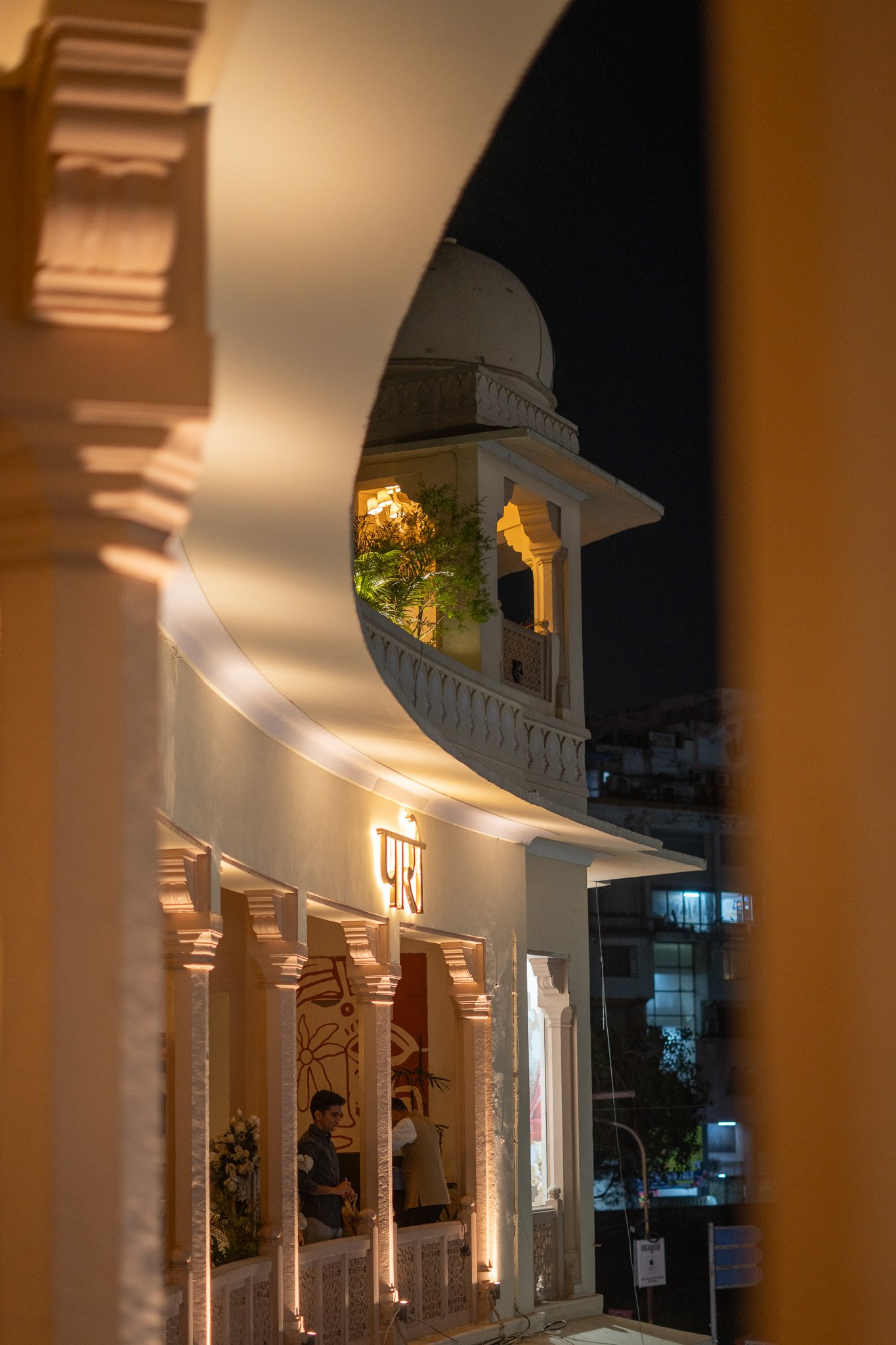
Paro didn’t begin on paper. It began the moment we saw the space. The building is pre-independence, right in the heart of Panch Batti, one of Jaipur’s most iconic neighbourhoods. It sits in a UNESCO World Heritage area, and you could feel the history in its bones.
We reverse-engineered the entire concept around it. The space had so much soul, so much legacy, that we felt a responsibility to create something equally timeless. The idea was simple: let history meet modernity. Let Jaipur’s past flow naturally into its present.
Indian bars were pouring the same stuff everyone else was. What made you think there was room for something different?
There was a clear gap, especially in Jaipur. Most bars were serving straight pours or classic Western cocktails. Nothing wrong with that, but it felt like India itself was being left out of the conversation.
We wanted to change that. At Paro, every syrup, mixer, and infusion is made in-house using Indian ingredients and techniques. It’s about building something truly indigenous. Flavors and craftsmanship that reflect our culture, presented with a modern touch.

We wanted Paro to feel unreplicable. A bar that could only exist here, with its own character and soul.
Why “Paro”?
We wanted something simple, memorable, and warm. A name that didn’t need explaining but still carried emotion. Nothing too quirky. That’s not Paro’s tone. It needed to feel timeless and elegant.
We explored words rooted in our culture but universally understood. Verandah, things like that. When Paro came up, it just clicked. Short, easy to say, unmistakably Indian. It feels like someone you already know. Familiar, graceful, no introduction needed.
The name mirrors the space: rooted in Indian culture, served with quiet modern confidence.

What’s been the hardest part of building a bar around indigenous ingredients?
Consistency. Since we source regionally and locally, often from small producers and rural communities, availability is seasonal. Some ingredients we have to preserve for months, which changes their flavor and texture compared to fresh.
It’s challenging, but it keeps the process honest. Every cocktail carries a story of where it came from.
The other challenge was the space itself. It’s massive, and filling it with the right energy every day took work. And convincing people. They’d come in expecting pizzas and pastas, the usual drinking food. Getting them to experiment with Indian food alongside cocktails took time. But once they tried it, they never looked back.
How did you make the space feel Indian without it feeling traditional?
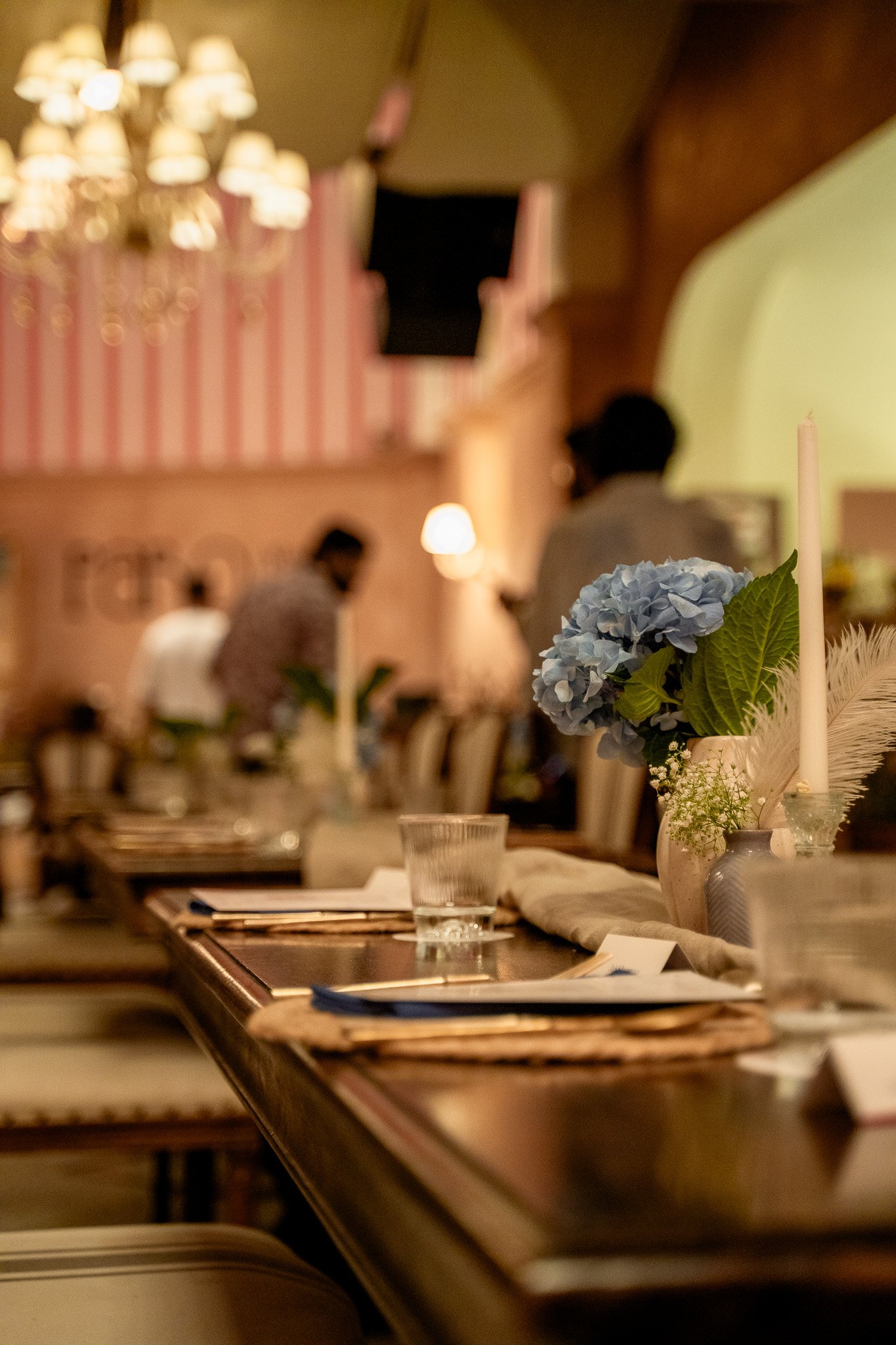
Balance. The materials and techniques are deeply Indian. Terracotta tones, lime-plastered walls, marble, traditional craftsmanship. But the look is modern: minimalist, tone-on-tone, clean lines. Familiar, but fresh. Soul of India, language of today.
Music follows the same idea. The rooftop features global sounds and world music. The first floor celebrates regional and folk artists. Rooted in India, connected to the world.
Your menu reads like folklore. How much does storytelling matter here?
It’s everything. India has always been a land of stories, and Paro is built on the idea of modern India. So naturally, every dish and drink tells one.
It could be about an ingredient, a forgotten recipe, a region. Some take you to the coast, others to the mountains or a spice market. It’s not just about taste. It’s about evoking a memory, a feeling.
Every plate and pour is a small journey through India.

Where does Paro go from here as Indian cocktail culture grows up?
Deeper, not broader. We won’t change how we serve cocktails. We’ll keep exploring what India has to offer. Forgotten ingredients, regional techniques, flavors that are still untouched.
Our evolution will come from discovering rare, hyper-local elements found in small villages and passed down through generations, then bringing them to the bar in a modern way. The philosophy stays the same: celebrating Indian ingredients, Indian craftsmanship, Indian identity.
For more stories like this, stay tuned to TheGlitz