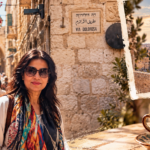
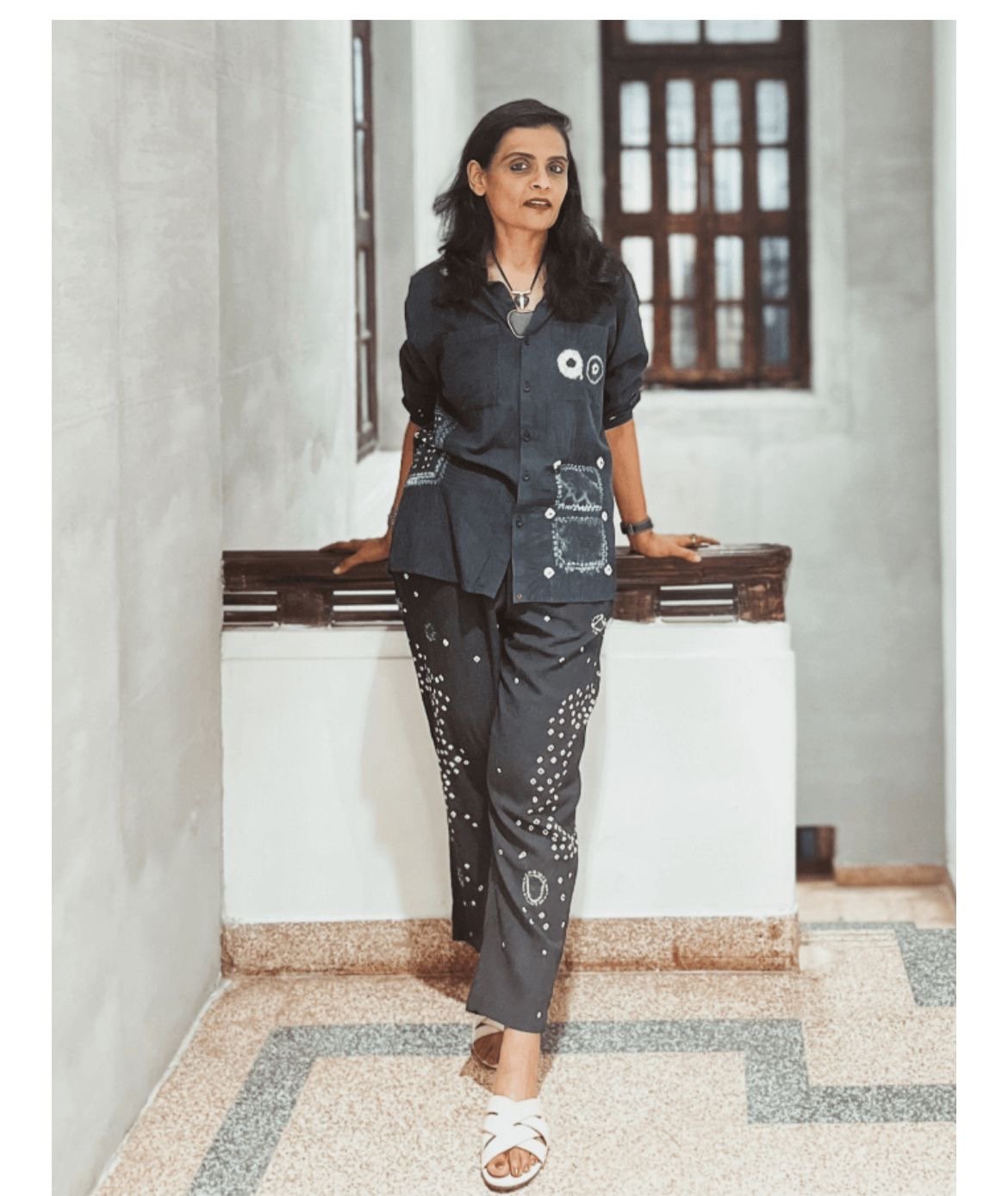
Lata Madhu, Collage
In a city known for tradition and restraint, Lata Madhu has carved out a fashion story that is anything but conventional. As the founder of Collage, Chennai’s pioneering multi-designer concept store, and the local partner of Raw Mango in the city, Latha has spent over two decades shaping a more nuanced, thoughtful narrative around Indian luxury, one rooted in craft, curation, and cultural integrity.
She was the one who introduced Chennai to designers long before they became staples elsewhere, championed emerging talent when most played safe, and built a space that feels more like a gallery than a retail store. With her razor-sharp eye, minimalist sensibility, and intuitive understanding of her clientele, she’s transformed Collage into a benchmark for design-led retail in the South, elegant, intentional, and enduring.
In this exclusive interview, Lata Madhu talks to Sumita Chakraborty, Editor-in-Chief, TheGlitz, about accidental beginnings, Collage, evolving definitions of Indian luxury, and why staying off the beaten track has always been her most powerful choice.
Over To Lata Madhu, Founder, Collage
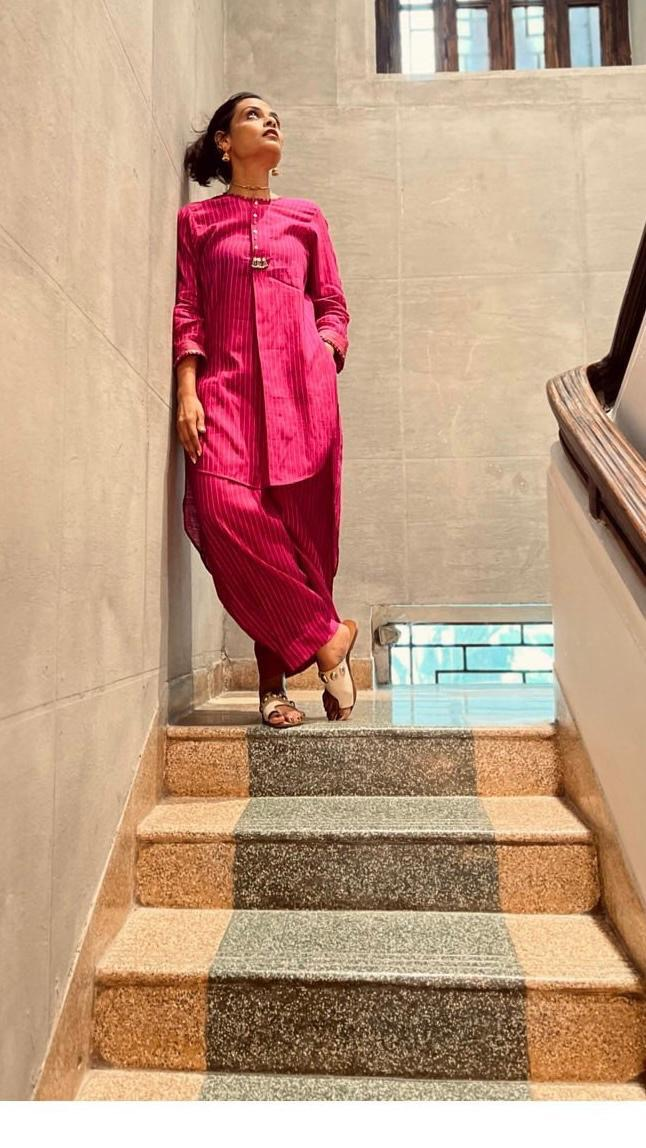
You’ve been a quiet yet powerful force in shaping Chennai’s fashion narrative. When you look back, what inspired you to launch Collage, and what did you feel the city was missing at the time?
Lata Madhu: To be frank, everything has been accidental and incidental. Things unfolded organically due to my love for clothing. Back then our city didn’t offer the scale or space we needed, so I decided to create our own – a 4,400 sq. ft space where I could fully bring my vision to life.
Collage has always stood apart for its emphasis on craft, curation, and quiet luxury. How do you personally define “modern Indian luxury,” and how has that definition evolved since you started?
Lata Madhu: I don’t think we were quiet or craft-focused when we began. When Collage first started, we had Sabyasachi with us, and both of us had a very different perspective back then. We also housed designers like Meera & Muzaffar Ali and Raghavendra Rathore—names that brought a certain presence and weight.
But over time, I’ve come to realize that big names don’t always equate to an emphasis on craft. Our approach has evolved—we’ve moved toward a ‘less is more’ philosophy. Saying no, being intentional, and choosing with care have become our way forward.
Your curatorial eye has introduced Chennai to designers and aesthetics long before they became mainstream. What does your buying process look like… what draws you to a designer or collection?
Lata Madhu: Staying off the beaten track has always served us well—especially in the early stages. It’s really exciting to see designers move beyond typical wedding wear to explore something more original and more personal.
Chennai is often perceived as a traditional market. In your experience, what do Chennai women really want from their wardrobes today, and how have you seen that desire shift over the years?
Lata Madhu: Collage was never meant to cater to everyone in Chennai—and it still doesn’t. From the start, our clients have remained deeply rooted and I don’t see a big shift in that. What makes it challenging is to have a selection conducive to their lifestyle.
You co-own the Raw Mango store in Chennai — another benchmark in design-led retail. How do you balance multiple brand identities while staying true to your own aesthetic philosophy.
Lata Madhu: I’m the local partner for Raw Mango in Chennai. And to be honest, I don’t try to balance it—it’s been chaotic, challenging, and incredibly time-consuming. But that’s the nature of building something meaningful.
Running a fashion studio with such a discerning clientele must come with its challenges. What have been some of the most defining or difficult moments in your journey as a founder and tastemaker?
Latha Madhu: Coming to work every day means constantly navigating expectations—what’s new, what’s trending, what people want next. But Collage has never been about chasing trends. It’s about offering clothing that’s beautiful, timeless, and meant to stay with you for life.
There’s a quiet elegance to both your personal style and the way Collage is presented. How much of yourself do you see reflected in the space and how intentional is that?
Lata Madhu: I’m very intentional, obsessive, and admittedly quite controlling. But I’ve never been clearer about what I want to align with—and what I don’t. The things I like seem limited, but without a doubt, the OCD in me has played a part in helping me come this far.
Looking ahead, what excites you about the future of Indian fashion and what role do you hope Collage continues to play in that evolving story, especially in the South?
Lata Madhu: There is a lot of talent emerging, and it’s encouraging to see genuine takers for what we believe is good design. While corporate influences and Instagram culture have driven mass appeal, unfortunately, the fear of missing out has significantly impacted people’s true preferences. I hope Collage continues to play a meaningful role in the evolving fashion landscape of the South.