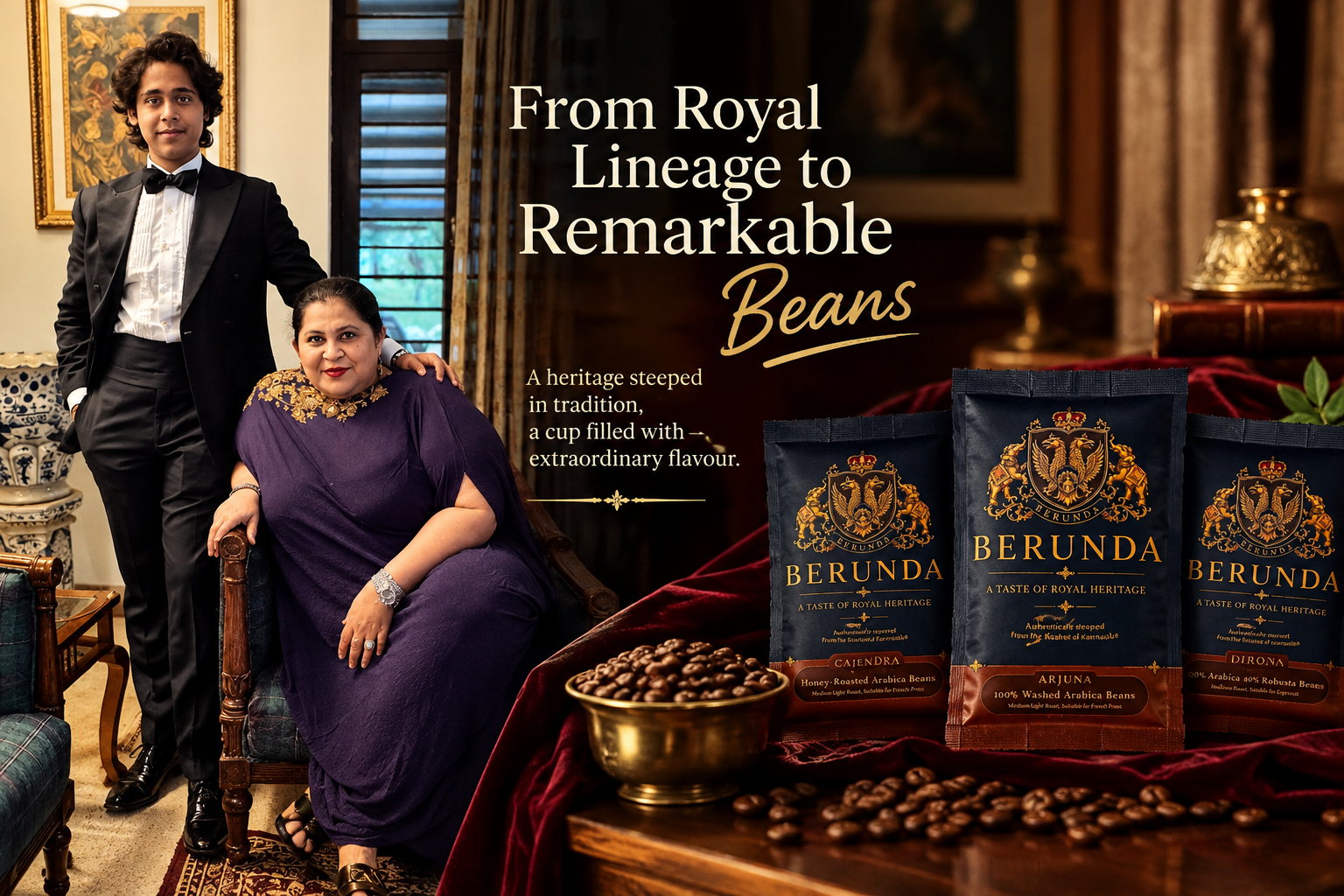
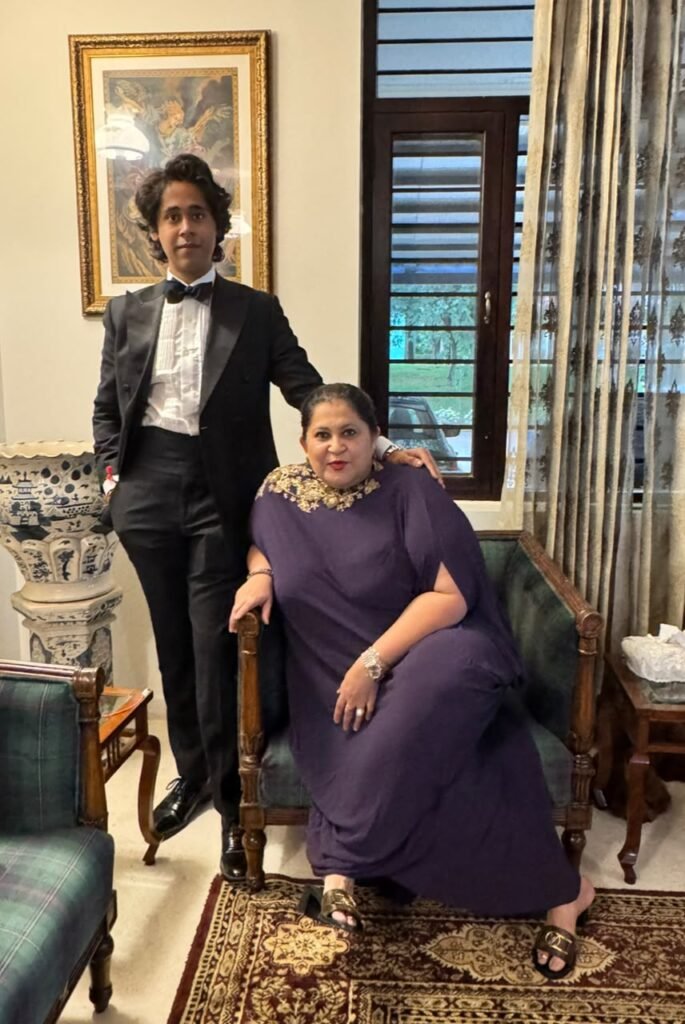
Rajkumari Jayapalashri Anil and Rajkumar Dhushyant Anil, Founder of The House of Berunda
There are some legacies that are inherited. And then there are those that are lived. For Rajkumari Jayapalashriji, heritage was never simply a surname, a palace or a collection of heirlooms. As a member of the storied Wadiyar family of Mysore, she grew up immersed in a world where history was a living presence… in rituals and festivals, in the quiet codes of hospitality, in art and craftsmanship, in respect for tradition and in the deeply rooted cultural identity of Mysore and Karnataka.
But what makes her story particularly compelling is what she has chosen to do with that inheritance. Rather than allowing heritage to remain enclosed within the grandeur of the past, Rajkumari Jayapalashriji has embraced the idea of carrying it forward… translating its values, stories and cultural memory into experiences that can speak to a new generation.
And then, unexpectedly, came coffee. A disappointing cup in Taiwan became the unlikely catalyst for a conversation with her son, Dhushyant. They had been exploring the possibility of importing coffee from Taiwan when a simple question changed the direction of the conversation: why look elsewhere when extraordinary coffee was growing in their own backyard?
That question became Berunda Coffee. Rooted in Karnataka’s celebrated coffee culture and steeped in the cultural memory of Mysore, Berunda brings together two generations and two sensibilities… the weight of an extraordinary heritage and the curiosity to reinterpret it. The Gandaberunda lends the brand its powerful identity; the magnificent Dasara elephants Drona, Arjuna and Gajendra inspire its coffee collection; and the familiar ritual of South Indian filter coffee finds a contemporary expression.
Yet Berunda is not simply royalty lending its name to a luxury product. It is a fascinating exercise in making heritage relevant without making it ornamental. For Rajkumari Jayapalashriji, heritage is something to live, enrich and pass on. For Dhushyant, it is something to question, reinterpret and build upon.
In an exclusive interview with Sumita Chakraborty, Founder & Editor-in-Chief, TheGlitz, Rajkumari Jayapalashriji and Rajkumar Dhushyant Anil share the intriguing story behind Berunda… from that unexpected moment in Taiwan to their deeply personal connection with Mysore, Karnataka’s coffee ritual and their vision of an Indian luxury that draws its power not from imitation, but from provenance, cultural memory and an unmistakable sense of place.
Over To Rajkumari Jayapalashri Anil and Rajkumar Dhushyant Anil, Founders, The House of Berunda
Rajkumari Jayapalashriji, when you speak of “heritage”, what does that word mean to you beyond the Wadiyar name, royal history and the objects associated with it?
For me, heritage is not just about my family, the Wadiyar name, royal history or the objects associated with it. It is about everything that Karnataka, Mysore and India stand for — our rich values, traditions, sanskara, art, craftsmanship, knowledge and way of life.
What I would like to do is translate this living heritage into stories and experiences that can be shared with the world — allowing people to discover not just the grandeur of our past, but the depth, beauty and relevance of the culture and values that continue to shape who we are today.
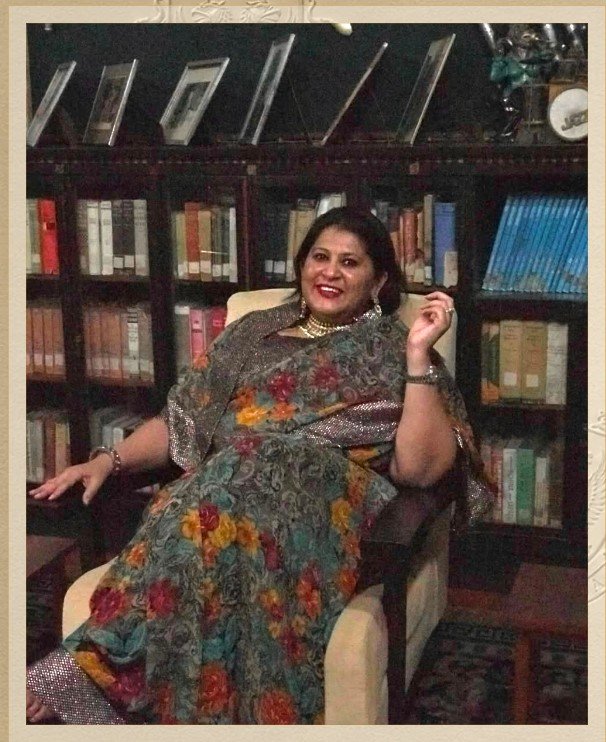
Rajkumari Jayapalashriji, you grew up surrounded by traditions, rituals and stories passed down through generations. Which one particular tradition or memory from your mother, Maharajkumari Meenakshi Devi Wadiyar, has stayed with you most strongly — and has influenced the way you are raising Dhushyant?
I think what has stayed with me most strongly from my mother, Maharajkumari Meenakshi Devi Wadiyar, is the way she taught us that tradition is something you live, not simply something you perform.
Growing up, rituals, festivals, prayers, hospitality and respect for elders were naturally woven into our everyday lives. But alongside that was something even more important — the value of being gracious, grounded and respectful towards every person. My mother carried herself with a quiet dignity, and I think that made a deep impression on me.
I have tried to bring that same spirit into the way I have raised my sons. I want them to understand and appreciate where they come from, but never to feel defined only by their lineage. Heritage, for me, comes with responsibility to respect what has been handed down to us, to understand its meaning, and then to carry it forward in a way that remains relevant to the next generation.
That, perhaps, is the greatest lesson my mother gave me: we don’t inherit heritage simply to preserve it; we inherit it to live it, enrich it and pass it on.
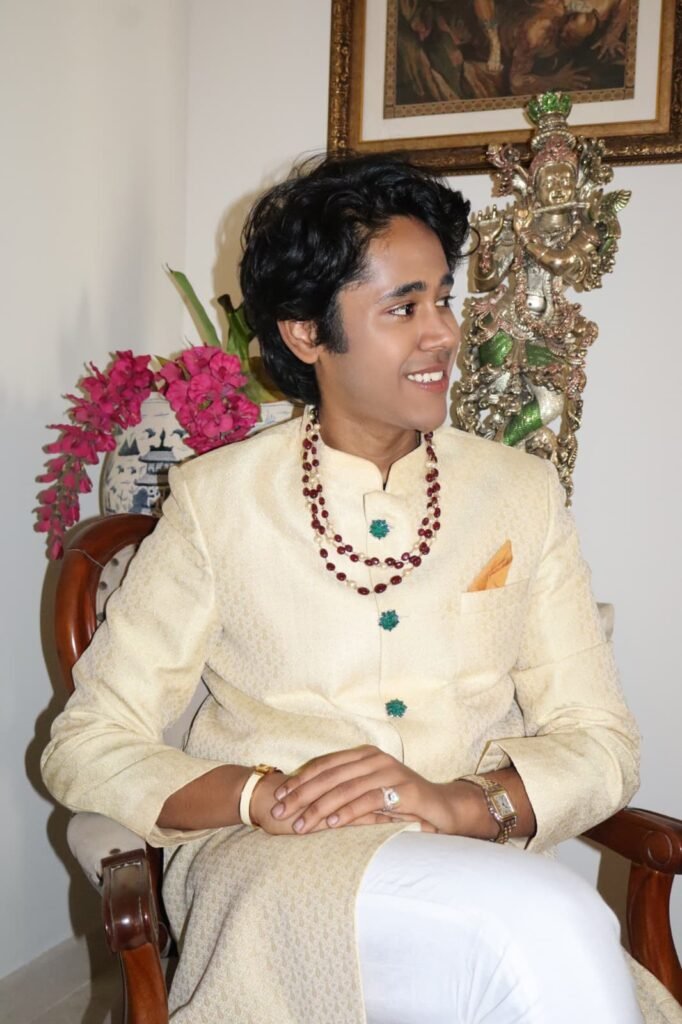
The story of Berunda reportedly began with a mother-son conversation over a disappointing cup of coffee in Taiwan. What happened in that conversation that made you both think, “Perhaps there is something we can build here”?
My son and I had been having conversations about coffee for quite some time and had been toying with the idea of doing something together. I was, however, rather skeptical. I wasn’t sure I wanted to take on another venture or where it would lead.
Taiwan was really the catalyst. During one of our conversations there, the idea came up again, but this time our discussions went a little deeper. We started researching and initially thought we could import coffee from Taiwan and bring an interesting twist to the market.
We even reached out to a few suppliers, and they responded surprisingly quickly. And that was the moment something clicked. We suddenly asked ourselves, why are we looking elsewhere when we have such wonderful coffee right in our own backyard?
That question changed everything. One thought led to another, and before we knew it, we were exploring Indian coffee, our heritage, the stories we wanted to tell, and how we could bring all of that together in a brand.
So, Taiwan wasn’t where Berunda began. It was the cherry on the cake, the place that gave us the final nudge to stop talking about the idea and simply say, “Yes, let’s do this.”
And that is how the journey towards Berunda began.
Coffee is almost a ritual in Karnataka — from the traditional South Indian filter coffee served at home to today’s speciality-coffee culture. How are you trying to preserve the emotional memory of that ritual while introducing a more contemporary coffee experience?
I think the beauty of coffee in Karnataka is that it has never really been just about the coffee. It is about the ritual, the aroma that fills the house, the sound of the filter dripping, the first tumbler in the morning, and the conversations that happen over it. It is deeply woven into our memories and our way of life.
With Berunda, we don’t want to replace that tradition; we want to reinterpret it for a contemporary audience. The emotional memory remains at the heart of what we do — the familiarity of a beautiful South Indian filter coffee, the warmth and hospitality associated with it, and the pride we have in Karnataka’s coffee heritage.
At the same time, we want people to experience Indian coffee beyond the traditional filter. We are exploring different expressions of the bean, from filter coffee to espresso and other modern brewing methods, while remaining respectful of where the coffee comes from.
For me, it is really about heritage meeting curiosity. We want Berunda to feel rooted, but never stuck in the past — luxurious, contemporary and distinctly Indian, while still evoking that comforting feeling of sitting at home with a freshly brewed cup of coffee.
Ultimately, we hope that when someone drinks Berunda, they experience two things at once: the memory of a coffee they know and the excitement of discovering it anew.
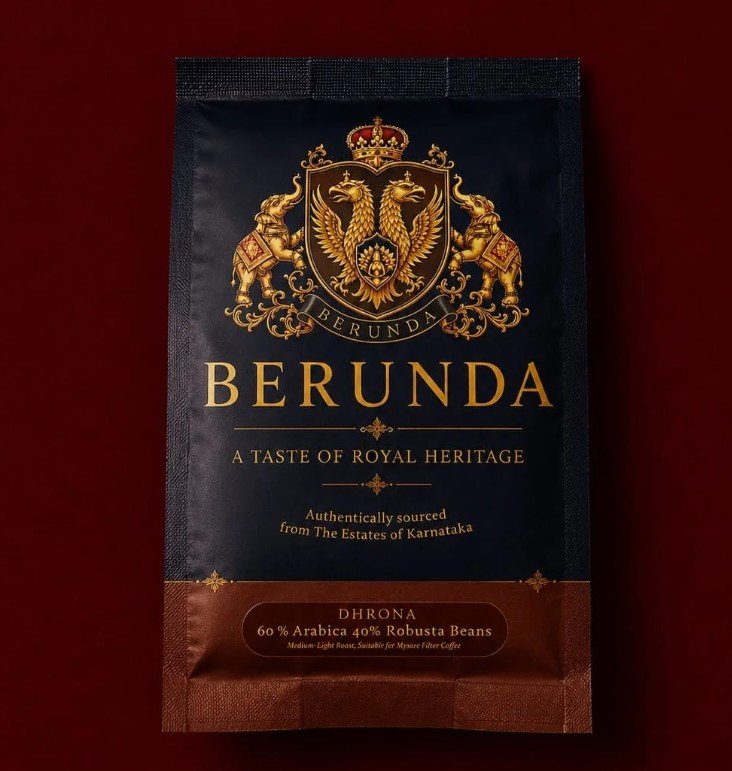
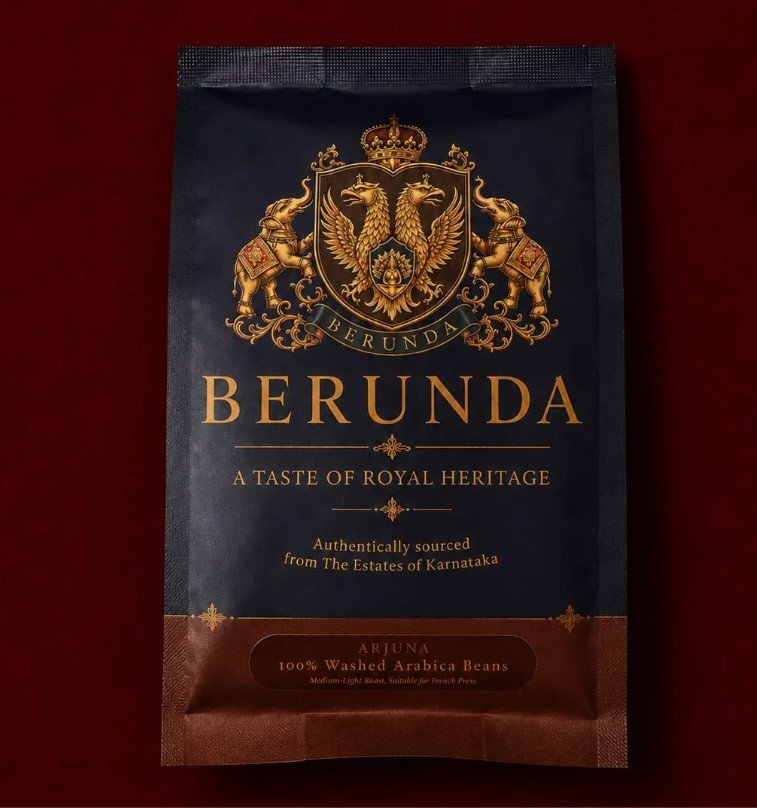
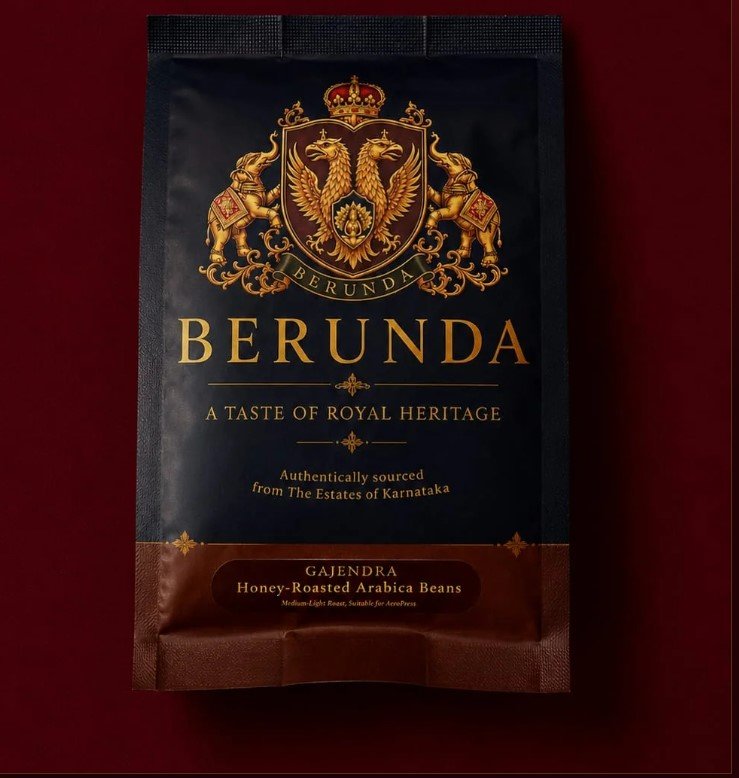
The Gandaberunda is a powerful symbol, while Dhrona, Arjuna and Gajendra bring Mysore’s elephants and Dasara traditions into the coffee collection. How did you decide which stories from Mysore’s cultural memory deserved to be translated into the brand — and which should remain within the family archive?
One of the first things we were told when we started thinking seriously about the brand was that it wasn’t just about creating a product — it was about building a story and giving that story the right platform.
I remember the two of us sitting there, thinking about it, almost anxiously chewing our fingernails. And then — bingo! — my son suggested the name Berunda. It just clicked. From there, the conversation naturally moved to the logo, the identity and the stories we wanted the brand to carry, while the coffee itself was being roasted exclusively for us.
We were sitting over our coffee and breakfast at the dining table, and that’s when another idea came alive. We began talking about our Dasara elephants and the incredible place they hold in Mysore’s cultural memory. One thought led to another, and we started naming our coffees after them.
For us, these elephants represent far more than a tradition. They are a source of immense pride, particularly the magnificent elephants that carry the Golden Howdah during Mysore Dasara. There is such grandeur, strength and grace associated with them that it felt natural to bring a little of that spirit into the coffee collection. So the names Drona, Arjuna and Gajendra emerged from that connection. We weren’t trying to take every story from our heritage and put it onto a package. We wanted to choose stories that felt authentic to us — stories that we had grown up with, that carried emotion and pride, and that could be shared with someone who may not know Mysore or its traditions.
Some stories will always remain within the family archive, and perhaps that is what makes them special. But when a story has the ability to connect people to a place, a tradition and a feeling, we believe it deserves to be shared. That is what Berunda is trying to do — take a piece of our cultural memory and allow it to travel, one cup at a time.
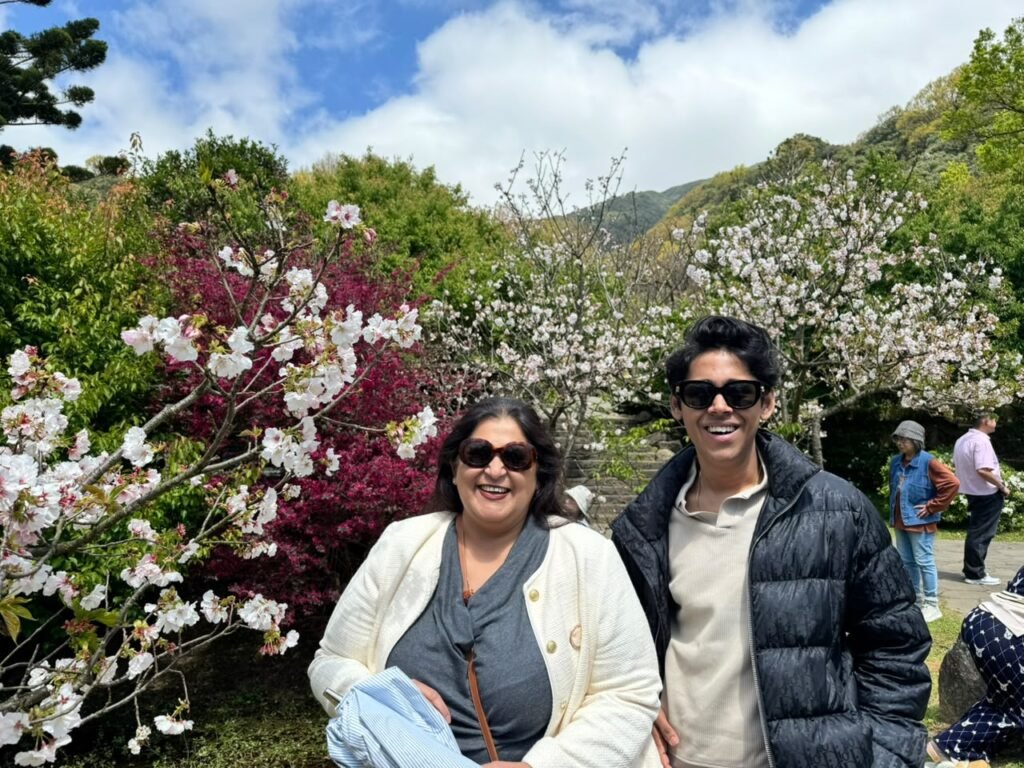
There is a growing conversation around Indian luxury moving away from simply signalling status towards provenance, craftsmanship and cultural meaning. Do you see Berunda as part of that shift?
Yes, I do see Berunda as part of that broader conversation, although I would be careful about defining luxury too narrowly.
For us, luxury is not simply about status or how something looks. It is about provenance, authenticity, craftsmanship, and the story behind what you are experiencing. India has an extraordinary wealth of heritage, materials, traditions and craftsmanship, and I think there is an increasing appreciation for brands that are able to present these elements in a contemporary and relevant way.
With Berunda, our intention is to create a coffee brand that is proudly rooted in its origins. The coffee comes from our own backyard, and the inspiration comes from the cultural landscape we know — Mysore, its heritage, the Gandaberunda, the Dasara elephants and the traditions surrounding them. At the same time, we want the brand to feel contemporary and accessible rather than simply nostalgic.
I also believe that Indian luxury doesn’t necessarily have to imitate established international ideas of luxury. We can define luxury through our own cultural vocabulary. It can be the quality of the coffee, the care in the roasting, the design of the packaging, the stories we choose to tell, and the experience we create around the cup. So, rather than saying Berunda is trying to represent a new definition of Indian luxury, I would say we are contributing our own small interpretation of it — one that brings together heritage and contemporary sensibility, without losing the authenticity of where we come from.
For us, the ultimate luxury is perhaps quite simple: knowing where something comes from, knowing the story behind it, and being able to share that story with the world.
Finally, Rajkumari Jayapalashriji, what is the legacy you hope to pass on to Dhushyant — and what would you actually like him to change, question or reinvent?
I think the greatest legacy I would like to pass on to my children is not a particular tradition, title or even a business. It is a sense of belonging, responsibility and curiosity. I would like them to know where they come from, to value the stories and traditions that have shaped our family, but never feel confined by them. Heritage, to me, is not something that should sit behind glass. It should be understood, respected and then allowed to evolve.
What I would actually like is for my sons to question the idea that because something has always been done a certain way, it must continue to be done that way. I want them to have the confidence to ask why, to challenge respectfully, and to find their own answers.
At the same time, I hope they understand that reinventing something does not mean rejecting what came before. Sometimes the most meaningful innovation comes from knowing your roots deeply enough to reinterpret them for a new generation.
As a mother, I don’t want to hand them a blueprint for their life. I would rather give them strong roots and the freedom to grow in their own direction.
And perhaps that is the legacy I hope to leave behind— not an obligation to preserve everything exactly as it was, but the wisdom to know what is worth preserving, the courage to question what isn’t, and the imagination to create something of their own.
TheGlitz Take
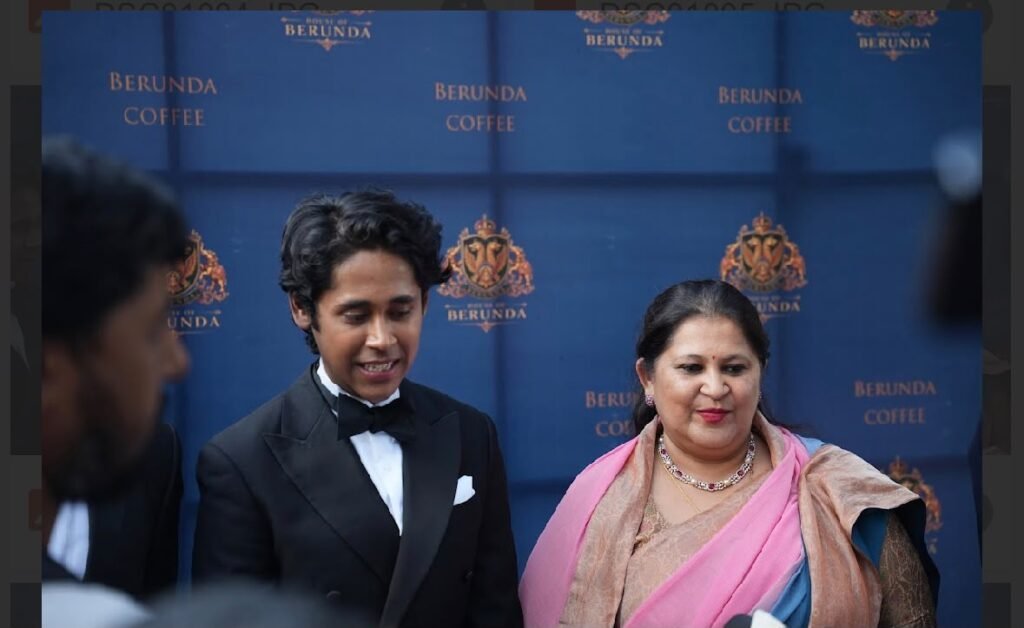
Royal legacies are usually preserved in palaces, portraits and family archives. But what happens when that legacy finds its way into a coffee cup? The House of Berunda offers an intriguing answer… bringing together the history of Rajkumari Jayapalashri Anil and Rajkumar Dhushyant Anil with a new-age coffee story that raises a bigger question: can heritage evolve without losing its soul? Here, coffee becomes more than a product; it becomes a lens through which an old royal legacy meets a very contemporary India.